
The City of Gold
Dubai
Burj Khalifa, desert safaris, and world-class luxury
What makes this place famous?
Images that explain Dubai
Photography first. Words second.
Burj Al Arab
An audacious sail of private, hyperbolic Arabian extravagance
Palm Jumeirah
A fan-shaped palm island of engineered, opulent leisure
Dubai Marina
A glass canyon of yachts, towers, perpetual evening
Dubai Creek
Tidal corridor where dhows hum and spice markets
Introduction
Dubai, at a glance
Dubai arrives like a contradiction you can walk through: a skyline of engineered light and glass that includes the Burj Khalifa, the world’s tallest tower at 828 metres, gives one voice to a coastline whose edges were remade by Palm Jumeirah’s palms and the islands off Jumeirah. A city that stages desert safaris across red dunes and stages choreography at the Dubai Fountain beside the Dubai Mall is also threaded by the slow tidal artery of Dubai Creek, where abras still ferry commuters and traders between Deira and Bur Dubai.
Why visit Dubai is not a single answer but a set of aligned curiosities: to stand above the city at sunrise, to trade for gold and spices in souks that recall its creekside trading past, to feel the hush of a desert evening and the high polish of international hospitality. For travellers drawn to luxury, city energy, beach calm and a measure of adventure, Dubai offers a tightly choreographed palette — a modern emirate whose history, infrastructure and ambition are as much the destination as the amenities themselves.
Why should I come?
Why visit Dubai?
What makes this place famous? Burj Khalifa, desert safaris, and world-class luxury are shorthand for a wider offering: soaring architecture, outdoor beaches, desert horizons and an expanding cultural scene that includes contemporary galleries and restored heritage quarters. Taste is part of the draw too, from Emirati rice dishes to vibrant street shawarma. Come hungry, come glow.
Country
United Arab Emirates
Currency
United Arab Emirates dirham
Language
Arabic (official); English widely spoken
Airport
Dubai International Airport (DXB)
Time Zone
Gulf Standard Time (GST) (UTC+04:00)
Best Time
Nov–Mar
What shouldn’t I miss?
Dubai's must-see sights

The Dubai Mall
A sprawling retail and leisure complex beside Burj Khalifa; home to an aquarium, indoor ice rink and the choreographed Dubai Fountain where footsteps echo and coffee aromas thread through vast glass atriums.
View Details
Al Fahidi Historical Neighbourhood (Al Bastakiya)
A restored wind-tower quarter that preserves old Dubai's lanes and courtyard houses; the scent of incense and cardamom coffee hangs in alleys lined with museums and art galleries.
View Details
Dubai Frame
A giant picture-frame lookout that contrasts old Deira and modern Dubai; step onto its glass walkway and feel a vertiginous breeze while the city hums beneath you.
View Details
Gold Souk (Deira)
A clustered market of gold merchants and glittering displays on Deira’s lanes; expect the metallic jingle of bangles and the murmur of bargaining under awnings.
View Details
Dubai Miracle Garden
An engineered floral spectacle of sculpted displays and walking paths; the air is rich with fresh flower scent and the hush of quiet promenades between themed installations.
View DetailsDid You Know?
A city of small surprises
The facts that change the way you see it.
Burj Khalifa’s precise scale
The Burj Khalifa reaches 828 metres to its tip, making it the tallest completed structure in the world; its observation decks and design were completed and opened in stages, with the tower inaugurated in 2010.
A wetland oasis in the city
Ras Al Khor Wildlife Sanctuary, a protected coastal wetland at the edge of Dubai, hosts thousands of migratory birds including large numbers of greater flamingos against an urban skyline.
What experiences can I book?
Keep exploring Dubai
Tap an attraction to open Makutet Experiences, filtered for Dubai.
What do locals know?
Practical insight from people who've lived it
Al Fahidi Historical Neighbourhood
Al Fahidi is Dubai's restored wind-tower quarter in Bur Dubai, with narrow lanes, wind towers and sandstone houses that smell faintly of coffee and oud from nearby cafés; wooden doors creak and the air cools in shaded courtyards, offering a tactile contrast to the high-rise districts.
Al Fanar Restaurant & Cafe - Dubai Festival City
Al Fanar recreates Emirati home cooking in a heritage-styled setting, serving machboos, harees and luqaimat with fragrant rice, citrus-dried limes and warm spices; the clink of cutlery and the sweet scent of fried dough define the experience.
Deira Gold Souk
The Deira Gold Souk is a compact maze of jewellery shops along narrow lanes where gold chains and bracelets clink; the nearby Spice Souk perfumes the air with saffron and dried limes, and bargaining is a practiced rhythm between buyer and seller.
Alserkal Avenue
Alserkal Avenue in Al Quoz is Dubai's contemporary-arts district in former warehouses, home to galleries, performance spaces and cafés where the smell of fresh paint and the low thud of installations announce a different tempo to the city.
Dubai Marina Walk
Dubai Marina Walk is a waterfront promenade lined with restaurants and yachts; evenings bring terrace chatter, the scent of grilled seafood, and the gentle movement of water against quay walls as lights reflect on the marina's surface.
Al Seef Riverside Promenade
A cinematic ribbon along Dubai Creek where restored wind-tower facades meet contemporary cafés; the salty breath of Dubai Creek and the faint scent of oud from nearby souks give the promenade an unmistakable character. Take an abra across the creek, as the wooden creak and waterfront breeze make the old-meets-new contrast feel deliciously tangible, and linger in the alleys where Emirati loggia and modern glass face each other like conversational partners.
Satwa Tailor Row & Karak Lanes
Satwa hums with pragmatic glamour: lanes of tailors and textile yards rub shoulders with karak chai stalls that pour cardamom-steamed tea into metal glasses. Wander the tailor alleyways, because the tactile chorus of scissors on fabric and the powdery scent of dyes tell a more intimate Dubai story than the skyscraper skyline, and the area’s culinary lanes offer such a profusion of spice-driven street bites that choosing becomes a delicious dilemma.
Ras Al Khor Mangrove Boardwalk
A surprising wetland at the city’s edge where mud flats, mangrove roots and flocks of flamingos reclaim the skyline’s reflection; the metallic calls of waders and the briny scent of mangrove make the reserve feel like an urban secret garden. Visit at golden hour, as the low light corrals birds into photogenic clusters, and enjoy the abundance-paradox of tens of flamingos against a backdrop of mirrored towers that somehow makes Dubai feel both vast and intimately wild.
Book it
The moments worth booking ahead
Curiosity becomes a plan. These are the experiences that turn a wish list into a date in your calendar.
At the Top: Burj Khalifa
Reserve a timed 'At the Top' entry at Burj Khalifa for predictable elevator slots and clear skyline views that align with sunset light and city lights.
Desert sunset safari
Book a private or small-group desert sunset safari to guarantee your preferred dune area and a comfortable sunset view with a curated dinner setup.
Dhow dinner cruise
Reserve a Dubai Creek or Marina dhow dinner cruise to secure al fresco seating facing the lit skyline and to avoid walk-up variability on popular evenings.
Miracle Garden timed entry
Purchase timed-entry tickets for Dubai Miracle Garden during its winter season to ensure arrival at specific floral displays and quieter photo windows.
The story of Dubai
How Dubai came to be
Dubai’s origins are maritime and mercantile: long before glass-and-steel towers, the settlement was a creekside port where pearling, fishing and trade threaded the Arabian Gulf. The shallow estuary of Dubai Creek cleaved the village into trading quarters; dhow traffic and mussel divers connected this stretch of shoreline to markets across the Indian Ocean. The creek’s geometry shaped the pattern of neighbourhoods — Deira and Bur Dubai — and established a mercantile character that would endure even as the city’s silhouette changed.
In 1833 a branch of the Bani Yas tribe led by the Al Maktoum family settled the town of Dubai; that ruling family remains central to the emirate’s governance. For much of the nineteenth and early twentieth centuries Dubai was modest in scale, built on seasonal trades, pearl diving, and coastal commerce. The discovery of oil in the region and the broader political realignments of the twentieth century accelerated change: the formation of the United Arab Emirates in 1971 provided a national framework within which Dubai could plan infrastructure, ports and aviation.
From the late twentieth century the emirate implemented deliberate diversification: Jebel Ali Port and its associated free zone expanded trade capacity, while investments in aviation (notably Emirates Airline, founded in 1985) and later tourism and finance rewired Dubai’s economy. Urban projects from artificial islands like Palm Jumeirah to mixed-use developments and airports redefined coastline and mobility; alongside this expansion persistent sites such as the Al Fahidi neighbourhood, the souks and the creek preserve tactile traces of the city’s older life. The result is a layered city: a trading past, an oil-era impetus, and a contemporary ambition to be connective and global while holding on to familiar urban textures.
Where should I stay?
Where to stay in Dubai
Curated stays chosen to suit every kind of traveller.

Jumeirah (beachfront hotels and villas)
Beach lovers · families · luxury
There is no bad time to stay — only different kinds of luxury. White-sand beaches, waves that hiss against the shore, beachfront resorts and private villas line Jumeirah; the area suits sun-seeking travellers who want seaside calm and five-star service.
Check availability
DIFC (Design District & luxury city hotels)
Food-centred travellers · nightlife · couples
A compact business and arts quarter with gallery nights and Michelin-level restaurants; terrazzo sidewalks carry the scent of espresso and evening grills, ideal for travellers who prioritise food, nightlife and sleek hotel lobbies.
Check availability
Al Barsha (near Mall of the Emirates hotels)
Mall-goers · families · convenient
A practical base with a range of hotels beside Mall of the Emirates and Ski Dubai; it hums with family traffic, indoor-leisure options, and the muffled thump of skiers when winter activities call.
Check availability
Deira (heritage hotels and souk access)
Markets · cultural explorers · practical
A historic, bustling quarter beside Dubai Creek with longstanding hotels and souk access; wake to market calls, the metallic clink of traders, and walkable lanes for cheaper, characterful stays within old-city atmosphere.
Check availabilityWhy this destination?
Why Dubai, and not somewhere else
A signature moment in Dubai is built from opposites aligning: dawn at the Burj Khalifa observation deck, the city below as a grid of light and slow morning haze. You arrive before sunrise, ascend in an elevator whose doors open to a panorama that compresses the emirate’s many realities. To the north, the Persian Gulf rests muted; to the inland south, the pale sweep of desert gives context to the urban concentration. In that quiet hour, the scale of human making becomes legible — an engineered coast, reclaimed palms, the lattice of highways and the creek’s old curve — and the city is both monument and map.
After descending, the moment continues in a simpler register: take an abra across Dubai Creek. The small wooden boats still ply their original route between Deira and Bur Dubai, and the crossing is an unadorned civic gesture. On one bank there are spice stalls and narrow souks whose scents and textures feel like a direct line back to the trading networks that sustained the town; on the other bank, restored wind-tower houses in Al Fahidi and quiet cafés invite a slower pace. The contrast between a high-rise vantage and a creekside crossing sharpens the city’s character: modernity does not erase what came before; it layers upon it.
In the late afternoon seek the desert at Lahbab or the dunes that lie an hour’s drive from central Dubai. A professional guide will take you across red sand ridges for dune drives and, if you wish, a short camel ride or a moment of silence as the sun tilts low. The desert is not performance; it is the emirate’s original margin, and its quiet amplifies the city’s daylong hum. Return at dusk to the waterfront by the Dubai Mall and watch the Dubai Fountain — water and light set to music that plays out before the Burj Khalifa’s vertical theatre. Each element of the evening is calibrated, but it is calibration folded into place rather than spectacle alone: you feel the city’s appetite for precision.
This sequence — the sober height of the tower at dawn, the low human rhythm of the creek at midday, and the desert’s slow light at afternoon into the orchestrated calm of evening — becomes a compact essay about Dubai. It is a place where infrastructure and memory converse, where engineered shorelines sit beside migratory wetlands, and where traditional trades share space with global finance and design. Standing with that understanding, you understand the city not just as a list of attractions but as a set of lived contrasts. In Dubai, scale and intimacy are possible at once; you leave with the heavier sense that the city has been built to be seen and to be felt, and that those two acts are never the same thing.
Can I book somewhere to stay?
Where to stay in Dubai
Live rates across Booking.com, Agoda, VRBO and Hotels.com — compare in one search, no extra cost to you.
Popular destinations
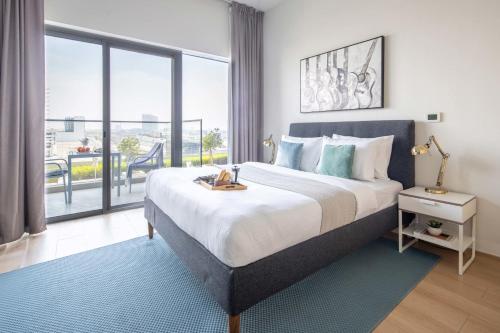
Frank Porter - Azizi Aura

Contemporary Studio Getaway in Jebel Ali

Mira Holiday Homes - Luxury, Stylish & Cozy Studio in Downtown Jebel Ali
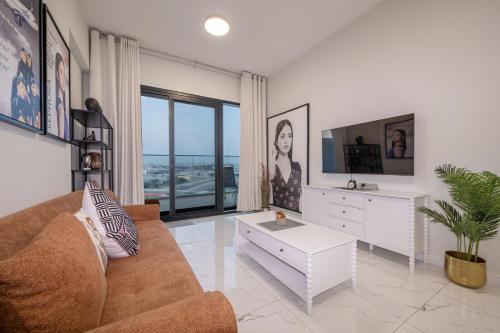
Stylish 1BR Just 3 Minutes Walk to Metro
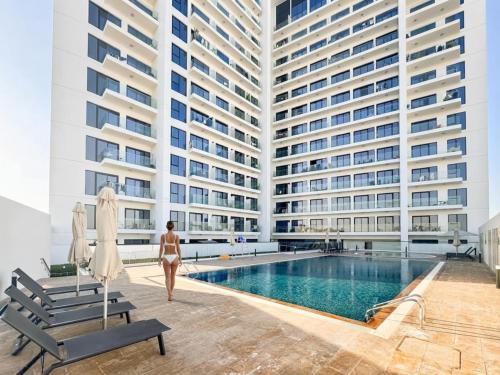
Vogue Vacation Homes, Alexis Tower Jabal Ali Walkable to Metro Station, near Expo City Dubai, One Bedroom Apartment with Balcony, Pool and Vibrant Community View, Access to all Amenities
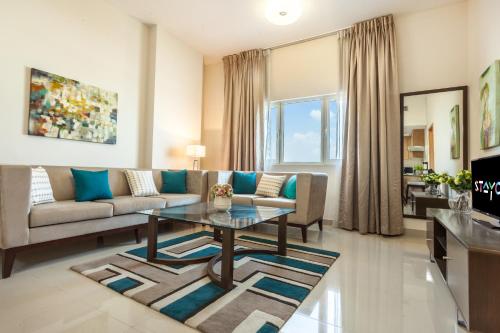
Staycae Holiday Homes - Suburbia
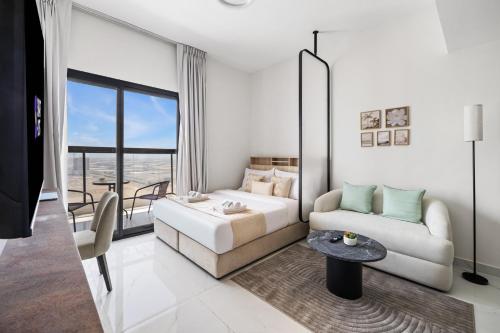
New Bright Studio with Balcony in Jebel Ali

Luxury Apartment with Pool Gym & Free Parking at Equiti Gates Jebel Ali
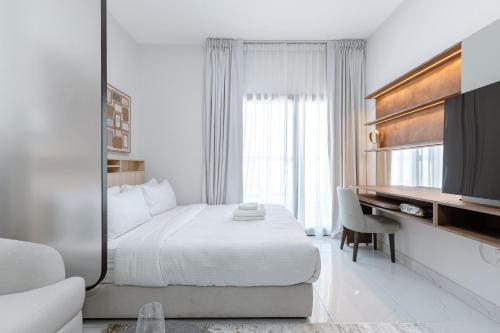
Cozy Studio at Equiti Gates Prime Jabel Ali
Live rates across our partner network (Booking.com, VRBO, Expedia, Hotels.com) via Stay22. Makutet may earn a commission when you book — at no extra cost to you. Prices update in real time and may vary before booking.
When to come
Planning your Dubai trip
There is no bad time to visit — only cheaper and cooler.
Nov–Mar
Temperatures are mild, days are sunny and outdoor programmes—desert drives, beach visits and evening promenades—are most comfortable during these months.
Apr, Oct
Warm afternoons start to arrive and humidity can rise; mornings and evenings remain reasonable for outdoor activities with the right planning.
May–Sep
Daytime heat and high humidity make prolonged outdoor exposure challenging; many travellers focus on air-conditioned museums, pools and early-morning or late-evening outings.
What else do I need for my trip?
Everything else for your trip

Flights to Dubai
Find the best flights to Dubai.
Explore
Accommodation in Dubai
Discover the best hotels and resorts in Dubai.
Explore
Airport Transfers
Arrange transport between Dubai Airport and your accommodation.
Explore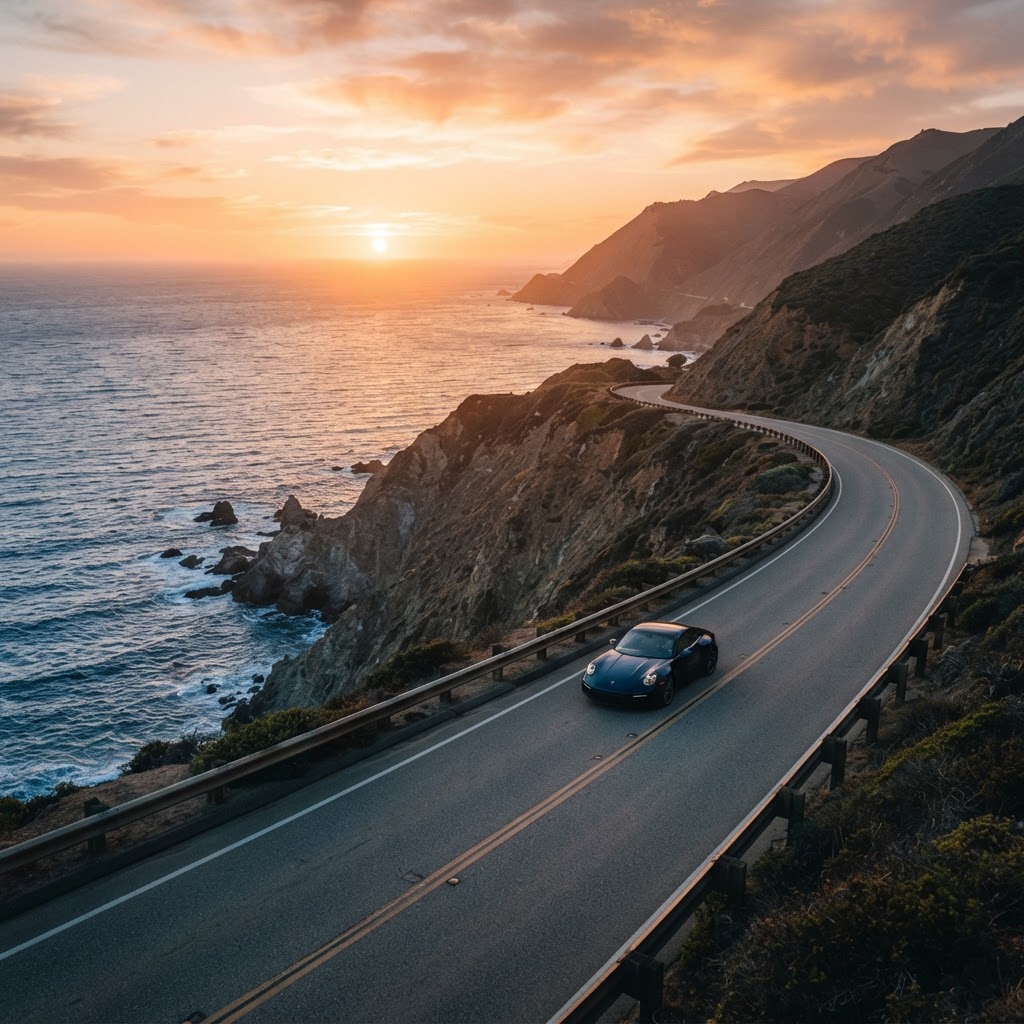
Car Hire
Explore Dubai and surrounding regions with a rental vehicle.
Explore
Travel Insurance
Protect your trip before travelling to United Arab Emirates.
Explore
eSIM & Connectivity
Stay connected throughout your visit to Dubai.
ExploreWhat do I need before travelling?
What you need before you go
Cash, cards and tipping
- ·Curiosity becomes a plan. There is no bad budget to visit; only choices between convenience and saving, so carry some dirhams, because many small vendors and traditional cafés accept cash, and it speeds street transactions and small purchases while keeping the mood local.
Getting around: Metro, taxis and apps
- ·Most journeys are straightforward. Use the Dubai Metro and a Nol card, because it avoids much road traffic and links major hubs, and insist on metered taxis, or use Careem and Uber apps, because fixed fares avoid disputes, ensuring timely arrivals and less roadside negotiation.
Local laws and respectful conduct
- ·Most visits are trouble-free. Respect local laws, because the UAE has strict public conduct rules, and avoid public displays of affection and loudly intoxicated behaviour, because penalties can follow, preserving both your schedule and the city's calm atmosphere.
SIMs, eSIMs and airport connectivity
- ·Connectivity is excellent. Buy an eSIM or a local SIM at the airport, because local data is reliable and useful for navigation and bookings, and topping up is quick so you stay online for maps, meal reservations and timely updates.
Weather, what to pack and daily rhythms
- ·Dubai swings from furnace-hot summers and humid coastal days to mild, sunlit winters; feel the salt-laced breeze on Jumeirah Beach against your skin as you plan. Pack light, breathable fabrics, to cope with daytime temperatures that frequently top 40°C in summer, and bring a thin layer, to shield against intense mall air-conditioning and cooler evenings. Carry a refillable water bottle, to stay hydrated in the desert heat, and stash high-SPF sunscreen and a wide-brim hat, to avoid sunburn while sightseeing. Expect rare winter showers and occasional khamsin sand gusts that grit exposed skin; adapt your wardrobe to both blazing daylight and cool, glacial interiors. Bring lightweight layers and a flexible mood, and you'll move through Dubai's bright contrasts with ease and style.
Emergency services, hospitals and consular help
- ·Dubai keeps emergency access straightforward: save 999 for police, 998 for ambulance and 997 for fire, to reach help rapidly across the emirate. Know your embassy or consulate's local contact, to speed consular assistance if you lose documents, and carry a photo or digital copy of your passport, because hospitals and police will often request ID. Dubai offers a dense network of private hospitals and public trauma centres — from Rashid Hospital to Dubai Healthcare City clinics — so you'll find redundancy in care rather than a single point of failure. Listen for the quiet beeps in Rashid Hospital’s ER as a reminder that clinical help is close; register with your country's traveller enrolment service before arrival, to add another safety layer. Keep emergency contacts to hand and a calm, collected head, to act decisively if needed, and you'll navigate unexpected incidents with clearer purpose.
Good to Know
Dubai FAQs
Final inspiration
Go and see for yourself
Walk Dubai with a curious attention to scale: a morning in the Al Fahidi district, where wind towers and narrow lanes still whisper the city’s maritime past, and an evening on a terrace where the Burj Khalifa’s lights are reflected in a thousand glass panes. The city rewards those who hold both impressions — the meticulous craft of an old market stall and the engineered sweep of a skyline.
Leave space in your itinerary for unscripted time. Take an abra across the creek without a map, linger at a beach at dawn, watch flamingos at Ras Al Khor from an appointed hide — these quiet encounters are the threads that make any visit to Dubai feel like a personal discovery rather than a checklist.
See It Through A Creator's Eyes
Want to discover Dubai through people who have actually experienced it?
Explore Dubai through the stories, photos, and perspectives of travel creators who have been there.
Find Creators Who Have Been to Dubai