Thailand Travel Cluster
Thailand Travel Hub — Complete Guide 2026
Thailand's New 30-Day Visa Rule: What It Means for Tourists, Digital Nomads and Long-Stay Travellers in 2026
Thailand has reduced its visa-exempt entry period from 60 days to 30 days for most eligible nationalities. Here is everything you need to know before you book — and what to do if you need longer.
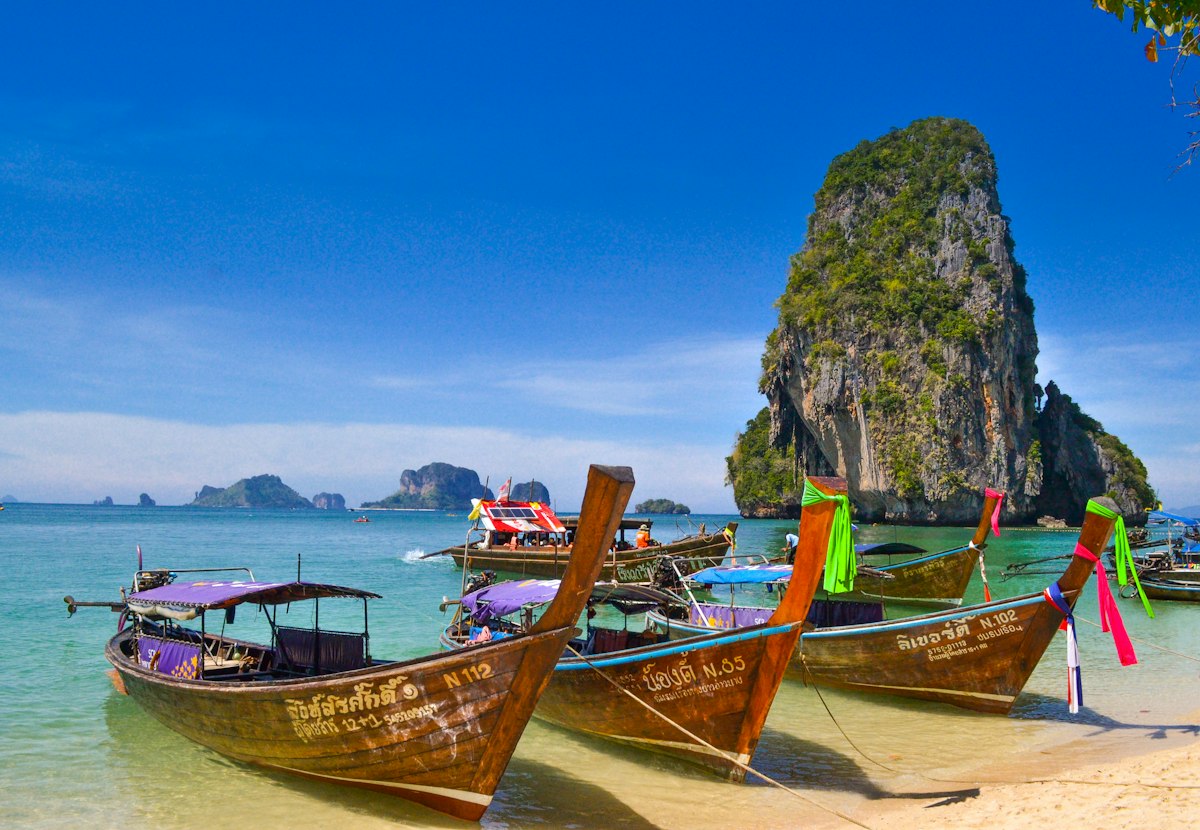
Thailand · Updated June 2026 · Visa Rule Change Guide
Part of the Thailand Travel Blueprint
The Ultimate Thailand Travel Blueprint 2026 →
This visa guide is one chapter of our complete Thailand planning resource — regions, costs, itineraries and more.
For decades, Thailand has been one of the world's easiest countries to visit. No complex paperwork, no advance visa appointments for most nationalities, and generous time allowances that made it an obvious choice for backpackers, winter sun seekers, digital nomads and retirees alike.
The extended 60-day visa exemption became part of how millions of people planned their Thailand trips — giving enough time to travel the country properly, combine a beach holiday with a cultural stay in the north, or test life as a remote worker before committing to a longer visa.
That flexibility is now changing. Thailand has moved to a 30-day standard visa-exempt entry for most eligible nationalities. For short-stay holiday travellers, this changes very little. For digital nomads, long-stay visitors, backpackers and retirees — this requires a new approach to planning.
What Has Changed?
Thailand's visa exemption rules have been revised. The key change for most international travellers is straightforward — but the implications vary significantly depending on how you travel.
| Rule | Previous (60 days) | New (30 days) |
|---|---|---|
| Visa-exempt entry duration | Up to 60 days | 30 days (standard) |
| In-country extension | 30 days at immigration | 30 days at immigration (still available) |
| Maximum stay (single entry) | 90 days (60+30) | 60 days (30+30) |
| Cost of entry | Free | Free |
| Border run reset | Widely used (60+60...) | Increasingly restricted |
| Application required? | No — on arrival | No — on arrival |
| Eligible nationalities | Many — check by passport | Many — check by passport |
Important: Visa rules change frequently. Always verify your nationality's current entitlement directly with the Royal Thai Embassy or Thailand's official immigration website before booking flights or accommodation.
Why Is Thailand Making This Change?
Thailand's decision reflects broader pressures that many popular tourist destinations face as international travel grows. The country receives over 35 million international visitors annually — a number that creates both opportunity and strain on infrastructure, housing and local communities.
Managing Long-Term Unofficial Stays
A significant number of foreign nationals have been living in Thailand effectively permanently on rolling visa exemptions. The 30-day rule makes this approach significantly harder to sustain.
Reducing Border Run Dependency
The practice of crossing a land border briefly to reset visa exemptions has been a feature of Thailand expat life for years. New rules signal that this approach will face stricter scrutiny.
Balancing Tourism and Residency
Thailand wants to welcome genuine tourists while creating clearer pathways for those who want to live or work long-term — through structured visa routes rather than informal workarounds.
Sustainable Tourism Management
Overcrowding at key sites, pressure on local housing markets, and strain on utilities have prompted a more managed approach to long-term visitor numbers in popular areas.
Who Is Most Affected?
The impact of the change varies significantly depending on how and why you travel to Thailand.
🎒 Backpackers
Impact: ModerateBackpackers travelling Southeast Asia often base themselves in Thailand for 4–8 weeks at a time, exploring the south, then the north, before moving on. Thirty days can feel very tight for this style of travel. The solution for most is either a pre-departure Tourist Visa (60 days + 30-day extension = 90 days) or splitting the trip into two Thailand visits with other countries in between.
💻 Digital Nomads
Impact: HighRemote workers who were using rolling 60-day visa exemptions to live and work from Thailand face the most significant disruption. The Destination Thailand Visa (DTV) was specifically created for this group — offering 180 days per entry on a 5-year visa. For nomads who qualify, this is the definitive long-stay solution. Those who don't meet income requirements will need to restructure their Thailand time.
🏖️ Retirees
Impact: ModerateMany British, European and Australian retirees spend 2–4 months in Thailand during winter months. The 30-day rule reduces the simple option. However, the Retirement Visa (O-A) offers a far more stable solution — a 1-year renewable visa for those aged 50+ with qualifying finances. This should be the route most retirees use rather than relying on exemptions.
🧳 Long-Term Travellers
Impact: Moderate to HighThose spending 3–6 months travelling through Southeast Asia typically use Thailand as both a base and a return destination. With 30-day limits, building Thailand into a multi-country route with Vietnam, Cambodia or Laos becomes more important — allowing natural re-entry periods. Pre-planning with a Tourist Visa or DTV for qualifying travellers is advisable.
🎓 Gap Year Travellers
Impact: Low to ModerateMost gap year travellers visit Thailand as one of several stops on a longer Asia trip. A 30-day stay for each Thailand visit is usually sufficient if the route is planned correctly. Those wanting extended immersion — language schools, Muay Thai camps, dive instructor courses — should consider an Education Visa for the school/course period.
☀️ Holiday Travellers
Impact: Very LowThe vast majority of package tourists, couples and families visiting for 1–3 weeks are entirely unaffected. A 30-day visa exemption comfortably covers a standard Thailand holiday. This change has almost zero practical impact on the typical short-stay visitor.
Does This Make Thailand More Expensive?
For the typical holiday traveller, the honest answer is no. But for specific groups, there are new cost considerations to factor into planning.
In-country extension
~1,900 THB (~$55) for 30 more days — modest cost for the time it buys
Tourist Visa (pre-departure)
~$40–60 at a Thai Embassy — good value for 60-day entry + 30-day extension potential
DTV Visa
~10,000 THB (~$280) one-time fee for 5 years of 180-day entries — exceptional value for long-stay travellers
Retirement Visa
~$50 plus bank balance requirements — structured but straightforward for eligible retirees
Thailand Remains Exceptional Value
Even factoring in visa costs, Thailand remains one of the world's most affordable destinations. A budget traveller pays $35–50 per day all-in. A mid-range traveller can live well on $75–130 per day. These costs are 40–70% lower than comparable destinations in Europe, Australia or North America. The visa change is a planning consideration — not a reason to avoid Thailand.
Makutet Travel Intelligence
Get Connected Before You Land
Yesim with AIS is our top Thailand recommendation — compare plans and prices.
Alternative Visa Options for Longer Stays
Thailand offers several structured visa options for travellers who need more than 30 days. Here is a complete comparison.
Visa Exemption (New)
30 daysBest For
Holiday visitors, short trips
Extendable
Yes — +30 days in-country
Approx. Cost
Free (extension ~$55)
Complexity
Simple
Tourist Visa (TR)
60 daysBest For
Longer holidays, backpackers
Extendable
Yes — +30 days in-country
Approx. Cost
~$40–60 at Thai Embassy
Complexity
Low — apply before arrival
Destination Thailand Visa (DTV)
180 days per entry, 5 yearsBest For
Digital nomads, remote workers
Extendable
Multiple entries
Approx. Cost
~10,000 THB (~$280) one-time
Complexity
Moderate — income proof required
Retirement Visa (O-A)
1 year renewableBest For
Retirees 50+
Extendable
Annually
Approx. Cost
~$50/year + bank requirements
Complexity
Moderate — financial proof required
Education Visa (ED)
1 year (90-day entries)Best For
Language students, Muay Thai
Extendable
While enrolled
Approx. Cost
Varies by school
Complexity
Moderate — school enrolment required
Long-Term Resident (LTR)
10 yearsBest For
High earners, retirees with assets
Extendable
Yes
Approx. Cost
~$50,000 qualifying income/assets
Complexity
High — substantial requirements
Ready to Plan Your Thailand Trip?
Compare flights, find accommodation and plan your route with Makutet Travel Tools.
Makutet Travel Intelligence
Arriving by Bicycle?
The complete operations manual for long-distance cycle touring through Southeast Asia.
Thailand Remains One of the World's Best Destinations
The visa change is a policy adjustment — it is not a signal that Thailand is becoming harder to visit or less welcoming. The country remains one of the world's most extraordinary travel destinations, combining world-class cuisine, ancient culture, natural landscapes and remarkable value. Here are the key destinations and our full guides to each.
Bangkok
World-class street food, temples and rooftop bars. Unmatched value for a major global city.
Chiang Mai
Thailand's cultural northern capital. Temples, cooking classes, mountain views and digital nomad cafes.
Phuket
Thailand's largest island. Patong nightlife, Kata's relaxed beaches, and boat trips to Phi Phi.
Krabi
Limestone karsts, Railay Beach and access to some of Thailand's most beautiful islands.
Koh Samui
Gulf coast's premium island. Chaweng Beach, Five Islands and the legendary Full Moon Party nearby.
Pattaya
Fast-evolving coastal city. Beach Road, Sanctuary of Truth and day trips to Koh Larn.
Khao Lak
Quieter alternative to Phuket. National parks, Similan Islands and relaxed beach life.
Ayutthaya
UNESCO World Heritage ruins an hour from Bangkok. Ancient temples and royal palaces.
Complete Thailand Travel Guide Library
Thailand Travel Guide (UK)
Complete guide for British travellers
Bangkok First-Timer's Guide
Everything for your first visit to Bangkok
Chiang Mai Travel Guide
Northern Thailand's cultural capital
Chiang Rai Guide
White Temple, tea hills and the Golden Triangle
Phuket Travel Guide
Beaches, nightlife and island life
Krabi Travel Guide
Limestone cliffs, Railay and Ao Nang
Koh Samui Guide
Gulf island beaches and full moon parties
Koh Tao Guide
Diving, snorkelling and island life
Koh Lanta Guide
Relaxed island for longer stays
Khao Sok Guide
Ancient rainforest and jungle lakes
Pai Travel Guide
Mountain retreat and slow travel
Thailand Itinerary Guide
Optimised routes for every trip length
Thailand vs Other Destinations
How Thailand compares to other Asia trips
Thailand Flights & Hotels
How to book smart and save money
Local Thailand Travel Tips
Insider advice for travelling like a local
Find the Best Hotels in Thailand
Browse live accommodation across Bangkok, Chiang Mai, Phuket, Krabi and all Thai destinations.
Browse Thailand HotelsLive Hotel Availability — Bangkok, Thailand
Powered by Stay22 · Prices update in real time
We may earn a commission when you book through these links at no extra cost to you.
How Much Does Thailand Cost in 2026?
Thailand's cost structure remains one of its greatest strengths. Here is an honest breakdown of what different traveller types should budget, per day and per month.
Budget Traveller
$35–50/dayAccommodation
Hostels, guesthouses ($8–20)
Food
Street food, local restaurants ($5–12)
Transport
Songthaew, local buses, overnight trains ($3–8)
Activities
Temples (free–$5), local markets
Mid-Range Traveller
$75–130/dayAccommodation
3-star hotels, boutique stays ($35–80)
Food
Mix of local and Western restaurants ($15–35)
Transport
Grab, domestic flights, AC buses ($10–25)
Activities
Tours, cooking classes, island trips ($20–60)
Premium Traveller
$200–400/dayAccommodation
4–5 star hotels, resorts ($100–300)
Food
Upscale restaurants, rooftop dining ($40–100)
Transport
Private transfers, business class domestic ($40–80)
Activities
Private tours, yacht charters, spa days ($80–200)
Find the Best Flight Prices to Thailand
Compare routes from the UK, Europe, Australia and USA. Flexible date search included.
Thailand Travel Planning Checklist
Use this checklist before every Thailand trip. The visa rule change makes several of these items more important than before.
Passport valid for 6+ months
Thai immigration requires at least 6 months validity beyond your departure date
Confirm visa requirements
Check your nationality's current entitlement with the Royal Thai Embassy
Travel insurance purchased
Medical costs in Thailand can be significant — always insure before flying
Accommodation booked
You may be asked for hotel confirmation at immigration
Return flight confirmed
Immigration may ask for proof of onward travel
Transport planned
Airport transfers, intercity routes and island ferries
Emergency contacts saved
Embassy number, insurance helpline, local emergency: 191
Currency planned
Thai Baht (THB). ATMs widely available. Notify your bank before travel
SIM card arranged
AIS, DTAC and TrueMove tourist SIMs available at all major airports from ~$10
Health considerations
Check vaccination recommendations for Thailand with your GP or travel clinic
Common Questions About Thailand's Visa Changes
Answers to the questions travellers are asking most about Thailand's new visa rules.
How Makutet Can Help You Plan Your Thailand Trip
Planning a Thailand trip in 2026 requires more careful preparation than before. Makutet brings together everything you need in one place — flights, accommodation, destination research, itinerary planning and travel tools.
Travel Tools
Compare costs, plan routes and build your Thailand itinerary door-to-door.
Destinations
Explore every Thailand destination with guides, costs and accommodation.
Makutet Mantra
Build your complete trip plan and reduce pre-departure stress.
Travel With Confidence
Visa changes, new immigration rules and evolving entry requirements create uncertainty — even for experienced travellers. The risk of arriving unprepared has real consequences. Makutet Mantra is designed to replace that uncertainty with calm, structured preparation.
Mantra helps Thailand travellers organise every element of their trip in sequence — from checking visa requirements to comparing accommodation options in the right areas, planning transport between cities, and arriving with every document confirmed. For travellers navigating new rules, it removes the anxiety of not knowing what you might have missed.
📋
Step-by-step planning
😌
Reduce pre-trip anxiety
✈️
Everything in one place
🧠
Arrive confident
Final Thoughts
Thailand's 30-day visa rule does not make the country less accessible or less attractive. The vast majority of visitors — anyone travelling for two to three weeks — will notice absolutely no difference. The country's temples, beaches, food culture, nightlife and value proposition remain completely intact.
What has changed is that travellers who want more than 30 days now need a proper plan rather than an informal workaround. The Tourist Visa, the Destination Thailand Visa and the Retirement Visa are mature, well-established systems — they simply require application before arrival rather than reliance on rolling exemptions.
Thailand remains, by any objective measure, one of the world's best travel destinations. Plan a little more carefully, verify your visa requirements before booking, and your Thailand trip will be exactly as extraordinary as it always was.
Everything You Need for Thailand 2026
Start Planning Your Thailand Trip
This article is for general guidance only. Visa rules change frequently. Always verify your specific nationality's current requirements directly with the Royal Thai Embassy or Thailand's official immigration authority before travelling. Some links in this article are affiliate links — we may earn a small commission if you book through them, at no extra cost to you.
Related Thailand Resources
Cornerstone Guide
The Ultimate Thailand Travel Blueprint 2026
The definitive Thailand planning resource
Complete Thailand Guide (UK)
Planning a trip from the UK
Thailand Itinerary Ideas
7, 14 & 21-day routes
Thailand Flights & Hotels
How to book smart
Thailand Islands Compared
Which island is right for you
Bangkok for First-Timers
Is it worth visiting?
Chiang Mai Guide
Northern Thailand base
Phuket Guide
Thailand's biggest island
Krabi Guide
Limestone cliffs & beaches
Koh Samui Guide
Gulf coast island living
Koh Tao Guide
Diving & budget island life
Khao Sok Guide
Rainforest & floating bungalows
Pai Guide
Mountain town in the north
Related Reading


Continue planning your trip
From this guide to your booking
You've learned what matters — now book it. These Makutet Toolkit tools connect Thailand Visa Guide 2026 directly to trusted booking partners.