
Chiang Rai
White Temple, Blue Temple, and hill-tribe culture
What makes this place famous?
Images that explain Chiang Rai
Photography first. Words second.

Wat Rong Suea Ten (Blue Temple)
Instantly recognizable by its vibrant sapphire-blue hues and elaborate gold detailing, this mesmerizing temple is a relatively modern addition to the city's architectural identity.

Baan Dam Museum (Black House)
A thought-provoking complex of dark teakwood structures showcasing the eclectic and somewhat macabre collections of acclaimed Thai artist Thawan Duchanee.

Chiang Rai Clock Tower
Designed by the same artist who created the White Temple, this ornate golden clock tower serves as a central roundabout and puts on a musical light show every evening.

Singha Park
Defined by its enormous golden lion statue, this sprawling agricultural park offers scenic viewpoints over vast oolong tea plantations, flower gardens, and calm lakes.
Introduction
Chiang Rai, at a glance
Why should I come?
Chiang Rai arrives in layers: a white temple that looks like frost, a black house that feels like timber memory, a tea terrace that exhales soft spice. You will meet the city in sound as much as sight — the low gong at Wat Rong Khun, the chatter of vendors at the night bazaar, the distant motor of a longtail on the Kok River — and in taste: a bowl of khao soi with hot, lime-touched broth, a cup of Doi Mae Salong tea cooled by mountain air. Wander three days of temples, a week of trails, a month of learning tea and markets, and the city keeps rearranging itself into newer intimacies.
Come hungry, come open, come ready to fall for it — jasmine-dusk.
Why should I come?
Why visit Chiang Rai?
Home to the world-renowned White Temple and Blue Temple, the city serves as a dynamic hub for boundary-pushing architecture, ethical elephant encounters, and rich hill-tribe heritage.
Country
Thailand
Currency
Thai baht
Language
Thai
Airport
Mae Fah Luang–Chiang Rai International Airport (CEI)
Time Zone
ICT (UTC+7)
Best Time
November to February
What shouldn’t I miss?
Chiang Rai's must-see sights

Wat Huay Pla Kang
Famous for its colossal, multi-story statue of Guan Yin (the Goddess of Mercy), this temple complex offers sweeping panoramic views of the surrounding countryside from its upper tiers.
View Details
Choui Fong Tea Plantation
A breathtaking expanse of terraced tea fields rolling over the hills of Mae Chan. It's the perfect spot to sample freshly brewed matcha and enjoy sweeping green vistas.
View Details
Golden Triangle Park
Stand at the geographic confluence where Thailand, Laos, and Myanmar meet along the mighty Mekong River, an area steeped in history and former opium trade lore.
View Details
Doi Tung Royal Villa
The former residence of the Princess Mother, blending Swiss chalet architecture with Lanna aesthetics, surrounded by the meticulously manicured Mae Fah Luang botanical gardens.
View DetailsDid You Know?
A city of small surprises
The facts that change the way you see it.
When was this place founded?
Chiang Rai was founded in 1262 by King Mengrai as the first seat of what would become the Lanna kingdom; the city pre-dates Chiang Mai and still carries that medieval grid in its lanes — a founding that makes the north legible as history, not accident.
Who made the White Temple the place it is today?
Wat Rong Khun, the White Temple, is the life-work of artist Chalermchai Kositpipat, begun in the late 1990s and maintained as an evolving artwork rather than a finished shrine — a single artist reshaping a provincial skyline into a modern pilgrimage, an art of insistence made public.
What experiences can I book?
Keep exploring Chiang Rai
Tap an attraction to open Makutet Experiences, filtered for Chiang Rai.
What do locals know?
Practical insight from people who've lived it
San Khong Noi
Known as the city's creative artery, this charming neighbourhood comes alive on Sunday evenings as a walking street, flanked by indie coffee shops, local craft stores, and live music.
Khao Soi
You cannot leave without eating this iconic northern Thai dish: a rich, fragrant coconut curry broth served over soft egg noodles and topped with a nest of crispy fried noodles.
Chiang Rai Night Bazaar
A vibrant evening market that doubles as a cultural hub. Graze on hot pots and fried insects at the food court while watching traditional Thai dance and cabaret performances on the free stage.
Doi Mae Salong
A mountaintop settlement with profound Yunnanese Chinese heritage. Explore the tea houses, sample savory Yunnanese cuisine, and learn about the former Kuomintang soldiers who settled here.
Mueang Old City Lanes
The compact Old City around Wat Phra Kaew reads like Chiang Rai’s living postcard: low teak houses, lacquered shrines and morning vendors threading jasmine garlands. Expect the warm heaviness of incense smoke at the temple and the sibilant clatter of motorbikes along narrow sois; there are more charming cafés and craft stalls than time allows, which turns wandering into a delightful, slow-collapse of choices. Ideal for slow mornings and late-afternoon light, this quarter rewards a loose schedule and curiosity.
Nawarat Riverside Quarter
Clinging to the Mae Kok’s gentle bend, the Nawarat Bridge area is where Chiang Rai’s social life spills onto the riverbank: fishermen mending nets, street-food grills hissing, and a river breeze that carries the cool, earthy scent of wet mud after rain. The quarter blends low-rise guesthouses with riverside cafés and sleepy temples, offering viewpoints that feel private despite being minutes from the city centre — an abundance of benchside vistas invites lingering and unhurried sunset watching.
Singha Park Fringe Villages
Just beyond the manicured lawns of Singha Park, a band of farming villages unfolds tea terraces, eucalyptus stands and informal roadside stalls selling eggy snacks and pandan-scented sweets. The air here carries the brisk, green aroma of tea leaves and the distant metallic ping of small tractors; it’s a pastoral counterpoint to the city, where morning fog and rows of tea plants create cinematic light. Plenty of quiet lanes and viewpoints make this fringe feel generous rather than staged.
Ban Du Market Lane
Ban Du’s market lane, east of the city, is a pleasantly unpolished local artery where traders stack dried chilies, sticky rice parcels and handmade textiles beneath corrugated awnings. The scent of lemongrass and grilled meat hangs low here, and the rhythmic clink of ceramic cups from a single-urn coffee stall is memorably local. With a dense cluster of everyday stalls and homestay doors, Ban Du is less about spectacle and more about the quotidian textures of Chiang Rai life.
The story of Chiang Rai
How Chiang Rai came to be
How did this place begin?
Chiang Rai’s story begins with a name and a decision: King Mengrai selected this bend of rivers and foothills in 1262 to seed a polity that would be called Lanna. The stone and teak traces of those decisions survive in different weights — from ruined stupas of early Chiang Saen to the deliberate newness of wats rebuilt in later centuries — and in the less visible economies that followed, where trade routes, hill tracks, and the rivers that flank the province shaped patterns of exchange. You can hear the history in the chant along the Mekong, smell it in the embers of market fires, and feel it in the chill of Doi Tung morning.
The nineteenth and twentieth centuries layered complexity: migration from Yunnan brought Chinese tea culture to Doi Mae Salong, hill-tribe paths threaded the uplands, and the Golden Triangle’s opium trade left scars and then projects of recovery. The Princess Mother’s Doi Tung Development Project shifted cultivation from poppies to macadamia and coffee, remaking soils and livelihoods; artists like Thawan Duchanee and Chalermchai reshaped what provincial sacredness could look and feel like. Three frames help: a map of kings, a map of migration, a map of modern reinvention.
But climb Doi Tung at dawn, or float the Kok River at dusk, and the old city is still here — jasmine-dawn.
Where should I stay?
Where to stay in Chiang Rai
Curated stays chosen to suit every kind of traveller.

Le Méridien Chiang Rai Resort
Riverside romantics · families · modern comfort-seekers
Pick the one that suits your trip; the rest is logistics. Waterside calm on the Mae Kok River defines this contemporary resort: rooms with river views, a long riverside pool and restaurants that lean into local flavours. Expect the soft hush of the Mae Kok and mornings scented with jasmine and steamed rice from nearby markets—comfort that reads as both modern and distinctly Chiang Rai. Plenty of room types and riverfront seating mean you can favour privacy, family space, or a quiet honeymoon suite without compromise.
Check availability
The Legend Chiang Rai Boutique River Resort & Spa
Food lovers · culture explorers · couples
A boutique stay on the river with easy access to the city’s pulse. Rooms feel intimate and classically Thai; the spa mixes local herbs and steam therapies for a grounded recovery after exploring. In the evening the spice-scented air from the Chiang Rai Night Bazaar drifts through the streets nearby—an olfactory reminder of the city’s culinary life—while the property’s riverside terraces are ideal for slow breakfasts and people-watching.
Check availability
Anantara Golden Triangle Elephant Camp & Resort
Luxury seekers · wildlife-curious · photographers
Luxury with a Golden Triangle sense of place: sweeping views toward where the Mekong threads the horizon, teak interiors and elevated suites. Mornings bring a cool Mekong breeze and the distant, earthy chorus of riverside life—tea sellers, oars and occasional elephant calls—woven into the resort’s rhythms. If you want expansive pools, refined dining and a property that feels like a base for exploring the tri-border landscape, this is the high-end pick.
Check availability
Phu Chaisai Mountain Resort & Spa
Wellness travellers · hikers · slow-trippers
Hilltop calm overlooking terraced hills and forested valleys—choose this for cooler nights, large villas and a spa that leans on herbal compresses. Dawn brings tea-scented air from the highland plantations and a clean pine tang in the wind; afternoons roll into pink sunsets over the ridges. It’s a slower, restorative option that pairs well with day trips to nearby highland villages and tea terraces.
Check availabilityWhy this destination?
Why Chiang Rai, and not somewhere else
What will be my unmistakable moment here?
Imagine a morning on the Kok: a wooden boat slips from a rickety jetty, and the water takes a soft, cool sound as the hull parts it. The town dissolves into riverbank: stilted houses, a child washing rice, a monk tying his robe beside a tray of jasmine garlands. You taste lemon and fried shallot carried from a market boat; you smell wet teak and the green of tea leaves; you feel the boat’s slow sway underfoot. Three simple durations surface — an hour on the river, a day in the hills, a season learning the names of local leaves — and all of them compress into a single clear memory.
The moment can be public or private: the white glare of Wat Rong Khun under a blue sky, a late-night market stall where a woman folds khao soi into a bowl with practiced hands, a quiet garden at Mae Fah Luang where mist fingers the camellias. Artists and farmers converge here — a painter’s unexpected motif beside a planter’s steady rows — and the city frames them without insisting on a single story. Listen for the temple gong, taste the mountain tea, and let the textures assemble into a narrative of your own.
Decide here not to take a photograph but to learn a name, to keep a phrase; let the place convert what you measure against elsewhere, so that Chiang Rai becomes the place you measure every other city against.
Can I book somewhere to stay?
Where to stay in Chiang Rai
Live rates across Booking.com, Agoda, VRBO and Hotels.com — compare in one search, no extra cost to you.
Popular destinations
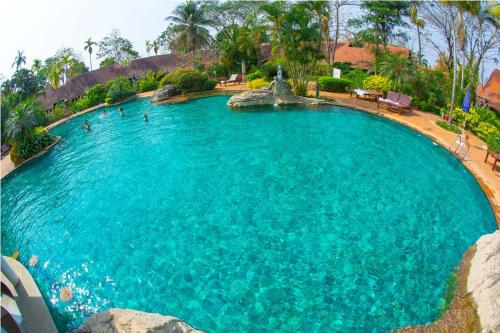
Golden Pine Resort

PG Ryoichi Hotel

Amaz Bed & Cafe

เชียงรายฟิวชั่น

Colorful Pool Villa, Chiang Rai, Thailand

Bambuh Boutique Homestay
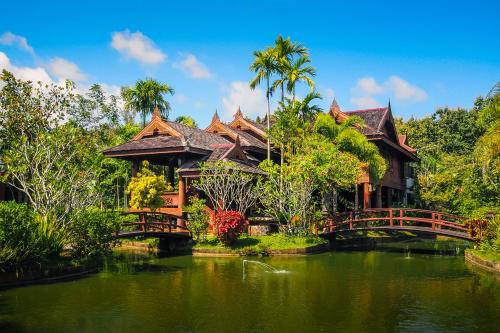
Rommai Villa Chiang Rai

B2 Chiang Rai Resort Boutique & Budget Hotel
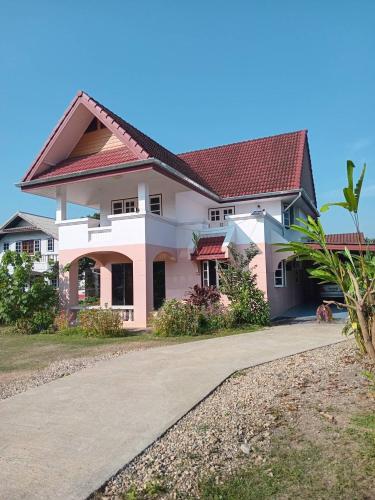
Nadee House
Live rates across our partner network (Booking.com, VRBO, Expedia, Hotels.com) via Stay22. Makutet may earn a commission when you book — at no extra cost to you. Prices update in real time and may vary before booking.
When to come
Planning your Chiang Rai trip
There is no bad time to visit — only cheaper and cooler.
November–February
Curiosity becomes a plan. These are the experiences that turn a wish list into a date in your calendar. There is no bad time to visit — only cooler and busier windows. Time your mornings for Doi Tung gardens, because the alpine sun is brittle and the floral scents sharpen in cold air; take late afternoons at the night bazaar, because the food stalls warm the lanes and the khao soi tastes different after dark. Pack a jacket, because mountain evenings bite; pack curiosity, because every alley returns another story.
March–May
There is comfort in choice; pick what suits your trip. Expect heat and dry hills, and plan outdoor treks early, because afternoon temperatures climb quickly, and the highland light is best before noon. Sip tea in shaded gardens, because oolong and green carry the hills’ cooling aromatics; pause in temple courtyards for the gong and for shade, because those moments reset a day’s heat. Carry sunscreen and a refillable bottle, because clear days make long views and parched throats.
June–October
There is no bad time to visit — only different weather to welcome. Embrace monsoon green, and bring a light rain shell, because mountain storms arrive suddenly and the trails turn sweeter after rain; favour lower-elevation walks when rivers run high, because the Kok and Ruak respond fast to storms. Enjoy tea terraces in their wet season sheen, because the foliage smells deeper and the soil gives up new aromas.
What else do I need for my trip?
Everything else for your trip

Flights to Chiang Rai
Find the best flights to Chiang Rai.
Explore
Accommodation in Chiang Rai
Discover the best hotels and resorts in Chiang Rai.
Explore
Airport Transfers
Arrange transport between Chiang Rai Airport and your accommodation.
Explore
Car Hire
Explore Chiang Rai and surrounding regions with a rental vehicle.
Explore
Travel Insurance
Protect your trip before travelling to Thailand.
Explore
eSIM & Connectivity
Stay connected throughout your visit to Chiang Rai.
ExploreWhat do I need before travelling?
What you need before you go
Budget in Chiang Rai
- ·Chiang Rai is highly affordable; budget travellers can manage on 800-1,200 THB per day. Entrance fees for major sites include 50-100 THB for the White Temple and 80 THB for the Black House. Local meals at the Night Bazaar are among the cheapest in Thailand, often costing less than 100 THB per person. Carry small bills for markets and local transport in Thailand.
Getting around Chiang Rai
- ·Internal travel is served by Grab, tuk-tuks (60-100 THB for city trips), and songthaews. Motorbike rentals average 200 THB per day. Note that the city has two bus terminals: Terminal 1 in the center for local routes and Terminal 2 located 7km south for intercity travel, connected by a 15-20 THB shuttle bus. Chiang Rai is served by Mae Fah Luang–Chiang Rai International Airport (CEI).
Safety in Chiang Rai
- ·Chiang Rai is generally safe for tourists, though road safety is a concern; travellers are advised to be cautious when renting motorbikes. Standard emergency numbers include 1155 for the Tourist Police and 1669 for medical emergencies. The city is much quieter than Bangkok, but standard precautions against petty theft in crowded markets apply. Keep emergency numbers and your accommodation address handy.
Connectivity in Chiang Rai
- ·High-speed 4G/5G connectivity is provided by major Thai carriers AIS, DTAC, and TrueMove H. SIM cards and eSIMs are available at Mae Fah Luang Airport and local convenience stores. Reliable WiFi is standard in most city-center guesthouses and cafes, which is essential for using the Grab transport app. The timezone in Chiang Rai is ICT (UTC+7).
Weather & when to visit Chiang Rai
- ·The best time to visit is the cool season from November to February. The hot season lasts from March to July, followed by the monsoon season from July to October. September is typically the wettest month with heavy daily downpours, while the winter months offer dry, pleasant temperatures suitable for temple tours.
Arrival & airport transfer in Chiang Rai
- ·From Mae Fah Luang Airport (CEI), the CR Bus is the cheapest option at 20 THB, running every 20-40 minutes to the city center. Metered taxis cost approximately 120-200 THB, while fixed-price airport taxis are roughly double that. Grab rideshare is widely available and typically costs around 200 THB for the 25-minute trip to downtown.
Good to Know
Chiang Rai FAQs
Final inspiration
Go and see for yourself
What will stay with me after I go?
You will leave carrying small sensory talismans: the peppered warmth of khao soi at a roadside stall, the tea-sweet breath of Doi Mae Salong in your cup, the hollow echo under Wat Rong Suea Ten’s colonnade. Three short returns make the memory: a photograph of a white façade, a recorded clack of a longtail on the Kok, a handful of roasted tea leaves in your pocket. These are not souvenirs but mnemonics, each one calling the next visit before you have unpacked.
Come hungry, come curious, come ready to fall for it.
See It Through A Creator's Eyes
Want to discover Chiang Rai through people who have actually experienced it?
Explore Chiang Rai through the stories, photos, and perspectives of travel creators who have been there.
Find Creators Who Have Been to Chiang Rai