
Chiang Mai
Ancient temples, jungle trekking, and lantern festivals
What makes this place famous?
Images that explain Chiang Mai
Photography first. Words second.

Wat Phra Singh Woramahawihan
Housing the famous Phra Singh Buddha image, this temple is a premier example of classic Lanna architecture with its exquisite wood carvings and murals.

Tha Phae Gate
The main entrance to the historic Old City, this restored red-brick gate serves as the focal point for festivals and the start of the Sunday Walking Street.

Wat Chedi Luang
The ruins of a massive 15th-century pagoda that once housed the Emerald Buddha, still dominating the Old City skyline with its impressive stone elephants.

Doi Inthanon National Park
Known as 'The Roof of Thailand,' this park features the country's highest peak, twin royal stupas, and stunning waterfalls amidst a cool mountain climate.
Introduction
Chiang Mai, at a glance
Why should I come?
Chiang Mai arrives at first like a set of invitations: a market stall, a temple stair, a riverside bench — three days to taste it, a week to know its neighborhoods, a month to learn a household name. The city was built to be walked and listened to: the sound of morning monks chanting at Wat Phra Singh, the sizzle and coconut perfume of khao soi on a street corner, the cool of a teak doorway pressed to your palm. Its scale is human; its appetite is abundant. You can move from a craft studio where silver is hammered to a hillside pagoda where wind and prayer meet, and each shift changes the way the place opens to you.
A single lantern.
Why should I come?
Why visit Chiang Mai?
Travelers visit to experience the serene atmosphere of ancient wats, participate in ethical wildlife tourism, explore lush jungle landscapes, and enjoy world-renowned Northern Thai cuisine.
Country
Thailand
Currency
Thai Baht
Language
Thai
Airport
Chiang Mai International Airport (CNX)
Time Zone
ICT (UTC+07:00)
Best Time
November - February
What shouldn’t I miss?
Chiang Mai's must-see sights

Wat Umong Suan Phutthatham
A unique 700-year-old forest monastery featuring ancient brick tunnels decorated with murals and a serene lake surrounded by woodland.
View Details
Bua Tong Sticky Waterfalls
A natural wonder where calcium deposits allow visitors to climb directly up the waterfall rocks without slipping, located in a scenic forest park.
View Details
Chiang Mai Night Safari
A nocturnal zoological park where visitors can take open-air tram rides to observe lions, giraffes, and zebras in themed zones under the moonlight.
View Details
Royal Park Rajapruek
A vast botanical garden featuring the Ho Kham Luang royal pavilion, diverse floral displays, and international themed gardens commemorating King Rama IX.
View DetailsDid You Know?
A city of small surprises
The facts that change the way you see it.
What do locals know?
Chiang Mai was founded in 1296 by King Mengrai as the capital of the Lanna Kingdom, and the old walled city with its moat still traces that medieval grid; the layout survives not as an antique museum piece but as a living neighbourhood of markets, schools and temples. A northern capital, still speaking its own history.
What makes this place luminous?
Each autumn the city stages Yi Peng alongside Loi Krathong, when thousands of paper lanterns rise from rooftops and the Ping River is dotted with floating offerings; the paired ceremonies blend Buddhist practice with local custom into a sky-time of light. A sky rewritten by light.
What experiences can I book?
Keep exploring Chiang Mai
Tap an attraction to open Makutet Experiences, filtered for Chiang Mai.
What do locals know?
Practical insight from people who've lived it
Khao Soi Curry Noodles
Chiang Mai's signature dish consisting of soft egg noodles in a rich coconut curry broth, topped with crispy noodles, lime, shallots, and pickled greens.
Jing Jai Market
A charming weekend market focused on organic produce, artisan handicrafts, and high-quality local coffee in a beautifully landscaped outdoor setting.
Wat Ket Neighbourhood
A historic riverside community known for its multicultural heritage, featuring a mix of traditional wooden houses, Chinese shrines, and art galleries.
Wat Sri Suphan Silver Temple
A breathtaking shrine completely covered in ornate silver and aluminum hand-crafted details, reflecting the city's ancient silversmithing traditions.
Old City Morning Loop
Before Chiang Mai wakes, drift through the Old City on a morning loop where vendors flip khao soi, incense curls at tiny wats and coffee steam mixes with jasmine-scented air. Start before sunrise, to catch quiet lanes, monks' alms and the city’s gentle rhythm.
Warorot Market Alleyways (Kad Luang)
Warorot’s alleyways are a sensory manuscript: the fragrance of dried herbs and galangal, the clink of brassware and the squawk of bargaining in Northern Thai. Wander past the covered stalls, as vendors call prices, to discover sticky mango, bargain textiles and the market’s authentic street food pulse.
Huay Kaew Coffee & Waterfall Stretch
A short run from Nimman, Huay Kaew’s corridor stitches together laid‑back cafés, graffiti-splashed lanes and a cooling stream where waterfall spray perfumes the air. Take a songthaew, because it navigates the steep turns and lets you hop between specialty coffee spots and shaded nature nooks.
Doi Suthep Ridge: Off‑Temple Sunset Spot
Instead of the temple plaza, follow the lesser ridge track for a quieter sunset: pine-scented mist curls across rice terraces and distant chants thread through the air like a lullaby. Time your walk for late afternoon, so haze and golden light combine into a cinematic panorama with a cool mountain breeze.
The story of Chiang Mai
How Chiang Mai came to be
What is its story?
Chiang Mai's bones are Lanna: built by King Mengrai at the end of the 13th century, the city was planned with a square moat and walls that marked a political and spiritual centre. Over centuries those bricks watched trade routes and armies, craftsmen and priests. Courtyards smelled of incense and teak sawdust; temple bells measured festivals and harvests; markets exchanged silver, indigo cloth and stories. The architecture—chedis, viharns, and the carved lintels at Wat Chedi Luang—tells of a polity that spoke with its buildings, three centuries of expansion, three dynasties of craft, three generations of guardians.
The city then weathered Burmese rule, periods of autonomy, and integration into the Siamese state; artisans adapted, guilds shifted, and new migrants added dialects and recipes to the kitchens. Earthquakes and restorations rearranged skylines—the Chedi at Wat Chedi Luang was once taller and now stands arrested, its blocks reminding visitors that time moved differently here—and monasteries continued to teach, to copy manuscripts, to embroider ritual cloth. You can still smell lacquer and cassia in old workshops, feel the worn brick of stairways under your palms, hear chanting threading afternoons and nights.
But climb Doi Suthep at dawn, or walk the moat at dusk, and the old quarter remains a living room of the north; lanterns.
Where should I stay?
Where to stay in Chiang Mai
Curated stays chosen to suit every kind of traveller.

Rachamankha
History buffs · quiet romantics · photographers
Pick the one that suits your trip; the rest is logistics. Timeless, low-lit courtyards skirted by white-walled rooms — Rachamankha is Old City quiet translated into a boutique hotel ideal for slow mornings. You’ll hear the distant toll of Old City temple bells and smell incense drifting on the air as you sip tea in the shaded verandah; with so many small courtyards to choose from, you can always find one that feels like yours.
Check availability
Anantara Chiang Mai Resort
Riverside lovers · honeymooners · spa seekers
A riverside refuge with leafy gardens and long, lazy pools — Anantara leans into spacious calm on the Ping River. Let the cool Ping River breeze carry the lemongrass and grilled-sai ua aromas from nearby markets while you unwind in a spa pavilion; there are plenty of river-facing terraces, so you won’t struggle to find a perfect seat for sunset.
Check availability
U Nimman Chiang Mai
Millennial explorers · foodies · nightlife seekers
Modern, design-forward rooms steps from Nimmanhaemin Road’s cafés and boutiques — U Nimman is the energetic, stylish choice for city explorers. Mornings bring the aroma of freshly ground coffee and toasted pastries from nearby cafés while evenings hum with creative-food stalls; with so many independent bars and eateries around, you can sample a different scene each night.
Check availability
Veranda High Resort Chiang Mai
Trek-ready · nature lovers · families
Perched nearer the foothills, Veranda High offers timbered villas and mountain views for travelers who want forest mornings and big-sky evenings. The Doi Suthep air carries humid earth and orchid-scented breath at first light, perfect for packing in a short trek; with multiple scenic trails and shaded terraces on-site, there’s always a quiet corner for every member of the group.
Check availabilityWhere should I stay?
Founder's recommended stays in Chiang Mai
Where the Makutet founder stayed in person — and would stay again.
 Founder 3.6
VibeCNX
Chiang Mai, Thailand
A practical and reliable base for long-distance cyclists exploring Chiang Mai.
Why this destination?
Why Chiang Mai, and not somewhere else
What shouldn't I miss?
Start before sunlight: walk the old city’s perimeter as vendors set up, the sound of metal trays and friendly barters rising with the dawn, the air carrying grilled pork (sai ua) and coffee. Move into a morning at Wat Phra That Doi Suthep where cool mountain air presses against your cheeks and prayer flags whisper; spend an afternoon at an artisan workshop, where silversmiths hammer rhythm into filigree and weavers shuttle stories into cloth. Three mornings, three workshops, three dinners: market breakfasts, studio afternoons, riverside suppers.
Allow an afternoon for art that explains the place: visit a small museum of Lanna objects, sit with a guide in a wooden sala, listen to the cadence of northern Thai speech as it traces place names. Ride a red songthaew out of town, feel the kinetic jolt of hills giving way to rice terraces, and eat where locals line up; a bowl of khao soi here is not just food but a map of migration, trade and Burmese influence. Morning light, market noise, and lantern-lit nights make separate registers of the same city.
Conclude with a single night that gathers what came before: a lantern release at Yi Peng or a quiet riverside walk after a festival, the smell of jasmine and incense thick in your clothes, the sound of distant drums folding into the flow of the Ping River. After that night you will measure its tenderness against other cities; let that measure rise.
Become the place you measure every other city against.
Can I book somewhere to stay?
Where to stay in Chiang Mai
Live rates across Booking.com, Agoda, VRBO and Hotels.com — compare in one search, no extra cost to you.
Popular destinations

提供免费汽车使用的含泳池被墅房间

Kin Bed Chiang Mai

10 Bedrooms Quiet Oasis Pool Villa near City

Near Central Festival- 5mims Walk- Infinity Pool & Comfort Room@The One Chiang Mai Condo

Separate 2 Bedroom house with swimming pool
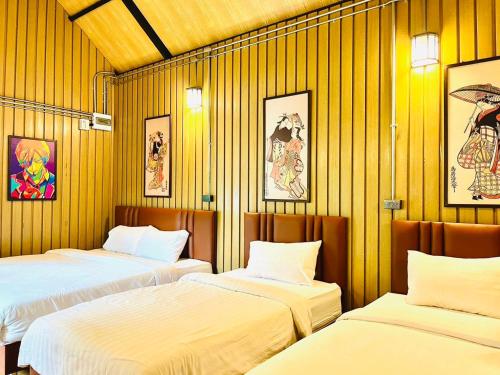
The Lofthouse Sansai
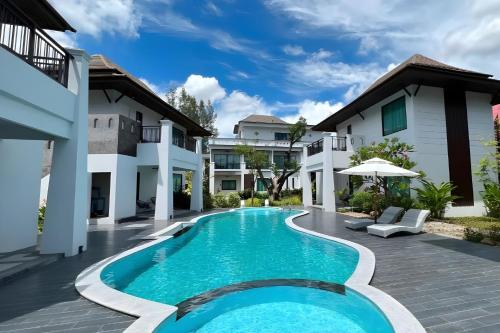
Na Napa Wellness Spa & Resort

THE ONE CHIANG MAI STUDIO - Luxe Pool Cozy Stay
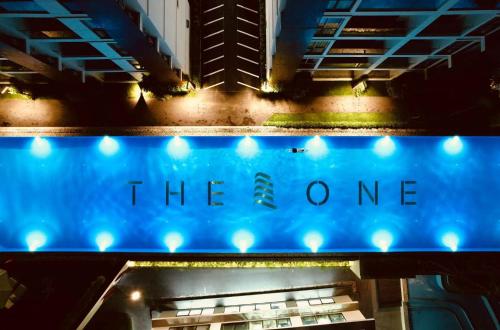
3 Min Walk to Central Festival, Infinity Pool, 1 bedroom 1 bathroom
Live rates across our partner network (Booking.com, VRBO, Expedia, Hotels.com) via Stay22. Makutet may earn a commission when you book — at no extra cost to you. Prices update in real time and may vary before booking.
When to come
Planning your Chiang Mai trip
There is no bad time to visit — only cheaper and cooler.
November–February
Curiosity becomes a plan. There is no bad time to visit — only clearer skies and crisp mornings in November through February. Bring layers, because mornings on Doi Suthep turn brisk; carry a light scarf, because temple courtyards keep an early chill; sample street noodles at dusk, because the northern broths deepen with cool air. Expect lively festivals and comfortable walks, and bring a flexible mood.
March–May
There is no bad time to visit — only hotter afternoons and dry air from March through May. Plan dawn markets, because afternoons favor shaded cafes; sip nam manao, because chilled lime brightens heavy humidity; time temple visits for early light, because midday sun flattens relief. Pace your days, and carry patience as much as sunscreen.
June–October
There is no bad time to visit — only greener hills and sudden tropical downpours from June to October. Carry a light rain shell, because storms arrive fast; leave some plans loose, because rivers and rural tracks change with the monsoon; take a cooking class on a wet afternoon, because markets smell richest after rain. Embrace wet streets and warm kitchens, and bring a flexible mood.
What else do I need for my trip?
Everything else for your trip

Flights to Chiang Mai
Find the best flights to Chiang Mai.
Explore
Accommodation in Chiang Mai
Discover the best hotels and resorts in Chiang Mai.
Explore
Airport Transfers
Arrange transport between Chiang Mai Airport and your accommodation.
Explore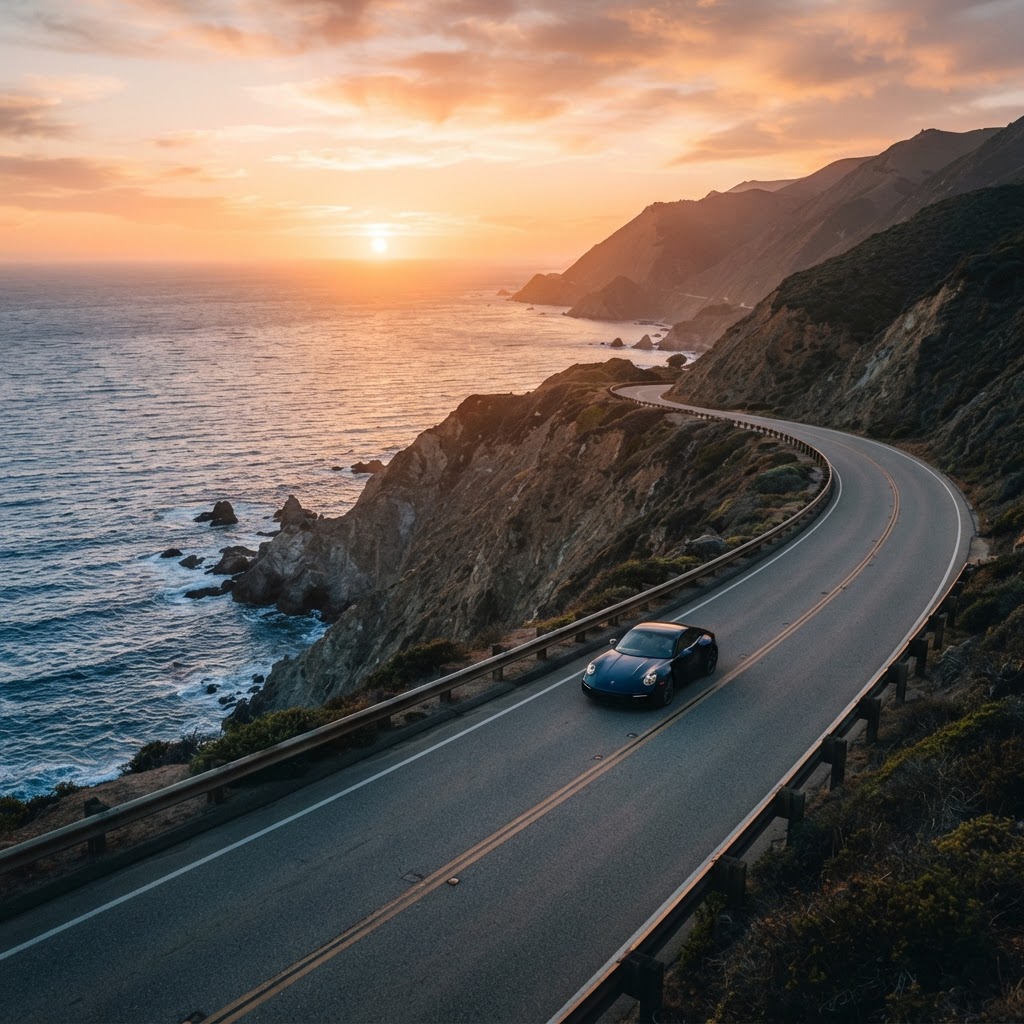
Car Hire
Explore Chiang Mai and surrounding regions with a rental vehicle.
Explore
Travel Insurance
Protect your trip before travelling to Thailand.
Explore
eSIM & Connectivity
Stay connected throughout your visit to Chiang Mai.
ExploreWhat do I need before travelling?
What you need before you go
Budget in Chiang Mai
- ·Budget travelers can manage on 800-1,200 THB/day using hostels and street food. Mid-range travelers typically spend 2,500-4,000 THB/day for boutique hotels and sit-down meals. Luxury travelers should budget 6,000+ THB/day for high-end resorts and private tours. Street food meals average 50-80 THB, while a local beer (Chang/Leo) in a bar costs roughly 80-120 THB. Carry small bills for markets and local transport in Thailand.
Getting around Chiang Mai
- ·Primary transit includes 'Songthaews' (red trucks) which charge a flat 30 THB per person for standard routes or negotiated prices for charters. Tuk-tuks are common for short trips (negotiate 60-150 THB). Grab and Bolt are widely available for transparently priced car/bike hailing. Walking is ideal within the 1.5km square Old City, while motorbikes can be rented for 200-300 THB/day. Chiang Mai is served by Chiang Mai International Airport (CNX).
Safety in Chiang Mai
- ·Chiang Mai is generally very safe, but travelers should be wary of motorbike bag-snatching (rare) and road accidents. During the 'burning season' (Feb-April), PM 2.5 levels can become hazardous, requiring N95 masks. Always follow the strict lèse-majesté laws regarding the monarchy. Use reputable rental agencies for motorbikes to avoid common 'scuff' scams and always wear a helmet. Keep emergency numbers and your accommodation address handy.
Connectivity in Chiang Mai
- ·AIS, DTAC, and TrueMove H are the major providers. Prepaid SIM cards are available at CNX airport arrivals for approx. 300-600 THB for 8-30 days of data. eSIMs through providers like Airalo or Holafly work well. High-speed WiFi is ubiquitous in Chiang Mai's numerous 'digital nomad' cafes and most guesthouses provide reliable free fiber-optic internet. The timezone in Chiang Mai is ICT (UTC+07:00).
Weather & when to visit Chiang Mai
- ·The best time to visit is the cool season (November to February) with temperatures between 15°C and 30°C. The hot season (March to May) frequently exceeds 35°C and coincides with the 'smoky season' due to agricultural burning. The rainy season (June to October) features heavy but brief afternoon downpours and high humidity; pack light cotton and a rain shell.
Arrival & airport transfer in Chiang Mai
- ·Chiang Mai International Airport (CNX) is only 4km from the city center. Options include fixed-fare airport taxis (approx. 150-200 THB to the Old City), rideshare apps like Grab or Bolt (roughly 100-150 THB), and the RTC Smart Bus R3 which circles the Old City and Nimman area for a flat fee of 50 THB, taking 20-40 minutes depending on traffic.
Good to Know
Chiang Mai FAQs
Final inspiration
Go and see for yourself
Where should I let it linger?
Chiang Mai gives itself by increments: a softened afternoon in a temple, an evening wandering Nimman’s craft shops, a morning beneath orchid and teak at an outskirts garden; these small returns compound. Hear the temple bells in the valley, taste cumin and coconut in a bowl of khao soi, and watch a river-side dusk settle in layers of humidity and jasmine. Stay three days for markets, a week for neighborhoods, a month for households: the city rewards repeat attention and patient curiosity.
Why should you come?
See It Through A Creator's Eyes
Want to discover Chiang Mai through people who have actually experienced it?
Explore Chiang Mai through the stories, photos, and perspectives of travel creators who have been there.
Find Creators Who Have Been to Chiang Mai