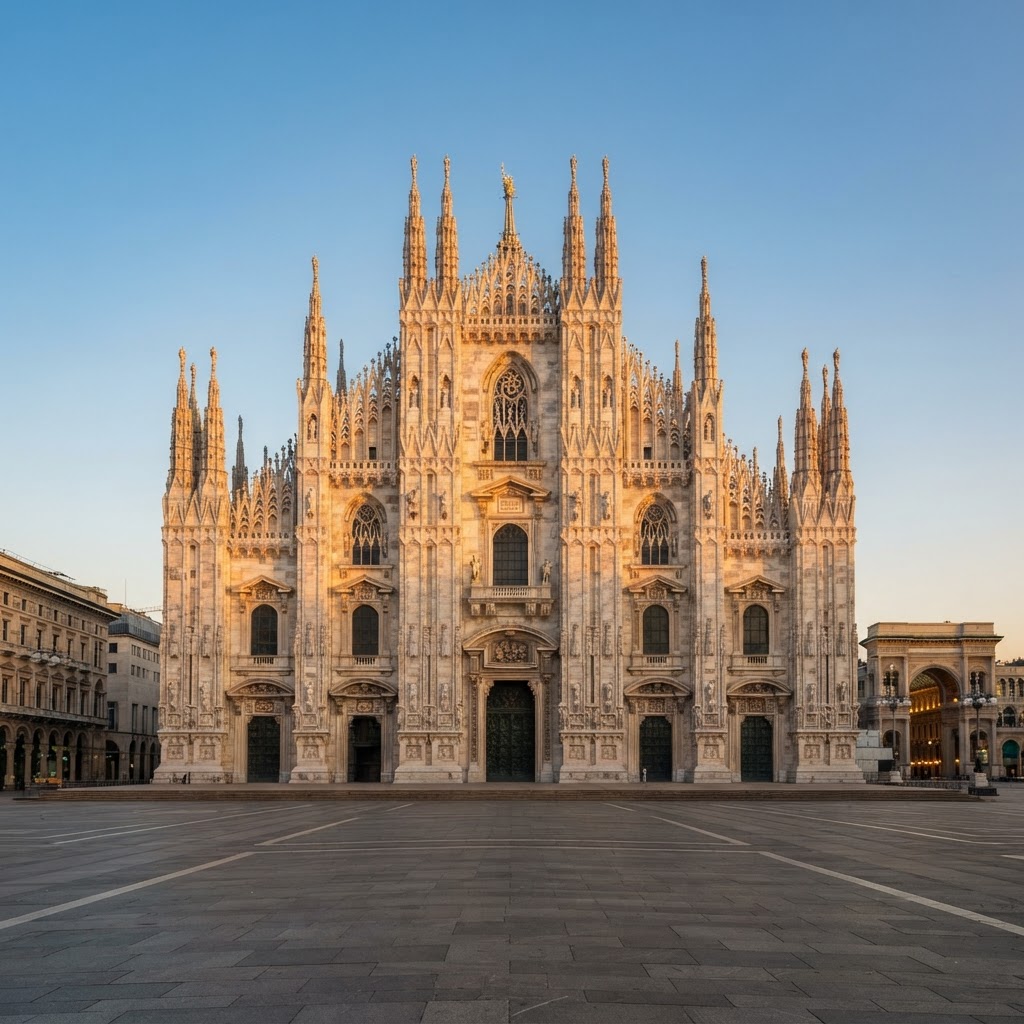
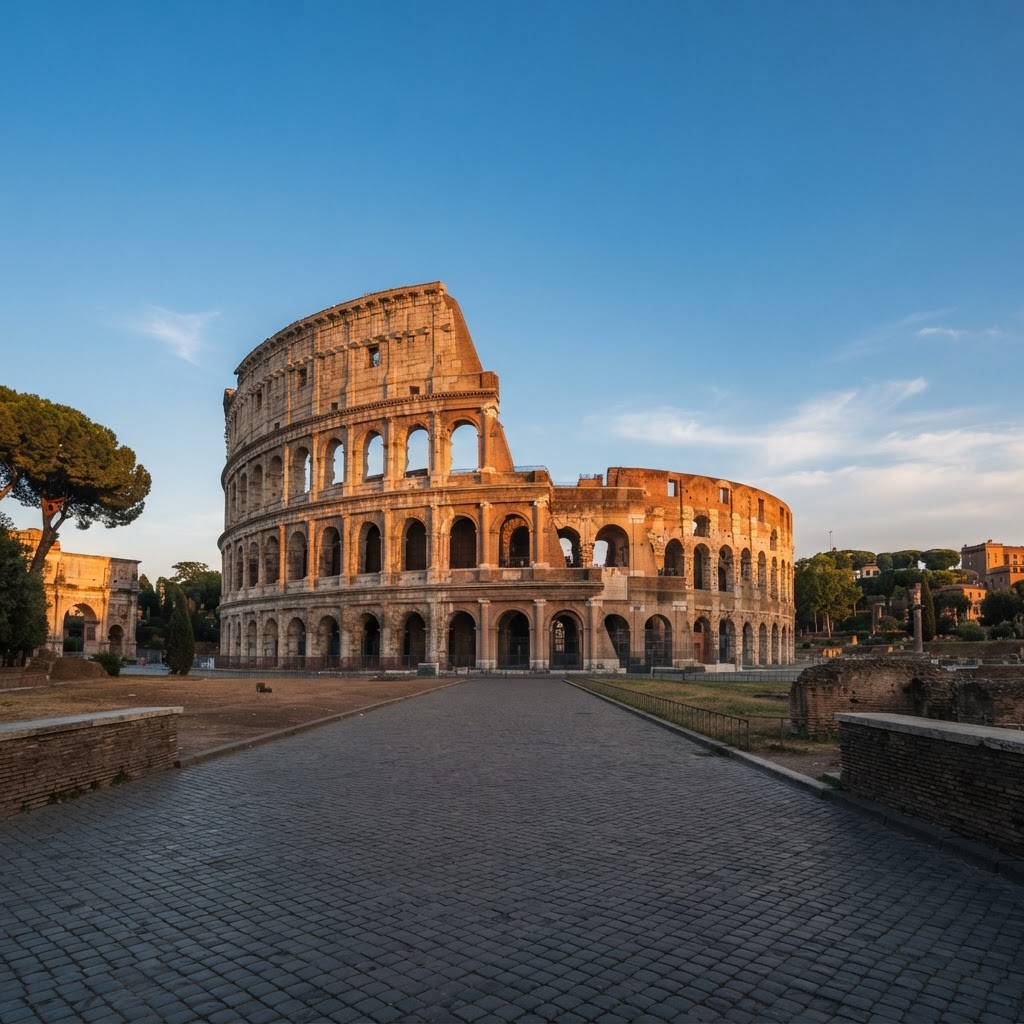
urban
Rome
The capital city of Italy, known for its extensive collection of ancient ruins, classical architecture, and the Vatican City.

europe
Italy’s peninsula runs from the Alps into the central Mediterranean, with Sicily and Sardinia extending its reach across the sea. Its regions hold distinct landscapes and histories, from northern mountains and lakes to the cities and coasts of the south.
The country
The country
Italy is a peninsular country in Southern Europe, extending into the central Mediterranean. The Alps form its northern boundary; farther south, the boot-shaped mainland leads towards Sicily and Sardinia. Rome, Venice and Florence are among its signature places, but the country’s character also rests in the contrasts between Northern, Central and Southern Italy, and in the varied landscapes that connect them.
Why visit
Italy rewards attention to distance and difference. Its boot-shaped mainland is not a single landscape: the Alps define the northern edge, while the peninsula reaches south into the central Mediterranean, with Sicily and Sardinia adding an island dimension. A journey from Northern Italy through Central Italy towards Southern Italy is therefore a passage through changing terrain and regional character, not simply a sequence of famous cities. Tuscany and Lombardy offer further ways to understand how broad regional identities sit alongside the larger north-to-south frame. The country’s signature places make that variety tangible. Rome, Venice and Florence are not interchangeable city experiences; each gives a different point of entry into Italy’s built and cultural inheritance. The Colosseum concentrates attention on the scale of the past, while the Amalfi Coast, Cinque Terre, Lake Como and the Dolomites draw the traveller towards coast, water and mountains. Their presence in one country makes it possible to shape a trip around contrasts: urban days balanced with landscapes, or a mainland route extended to the islands. Italy suits a traveller willing to leave room for these transitions. Rather than attempting to treat every region as one, choose a clear geographic thread, allow time to move between it and its surroundings, and let the differences between north, centre, south and island become the substance of the journey.
What it feels like
In Italy, the atmosphere shifts with the terrain: Alpine edges and lakes in the north, the historic density of Rome and Florence in the centre, and the Mediterranean-facing south. Venice gives the journey a distinctive urban setting, while the Amalfi Coast and Cinque Terre bring the coast into view. Across these landscapes, food and daily life are part of the cultural encounter, not separate from it.
Who it suits
Italy suits travellers drawn to cultural history, regional differences and varied scenery, especially those content to focus on one part of the country at a time. It works for city-based visits to Rome, Venice or Florence, as well as journeys that pair a mainland region with the Dolomites, Lake Como, the Amalfi Coast, Cinque Terre, Sicily or Sardinia.
How to get here
Live fares into Italy across hundreds of airlines, compared in one search. Book directly with the airline or agent — Makutet never adds a fee.
Live fares to Italy across hundreds of airlines. Book directly with the airline or agent — no extra cost to you.
Embedded flight search uses TravelPayouts cookies and tracking. Enable partner search to load it here, or continue directly on the partner site.
The external partner link includes Makutet's affiliate marker; confirm your route, dates and passengers there. No booking is made on Makutet.
Live search and booking run on the TravelPayouts partner engine. Fares update in real time and may vary before booking. Any prices shown elsewhere on Makutet are monitored observations, not live quotes.
Identity
The places that define the country rather than merely sit inside it.
urban
The capital city of Italy, known for its extensive collection of ancient ruins, classical architecture, and the Vatican City.

urban
A historic city built on a group of small islands in a lagoon, famous for its canal network and maritime history.

culture
The capital city of Tuscany, recognized as the birthplace of the Renaissance and home to significant art collections.

history
An ancient elliptical amphitheatre located in the center of Rome, constructed during the Flavian dynasty.
Imagery


Discover

nature
A stretch of coastline along the southern edge of the Sorrentine Peninsula, featuring steep cliffs and coastal towns.

nature
A mountain range located in northeastern Italy, forming part of the Southern Limestone Alps.

landscape
A deep glacial lake located in Lombardy, known for its deep basin and proximity to the foothills of the Alps.

nature
A coastal area in Liguria consisting of five centuries-old seaside villages carved into the rugged landscape.

signature_destination
venice-italy — a qualifying Italy destination (validation status passed, published, score 99).
Stay
The bases that actually change the trip.

City accommodation
Choose accommodation in Rome if you want to begin city walks without a long daily approach. Arrive by rail or road and use local public transport for longer hops; spring and autumn make walking between sights more comfortable. Centrality saves travel time but leaves less separation from busy streets.
first-time visitors · culture-focused travellers

Island-city accommodation
Staying in Venice means reaching accommodation on foot or by boat from your arrival point, with luggage and bridges affecting the final approach. Reserve ahead for spring and early autumn, and allow extra time for moving between the island city and mainland connections; this is a car-free base in practice.
couples · slow travellers

Countryside accommodation
A countryside base in Tuscany offers a slower start to the day but usually requires a planned road or transfer connection from the arrival hub. Spring and autumn suit touring between rural accommodation and towns; without a car, check transfers and local transport before booking rather than assuming frequent connections.
road travellers · food and landscape enthusiasts

Mountain accommodation
Choose accommodation in the Dolomites to spend less time reaching walking routes, but confirm the final transfer and seasonal services before arrival. Summer is best suited to hiking; outside the main walking season, access and available transport can be more limited, so arrange the journey and activity together.
hikers · nature-focused travellers
Where to stay
Live rates across Booking.com, Agoda, VRBO and Expedia for Italy. Compare the areas above, then check what a night actually costs.
Popular destinations
Live rates across Booking.com, Agoda, VRBO and Expedia for Italy — no extra cost to you.


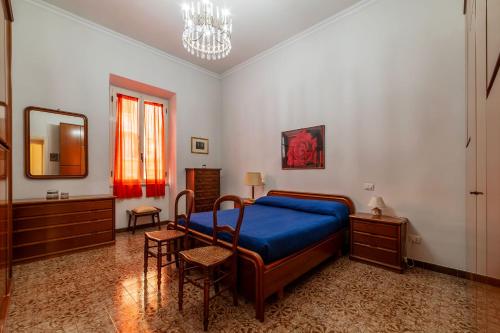


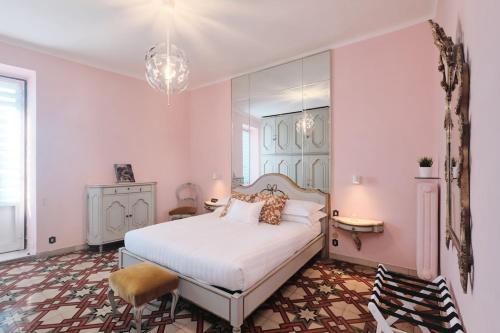
Live rates across our partner network (Booking.com, VRBO, Expedia, Hotels.com) via Stay22. Makutet may earn a commission when you book — at no extra cost to you. Prices update in real time and may vary before booking.
Experience

Guided cultural day
Start in Rome for a full-day, guide-led walk between the Colosseum and the city’s other historic sites. Reserve the guide and any timed entry well ahead; spring and autumn are more comfortable for extended walking than midsummer.
history-minded travellers · first-time visitors

City and boat tour
Use Venice as the starting point for a half-day guided itinerary combining a walk through its lanes with a reserved boat excursion on the surrounding waterways. Book the guide and boat in advance, particularly for spring and early autumn visits.
couples · photographers

Guided outdoor activity
Arrange a guided full-day mountain walk in the Dolomites, choosing a route and pace to match the group rather than setting out without local advice. Confirm the guide, transport to the trailhead and seasonal operating conditions before arrival; summer is the practical walking season.
active travellers · mountain walkers

Coastal walking
Plan a guided day on foot from a village base in Cinque Terre, checking trail access and arranging the guide and any required local transport ahead of time. Spring and early autumn suit walking better than the heat of high summer; allow a full day for the route and connections.
active travellers · coastal photographers
Things to do
What Makutet's Italy research recommends, and where the tours that cover it can actually be booked.
Editorial recommendations from Makutet's Italy research. Tickets and tours are searched on GetYourGuide.
A guided day through Rome
Start in Rome for a full-day, guide-led walk between the Colosseum and the city’s other historic sites. Reserve the guide and any timed entry well ahead; spring and autumn are more comfortable for extended walking than midsummer.
Venice by water and on foot
Use Venice as the starting point for a half-day guided itinerary combining a walk through its lanes with a reserved boat excursion on the surrounding waterways. Book the guide and boat in advance, particularly for spring and early autumn visits.
A walking day in the Dolomites
Arrange a guided full-day mountain walk in the Dolomites, choosing a route and pace to match the group rather than setting out without local advice. Confirm the guide, transport to the trailhead and seasonal operating conditions before arrival; summer is the practical walking season.
A coastal walking day in Cinque Terre
Plan a guided day on foot from a village base in Cinque Terre, checking trail access and arranging the guide and any required local transport ahead of time. Spring and early autumn suit walking better than the heat of high summer; allow a full day for the route and connections.
Amalfi Coast
A stretch of coastline along the southern edge of the Sorrentine Peninsula, featuring steep cliffs and coastal towns.
Dolomites
A mountain range located in northeastern Italy, forming part of the Southern Limestone Alps.
Activity cards are editorial — Makutet is not selling these specific experiences. The partner search opens GetYourGuide for Italy, where availability and price are theirs.
Understand
The context that turns a visit into an understanding.

macro_region
This region encompasses the Po River valley and is bordered to the north by the main chain of the Alps.

macro_region
Located between the Apennine Mountains and the Tyrrhenian and Adriatic seas, this area holds the historical capital.

macro_region
The southern portion of the peninsula, characterized by a warmer Mediterranean climate and rugged coastal topography.

sub_region
A region in Central Italy known for its rolling hills, diverse agricultural landscape, and historical urban centers.

sub_region
A significant region in Northern Italy that includes part of the Alpine range and the productive Po River plains.

Food culture
Treat food as regional rather than as one national menu: a meal in Rome, Tuscany or Venice reflects different local traditions. Ask what is made locally and let the place you are visiting guide the order.

Coffee custom
In Italy, coffee is often taken standing at a counter rather than as a long café stop. Notice whether prices differ for table service, and follow the rhythm of the local bar when ordering.

Drinking tradition
Aperitivo is an early-evening drink-and-snack custom, particularly associated with social time before dinner. It is a useful way to pause after a day on foot in cities such as Rome or Venice without treating it as a substitute for a meal.

Urban character
Venice’s lanes and waterways make ordinary journeys part of the visit: walking routes, boat connections and luggage handling all matter. Allow time between accommodation and appointments, and plan around the fact that movement is not organised like a road-based city.
When to go
April–June
Spring to early summer
A favourable period for a broad regional itinerary.
July–August
High summer
A warmer, more demanding time to travel.
September–October
Early autumn
A favourable window for regional travel.
Practical
Money, transport, connectivity and the details that matter on the ground.
Budget
Italy uses the euro. Cards are widely used, but keep some cash for small purchases and situations where card payment is not available; check before relying on a card for every transaction. Accommodation, restaurant meals and transport can take a larger share of spending in major visitor centres such as Rome and Venice, while coastal and mountain stays also involve transfer costs. July and August are peak travel months, and popular areas tend to be more expensive than quieter periods.
Transport
Rail is useful for connecting major cities, while a car can make rural Tuscany and parts of the Dolomites easier to reach. In Rome and Venice, plan around local urban transport and walking rather than expecting to drive to every sight; Venice’s waterways are part of its transport network. Italy drives on the right. Book long-distance travel and transfers ahead when your itinerary depends on a fixed connection, especially in summer.
Safety
Use ordinary city precautions in crowded areas of Rome and Venice, keeping valuables secure and checking belongings on busy transport. The emergency number is 112. Tap water is generally safe to drink; tipping is not obligatory, though rounding up or leaving a modest amount for good service is customary in some settings. Keep a record of accommodation and onward transport details for travel between the mainland and islands.
Connectivity
Italy uses Type C, F and L plugs, so check that your charger fits or bring a suitable adaptor. Mobile coverage is generally good in cities and along main routes, but signal can weaken in mountainous parts of the Dolomites and in remote rural areas. Download maps and transport details before leaving reliable coverage, particularly when travelling between Tuscany’s countryside and urban bases.
Seasonal weather
Italy has hot summers and generally mild, wetter winters, with conditions varying between the Alps, the peninsula and the islands. April to June and September to October are the more comfortable shoulder-season windows for city walking and touring; July and August bring greater heat, especially in Rome and Southern Italy. Mountain weather in the Dolomites can change quickly, so check local conditions before setting out.
Accessibility and mobility
Expect uneven pavements, steps and historic buildings with limited step-free access in many Italian towns and city centres. Rome’s distances and crowds can be tiring; Venice adds bridges and frequent changes of level, making wheelchair and pushchair routes demanding. The Dolomites and coastal terrain in Cinque Terre also involve slopes and uneven paths. Confirm step-free access, lifts, room layout and station transfers directly with accommodation and transport providers; newer accommodation is more likely to offer accessible facilities than older historic stock.
Getting around
Airport transfers, rail, buses, ferries and car hire for Italy — arranged before you fly, priced by the supplier.
Stay connected
Install an eSIM before you fly and you are online the moment you land in Italy — no roaming charges, no shop queue at the airport.
Moments
Italy is best understood through its contrasts and connections. The Alps shape the north; the peninsula carries the journey south; Sicily and Sardinia sit beyond the mainland. Cities such as Rome, Venice and Florence hold distinct historical identities, while landscapes including the Dolomites, Lake Como, Cinque Terre and the Amalfi Coast reveal how geography continually changes the terms of travel.
The signature moment
In Florence, let the day ease towards evening before choosing a place to pause within the city. The light softens across the old streets and façades; footsteps and conversation pass close by, and the air carries the mingled warmth of stone and food from nearby tables. Take time over a simple meal, noticing how the city’s celebrated past is not sealed behind a monument but sits beside ordinary movement and daily life. The moment is neither a checklist nor a grand view: it is the feeling of being among layers of history while the present continues around you. From Florence, the thought widens naturally. Italy is held together by places that are deeply themselves—Rome and the Colosseum, Venice, the landscapes of Tuscany and Lombardy—yet the country changes as the route moves north towards the Alps or south towards the Mediterranean. Sicily and Sardinia extend that experience beyond the mainland. To stay still long enough to feel one city’s rhythm is to understand why Italy cannot be reduced to its famous names: its defining quality lies in the conversation between place, memory and everyday life.
The story behind it
Italy’s heritage is not a single, uninterrupted national story. Its peninsula and islands have long been shaped by regional identities, local traditions and the movement of people and ideas across the Mediterranean and through the Alps. Rome and the Colosseum stand as prominent witnesses to the ancient past, while Venice and Florence evoke other, distinct layers of urban history. These inheritances are visible and compelling, but they should not be mistaken for a complete account: Italy’s cultural landscape also reflects conflict, unequal power and the complexity of joining diverse regions into a modern country. A careful visit treats famous monuments as entry points, then looks outward to the places and regional distinctions around them.
Before you go
Begin with one point on the map—Rome, Venice, Florence, Lombardy or Tuscany—and give it enough time to become more than a backdrop. A strong itinerary need not cover the peninsula from end to end; it can follow the relationship between a city and the landscape around it. Then decide whether the next chapter belongs in the mountains, at the coast or on an island. Italy’s geography invites movement, but its character is clearest when each transition is allowed to register.
A northern edge
Italy’s northern boundary is defined by the Alps, a striking counterpoint to the country’s long peninsula and Mediterranean-facing southern reach.
Mainland and islands
Sicily and Sardinia are part of Italy’s geographic story, extending the country beyond its boot-shaped mainland into the central Mediterranean.
April–June
Spring into early summer
This is one of the evidenced green periods for Italy. It is well suited to combining city time in Rome, Venice or Florence with a wider regional journey, while keeping the route focused rather than trying to cover the entire peninsula.
July–August
High summer
The evidence marks these months amber: workable, but less straightforward. Mediterranean summer can bring heat, particularly in the south and on the coast; build in pauses, and avoid overloading a route with long transfers between cities and regions.
September–October
Autumn shoulder season
Another green window in the seasonal evidence. It can suit journeys that balance the historic cities with places such as Lake Como, the Dolomites, Cinque Terre or the Amalfi Coast; confirm transport and accommodation arrangements for each chosen area ahead of travel.
FAQ
April to June and September to October are generally comfortable for touring; July and August are hotter and busier.
Rail works well for major city connections. Use a car or pre-arranged transfer when a rural Tuscany or Dolomites base is not well served.
Venice is organised around walking and water transport, so plan to leave a car outside the island city and continue by local transport.
Tap water is generally safe to drink. In mountain areas, check local guidance where conditions or facilities differ.
Italy uses the euro. Cards are widely accepted, but carrying some cash is sensible for small purchases and exceptions.
Historic streets, steps and uneven pavements can be difficult; Venice’s bridges and the slopes of Cinque Terre are particular obstacles. Confirm step-free routes and accommodation access before booking.
Before you go
The last thing most travellers forget — and the disclosure that applies to every partner link on this page.
Booking and rate checks run on the partner's own site; prices and availability are theirs and can change. Some links are affiliate links and Makutet may earn a commission at no extra cost to you. See our affiliate disclosure.
Destinations
3 published destinations
Makutet builds a day-by-day itinerary around the places above — then keeps it updated as you travel.
Country guide: /country/italy
Your assessment works without optional tracking. Necessary storage keeps your trip and privacy choice. Embedded flight search includes TravelPayouts tracking; ordinary partner links remain available if you decline.
Cookie policy · Privacy policy. Reopen Cookie settings to change your choice. Supplier-site cookies are controlled by that supplier.