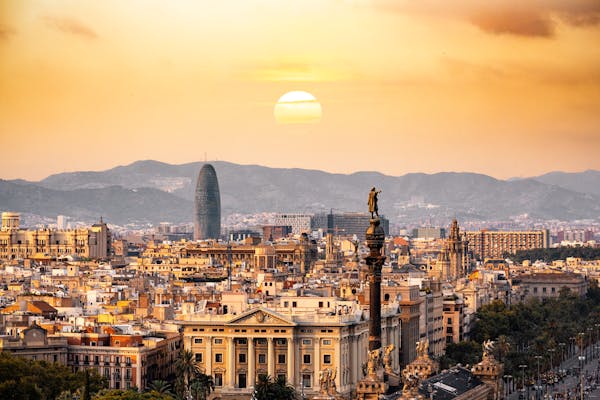
La Ciutat Comtal
Barcelona
Gaudí, tapas, and Mediterranean beach culture
What makes this place famous?
Images that explain Barcelona
Photography first. Words second.
Park Güell
Mosaic dreams perched above tiled city vistas
La Rambla
A winding artery of city life and bustle
Casa Batlló
A house where surface meets mythic color rhythms
Barceloneta Beach
Salt air, sunbaked stones and an open horizon
Introduction
Barcelona, at a glance
Barcelona arrives like a compact atlas of contrasts: Catalan Modernisme layered over a Roman grid, citrus-scented boulevards that funnel into the Mediterranean, and a coastline that suddenly becomes a city beach. The four images that frame this guide — the sculpted spires of the Sagrada Família, the mosaic terraces of Park Güell, the narrow alleys of the Gothic Quarter, and the sunlit sand of Barceloneta — are not icons to tick off but ways of reading the city’s textures.
Why visit Barcelona? For its habitual contradictions: an urbane rhythm of cafés and late dinners that coexists with relentless creative ambition, a language and civic culture rooted in Catalonia, and an urbanism refined by 19th-century engineers and 20th-century architects. Here you find neighborhoods that feel like entire countries of feeling, and public life that is lived as much in parks and markets as it is in museums and concert halls.
Why should I come?
Why visit Barcelona?
What makes Barcelona worth visiting? For architecture, food and coast: Gaudi's forms, Catalan cuisine and wide accessible beaches create contrasting pleasures; morning markets, afternoon museum hours, evening vermouth and late-night tablao create a trifold itinerary. Expect citrus and olive oil on your tongue, the scrape of tram rails underfoot, and the conversation of neighbourhood bars. Come hungry, come curious, come ready.
Country
Spain
Currency
Euro
Language
Spanish (Castilian); Catalan is co-official in Catalonia
Airport
Barcelona–El Prat Airport (BCN)
Time Zone
Europe/Madrid (CET/CEST, UTC+1/UTC+2)
Best Time
May–June
What shouldn’t I miss?
Barcelona's must-see sights

Montjuïc Castle
A 17th-century fortress atop Montjuïc hill with panoramic harbour views, pine-scented promenades and a cable-car approach that rewards walkers with the sound of gulls and distant city traffic. The ramparts trace Barcelona's strategic past and contemporary cultural uses.
View Details
Palau de la Música Catalana
A Modernist concert hall famed for its stained-glass skylight and ornate mosaics; inside you feel warm marble under fingertips and hear chamber music bloom into the hall's luminous dome. Guided visits explain its civic role in Catalan culture.
View Details
Museu Picasso
Housed in linked medieval palaces in El Born, the Picasso Museum traces the artist's formative years with early works and prints; the quiet galleries carry the scent of old paper and the hushed murmur of study. The collection illuminates Picasso's Catalan ties.
View Details
Camp Nou
Home stadium of FC Barcelona, an enormous arena where match-day chants and the rumble of tens of thousands define local ritual; stadium tours offer locker-room access and the tactile thrill of standing pitch-side. Football history is palpable here.
View DetailsDid You Know?
A city of small surprises
The facts that change the way you see it.
A city reshaped by a single urban plan
The Eixample district — the wide, gridlike expansion of Barcelona — was conceived by engineer Ildefons Cerdà in the mid-19th century. His plan introduced chamfered block corners and wide avenues to improve light, ventilation and traffic flow, and it still defines how you move through the city today.
Olympics as an urban turning point
The 1992 Summer Olympics transformed Barcelona’s coastline and infrastructure: abandoned industrial docks were regenerated, the harbour was opened to the city, and new public spaces and beaches were created, altering the relationship between the city and the sea.
What experiences can I book?
Keep exploring Barcelona
Tap an attraction to open Makutet Experiences, filtered for Barcelona.
What do locals know?
Practical insight from people who've lived it
Gracia
Gracia is a former village north of the Eixample, full of small plazas, artisanal bakeries and annual festa major street parties; mornings bring coffee steam, afternoons bring terrace chatter, nights bring local music in squares. The neighbourhood rewards slow walking and the tactile pleasure of patterned tile and warm air.
Pa amb tomàquet
Pa amb tomàquet is Catalonia's tomato-rubbed bread: toasted country bread, ripe tomato pulp, olive oil and salt produce a tactile crunch and bright tomato sweetness; eat it at breakfast, lunch or as tapas at night for its fragrant olive-oil aroma.
Mercat de Sant Antoni
Mercat de Sant Antoni is a restored covered market known for produce stalls, a daily clothing section and a large Sunday second-hand book and collectible market; expect the scent of fresh fruit, the rustle of paper and animated vendor calls across aisles.
Sala Apolo
Sala Apolo is a long-running concert hall and nightclub on Avinguda Paral·lel that hosts indie gigs, dance nights and live bands; expect amplified sound, crowded dance floors and the tang of late-night drinks in the air during weekend programmes.
Bunkers del Carmel (El Carmel)
Perched above the city, the Bunkers del Carmel offer a cinematic panorama of Barcelona that feels uncurated and generous. Afternoons here bring a cool Mediterranean breath and the distant clink of cable cars, and the graffiti-scrawled parapets are as much local canvas as viewpoint — a fine place to watch the golden hour sweep across Gaudí's skyline while picnic aromas mingle with pine-scented wind.
Poble-sec Vermuterías
Nestled under Montjuïc, Poble-sec’s low-slung streets conceal a generous parade of vermuterías where locals trade stories over olives and anchovies. Expect the warm bitters of vermouth and the clatter of ceramic plates, and a rhythm that makes evenings feel leisurely rather than rushed — a neighbourhood known for its convivial tapas scene and the faint aroma of frying at small bodegas.
Parc del Laberint d'Horta (Horta)
Horta's labyrinth park is an elegant, leafy escape where clipped yews, classical statuary and time-softened paths invite slow discovery. In spring the park smells faintly of damp earth and jasmine from nearby gardens, and the hush here contrasts with the city's bustle; it's a reminder that Barcelona keeps intimate green corners tucked into its historic grid.
El Born After-Hours
El Born folds history into bohemian edges: medieval alleys that host independent ateliers, jazz bars and the medieval Santa Maria del Mar. Evening in Born carries the scent of espresso and toasted bread from late cafés, and the cobbles echo footsteps more than traffic; it's a neighbourhood where boutique-dotted streets reward lingering, offering surprising boutiques and galleries at every turn.
Book it
The moments worth booking ahead
Curiosity becomes a plan. These are the experiences that turn a wish list into a date in your calendar.
Skip the line
A timed-entry Sagrada Família guided visit saves waiting in queues and gives architectural context to Gaudi's interiors, making the most of limited daylight viewing hours.
Park Güell early access
An early-access slot at Park Güell lets you enjoy mosaic terraces before crowds assemble and hear the morning birds over the city, a quieter way to see Gaudí's park.
Picasso Museum timed entry
Booking a timed ticket for the Picasso Museum ensures you enter during a scheduled slot to follow the artist's progression without long waits around the cloistered galleries.
Camp Nou match or tour
Reserve a Camp Nou match ticket or stadium tour in advance to secure access to seating or behind-the-scenes areas at Barcelona FC, a focal experience for football fans.
The story of Barcelona
How Barcelona came to be
Barcelona’s story begins long before its modern skyline. The Romans established a settlement called Barcino around the 1st century BC on the hill now known as Montjuïc and in the area of the Gothic Quarter. Evidence of those walls and a grid of streets survives in the low-slung arcades and narrow alleys of the old city; the Roman imprint remains a palimpsest beneath later layers of urban life.
During the Middle Ages Barcelona grew into a maritime and mercantile power within the Crown of Aragon. Port activity, guilds and maritime law created wealth and dense civic institutions; the Gothic Quarter preserves that compact, vertical intensity. Over centuries the city expanded outward in fits and starts, absorbing immigrant populations and new trades while maintaining a distinct Catalan cultural identity expressed through language, festivals and institutions.
The 19th and early 20th centuries brought industrialization and decisive urban planning. Ildefons Cerdà’s Eixample opened a rational, breathable grid to accommodate a swelling population, while architects such as Antoni Gaudí and his contemporaries developed Catalan Modernisme — a regional reinterpretation of European Art Nouveau. Gaudí’s Sagrada Família, Park Güell and Casa Batlló are physical embodiments of that era’s ambitions. Later, the late 20th century, most visibly through the 1992 Olympics, reconnected the city to its coastline and accelerated cultural renewal that still informs Barcelona’s public life and built environment.
Where should I stay?
Where to stay in Barcelona
Curated stays chosen to suit every kind of traveller.

Eixample
First-timers · architecture lovers · mid-range
There is no bad time to stay; choose Eixample for broad, gridlike avenues, Modernist façades and easy metro access. Pick a corner café, feel the warmth of ceramic tile underfoot, and walk between Gaudí buildings and tapas bars for a central, comfortable base.
Check availability
Gràcia
Bohemians · long-stay travellers · food lovers
There is no bad time to stay; favour Gràcia when you want village streets, local plazas and the aroma of neighbourhood bakeries. Wander bocas and small markets, hear live guitar in a square, and book boutique guesthouses that suit a slower, residential rhythm.
Check availability
Poblenou
Beach-goers · remote workers · families
There is no bad time to stay; try Poblenou if you want sea breezes, converted warehouses and quiet seaside mornings. Cycle to the beach, feel the sand between your toes at dawn and choose modern apartments or seafront hotels for a relaxed, work-friendly stay.
Check availabilityWhy this destination?
Why Barcelona, and not somewhere else
Begin at first light in the Gothic Quarter, when the narrow streets are still cooling from the night and shopkeepers sweep their thresholds. The stone here remembers centuries of commerce and conversation; it hums rather than shouts. Walk toward La Rambla but resist the main drag, slipping instead into the quieter lanes that open unexpectedly into small squares where breakfast is laid out in simple cafés. A cortado and a croissant — or pan con tomate if you prefer Catalan tradition — are enough to anchor you in the city’s tempo.
From there, thread by foot toward the Boqueria market and let the color and smell of produce arrive like a second dawn. Stallholders arrange piles of citrus and cured ham, fishermen display glistening lines of sardines, and the market’s hum is an urban chorus of vendors, shoppers and the occasional chef buying for the day’s service. It’s a scene where the city’s culinary reputation is both practiced and performed in real time.
Midday, choose a Gaudí site — the Sagrada Família if you want monumental choreography, Park Güell for a quieter, panoramic delight, or a block of the Eixample to read the city’s Modernisme façades. Gaudí’s work is paradoxical: engineered for light and movement yet intensely crafted in detail. The structures invite close looking as much as long-distance admiration. Pause under a tile canopy or on a church bench and let the city’s layered architecture explain itself through shadow, ceramic, ironwork and stone.
Conclude at dusk on the waterfront, where the Mediterranean cools and the city turns toward its beaches. Walk along Barceloneta or the Olympic harbour and note how the coast was once reclaimed for public life in the late 20th century. As lights begin to stitch across the water you will see the city’s two faces — the inward, neighborhood life you inhabited earlier, and the outward-facing promenade that meets the sea. That duality is Barcelona’s signature: a civic intensity that never forgets the coast. If the city were a sentence, it would be one that pauses, collects itself, and then keeps speaking long into the evening.
Can I book somewhere to stay?
Where to stay in Barcelona
Live rates across Booking.com, Agoda, VRBO and Hotels.com — compare in one search, no extra cost to you.
Popular destinations

Bed BCN Hills House

Stay Unique Apartments Balmes II Sant Gervasi

Stay Unique Apartment Muntaner

Apartment Barcelona Rentals - 3 bedroom penthouse with large terrace

Alcam Futbol Pequeño
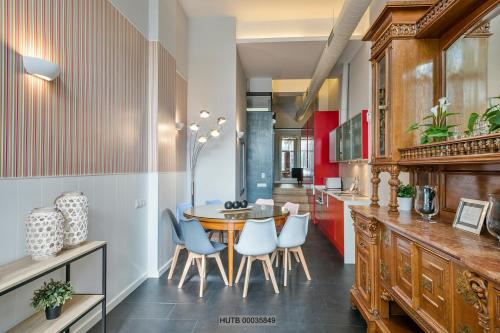
Alcam Les Corts
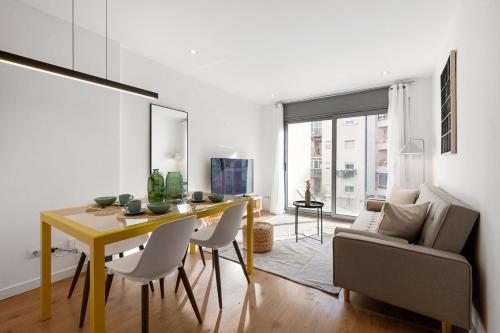
4266 - AB Les Corts V

Alcam Galileu
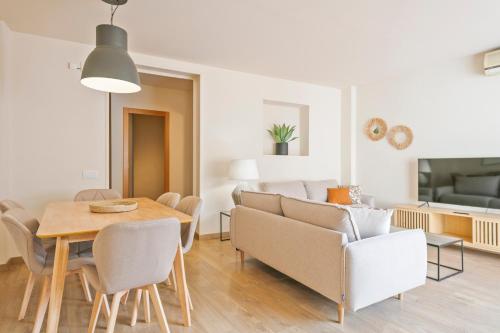
Alcam Galileu P
Live rates across our partner network (Booking.com, VRBO, Expedia, Hotels.com) via Stay22. Makutet may earn a commission when you book — at no extra cost to you. Prices update in real time and may vary before booking.
When to come
Planning your Barcelona trip
There is no bad time to visit — only cheaper and cooler.
May–September
Late spring and summer deliver warm sea-swimmable temperatures and vibrant street life. Expect busier beaches and cultural festivals, and longer daylight for wandering neighborhoods and waterfront promenades.
March–April, October
Spring and autumn offer mild weather and thinner crowds: ideal for museum visits, terrace dining and walking Cerdà’s Eixample without peak-season heat or full beaches.
November–February
Winters are cooler and quieter with shorter days. Many cultural institutions remain open, but beachgoing is limited and some seasonal services operate less frequently.
What else do I need for my trip?
Everything else for your trip

Flights to Barcelona
Find the best flights to Barcelona.
Explore
Accommodation in Barcelona
Discover the best hotels and resorts in Barcelona.
Explore
Airport Transfers
Arrange transport between Barcelona Airport and your accommodation.
Explore
Car Hire
Explore Barcelona and surrounding regions with a rental vehicle.
Explore
Travel Insurance
Protect your trip before travelling to Spain.
Explore
eSIM & Connectivity
Stay connected throughout your visit to Barcelona.
ExploreWhat do I need before travelling?
What you need before you go
Budget in Barcelona
- ·Budget travellers should expect to spend €70-€90 daily (hostels and 'Menu del Dia' lunches for ~€15). Mid-range budgets average €150-€200 (boutique hotels and tapas dinners). Luxury stays exceed €350 per day. Note that a local tourist tax is applied per night to all accommodation. Carry small bills for markets and local transport in Spain.
Getting around Barcelona
- ·Barcelona features a highly efficient TMB integrated system of Metro, buses, and trams. The T-casual card provides 10 trips across Zone 1 for roughly €12.15, though it is no longer shareable. The city is very walkable, particularly within the Eixample and Gothic Quarter districts. Barcelona is served by Barcelona–El Prat Airport (BCN).
Safety in Barcelona
- ·While violent crime is low, Barcelona is notorious for pickpocketing in high-traffic areas like Las Ramblas, Sagrada Família, and Metro stations. Keep bags in front of you and never leave valuables on restaurant tables or the beach sand at Barceloneta. Avoid 'trileros' (shell game) street scams. Keep emergency numbers and your accommodation address handy.
Connectivity in Barcelona
- ·Major providers include Movistar, Vodafone, and Orange, with prepaid SIM cards widely available; a passport is required for purchase. eSIMs from providers like Holafly or Airalo are common for tourists. Free public 'Barcelona WiFi' is available at over 500 points throughout the city. The timezone in Barcelona is Europe/Madrid (CET/CEST, UTC+1/UTC+2).
Weather & when to visit Barcelona
- ·Ideal visiting months are May to June and September to October, with temperatures between 18°C and 25°C. July and August are hot and humid (often exceeding 30°C). Winters are mild but can be windy, with daytime highs averaging 12°C to 15°C and rare freezing temperatures.
Arrival & airport transfer in Barcelona
- ·The Aerobús (A1/A2) is the most popular option, costing €6.75 one-way to Plaça de Catalunya (approx. 35 mins). The R2 Nord train connects T2 to the city center (Sants/Passeig de Gràcia). Taxis have a minimum airport fee of €21, with average fares to the center ranging from €30-€35.
Good to Know
Barcelona FAQs
Final inspiration
Go and see for yourself
Barcelona’s particular charm is its habit of reshaping itself around public life: markets that sing at midday, plazas that invite conversations, and façades that refuse to be purely decorative. Walk its streets slowly enough to notice the quotidian rituals — cafés trimming their tables at dusk, fishmongers arranging the day’s catch, skateboarders on the lower ramps of Montjuïc — and the city’s rhythms become a map of how people live here.
Leave space in your plans for contradiction: an afternoon museum visit that gives way to a late seafood dinner on a seaside terrace, an architectural tour interrupted by a spontaneous concert in a courtyard. Barcelona does not insist upon a single way to be seen; it offers layers, and the most rewarding explorations are those that let the city keep revealing itself one detail at a time.
See It Through A Creator's Eyes
Want to discover Barcelona through people who have actually experienced it?
Explore Barcelona through the stories, photos, and perspectives of travel creators who have been there.
Find Creators Who Have Been to Barcelona