
Railay Beach
Towering limestone cliffs and turquoise lagoons
What makes this place famous?
Images that explain Railay Beach
Photography first. Words second.

Phra Nang Cave Beach
A stunning beach featuring a unique fertility shrine housed within a cave, surrounded by crystal clear waters and sheer rock walls.

Railay Limestone Cliffs
The iconic vertical karsts that define the Krabi coastline, offering hundreds of bolted climbing routes for all skill levels.

Diamond Cave (Tham Phra Nang Nai)
An illuminated cave system located on the eastern side of Railay, showcasing impressive stalactites and stalagmites shaped over millennia.

Krabi Longtail Boats
The traditional wooden vessels that are the sole lifeline to Railay, iconic for their colorful ribbons and automotive engine propellers.
Introduction
Railay Beach, at a glance
Why should I come? Railay Beach announces itself in stages: a longtail boat's diesel cough off Ao Nang, the print of wet sand underfoot, and then a wall of limestone that turns the horizon into architecture. This narrow pocket of shoreline in Krabi feels both abrupt and intimate — cliff faces that rise like a city, caves that hold votive offerings, and beaches that fold into mangrove mouths. In three days you learn the best swim; in a week you learn the best climb; in a month you carry the place with you. The salt air brings grilled fish and coconut smoke; the friction of rope on palm-callused hands and the shush of longtail propellers are part of the island's grammar. Come curious, come slow, come for the limestone.
Why should I come?
Why visit Railay Beach?
Travelers visit Railay for its unique combination of vertical limestone karsts and serene turquoise waters. It offers an adventurous escape where you can transition from scaling cliffs in the morning to kayaking through hidden lagoons in the afternoon.
Country
Thailand
Currency
Thai baht
Language
Thai
Airport
Krabi International Airport (KBV)
Time Zone
Indochina Time (ICT), UTC+7
Best Time
November to March
What shouldn’t I miss?
Railay Beach's must-see sights

Railay Viewpoint
A challenging muddy climb leads to a panoramic overlook providing a symmetrical view of both East and West Railay beaches.
View Details
Princess Lagoon
A hidden emerald pool tucked inside the cliffs, accessible via a steep and adventurous scramble using ropes for assistance.
View Details
Tonsai Beach
Railay’s rugged neighbor, favored by serious climbers and backpackers for its bohemian vibe and steep, overhanging limestone walls.
View Details
Railay East Mangroves
The muddy, atmospheric eastern side of the peninsula, home to dense mangrove forests and the majority of the area's nightlife.
View DetailsDid You Know?
A city of small surprises
The facts that change the way you see it.
How do I reach a place I can't drive to?
Railay is reachable only by boat from the mainland because towering karst cliffs cut it off from road access; trips run from Ao Nang, Krabi Town and sometimes from the islands, with crossings of fifteen to twenty minutes in calm weather, longer when the Andaman swells pick up. A boat arrival makes the place an intentional entry—a chosen approach, not an accident: arrival as rite.
What is that small shrine on the beach?
Phra Nang Cave houses a fertility shrine filled with carved wooden phalluses and colorful offerings; local fishermen and visiting families have left votive gifts for generations, and the cave's narrow mouth frames the sea like a conductor's baton. A cliff's tiny shrine contains a nation's private stories: shore-side faith rendered public.
What experiences can I book?
Keep exploring Railay Beach
Tap an attraction to open Makutet Experiences, filtered for Railay Beach.
What do locals know?
Practical insight from people who've lived it
Railay East Entertainment
The hub for evening activity, where you can find reggae bars, fire shows, and a more social, rustic atmosphere compared to the west.
Southern Thai Massaman
A rich, relatively mild curry with peanuts and potatoes, perfected by local chefs using Southern Thai spices and fresh coconut milk.
Railay Walking Street
A narrow corridor connecting the East and West sides, packed with small boutiques selling handmade jewelry, swimwear, and local art.
Tew Lay Bar
A hidden gem at the far end of Railay East, offering a peaceful wooden deck and 'treehouse' vibes for a quiet sunset away from crowds.
West Ridge Sunrise Lookout
Perch above Railay West where the limestone cliffs burn gold at first light and the salt-laden morning air carries the faint hum of longtail engines; the cool breeze tastes of sea-spray and frames panoramic silhouettes of Phra Nang. Photographers and slow risers alike will savor the soft soundtrack of waves and birds as village roofs below awaken.
Phra Nang Cave Shrine Quiet Hour
Slip into the shaded sanctum of Phra Nang Cave when offerings are being arranged; the scent of jasmine and coconut oil tangibly anchors the shrine to the bay, while the clack of shells on rope marks local devotion. Arrive early, to see sunlight rake the cave entrance and to hear boats whispering against the beach without the daytime bustle.
Tonsai Climbers' Alley
Tonsai Village is Railay’s scrappy heart — chalky limestone dust on fingers, the steady clink of carabiners and the low laughter of climbers plotting routes beneath overhangs. With routes spilling in every direction, stroll the alley and swap beta over a cooling drink, because the local climbing community is generous and full of route suggestions to suit any grade.
Longtail Pier Rhythm and Evening Strolls
Follow the wooden jetty where longtails arrive in a steady cadence and the pier’s timber smells faintly of diesel and seaweed; twilight turns the mangrove fringe into a low chorus of insects and distant music from beachfront bars. Flag down a longtail, as it’s the practical connector to Ao Nang, and then wander the shoreline to watch tide patterns and spot local fishermen hauling nets.
Book it
The moments worth booking ahead
Curiosity becomes a plan. These are the experiences that turn a wish list into a date in your calendar.
Railay rock-climbing lesson
Railay’s world-class limestone walls see heavy demand—book a certified instructor and gear to secure a spot on popular routes and learn safely.
Longtail boat transfer
Railay has no road access and longtail boats between Ao Nang and Railay fill fast at sunrise and sunset—reserve your seat to avoid long waits.
Phra Nang cave kayaking
Guided sea-kayak trips that thread the limestone caves to Phra Nang Beach and the Princess (Phra Nang) Cave are tide-dependent, so book ahead to align with safe paddling windows.
Hidden lagoon & viewpoint trek
The steep scramble to Railay’s viewpoint and the hidden lagoon (the Ton Sai/Secret Lagoon) is popular and slippery—booking a small-group guide guarantees access and safer routing.
The story of Railay Beach
How Railay Beach came to be
What do locals know about how Railay began? The story starts in stone. The limestone karsts that define Railay were born of reef and reef-mud uplifted over millennia, then chewed and sculpted by rain and tide until cliffs, arches and overhangs emerged. Coastal groups long made a living here — fishing families, itinerant seafarers and Moken traditions nearby — threading nets by lamplight and smoking fish on low racks. In a day you see fishermen mend nets; in a season you taste smoked mackerel; in a lifetime these routines stitch the shore to a community. The sound of creaking boats, the scent of sun-warmed wood smoke, the bite of seawater on the tongue keep the past audible. By the late twentieth century the cliffs wrote a new paragraph: climbers arrived, guidebooks followed, and small guesthouses replaced some of the shoreline huts. Routes were bolted into faces that had been blank for eras; chalk powder and rope friction mingled with the sea breeze, and the map of Railay gained pins: Railay West for sunsets, Railay East for jettied boats, Ton Sai for the bold. Villagers adapted—offering guiding, homemade food and boat transfers—so that tourism layered upon fishing rather than erased it, each industry learning the other's rhythm. But step from the sand into a cave-strewn footpath, and climb the viewpoint at dawn, or paddle the narrow channel at dusk, and the old village is still here; touch salted rope, breathe lime-smoke and see the limestones.
Where should I stay?
Where to stay in Railay Beach
Curated stays chosen to suit every kind of traveller.

Rayavadee
Travellers seeking comfort and convenience
A luxury resort set within lush gardens and coconut groves, featuring award-winning design and exclusive access to three beaches.
Check availability
Railay Village Resort
Travellers seeking comfort and convenience
Located directly on Railay West, this resort offers private villas and easy access to the main sunset beach area.
Check availability
Bhu Nga Thani Resort & Villas
Travellers seeking comfort and convenience
A modern and stylish retreat on the quieter Railay East side, featuring a beautiful infinity pool overlooking the mangroves.
Check availability
Ban Sainai Resort
Couples · nature‑lovers · climbers
Pick the one that suits your trip; the rest is logistics. Tucked into lush garden terraces a short sampan ride from Railay West, Ban Sainai feels like a private village — salt‑tinged Andaman breezes carry the murmur of long‑tail boats while massage pavilions and shaded plunge pools promise quiet corners in abundance, ideal after a day climbing the limestone walls.
Check availability
Railay Bay Resort & Spa
Families · spa seekers · beachgoers
Pick the one that suits your trip; the rest is logistics. Perched along Railay West's crescent of sand, this decades‑old beach resort greets guests with the low thunder of waves against limestone and the scent of tropical frangipani — there are plentiful terraces, restaurants and a full‑service spa, so you can drift from sunrise swims to sunset dinners without urgency.
Check availabilityWhy this destination?
Why Railay Beach, and not somewhere else
What is the single moment that changes how I measure other shores? The signature is small and precise: a scramble from Railay West up the craggy path at late afternoon, when your palms feel the limestone's grain and the rope hums in your hands. Rising between grey faces you pass pockets where the sea smells metallic, where chalk grit collects under fingernails, and where the wind rearranges conversation into a hush. In three climbs you gain familiarity; in three breaths you earn a view; in three shared ropes you know you are part of a temporary fraternity. The soundscape is a longtail's distant cough, the tactile memory a warm, sun-polished handhold. At the viewpoint the world arranges: Phra Nang's sand runs like a white comma, islands bead the Andaman like scattered coins, and fishermen's lamps blink awake as the sky bruises. For a breath the place refines what you mean by 'quiet' — not empty, but tuned; not absent, but composed. Taste the last sticky sweet of mangosteen from a vendor, feel the cool that falls as shade crosses the stone, listen to the low murmur of boats returning. You compare sunsets later by how the light fell here: how it threaded through pinnacles, how it lit the carved offerings in the cave below. Leave that ledge differently than you arrived: steadier in your balance, fuller in your appetite for small discoveries, and more exacting in what you ask of other beaches. It will not simply be an evening; it will be the standard by which you judge light, wind and bone-deep quiet — become the place you measure every other shore against.
Can I book somewhere to stay?
Where to stay in Railay Beach
Live rates across Booking.com, Agoda, VRBO and Hotels.com — compare in one search, no extra cost to you.
Popular destinations
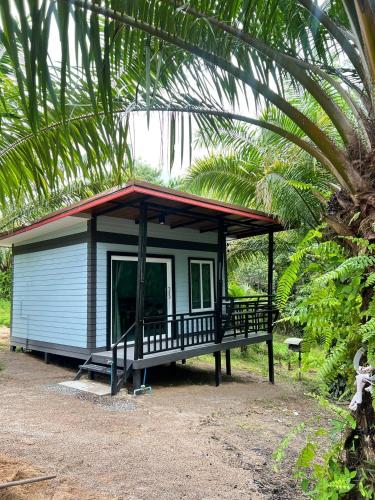
Palm tree resort

The Tropical Pool Villas Ao Nang Group Krabi
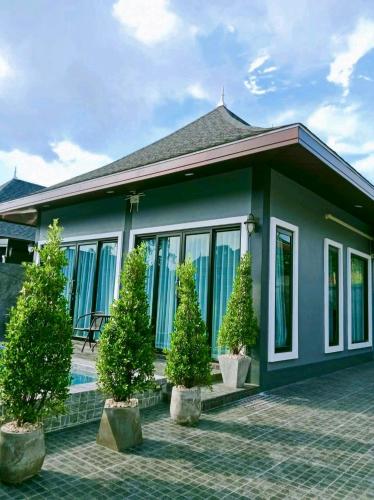
Aonang Homie Pool villa

AAA villa Aonang Krabi
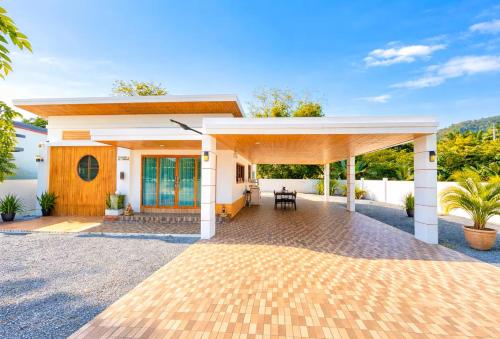
Andaman DriveStay Villa Ao Nang Krabi

Krabi Ao Nang PrivateStay Pool villa 2Br

Ao Nam Mao Private House

Tiny Love Room

Love room
Live rates across our partner network (Booking.com, VRBO, Expedia, Hotels.com) via Stay22. Makutet may earn a commission when you book — at no extra cost to you. Prices update in real time and may vary before booking.
When to come
Planning your Railay Beach trip
There is no bad time to visit — only cheaper and cooler.
Nov–Mar
When should I plan to arrive? Curiosity becomes a plan, because fair weather makes beaches and crossings reliable and calendars practical. There is no bad time to visit — only drier and calmer months that favour swimming and longtail schedules. Pack reef-safe sunscreen, to protect coral and your shoulders under the equatorial sun; book a morning boat transfer, because tides and wind can change afternoon timetables. Expect warm sand underfoot and the smell of coconut grills as an editorial flourish to your itinerary.
Apr–Jun
Should I worry about heat and rain? There is no bad time to visit — only seasons that trade clearer skies for quieter beaches and heavier humidity. Carry a refillable water bottle, to prevent heat fatigue while you walk between beaches; wear a light sarong, to shield shoulders at shrines and to dry quickly after a swim. Expect sudden inland squalls and the citrus-sour tang of mangoes at market stalls as the day cools into shell-laden dusk.
Jul–Oct
What changes when the monsoon returns? There is no bad time to visit — only opportunities to shift focus from boat crossings to caves and kitchens. Keep flexible plans, because sea passages can be rough on windier days; bring a light rain shell, to stay comfortable while exploring mangroves and caves. Use indoor hours to learn a Thai dish from a local cook, and carry an easygoing mood as part of your luggage.
What else do I need for my trip?
Everything else for your trip

Flights to Railay Beach
Find the best flights to Railay Beach.
Explore
Accommodation in Railay Beach
Discover the best hotels and resorts in Railay Beach.
Explore
Airport Transfers
Arrange transport between Railay Beach Airport and your accommodation.
Explore
Car Hire
Explore Railay Beach and surrounding regions with a rental vehicle.
Explore
Travel Insurance
Protect your trip before travelling to Thailand.
Explore
eSIM & Connectivity
Stay connected throughout your visit to Railay Beach.
ExploreWhat do I need before travelling?
What you need before you go
Budget in Railay Beach
- ·Railay is more expensive than the mainland because all supplies arrive by boat. Expect to pay 100-150 THB for boat transfers. Mid-range accommodation typically starts at 1,800 THB, while daily food and activity budgets should average 1,500-2,500 THB per person. Carry small bills for markets and local transport in Thailand.
Getting around Railay Beach
- ·There are no roads or motorized vehicles on Railay. Getting around is done entirely on foot via a network of walking paths. The walk between Railay East and Railay West takes about 5-10 minutes. Longtail boats serve as water taxis to nearby Tonsai or Phra Nang. Railay Beach is served by Krabi International Airport (KBV).
Safety in Railay Beach
- ·Strong currents can occur near the headlands; always observe local warning flags. The hiking trails to the Viewpoint and Lagoon are very steep and become dangerously slippery after rainfall. Ensure rock climbing is done only with reputable, certified instructors. Keep emergency numbers and your accommodation address handy.
Connectivity in Railay Beach
- ·Reliable 4G/5G mobile coverage is provided by AIS, DTAC, and TrueMove H. It is recommended to buy a SIM card at Krabi Airport upon arrival. While most resorts provide WiFi, the signal can be inconsistent near the limestone cliffs or in budget accommodations. The timezone in Railay Beach is Indochina Time (ICT), UTC+7.
Weather & when to visit Railay Beach
- ·The peak travel season is the dry period from November to April, featuring calm seas and clear skies. The monsoon season occurs from May to October, characterized by frequent rain and potentially rougher boat crossings, though temperatures remain warm (28-32°C).
Arrival & airport transfer in Railay Beach
- ·From Krabi International Airport (KBV), travelers take a taxi (approx. 600 THB) or shuttle bus (150 THB) to Ao Nang or Ao Nam Mao pier. A subsequent longtail boat ride costs 100-150 THB. Total transit time from KBV to Railay is roughly 60-90 minutes.
Good to Know
Railay Beach FAQs
Final inspiration
Go and see for yourself
What will I carry home beyond photos? Railay rewards a patient attention: a tide-swung arrival, a day of coral-slicing swims, an afternoon on a cliff ledge as rope hums and the sea tastes of green shrimp. Three days teaches a route; a week teaches a rhythm; a month teaches how to be less in a hurry. Listen for the longtail motor's distant stutter, let the salt sit between your teeth, and remember how the limestone framed your first view. Come curious, come slow, come for the limestones.
See It Through A Creator's Eyes
Want to discover Railay Beach through people who have actually experienced it?
Explore Railay Beach through the stories, photos, and perspectives of travel creators who have been there.
Find Creators Who Have Been to Railay Beach