
natural landmark
Angel Falls
The world's highest uninterrupted waterfall located within the Canaima National Park in the Guiana Highlands.

americas
Venezuela is shaped by a northern Caribbean coast and a vast interior of highlands, grasslands and tablelands. Its geography is not a backdrop but the organising idea of travel here: coast, mainland and islands belong to distinct landscapes, joined by long distances and changing conditions.
The country
The country
On South America’s northern coast, Venezuela faces the Caribbean Sea and the North Atlantic Ocean, with Colombia to the west, Brazil to the south and Guyana to the east. Its landscapes range from the Mérida Andes and the Llanos to the Guiana Highlands and Gran Sabana, while the coast and offshore islands give the country a markedly different edge.
Why visit
Venezuela rewards attention to geography. The country is not a single landscape but a sequence of sharply differing ones: the Andean Highlands and Mérida Andes rise in the west; the Llanos open into broad grasslands; and the Guiana Highlands and Gran Sabana give the south and east a tableland character. Along the northern coast, the Caribbean sets another rhythm, while the Los Roques Archipelago carries the experience out from the mainland into island waters. These are not interchangeable backdrops. They ask for different ways of travelling, different expectations of distance and different kinds of time. The named places make that variety legible. Angel Falls belongs to a landscape of immense vertical scale; Lake Maracaibo gives the country a vast inland-water presence; and Caracas offers a capital-city counterpoint to the open country beyond it. Morrocoy National Park, Médanos de Coro National Park and Henri Pittier National Park bring coastal and natural settings into the same national picture, while Mount Roraima anchors the imagination in the highlands. A journey here is best understood as a choice of regions, not a hurried sweep through a checklist. The coast does not automatically lead into the interior, and an island stay is not simply a mainland beach break: each transition requires planning around the country’s distances and the practical connections available. For travellers drawn to landscape, contrast and the texture of moving between distinct environments, Venezuela offers a compelling country to read slowly, one region at a time.
What it feels like
The country’s atmosphere shifts with its terrain: Caribbean air and island horizons give way to inland expanses, highland relief and the scale of the Guiana Highlands. In Caracas, the capital’s urban pulse contrasts with the stillness and openness associated with the Llanos and Gran Sabana. Travel here feels defined by changing light, distance and landscape rather than by one uniform national mood.
Who it suits
Venezuela suits travellers who are comfortable planning around distance and choosing a few regions carefully. It is especially apt for those interested in landscape, photography and outdoor travel, and for visitors willing to combine a mainland base with a separately planned coastal or island stay.
How to get here
Live fares into Venezuela across hundreds of airlines, compared in one search. Book directly with the airline or agent — Makutet never adds a fee.
Live fares to Venezuela across hundreds of airlines. Book directly with the airline or agent — no extra cost to you.
Embedded flight search uses TravelPayouts cookies and tracking. Enable partner search to load it here, or continue directly on the partner site.
The external partner link includes Makutet's affiliate marker; confirm your route, dates and passengers there. No booking is made on Makutet.
Live search and booking run on the TravelPayouts partner engine. Fares update in real time and may vary before booking. Any prices shown elsewhere on Makutet are monitored observations, not live quotes.
Identity
The places that define the country rather than merely sit inside it.
natural landmark
The world's highest uninterrupted waterfall located within the Canaima National Park in the Guiana Highlands.

metropolitan
The capital and largest city of Venezuela, situated in a narrow valley in the coastal mountain range.

marine park
A federal dependency in the Caribbean Sea consisting of numerous islands and cays known for extensive coral reefs.

body of water
A large brackish tidal bay and lake connected to the Gulf of Venezuela, notable for its significant oil reserves.
Imagery


Discover

marine protected area
A coastal national park featuring mangroves and numerous small keys with clear water and sandy beaches.

desert
A desert landscape near the city of Coro characterized by large sand dunes that shift due to constant wind.

mountain
A prominent tepui that straddles the borders of Venezuela, Brazil, and Guyana, famous for its tabletop summit.

national park
The oldest national park in the country, covering a diverse range of cloud forests and coastal ecosystems.
Stay
The bases that actually change the trip.

Lodge
Choose a lodge serving the Angel Falls and Guiana Highlands route if a river expedition is your priority. Reaching the area requires advance coordination of flights, guiding and onward transport; stays are often packaged around several days, and wet-season river conditions shape the itinerary.
expedition travellers · nature-focused visitors

Guesthouse
A small guesthouse in the Los Roques Archipelago suits travellers building their stay around boat trips and beach time. Island access depends on arranged transport, so reserve accommodation and transfers together; wind and sea conditions can limit movement between islands, especially outside calmer periods.
island travellers · couples

Posada
A posada in the Mérida Andes offers a practical base for highland walks and regional drives. Expect road travel between settlements and trailheads rather than step-free access throughout; allow extra time for altitude and changing mountain weather, and arrange guides and transport before arrival.
walkers · independent travellers

City hotel
A city hotel in Caracas is the most workable base for urban services and onward transport, rather than a substitute for the distant interior. Choose it when connecting to the coast or arranging a longer journey; traffic can consume substantial time, so schedule transfers and departures with slack.
city visitors · connecting travellers
Where to stay
Live rates across Booking.com, Agoda, VRBO and Expedia for Venezuela. Compare the areas above, then check what a night actually costs.
Popular destinations
Live rates across Booking.com, Agoda, VRBO and Expedia for Venezuela — no extra cost to you.


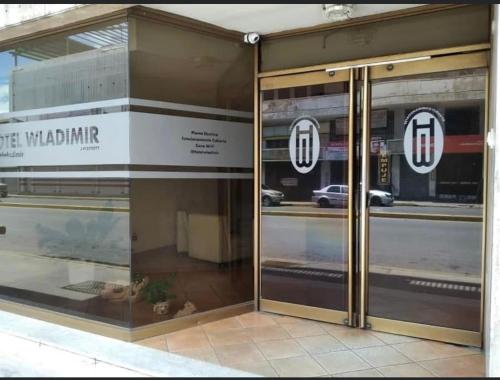


Live rates across our partner network (Booking.com, VRBO, Expedia, Hotels.com) via Stay22. Makutet may earn a commission when you book — at no extra cost to you. Prices update in real time and may vary before booking.
Experience

Guided expedition
Begin from the Angel Falls area in the Guiana Highlands. A guided river-and-trail expedition usually takes several days; arrange the permitted access, local guiding, flights and any overnight stays well ahead. Water levels and conditions make the wetter months the more reliable period for the river approach.
active travellers · landscape photographers

Boat trip
Set out by boat from the Los Roques Archipelago for a full day among its islands and reefs, with time for swimming and snorkelling. Reserve the boat and any island transfers in advance; calmer, drier conditions are generally most suitable, while wind and sea state can change the plan.
island travellers · snorkellers

Guided drive
Take a multi-day guided drive across the Gran Sabana, allowing time for the long overland legs, walks and changing road conditions. Wet-season travel can bring difficult access; book an experienced local operator, vehicle and accommodation before setting out rather than attempting the interior as a day trip.
road-trip travellers · hikers

Guided walk
Use the Mérida Andes as a base for a guided highland walk, choosing a route to suit fitness and conditions. Allow a full day for the outing and acclimatisation to altitude; reserve a guide and transport ahead, particularly in the drier travel season when access is generally more dependable.
walkers · mountain scenery enthusiasts
Things to do
What Makutet's Venezuela research recommends, and where the tours that cover it can actually be booked.
Editorial recommendations from Makutet's Venezuela research. Tickets and tours are searched on GetYourGuide.
Angel Falls and Canaima expedition
Begin from the Angel Falls area in the Guiana Highlands. A guided river-and-trail expedition usually takes several days; arrange the permitted access, local guiding, flights and any overnight stays well ahead. Water levels and conditions make the wetter months the more reliable period for the river approach.
Los Roques sailing and snorkelling day
Set out by boat from the Los Roques Archipelago for a full day among its islands and reefs, with time for swimming and snorkelling. Reserve the boat and any island transfers in advance; calmer, drier conditions are generally most suitable, while wind and sea state can change the plan.
Gran Sabana guided overland journey
Take a multi-day guided drive across the Gran Sabana, allowing time for the long overland legs, walks and changing road conditions. Wet-season travel can bring difficult access; book an experienced local operator, vehicle and accommodation before setting out rather than attempting the interior as a day trip.
Mérida Andes highland walking day
Use the Mérida Andes as a base for a guided highland walk, choosing a route to suit fitness and conditions. Allow a full day for the outing and acclimatisation to altitude; reserve a guide and transport ahead, particularly in the drier travel season when access is generally more dependable.
Morrocoy National Park
A coastal national park featuring mangroves and numerous small keys with clear water and sandy beaches.
Médanos de Coro National Park
A desert landscape near the city of Coro characterized by large sand dunes that shift due to constant wind.
Activity cards are editorial — Makutet is not selling these specific experiences. The partner search opens GetYourGuide for Venezuela, where availability and price are theirs.
Understand
The context that turns a visit into an understanding.

macro_region
The northwestern region characterized by high altitude mountain ranges that extend from the Colombian border into the interior.

macro_region
A vast region in the southeast comprising ancient geological formations, plateaus known as tepuis, and dense tropical rainforests.

macro_region
A sprawling tropical grassland plain located between the Andes and the Orinoco River, subject to seasonal flooding.

sub_region
A mountain sub-region within the Andean Highlands home to the country's highest peaks and glacial features.

sub_region
A high plateau located within the Guiana Highlands featuring unique tepui table-top mountains and numerous waterfalls.

Food
Arepas—corn cakes split and filled with ingredients such as cheese or shredded meat—are a familiar everyday food across Venezuela. They work as a quick breakfast or a substantial meal, and fillings vary by cook and region.

Food tradition
Hallaca is a corn-dough parcel filled with a savoury mixture, wrapped in plantain leaves and cooked. It is closely associated with Venezuela’s Christmas season and is often made as a shared family task rather than treated as an ordinary daily dish.

Food
Pabellón criollo brings together shredded beef, black beans, rice and fried plantain. The combination offers a clear introduction to a substantial Venezuelan lunch; look for it in Caracas and in eateries serving regional cooking elsewhere.

Drink and social custom
Coffee is part of everyday social life in Caracas, where a short coffee stop can be woven between errands and conversation. Ordering a small coffee is a useful way to pause in the capital before a longer road or onward journey.

Regional culture
The Llanos are associated with working cattle landscapes and llanero traditions, including horsemanship and rural music. A guided visit gives context to the open plains and helps travellers understand why the region’s character differs from the Andes and coastal islands.
When to go
December–April
Drier season
A generally favourable period for inland journeys
May–June
Rain begins
A transition towards wetter conditions
July–October
Rainy season
Plan for wetter inland conditions
November
Seasonal transition
Conditions begin to shift towards the drier months
Practical
Money, transport, connectivity and the details that matter on the ground.
Budget
The currency is the Venezuelan bolívar. Do not assume cards are accepted everywhere: carry some local cash for small purchases and services, while checking payment arrangements with accommodation and operators before travel. Major costs are likely to centre on domestic transport, guided access to Angel Falls or Gran Sabana, and boat transfers in Los Roques; remote or peak-season logistics can cost more than a city stay. Confirm the accepted payment method and total inclusions in advance.
Transport
Venezuela’s distances make connections part of the itinerary: Caracas is a useful mainland hub, while Los Roques requires onward island transport and Angel Falls or Gran Sabana journeys need planned access into the interior. Roads connect regional journeys but conditions and travel times vary; use established operators for remote routes and reserve internal flights, boats and transfers together where possible. Vehicles drive on the right.
Safety
For journeys beyond Caracas, especially towards Angel Falls, Gran Sabana or Los Roques, confirm current access, transport and local operating arrangements before departure. Keep valuables discreet, use pre-arranged transfers where practical and avoid relying on an unplanned connection in remote areas. Check the current emergency number locally before travelling, as no number is specified here.
Connectivity
Coverage and data access can be less dependable away from Caracas, particularly during journeys through the Guiana Highlands, Gran Sabana and the Los Roques Archipelago. Arrange an eSIM or local connectivity before leaving the capital, download maps and essential travel details offline, and do not rely on a signal for meeting guides or coordinating boats.
Seasonal weather
Venezuela has a broadly wet season from May to November and a drier season from December to April. Rain can raise rivers and complicate road access in the Guiana Highlands and Gran Sabana, while the drier months generally favour road journeys and island time in Los Roques. Angel Falls river approaches are shaped by water levels, so confirm the actual operating window with the guide rather than treating either season as a guarantee.
Accessibility and mobility
Travellers with reduced mobility should plan carefully: uneven pavements, steps, variable road surfaces and limited step-free facilities can make movement difficult in Caracas and beyond. Island boats at Los Roques, river travel towards Angel Falls, and walks in the Mérida Andes or Gran Sabana can require transfers onto uneven ground and are not reliably wheelchair-accessible. Pushchairs and older companions may need assistance; confirm vehicle access, room layout, stairs and bathroom arrangements directly with each provider before booking.
Getting around
Airport transfers, rail, buses, ferries and car hire for Venezuela — arranged before you fly, priced by the supplier.
Stay connected
Install an eSIM before you fly and you are online the moment you land in Venezuela — no roaming charges, no shop queue at the airport.
Moments
Venezuela’s story is written across contrasts of terrain and settlement: a northern coast open to the Caribbean, a capital in Caracas, and interior regions whose scale changes the pace of travel. The country’s most memorable scenes are rooted in that geography, from the island waters of Los Roques to the highlands and the breadth of the Llanos.
The signature moment
At first light in the Gran Sabana, the land seems to open before the day has fully begun. Low cloud lifts in torn veils from the high ground; beyond it, the tableland horizon holds its line against a sky shifting from grey to pale gold. The air is cool on the face, and the quiet is interrupted by the small, close sounds of the morning rather than the noise of a city. There is time to notice the ground underfoot, the dampness in the air and the changing colour of the grass and rock as the light strengthens. Nothing here feels compressed into a single viewpoint: distance remains visible, and the landscape keeps unfolding beyond the first ridge. That sense of scale contains something essential about Venezuela. The country cannot be reduced to its Caribbean coast or its capital; it is also an interior of highlands and open spaces, with each region making its own demands on a traveller’s time and attention. In this one quiet hour, the idea of moving through a country of distinct worlds becomes tangible.
The story behind it
Venezuela’s national story belongs to a region long shaped by Indigenous life, European colonisation and the struggles that accompanied independence and the formation of a republic. Its position on the northern coast and its extensive interior have connected communities to both maritime routes and inland landscapes, while the capital, Caracas, has become a defining centre of political and civic life. Any account of heritage must recognise that nation-building brought conflict and unequal power as well as shared institutions and identity. The country’s natural landmarks—among them Lake Maracaibo, the Andes and the Guiana Highlands—are not historical actors in themselves, but they help explain the varied settings in which Venezuelan life and history have unfolded.
Before you go
Venezuela is best approached with room in the itinerary for a landscape to make its own impression. Choose the coast, the highlands, the Llanos or the Guiana Highlands as the centre of a journey, then let that choice shape the pace and the practical arrangements. The reward is not a single postcard view but the understanding that comes from contrast: mainland and islands, city and open country, Caribbean edge and interior. Leave space between those worlds, and the country’s geography becomes the journey’s clearest narrative.
Three land borders
Venezuela’s mainland borders Colombia, Brazil and Guyana, while its northern edge faces the Caribbean Sea and the North Atlantic Ocean.
A varied interior
The country’s recognised regions include the Llanos, Guiana Highlands, Andean Highlands, Mérida Andes and Gran Sabana—a striking range of landscapes within one national frame.
December–April
Drier-season focus
The drier part of the year is generally the more practical period for exploring the Llanos and highland landscapes. Build in time for transfers, and plan a mainland itinerary separately from any stay in Los Roques.
May–November
Greener, wetter conditions
The rainy season brings wetter conditions that can affect the feel and practicality of journeys through the interior, including the Llanos and Gran Sabana. Keep plans flexible and confirm local transport arrangements before setting out.
June–October
Wettest stretch
This is typically the wettest portion of the rainy season. It can be a challenging choice for an itinerary dependent on several inland transfers; consider concentrating on fewer regions and checking conditions and connections close to departure.
FAQ
The broadly drier season runs from December to April; May to November is generally wetter and can affect roads and river access.
Plan a guided, multi-day journey from the Angel Falls area, coordinating flights, river transport, guiding and overnight arrangements in advance.
A day trip is possible only with carefully coordinated onward transport and boat arrangements; an overnight stay gives more flexibility if conditions change.
The currency is the Venezuelan bolívar. Confirm whether each accommodation and operator accepts cards, and carry local cash for small transactions.
Not uniformly. Caracas and mainland regions connect by road, but journeys to Gran Sabana and remote areas need extra time and locally informed planning.
Step-free access is not dependable; boats, uneven ground, pavements and remote accommodation can pose substantial barriers. Confirm arrangements directly before booking.
Before you go
The last thing most travellers forget — and the disclosure that applies to every partner link on this page.
Booking and rate checks run on the partner's own site; prices and availability are theirs and can change. Some links are affiliate links and Makutet may earn a commission at no extra cost to you. See our affiliate disclosure.
Makutet builds a day-by-day itinerary around the places above — then keeps it updated as you travel.
Country guide: /country/venezuela
Your assessment works without optional tracking. Necessary storage keeps your trip and privacy choice. Embedded flight search includes TravelPayouts tracking; ordinary partner links remain available if you decline.
Cookie policy · Privacy policy. Reopen Cookie settings to change your choice. Supplier-site cookies are controlled by that supplier.