
Historical City
Samarkand
An ancient city known as a focal point of the Silk Road, featuring extensive Islamic architecture and historic madrasas.

asia
Uzbekistan’s doubly landlocked position gives its cities and landscapes an inward, continental character. Samarkand, Bukhara and Khiva stand alongside the Kyzylkum Desert, the Fergana Valley and the mountain ranges of Central Asia.
The country
The country
Uzbekistan is a doubly landlocked country at the heart of Central Asia, bordered by Kazakhstan, Kyrgyzstan, Tajikistan, Afghanistan and Turkmenistan. Its geography spans the Turan Lowland and Kyzylkum Desert, the Tian Shan and Pamir-Alay ranges, and the Fergana Valley. Samarkand, Bukhara, Khiva and Tashkent give the country a strong urban and historical frame, while the Aral Sea, Shahrisabz, the Nuratau Mountains and the Chirchiq River Valley extend the journey beyond its best-known cities.
Why visit
Uzbekistan rewards travellers who want to understand how geography and settlement meet across an interior landscape. It is doubly landlocked, and that fact is more than a point on a map: the country’s outlook turns towards broad plains, desert, valleys and mountain ranges rather than a coast. The Turan Lowland and Kyzylkum Desert give one kind of scale; the Tian Shan and Pamir-Alay ranges another. Between them, the Fergana Valley offers a distinct regional counterpoint. Moving among these landscapes helps make sense of a country whose identity is not contained in one setting. The cities provide another way in. Samarkand, Bukhara and Khiva are enduring names in the country’s historical imagination, while Tashkent supplies a present-day urban anchor. They are not interchangeable stops: each belongs to a wider geography, and the journey is as much about the contrasts between urban places and open country as it is about any single monument or view. Shahrisabz adds a further historical point of reference; the Nuratau Mountains, Chirchiq River Valley and Aral Sea broaden the picture beyond the familiar city sequence. A visit makes most sense when allowed to unfold as a connected passage through these differences. Uzbekistan is suited to attentive travel: time to notice how a desert edge gives way to a valley, how the mountain horizon changes the sense of distance, and how cities carry layers of heritage without being reduced to them. The appeal lies in that combination of named places and a larger, demanding geography—not in a claim that every part of the country is the same kind of journey.
What it feels like
The atmosphere is continental and varied: the open, dry scale of the Kyzylkum Desert contrasts with the mountain settings of the Tian Shan and Pamir-Alay ranges and the more enclosed Fergana Valley. In the cities, the experience shifts from landscape to the accumulated presence of history and urban life. The result is a country that feels defined by distance and contrast, with no coastline to soften its inland character.
Who it suits
Uzbekistan suits travellers drawn to history, city life and changing landscapes, and those willing to plan a route around distances between named places. It is especially appropriate for visitors who prefer a measured journey through Samarkand, Bukhara, Khiva and Tashkent, with time to consider the Kyzylkum Desert, Fergana Valley or mountain regions rather than treating the country as a single-city visit.
How to get here
Live fares into Uzbekistan across hundreds of airlines, compared in one search. Book directly with the airline or agent — Makutet never adds a fee.
Live fares to Uzbekistan across hundreds of airlines. Book directly with the airline or agent — no extra cost to you.
Embedded flight search uses TravelPayouts cookies and tracking. Enable partner search to load it here, or continue directly on the partner site.
The external partner link includes Makutet's affiliate marker; confirm your route, dates and passengers there. No booking is made on Makutet.
Live search and booking run on the TravelPayouts partner engine. Fares update in real time and may vary before booking. Any prices shown elsewhere on Makutet are monitored observations, not live quotes.
Identity
The places that define the country rather than merely sit inside it.
Historical City
An ancient city known as a focal point of the Silk Road, featuring extensive Islamic architecture and historic madrasas.

Historical City
A city containing many historical buildings from the medieval period, acting as a major site for Islamic culture and trade.

Historical City
A walled city containing the Itchan Kala, which functions as an open-air museum of preserved historical architecture.

Metropolis
The capital and largest city of Uzbekistan, serving as the economic and cultural center of the nation.
Imagery


Discover

Nature
A terminal lake basin that has significantly receded in size, now featuring desert landscapes and abandoned ship remains.

Historical Site
A historic town containing monumental structures from the Timurid dynasty, located in the southern part of the country.

Landscape
A mountain range that offers diverse biodiversity and opportunities for ecotourism and traditional mountain village stays.

Landscape
A fertile river valley region that provides natural scenery and acts as a central hub for various outdoor activities.
Stay
The bases that actually change the trip.

Guesthouse
Stay in Bukhara to reach its historic centre on foot rather than commuting in for the day. Expect older buildings and potentially uneven thresholds; confirm step-free access, luggage help and room arrangements directly before booking. Spring and autumn are comfortable for walking between accommodation and the city’s sights.
independent travellers · culture seekers

City hotel
Tashkent is the practical base for a city-focused stay and onward arrangements. Choose accommodation with clear transport access and confirm the distance to your planned starting point; summer heat and winter cold make reliable indoor comfort more important than in the milder spring and autumn seasons.
first-time visitors · urban travellers

Historic guesthouse
A stay in Khiva prioritises time in its historic setting and reduces the need to travel in and out for a short visit. Older buildings may have stairs, narrow passages or limited lift access, so ask about mobility and luggage support before reserving. Spring and autumn are best suited to exploring outdoors.
heritage travellers · photographers

Rural guesthouse
Use a locally arranged rural guesthouse as a base for the Nuratau Mountains, confirming the road transfer, arrival time, meals and walking conditions with the host before setting out. Spring and autumn are the more comfortable periods for outdoor activity; the extra journey and limited access make this a slower, pre-planned stay.
walkers · rural culture travellers
Where to stay
Live rates across Booking.com, Agoda, VRBO and Expedia for Uzbekistan. Compare the areas above, then check what a night actually costs.
Popular destinations
Live rates across Booking.com, Agoda, VRBO and Expedia for Uzbekistan — no extra cost to you.
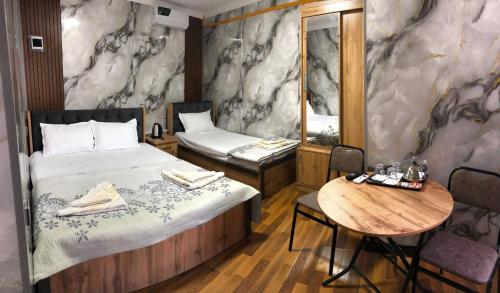
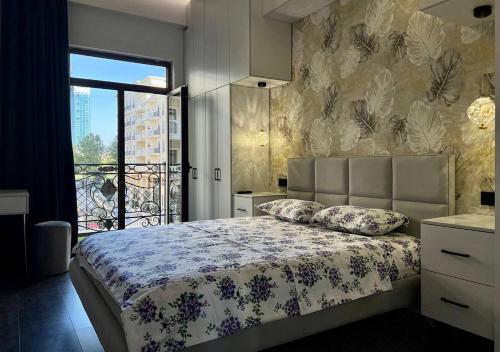
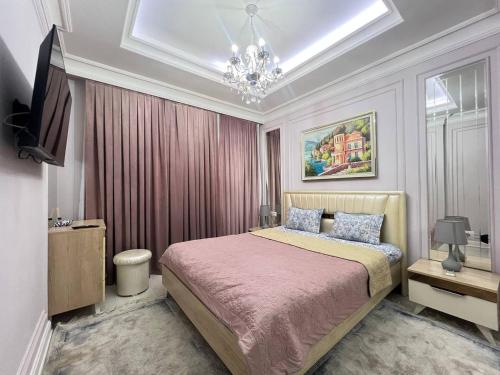

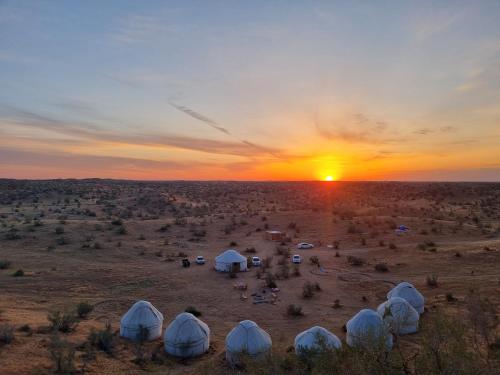

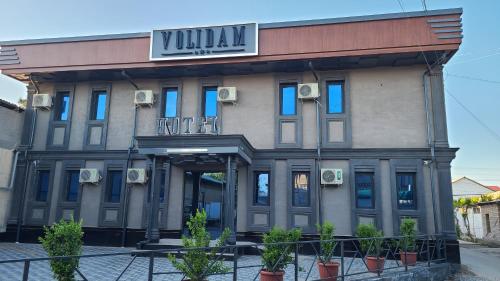

Live rates across our partner network (Booking.com, VRBO, Expedia, Hotels.com) via Stay22. Makutet may earn a commission when you book — at no extra cost to you. Prices update in real time and may vary before booking.
Experience

Guided cultural walk
Start in Samarkand for a half-day guided walk linking the city’s historic architectural setting and its stories. Arrange the guide and any site access before arrival; spring and autumn are the most comfortable seasons for extended outdoor walking.
history-minded travellers · photographers

Guided city day
Use Bukhara as the base for a full day on foot through its historic urban fabric, with a guide booked ahead to explain how the city’s buildings and trading traditions fit together. Spring and autumn suit the long outdoor day; allow time for uneven walking surfaces.
culture seekers · slow travellers

Private guided drive
Arrange a full-day private drive from the Fergana Valley to combine changing valley scenery with pre-booked visits to working craft settings. Spring and autumn make the journey more comfortable; confirm the driver, route and visits before travelling, as this is not a walk-in activity.
craft enthusiasts · curious families

Guided nature excursion
Book a guided day trip into the Kyzylkum Desert from an agreed regional starting point, with transport and return timing confirmed in advance. Choose spring or autumn to avoid the strongest summer heat; agree on walking distance, shade and provisions before departure.
landscape travellers · photographers
Things to do
What Makutet's Uzbekistan research recommends, and where the tours that cover it can actually be booked.
Editorial recommendations from Makutet's Uzbekistan research. Tickets and tours are searched on Klook.
Samarkand architecture walk with a local guide
Start in Samarkand for a half-day guided walk linking the city’s historic architectural setting and its stories. Arrange the guide and any site access before arrival; spring and autumn are the most comfortable seasons for extended outdoor walking.
Bukhara old-city guided day
Use Bukhara as the base for a full day on foot through its historic urban fabric, with a guide booked ahead to explain how the city’s buildings and trading traditions fit together. Spring and autumn suit the long outdoor day; allow time for uneven walking surfaces.
Fergana Valley craft and landscape drive
Arrange a full-day private drive from the Fergana Valley to combine changing valley scenery with pre-booked visits to working craft settings. Spring and autumn make the journey more comfortable; confirm the driver, route and visits before travelling, as this is not a walk-in activity.
Kyzylkum Desert guided excursion
Book a guided day trip into the Kyzylkum Desert from an agreed regional starting point, with transport and return timing confirmed in advance. Choose spring or autumn to avoid the strongest summer heat; agree on walking distance, shade and provisions before departure.
Aral Sea
A terminal lake basin that has significantly receded in size, now featuring desert landscapes and abandoned ship remains.
Shahrisabz
A historic town containing monumental structures from the Timurid dynasty, located in the southern part of the country.
Activity cards are editorial — Makutet is not selling these specific experiences. The partner search opens Klook for Uzbekistan, where availability and price are theirs.
Understand
The context that turns a visit into an understanding.

macro_region
A vast, arid plain covering the central and western parts of the country, featuring desert basins and low plateaus.

macro_region
High mountain systems located in the eastern and southeastern parts of the country, characterized by deep valleys and glacial peaks.

sub_region
A large sandy desert basin situated between the Amu Darya and Syr Darya rivers in the central region.

sub_region
An intermontane depression in Central Asia that is densely populated and a major agricultural center.

Food
Plov is a central Uzbek rice dish, commonly served as a substantial shared meal. Treat it as a meal in its own right, and ask about serving times locally rather than assuming it will be available at every hour.

Drink and hospitality
Tea is part of the rhythm of hospitality in Uzbekistan. Accepting a cup offers a natural pause to talk with a host; in warmer weather, tea is still a social custom rather than simply a way to warm up.

Food customs
Bread has a respected place at the Uzbek table. Follow the host’s lead when bread is offered or shared, and approach a meal as a social occasion rather than a quick stop between visits.

Neighbourhood character
Bukhara’s identity is rooted in its historic urban setting, where the experience is as much about moving through connected streets and architectural spaces as visiting individual buildings. Allow time to walk and pause rather than treating the city as a short photo stop.

Craft and culture
The Fergana Valley is a useful setting for learning about Uzbekistan’s craft traditions. Arrange a visit in advance so that a craft encounter is a conversation with a working maker, not merely an unplanned search for a shop.
When to go
March–May
Spring
A favourable season for a varied itinerary
June–August
Summer
Hot, particularly in arid lowlands
September–October
Autumn
A useful window for city and regional travel
Practical
Money, transport, connectivity and the details that matter on the ground.
Budget
Uzbekistan’s currency is the Uzbek soʻm. Cards are useful in larger city businesses, but carry cash for smaller purchases, local transport and rural areas, and check cash access before leaving Tashkent. Much of a trip’s spend goes on intercity transport, accommodation and guided visits; a remote stay in the Nuratau Mountains or a desert excursion adds transfer time and cost, while spring and autumn demand for established city stays can be greater.
Transport
Plan intercity travel between Tashkent, Samarkand, Bukhara and Khiva as separate legs and reserve long-distance transport ahead where schedules matter. A car with a driver is more practical for reaching the Nuratau Mountains, the Kyzylkum Desert or the Chirchiq River Valley than relying on local connections. Uzbekistan drives on the right; confirm transfers and pick-up points before setting out.
Safety
Keep identification secure and use established, agreed transport arrangements, particularly when travelling beyond Tashkent or visiting the Kyzylkum Desert. Conditions can be hot and dry in summer and cold in winter, so carry water and weather-appropriate clothing for outdoor days. Confirm current local emergency arrangements with your accommodation on arrival.
Connectivity
Arrange mobile connectivity before travelling onward from Tashkent, as coverage and access can be less convenient in rural parts of the Fergana Valley, the Nuratau Mountains and the Kyzylkum Desert. Uzbekistan uses plug types C and F; bring a compatible adaptor and keep offline copies of bookings and directions for transfer days.
Seasonal weather
Uzbekistan has a strongly continental climate: spring and autumn are generally the most comfortable periods for city walks in Samarkand, Bukhara and Khiva. Summer brings intense heat, especially in the Kyzylkum Desert and lowland areas, so plan outdoor activity for cooler hours and carry water; winter can be cold, making exposed sites and rural journeys less comfortable. The Nuratau Mountains and other higher terrain can feel cooler than the plains.
Accessibility and mobility
Travellers with reduced mobility, wheelchair users, pushchairs or older companions should plan routes and accommodation individually. Historic streets and buildings in Samarkand, Bukhara and Khiva can have uneven paving, steps and narrow entrances; pavements may be inconsistent, and rural terrain in the Nuratau Mountains or Kyzylkum Desert is challenging. Confirm step-free rooms, lifts, vehicle access and assistance directly with each provider; do not assume public transport or older accommodation is accessible.
Getting around
Airport transfers, rail, buses, ferries and car hire for Uzbekistan — arranged before you fly, priced by the supplier.
Stay connected
Install an eSIM before you fly and you are online the moment you land in Uzbekistan — no roaming charges, no shop queue at the airport.
Moments
Uzbekistan is best read through its contrasts: the celebrated names of Samarkand, Bukhara and Khiva, the urban scale of Tashkent, and a geography that reaches from the Kyzylkum Desert to the Tian Shan and Pamir-Alay ranges. The journey is not only between cities. It is also a passage through the varied regions that have shaped the country’s sense of place.
The signature moment
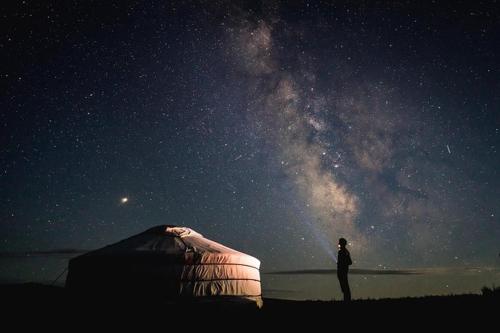
At the edge of the day in the Kyzylkum Desert, the first impression is space: a low horizon, dry ground and a light that gradually loses its sharpness. The air against the skin is dry, and the quiet makes small sounds distinct—the movement of a foot on the ground, the breath of someone beside you, the faint stir of wind. There is no sea here to frame the distance; the land itself carries the eye outward. Taste belongs to the traveller’s own pause, perhaps a drink or a simple piece of food brought along, its familiarity sharpened by the arid surroundings. As the light changes, the desert stops being an empty interval on the way to a city and becomes a place with its own presence. That moment contains something essential about Uzbekistan: the country is not only its celebrated urban names, but also the great interior spaces that separate and connect them. Its doubly landlocked character is felt less as a fact than as this particular exposure to land, distance and sky.
The story behind it
Uzbekistan’s heritage is carried by places rather than by a single, simple origin story. Samarkand, Bukhara and Khiva stand as major historical reference points, while Shahrisabz adds another place through which to consider the country’s past. Their significance should not be turned into a seamless national narrative: cities and regions have had distinct histories, and the present country’s boundaries do not erase that complexity. A careful account holds cultural inheritance alongside the changes and difficulties that accompany political histories, without assigning unsupported dates or claiming that one story explains every region. Tashkent, the Fergana Valley and the landscapes of the Turan Lowland and Kyzylkum Desert belong to a broader picture in which settlement, movement and geography are inseparable.
Before you go
Let the cities and regions remain distinct in your mind. Samarkand, Bukhara and Khiva offer historical bearings; the Kyzylkum Desert, Fergana Valley and mountain ranges keep the country from being reduced to an urban itinerary. A thoughtful journey here is measured by the attention it gives to those changes of scale. Uzbekistan’s character emerges in the movement between places, and in the recognition that the open country is part of the story, not merely the way between its chapters.
Inland on all sides
Uzbekistan is doubly landlocked and borders five countries: Kazakhstan, Kyrgyzstan, Tajikistan, Afghanistan and Turkmenistan. Its geography is therefore defined by continental connections, not a coastline.
Contrasting regions
The country’s recorded regions range from the Kyzylkum Desert and Turan Lowland to the Tian Shan and Pamir-Alay ranges and the Fergana Valley—a markedly varied geography within one national frame.
March–May
Spring travel
Spring is generally a favourable period for travelling between Samarkand, Bukhara and Khiva and for seeing the country’s varied terrain. Expect conditions to change between the dry lowlands and higher mountain areas; plan layers and allow flexibility.
September–October
Autumn travel
Autumn is another useful window for combining the historic cities with the Kyzylkum Desert or a mountain region. The shift from lowland to elevation affects conditions, so a route should leave room for local variation rather than assume uniform weather.
June–August
High summer
Summer in Uzbekistan is hot, especially across the arid lowlands and Kyzylkum Desert. Keep demanding outdoor time to cooler parts of the day where possible, and consider prioritising city visits and transfers at times that reduce exposure to peak heat.
FAQ
Spring and autumn are generally most comfortable for walking in Samarkand, Bukhara and Khiva.
Summer can be intensely hot, particularly across the Kyzylkum Desert and lowland regions; plan outdoor activity for cooler hours.
Uzbekistan uses the Uzbek soʻm. Cards are useful in larger businesses, but cash remains important for smaller purchases and rural travel.
Arrange a transfer and accommodation in advance; rural connections are less straightforward than travel between major cities.
Access can be difficult: historic streets may be uneven, with steps and narrow entrances. Confirm routes and step-free accommodation directly.
Uzbekistan drives on the right. Plan long-distance legs separately and pre-arrange a driver for rural destinations such as the Kyzylkum Desert.
Before you go
The last thing most travellers forget — and the disclosure that applies to every partner link on this page.
Booking and rate checks run on the partner's own site; prices and availability are theirs and can change. Some links are affiliate links and Makutet may earn a commission at no extra cost to you. See our affiliate disclosure.
Makutet builds a day-by-day itinerary around the places above — then keeps it updated as you travel.
Country guide: /country/uzbekistan
Your assessment works without optional tracking. Necessary storage keeps your trip and privacy choice. Embedded flight search includes TravelPayouts tracking; ordinary partner links remain available if you decline.
Cookie policy · Privacy policy. Reopen Cookie settings to change your choice. Supplier-site cookies are controlled by that supplier.
