
History
Carthage
An archaeological site featuring the remains of the ancient Phoenician civilization and later Roman structures.

africa
At Africa’s northernmost point, Tunisia turns from the Mediterranean coast towards the Tell, the Sahel and the Sahara Interior. Its character is found in the passage between them, and in the histories held by places such as Carthage, Kairouan and the Medina of Tunis.
The country
The country
Tunisia occupies North Africa’s Mediterranean edge, between Algeria to the west and Libya to the southeast. At the continent’s northernmost point, its geography draws coast, fertile northern landscapes and Saharan interior into close relation. The result is a country whose character is best understood through movement between distinct regions rather than through a single image of sun and sea.
Why visit
Tunisia rewards travellers who want to understand how landscape and history meet at a Mediterranean crossroads. The northern Tell, the Tunisian Sahel and the Sahara Interior are not interchangeable backdrops: each changes the pace and character of a journey. Carthage and the Medina of Tunis bring the country’s long urban and historical inheritance into view, while Sidi Bou Said offers a different encounter with the coast. At El Jem Amphitheatre, monumental architecture gives history a physical scale; at Dougga and Kairouan, heritage takes other forms, rooted in place and religious and civic life. Beyond them, Chott el Djerid and the Grand Erg Oriental orient the traveller towards the desert, while Ichkeul National Park adds a strikingly different dimension to the country’s natural landscape. The appeal lies in making those contrasts legible, not in trying to collect them quickly. A trip can begin along the Mediterranean, turn inland through the country’s historical places, and continue towards the southern interior, with the changing terrain shaping the experience at every stage. Tunisia is also a country to approach attentively: its heritage is layered, and its contemporary life cannot be reduced to an ancient past or a coastal holiday. For travellers willing to give each region room, the country offers a compact but varied encounter with North Africa, where sea, city, archaeological remains and desert are connected within one national landscape.
What it feels like
The Mediterranean coast sets one register; inland, the northern Tell and Tunisian Sahel give way towards the Sahara Interior and Grand Erg Oriental. Tunisia’s atmosphere is shaped by this shift between open horizons and dense historic places: the Medina of Tunis and Kairouan invite close attention, while Chott el Djerid and the desert interior broaden the scale. History is present in stone and street, but the country is not only a record of the past; everyday life continues alongside it.
Who it suits
Tunisia suits travellers who enjoy combining coastal time with history, culture and changing landscapes, and who are content to let distances and regional differences shape the itinerary. It is particularly well suited to those who want to balance places such as Carthage, the Medina of Tunis or El Jem Amphitheatre with the interior around Chott el Djerid and the Grand Erg Oriental. Visitors seeking one resort setting or a fast checklist of sights may find that they miss the country’s strongest quality: the contrast between its regions.
How to get here
Live fares into Tunisia across hundreds of airlines, compared in one search. Book directly with the airline or agent — Makutet never adds a fee.
Live fares to Tunisia across hundreds of airlines. Book directly with the airline or agent — no extra cost to you.
Embedded flight search uses TravelPayouts cookies and tracking. Enable partner search to load it here, or continue directly on the partner site.
The external partner link includes Makutet's affiliate marker; confirm your route, dates and passengers there. No booking is made on Makutet.
Live search and booking run on the TravelPayouts partner engine. Fares update in real time and may vary before booking. Any prices shown elsewhere on Makutet are monitored observations, not live quotes.
Identity
The places that define the country rather than merely sit inside it.
History
An archaeological site featuring the remains of the ancient Phoenician civilization and later Roman structures.

Culture
A coastal village perched on a cliff known for its distinct blue and white architecture overlooking the Mediterranean.

Heritage
A well-preserved Roman arena built in the 3rd century, illustrating the architectural capacity of the Roman Empire.

Heritage
A historic urban center characterized by traditional souks, palaces, and mosques spanning several centuries.
Imagery


Discover

Nature
A vast endorheic salt lake that undergoes extreme seasonal changes in water level and crystalline appearance.

History
A UNESCO World Heritage site containing well-preserved Roman ruins situated on a hill overlooking the Oued Khalled valley.

Culture
A major center of Islamic learning and heritage, notable for its Great Mosque and historic religious significance.

Ecology
A protected wetland area serving as a critical stopover point for migratory birds moving between Africa and Europe.
Stay
The bases that actually change the trip.

Courtyard guesthouse
Choose a traditional courtyard stay in the Medina of Tunis for direct access to its lanes on foot. Arrange a transfer to the edge of the old quarter and confirm luggage assistance: narrow, uneven routes can make the final approach awkward. It suits cooler-season city visits, though stairs and compact rooms may limit accessibility.
heritage travellers · slow-paced explorers

Coastal guesthouse
A small guesthouse in the Tunisian Sahel puts the Mediterranean within reach and works well for a slower coastal stay in spring or autumn. Travel there by road or rail connection, checking the final local transfer before booking; a room near the coast can mean more seasonal demand and less choice in summer.
coastal travellers · couples

Desert lodge
Stay in a desert lodge in the Sahara Interior to make early departures and guided drives practical without returning to a coastal base each night. Confirm road transfers and meal arrangements in advance, as access is less straightforward than in the north. The cooler months suit longer time outdoors; summer heat can constrain the day.
adventure travellers · landscape photographers

Rural guesthouse
A rural guesthouse in the Northern Tell offers a quieter base for exploring the region by car, with spring and autumn better suited to time outdoors. Check the property’s precise access and arrange transport before arrival: rural locations can be difficult to reach without a vehicle, and services are less immediate than in Tunis.
independent travellers · walkers
Where to stay
Live rates across Booking.com, Agoda, VRBO and Expedia for Tunisia. Compare the areas above, then check what a night actually costs.
Popular destinations
Live rates across Booking.com, Agoda, VRBO and Expedia for Tunisia — no extra cost to you.

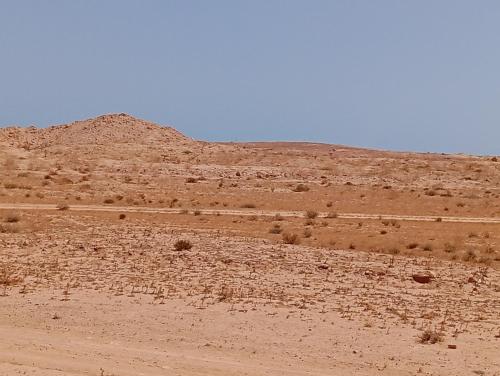

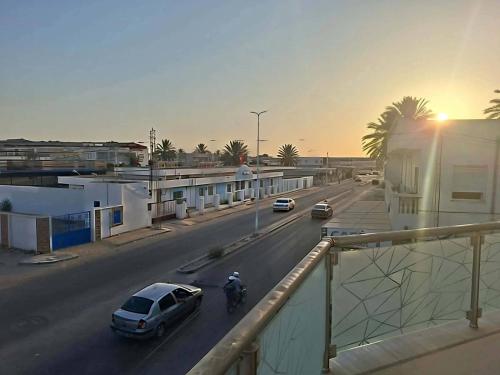
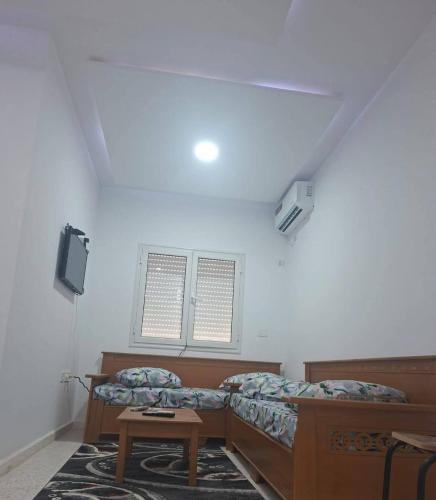


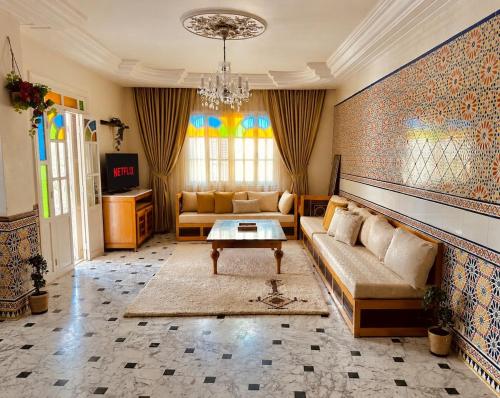
Live rates across our partner network (Booking.com, VRBO, Expedia, Hotels.com) via Stay22. Makutet may earn a commission when you book — at no extra cost to you. Prices update in real time and may vary before booking.
Experience

Guided day
Use the Northern Tell as the starting point for a full-day guided drive, with time on the road between the region’s landscapes and stops for walks and local context. Arrange the guide and vehicle ahead, particularly for a private itinerary; spring and autumn are comfortable seasons for spending much of the day outdoors.
culture-minded travellers · landscape photographers

Desert drive
Set out from the Sahara Interior on a guided 4WD day, allowing a full day for the drive, pauses and return rather than treating the crossing as a short transfer. Reserve a driver and vehicle in advance, and plan for the cooler part of the year; summer heat makes long periods outside demanding.
adventurous travellers · photographers

Sailing
Take a half-day sailing outing from the Tunisian Sahel, combining time on the Mediterranean with a return to shore the same day. Confirm the departure point and reserve with an operator ahead, especially in summer, when coastal demand is greater; wind and sea conditions can affect whether a trip runs.
coastal travellers · couples

Walking tour
Join a local guide for a two-to-three-hour walk through the Medina of Tunis, taking time to navigate its compact lanes and understand how its markets and religious and civic spaces fit together. Book a guide ahead if you want a set time and language; cooler months make the walk more comfortable.
history enthusiasts · independent travellers
Things to do
What Makutet's Tunisia research recommends, and where the tours that cover it can actually be booked.
Editorial recommendations from Makutet's Tunisia research. Tickets and tours are searched on GetYourGuide.
A guided day through the Northern Tell
Use the Northern Tell as the starting point for a full-day guided drive, with time on the road between the region’s landscapes and stops for walks and local context. Arrange the guide and vehicle ahead, particularly for a private itinerary; spring and autumn are comfortable seasons for spending much of the day outdoors.
A Sahara Interior crossing by 4WD
Set out from the Sahara Interior on a guided 4WD day, allowing a full day for the drive, pauses and return rather than treating the crossing as a short transfer. Reserve a driver and vehicle in advance, and plan for the cooler part of the year; summer heat makes long periods outside demanding.
A Tunisian Sahel coastal sailing day
Take a half-day sailing outing from the Tunisian Sahel, combining time on the Mediterranean with a return to shore the same day. Confirm the departure point and reserve with an operator ahead, especially in summer, when coastal demand is greater; wind and sea conditions can affect whether a trip runs.
A guided walk through the Medina of Tunis
Join a local guide for a two-to-three-hour walk through the Medina of Tunis, taking time to navigate its compact lanes and understand how its markets and religious and civic spaces fit together. Book a guide ahead if you want a set time and language; cooler months make the walk more comfortable.
Chott el Djerid
A vast endorheic salt lake that undergoes extreme seasonal changes in water level and crystalline appearance.
Dougga
A UNESCO World Heritage site containing well-preserved Roman ruins situated on a hill overlooking the Oued Khalled valley.
Activity cards are editorial — Makutet is not selling these specific experiences. The partner search opens GetYourGuide for Tunisia, where availability and price are theirs.
Understand
The context that turns a visit into an understanding.

macro_region
A mountainous region characterized by high rainfall and fertile plains that support diverse agricultural activities.

macro_region
An arid southern zone dominated by vast sand dunes, rocky plateaus, and desert ecosystems with limited vegetation.

sub_region
The central coastal strip known for its extensive olive groves and significant maritime trade ports.

sub_region
A massive sea of sand dunes forming the northern portion of the Sahara desert within the territory.

Food
Brik is a crisp pastry commonly filled with egg and tuna. It is eaten carefully while hot, since the runny yolk is part of the appeal; expect it as a substantial snack or a light meal rather than a dessert.

Condiment
Harissa, a chilli paste, is a familiar accompaniment in Tunisia. Its heat varies, so taste a small amount before adding more; it is often served alongside food rather than treated as a flavourless table condiment.

Drink and hospitality
Mint tea is served sweet and is often a reason to linger after a meal or during a conversation. Accepting a cup can make a visit feel less hurried; ask for less sugar if that is your preference.

Custom and neighbourhood character
In the Medina of Tunis, shopping is conducted in close lanes where displays and passing visitors share limited space. Greet a shopkeeper, handle goods with care and ask before taking photographs; unhurried, polite bargaining is more at home here than a confrontational approach.
When to go
March–May
Spring
Milder conditions suit a coast-and-interior itinerary.
June–August
Summer
Coastal travel remains possible; inland heat is intense.
September–November
Autumn
A useful season for travelling across regions.
December–February
Winter
Cooler and more changeable, especially in the north.
Practical
Money, transport, connectivity and the details that matter on the ground.
Budget
Tunisia uses the Tunisian dinar. Cards are useful in larger hotels and established businesses, but carry cash for markets, smaller cafés, local transport and places beyond the main coastal centres. Spending is shaped by accommodation, meals and travel between the Mediterranean coast, the Tunisian Sahel and the Sahara Interior; remote interior travel can require more planning and transport time. The coast is busiest in summer, while spring and autumn suit journeys inland.
Transport
The main practical choice is between public transport for established routes and a hire car or arranged transfer for dispersed places such as Dougga, Chott el Djerid and the Sahara Interior. Tunisia drives on the right. Allow extra time when connecting the Mediterranean coast with inland regions, and confirm onward transport before setting out for rural sights rather than assuming frequent services.
Safety
In Tunis and other busy settings, keep valuables secure and agree the fare or route before using informal transport. For journeys towards the Sahara Interior or Grand Erg Oriental, use a capable local driver or guide and confirm the route and return arrangements in advance. Carry water, follow local advice on heat and conditions, and check current official travel guidance before departure.
Connectivity
Mobile coverage and data are most useful around towns and the Mediterranean coast; coverage can be less dependable on remote journeys through the Sahara Interior and Grand Erg Oriental. Arrange a roaming plan or local SIM/eSIM before relying on navigation, and download maps and essential booking details for offline use. Keep accommodation and transfer contacts accessible when travelling between regions.
Seasonal weather
Tunisia has hot, dry summers and cooler, wetter winters, with the Mediterranean coast generally milder than the Sahara Interior. June to August brings the strongest heat, especially inland, so plan desert travel for cooler parts of the day and expect less comfortable conditions for long outdoor visits. Spring and autumn are generally more suitable for combining coastal time with journeys to Dougga, Kairouan or Chott el Djerid; winter can bring rain in the north.
Accessibility and mobility
Travellers with reduced mobility, wheelchair users, pushchairs or older companions should plan routes and accommodation directly rather than assume step-free access. Historic settings such as the Medina of Tunis and Dougga have uneven surfaces, steps and limited accessible circulation; pavements and vehicle access can also be inconsistent. Ask accommodation providers and transfer operators about entrances, lifts, bathrooms and vehicle access in advance, and allow additional time for moving between regions.
Getting around
Airport transfers, rail, buses, ferries and car hire for Tunisia — arranged before you fly, priced by the supplier.
Stay connected
Install an eSIM before you fly and you are online the moment you land in Tunisia — no roaming charges, no shop queue at the airport.
Moments
Tunisia is shaped by a meeting of edges: Mediterranean shore, northern African headland, and a broad interior that runs from the Northern Tell towards the Sahara. Its story is not confined to one landscape or one inherited past. Carthage, the Medina of Tunis, the Sahel and the Grand Erg Oriental each offer a different point of entry into a country whose geography makes movement between coast and inland central to understanding it.
The signature moment
At the edge of Chott el Djerid, pause in the morning as the light begins to clarify the wide, low horizon. The salt lake’s open surface and pale expanses draw the eye outward; the air feels dry, and the stillness makes small sounds—footsteps, a voice nearby, the movement of wind—seem distinct. There is no crowded sequence of sights to follow here. Instead, the scale of the landscape asks for patience: watch the changing light, feel the warmth gather, and take in how little interrupts the meeting of sky and land. This moment contains something essential about Tunisia because it shifts the frame from the familiar Mediterranean coast to the Sahara Interior. The country is not a single shoreline or a collection of monuments, but a passage between regions, each changing the pace and proportions of travel. At Chott el Djerid, that transition becomes visible in the space around you.
The story behind it
Tunisia’s heritage is layered rather than reducible to a single founding story. Carthage stands as a defining marker of an ancient Mediterranean past, while the Medina of Tunis and Kairouan represent enduring centres of urban and religious life. El Jem Amphitheatre and Dougga preserve monumental settings through which visitors encounter the depth and variety of the country’s built heritage. These legacies sit within a landscape that has long connected the Mediterranean coast with the inland routes and settlements of North Africa. A careful visit should recognise both the scale of these inheritances and the fact that no single monument can stand for the whole history of Tunisia.
Before you go
Let the journey change its rhythm as the landscape changes. The Northern Tell, the Tunisian Sahel and the Sahara Interior are not interchangeable backdrops; each gives a different sense of distance, light and daily life. Allow time to notice those differences rather than treating the country as a checklist. Tunisia rewards attention to its contrasts: the Mediterranean edge and the inland horizon, monumental heritage and the textures of lived places. A considered itinerary leaves room for both, and for the pauses between them.
A continental headland
Tunisia occupies the northernmost point of the African continent, while its Mediterranean coastline faces a country whose interior extends far south towards the Sahara.
Four distinct regions
The country’s recorded geographic regions range from the Northern Tell and Tunisian Sahel to the Sahara Interior and Grand Erg Oriental, a striking breadth within Tunisia itself.
March–May
Spring across regions
Spring generally brings milder conditions than the summer heat, making it a practical window for combining Tunisia’s Mediterranean coast with inland places such as Dougga or Kairouan. Build the route around the change in landscape rather than trying to cover every region quickly.
October–November
Autumn journeys
Autumn is typically a workable period for moving between the coast, the Tunisian Sahel and the interior, as the strongest summer heat eases. Keep some flexibility for long overland days, especially when including the Sahara Interior or Chott el Djerid.
June–August
High summer
Summer brings pronounced heat, most demanding away from the Mediterranean coast and across the Sahara Interior. Schedule outdoor visits for cooler parts of the day, carry water, and avoid making a long inland transfer the centrepiece of the hottest hours.
FAQ
Spring and autumn are generally the most comfortable seasons for combining the Mediterranean coast with inland travel. Summers are very hot, particularly in the Sahara Interior.
Tunisia uses the Tunisian dinar. Cards are accepted in some larger businesses, but cash remains useful for markets, small cafés and local transport.
Yes, but plan the journey and onward transport in advance. Distances and limited connections make a transfer or hire car useful for reaching inland areas.
Water quality can vary by location. Travellers commonly choose sealed bottled water, particularly when away from larger towns, and should follow local advice.
Traffic drives on the right in Tunisia. Allow for longer journey times when travelling between coastal areas and inland regions.
Access can be difficult: historic places may have uneven ground and steps, while pavements and accommodation facilities vary. Confirm access details with providers before booking.
It is sensible to arrange transport ahead for dispersed places such as Dougga and Chott el Djerid, especially when public connections do not match your itinerary.
Before you go
The last thing most travellers forget — and the disclosure that applies to every partner link on this page.
Booking and rate checks run on the partner's own site; prices and availability are theirs and can change. Some links are affiliate links and Makutet may earn a commission at no extra cost to you. See our affiliate disclosure.
Makutet builds a day-by-day itinerary around the places above — then keeps it updated as you travel.
Country guide: /country/tunisia
Your assessment works without optional tracking. Necessary storage keeps your trip and privacy choice. Embedded flight search includes TravelPayouts tracking; ordinary partner links remain available if you decline.
Cookie policy · Privacy policy. Reopen Cookie settings to change your choice. Supplier-site cookies are controlled by that supplier.