
Urban center
Mogadishu
The capital city and primary port of the nation, situated on the coast of the Indian Ocean.

africa
Somalia is a country of seaward horizons and inland contrasts, from the Gulf of Aden and Indian Ocean to the Northern Highlands, Ogo Mountains and Juba Valley. Its geography is the beginning of its story, and the clearest guide to travelling across it.
The country
The country
Somalia occupies the Horn of Africa, at the easternmost edge of the African mainland, with a long seaboard facing both the Gulf of Aden and the Indian Ocean. Its geography reaches from the Northern Highlands and Ogo Mountains to the Southern Lowlands and Juba Valley, setting the coast, interior and river landscapes in close relation.
Why visit
Somalia is a country to understand through its geography: the Horn of Africa projects eastwards, while an extensive coastline follows the Gulf of Aden and the Indian Ocean. That meeting of land and water gives the journey its central orientation. Mogadishu and Berbera are coastal reference points; Cape Guardafui marks the country’s far-eastern character. Inland, the Northern Highlands and Ogo Mountains offer a different frame from the Southern Lowlands, while the Juba Valley and Shabelle River draw attention to the role of river country within a landscape often first imagined through its shoreline. The named places are not a ready-made itinerary, but anchors for reading a country of distinct regions and contrasts. Laas Geel, Hargeisa, the Juba River and the Bajuni Islands add further points of reference, linking highland, river and island settings to the wider national picture. Travelling here calls for preparation and a measured approach: distances and connections should be understood before setting out, rather than assumed from a map. The reward is not a single uniform scene, but the experience of moving between coastal and inland worlds and seeing how each changes the scale and character of the country. Somalia suits travellers drawn to geography with substance, who value context, travel attentively and are willing to plan around the realities of reaching each part of the country.
What it feels like
The country’s atmosphere is shaped by contrasts of exposure and shelter: open coastline along the Gulf of Aden and Indian Ocean, high ground in the Northern Highlands and Ogo Mountains, and the more enclosed landscapes of the Juba Valley and Southern Lowlands. Coastal and river settings give the journey different rhythms, while Somali culture lends it a strong sense of place and continuity. Expect variety rather than one prevailing landscape.
Who it suits
Somalia suits experienced, well-prepared travellers with a strong interest in geography, regional character and cultural context. It is best approached by those willing to plan connections carefully, travel with flexibility and treat the coast, highlands, lowlands and river country as distinct parts of a larger journey.
How to get here
Live fares into Somalia across hundreds of airlines, compared in one search. Book directly with the airline or agent — Makutet never adds a fee.
Live fares to Somalia across hundreds of airlines. Book directly with the airline or agent — no extra cost to you.
Embedded flight search uses TravelPayouts cookies and tracking. Enable partner search to load it here, or continue directly on the partner site.
The external partner link includes Makutet's affiliate marker; confirm your route, dates and passengers there. No booking is made on Makutet.
Live search and booking run on the TravelPayouts partner engine. Fares update in real time and may vary before booking. Any prices shown elsewhere on Makutet are monitored observations, not live quotes.
Identity
The places that define the country rather than merely sit inside it.
Urban center
The capital city and primary port of the nation, situated on the coast of the Indian Ocean.

Geography
The easternmost point of the African continent, forming the tip of the Horn of Africa at the Guardafui Channel.

Hydrography
A major waterway originating in the Ethiopian Highlands and flowing through the southern plains of the country.

Maritime port
A significant port city located on the Gulf of Aden, serving as a historic commercial hub for the region.
Imagery


Discover

Archaeology
A complex of caves containing Neolithic rock art, representing some of the oldest known paintings in the region.

Hydrography
A perennial river in southern Somalia that provides vital irrigation for agriculture and supports diverse wildlife.

Coastal nature
An archipelago consisting of coral islands located off the southern coast, known for their unique marine biodiversity.

Urban center
A major urban center in the northern interior, serving as the capital for the northwestern part of the territory.
Stay
The bases that actually change the trip.

Guesthouse
Choose a locally arranged guesthouse in Mogadishu when a city base and access to onward transport matter most. Confirm airport transfer, local guidance and current access arrangements before booking; this option is most useful when you want to organise coastal and inland outings without depending on an unplanned departure.
independent travellers · city-based visitors

Hotel
A hotel in Berbera gives travellers a practical base for the Gulf of Aden coast and a pre-arranged drive towards the Northern Highlands. Agree the transfer and driver before arrival, and allow time for overland travel; this is less suited to plans that assume frequent public transport or spontaneous onward connections.
coastal travellers · overland explorers

Town accommodation
Staying in Hargeisa provides a town base for arranging a guided journey towards Laas Geel and the surrounding Northern Highlands. Book local transport and a guide ahead, and check access arrangements before setting out; the stay suits travellers willing to plan excursions around road time rather than walk between distant places.
culture-focused travellers · guided-excursion visitors

Rural lodge
For time in the Juba Valley, seek a locally confirmed rural lodge or guesthouse and establish the road transfer before committing to the stay. Expect fewer walkable services than in a town and plan supplies, guide and onward transport in advance; seasonal road conditions can shape both arrival time and access.
slow travellers · countryside visitors
Where to stay
Live rates across Booking.com, Agoda, VRBO and Expedia for Somalia. Compare the areas above, then check what a night actually costs.
Popular destinations
Live rates across Booking.com, Agoda, VRBO and Expedia for Somalia — no extra cost to you.
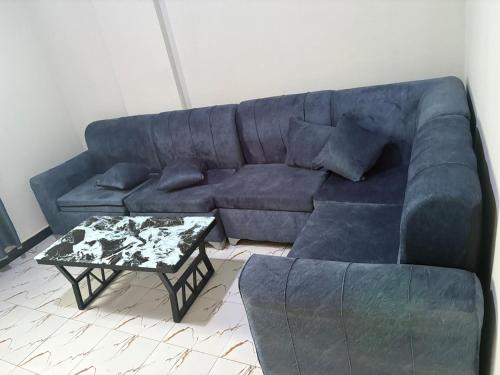

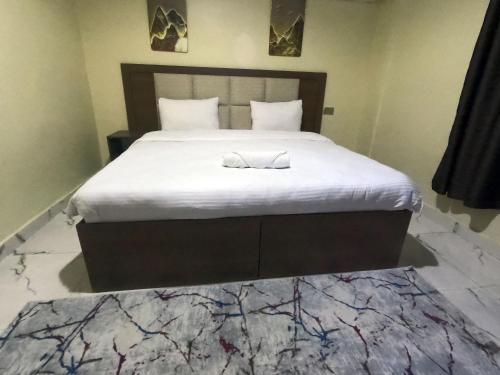


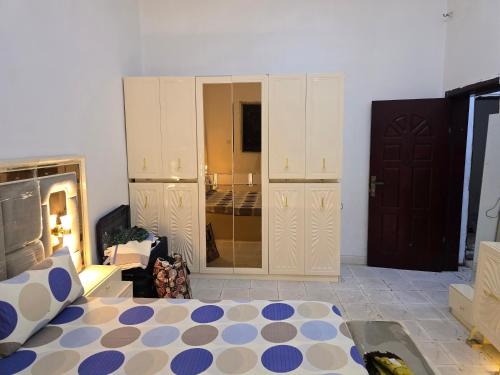
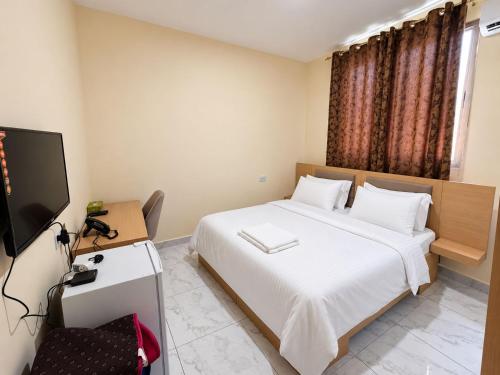
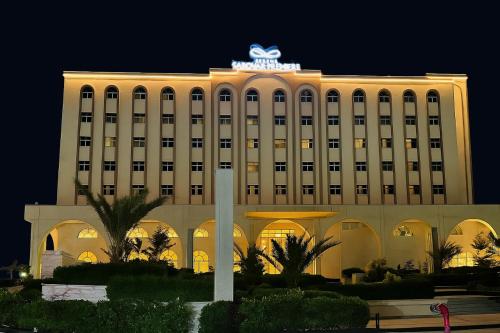
Live rates across our partner network (Booking.com, VRBO, Expedia, Hotels.com) via Stay22. Makutet may earn a commission when you book — at no extra cost to you. Prices update in real time and may vary before booking.
Experience

Guided orientation
Begin in Mogadishu for a guided half-day that explains how the Gulf of Aden and Indian Ocean coastline relates to the Southern Lowlands and the routes inland. Arrange a vetted local guide and transport before arrival; confirm current access and operating conditions, as these determine whether the outing can run.
first-time visitors · culturally curious travellers

Guided drive
Use Berbera as the starting point for a guided day drive towards the Northern Highlands, with the route and stops agreed in advance with a local operator. Allow a full day for the overland journey; reserve a vehicle, driver and guide ahead, and check seasonal road conditions before setting out.
landscape photographers · road-trip travellers

River and countryside excursion
From Mogadishu, arrange a guided day in the Shabelle River area to see how the river shapes the Southern Lowlands. This is an overland excursion rather than a walk-up visit: secure transport and a local guide in advance, allow a full day, and confirm access and conditions for the intended season.
nature-minded travellers · photographers

Coastal excursion
Plan an island-focused coastal outing to the Bajuni Islands, coordinating the mainland transfer and any onward boat locally before travel. Set aside at least a full day, with extra flexibility for connections and sea conditions; reserve transport and a local guide ahead rather than relying on same-day arrangements.
coastal travellers · birdwatchers
Things to do
What Makutet's Somalia research recommends, and where the tours that cover it can actually be booked.
Editorial recommendations from Makutet's Somalia research. Tickets and tours are searched on GetYourGuide.
Coastal and inland orientation from Mogadishu
Begin in Mogadishu for a guided half-day that explains how the Gulf of Aden and Indian Ocean coastline relates to the Southern Lowlands and the routes inland. Arrange a vetted local guide and transport before arrival; confirm current access and operating conditions, as these determine whether the outing can run.
Northern Highlands landscape drive
Use Berbera as the starting point for a guided day drive towards the Northern Highlands, with the route and stops agreed in advance with a local operator. Allow a full day for the overland journey; reserve a vehicle, driver and guide ahead, and check seasonal road conditions before setting out.
Shabelle River countryside day
From Mogadishu, arrange a guided day in the Shabelle River area to see how the river shapes the Southern Lowlands. This is an overland excursion rather than a walk-up visit: secure transport and a local guide in advance, allow a full day, and confirm access and conditions for the intended season.
Bajuni Islands coastal excursion
Plan an island-focused coastal outing to the Bajuni Islands, coordinating the mainland transfer and any onward boat locally before travel. Set aside at least a full day, with extra flexibility for connections and sea conditions; reserve transport and a local guide ahead rather than relying on same-day arrangements.
Laas Geel
A complex of caves containing Neolithic rock art, representing some of the oldest known paintings in the region.
Juba River
A perennial river in southern Somalia that provides vital irrigation for agriculture and supports diverse wildlife.
Activity cards are editorial — Makutet is not selling these specific experiences. The partner search opens GetYourGuide for Somalia, where availability and price are theirs.
Understand
The context that turns a visit into an understanding.

macro_region
This region consists of a rugged mountain range that runs parallel to the Gulf of Aden coast and high plateaus.

macro_region
An expansive area characterized by flat plains and savannas, drained by the Juba and Shabelle river systems.

sub_region
A high-altitude range situated in the northern part of the country, featuring peaks reaching over 2,000 meters.

sub_region
A fertile agricultural region located in the south, centered around the perennial Juba River flow.

Food
Canjeero, a fermented flatbread, is a familiar breakfast food in Somalia, often eaten with tea. Try it as part of a local meal rather than treating breakfast as a hotel-only routine; ask your host how it is served, since accompaniments and household habits vary.

Drink
Shaah, spiced tea, is part of everyday hospitality in Somalia. Accepting a cup can be a natural pause in a visit or conversation; take time over it rather than treating it as a quick takeaway, and follow the host's lead on when refreshments are offered.

Custom
In Somalia, greetings and exchanges are shaped by respect and hospitality. Use the right hand when greeting, offering or receiving something, and take a moment for courteous conversation before moving to practical requests; a guide or host can help explain local expectations in context.

Regional character
The contrast between Mogadishu's Indian Ocean coast, Berbera on the Gulf of Aden, and the inland Northern Highlands is a useful lens on Somali place and daily life. Routes connect coastal settlements with interior regions, so travel time and access are part of the experience, not incidental details.

Tradition and trade
Frankincense is an established part of Somali regional trade and cultural life. Ask a local host or guide about its place in everyday commerce and the connections between the coast and interior; this offers a grounded way to understand the country's landscape beyond a checklist of sights.
When to go
December–February
Drier season
Generally the more straightforward period for travel
March
Seasonal transition
A change before the main rains
April–June
Gu rains
Main rainy season
October–November
Deyr rains
Shorter rainy season
Practical
Money, transport, connectivity and the details that matter on the ground.
budget
Somalia’s currency is the Somali shilling. Do not assume cards will be accepted: arrange how you will obtain and carry cash before leaving Mogadishu, and confirm payment methods with each accommodation and driver. Budget for private transport and advance-arranged local support; reaching the Northern Highlands, Ogo Mountains or Juba Valley can require more time and planning than staying in a city. Coastal and island travel also adds access costs, while no reliable seasonal price pattern is established here.
transport
Plan journeys around distances between the coast and interior rather than assuming frequent public transport. Mogadishu, Berbera and Hargeisa are useful named starting points, but travel onwards to the Northern Highlands, Ogo Mountains or Juba Valley should be arranged with a locally informed driver or guide. Confirm routes, road conditions, timing and return transport before setting out; access to the Bajuni Islands requires separate boat arrangements.
safety
Conditions and access can vary by area, so check current travel advice and obtain locally informed guidance before travelling beyond Mogadishu or other established arrival points. Agree transport, route and check-in arrangements in advance, particularly for journeys into the Northern Highlands, Ogo Mountains or Juba Valley and for any boat travel towards the Bajuni Islands. Avoid setting out on remote routes without confirmed support.
connectivity
Mobile coverage and data availability should not be assumed across Somalia. Confirm a working local connection on arrival in Mogadishu and check coverage for each onward route, especially in the Northern Highlands, Ogo Mountains, Juba Valley and around the Bajuni Islands. Keep essential journey details available offline and agree how to contact your driver or accommodation where service may be limited.
seasonal weather
Somalia has a hot, generally arid climate, shaped by seasonal rains and dry periods. The Gu rains usually fall from April to June, with the Deyr rains from October to December; the intervening dry seasons are the Jilaal, roughly December to March, and the Xagaa, roughly July to September. Rain can affect overland access, particularly in the Juba Valley and Southern Lowlands, while heat makes exposed journeys demanding. Confirm local conditions before fixing dates or routes.
accessibility and mobility
Travellers with reduced mobility, wheelchair users, pushchairs and older companions should expect significant access challenges. Uneven or unpaved surfaces, limited continuous pavements and steps or narrow entrances can make independent movement difficult; vehicles may not be adapted, and accommodation accessibility is not standardised. Confirm step-free entry, bathroom access, vehicle assistance and distances directly with each provider. Remote routes in the Ogo Mountains, Northern Highlands and Juba Valley can be especially difficult to adapt.
Getting around
Airport transfers, rail, buses, ferries and car hire for Somalia — arranged before you fly, priced by the supplier.
Stay connected
Install an eSIM before you fly and you are online the moment you land in Somalia — no roaming charges, no shop queue at the airport.
Moments
Somalia is shaped by the meeting of a long Indian Ocean and Gulf of Aden coastline with the Horn of Africa’s interior. Its Northern Highlands, Southern Lowlands, Ogo Mountains and Juba Valley give the country distinct geographic registers; the named places—from Cape Guardafui to the Shabelle River—are points of orientation within that larger geography. With no destination-level seasonal or journey evidence recorded, this account stays at country scale and treats climate as a practical consideration rather than a detailed itinerary.
The signature moment
At first light in the Juba Valley, the day begins with the river’s presence: a line of moving water through the Southern Lowlands, the air still cool before the sun gains strength. Stand by the bank and watch the light pick out the difference between the river corridor and the drier ground beyond it. Listen for the small sounds of a morning settling into work; feel the shift from cool shade to warmth as the sun rises. There is no need to turn the scene into spectacle. Its force lies in seeing how a river gives this part of Somalia a different character from the open coast and the uplands. The Juba belongs to a country whose easternmost mainland edge meets two seas, yet whose identity is also formed inland, through highlands, lowlands and valleys. In that quiet hour, the contrast is visible without being explained: water draws a path through a broad landscape, while the horizon keeps open the scale of the country beyond it.
The story behind it
Somalia’s heritage is inseparable from its position at the eastern edge of the African mainland, where the Gulf of Aden and Indian Ocean meet. That maritime setting has long connected coastal life with the wider region, while the Northern Highlands, Southern Lowlands, Ogo Mountains and Juba Valley reflect the varied landscapes in which communities have made their lives. Mogadishu, Berbera and Hargeisa are among the named places through which this geography is encountered; Laas Geel and the Juba River offer further anchors in the country’s recorded landscape. A responsible account should not flatten Somalia’s history into a single narrative or overlook the difficult experiences that have shaped it. The evidence available here establishes geography and place, not a chronology of events, so it would be misleading to supply dates or claim a complete historical account.
Before you go
Somalia rewards attention to geography before itinerary. Read its coast and interior together: the Gulf of Aden and Indian Ocean are not the whole story, any more than the Northern Highlands or Juba Valley can stand for every part of the country. Let named places provide bearings, while leaving room for the landscape between them. A considered journey begins with practical preparation and modest expectations about what can be inferred from a map alone. The country’s character emerges in contrasts of coast, upland, lowland and river valley; allow those contrasts, rather than a crowded checklist, to shape the visit.
Two-sea coastline
Somalia occupies the easternmost part of the African mainland and has an extensive coastline along both the Gulf of Aden and the Indian Ocean.
Contrasting regions
The recorded geography names the Northern Highlands, Southern Lowlands, Ogo Mountains and Juba Valley—four distinct regional anchors within one country.
December–February
Drier-season option
Somalia’s dry season generally makes these months a more practical starting point for planning. Confirm local conditions and access before setting a route between the coast and interior.
April–June
Gu-season planning
The main Gu rains typically fall in this period. Rain can affect movement, especially when planning between the Southern Lowlands and inland areas, so build flexibility into arrangements.
October–November
Short rains
The Deyr rains usually bring a shorter wet spell. Conditions can vary by region; check locally before travelling between coastal places and the interior, rather than assuming a single national pattern.
FAQ
Somalia uses the Somali shilling. Confirm accepted payment methods before travel and carry cash where card payment is unavailable.
The Gu rains generally fall from April to June and the Deyr rains from October to December; check local conditions before planning overland travel.
Do not assume so. Distances, route conditions and the need for arranged transport can make journeys inland time-consuming; confirm a specific itinerary locally.
Confirm boat transport, local access, timing and a return plan in advance; do not treat island access as a routine land transfer.
Access can be difficult because surfaces, pavements, vehicles and accommodation are not consistently adapted. Verify step-free access and transport assistance directly.
Yes. Confirm pickup, route, driver and onward connections in advance, particularly for travel beyond Mogadishu or between coastal and inland areas.
Before you go
The last thing most travellers forget — and the disclosure that applies to every partner link on this page.
Booking and rate checks run on the partner's own site; prices and availability are theirs and can change. Some links are affiliate links and Makutet may earn a commission at no extra cost to you. See our affiliate disclosure.
Makutet builds a day-by-day itinerary around the places above — then keeps it updated as you travel.
Country guide: /country/somalia
Your assessment works without optional tracking. Necessary storage keeps your trip and privacy choice. Embedded flight search includes TravelPayouts tracking; ordinary partner links remain available if you decline.
Cookie policy · Privacy policy. Reopen Cookie settings to change your choice. Supplier-site cookies are controlled by that supplier.