
Urban Center
Honiara
The national capital city located on the northern coast of Guadalcanal Island, serving as the main political and economic hub.

oceania
Two parallel chains of volcanic islands and coral atolls stretch across the southwestern Pacific. From Honiara and Guadalcanal to Marovo Lagoon and the Santa Cruz Islands, Solomon Islands is understood through its distances, waters and distinct island settings.
The country
The country
Solomon Islands is a sovereign archipelagic nation in the southwestern Pacific, formed by parallel chains of volcanic islands and coral atolls. Its character is shaped by the distances between islands as much as by the land itself: from Honiara and Guadalcanal to the lagoons, atolls and more remote provinces, travel means engaging with a country whose geography is inherently maritime.
Why visit
Solomon Islands rewards travellers who want to understand a place through its island geography rather than move quickly between a checklist of sights. The country’s two parallel chains of volcanic islands and coral atolls create distinct settings: steep, green land meeting the sea, sheltered lagoons, and communities whose connections are organised across water. In Western Province, Marovo Lagoon gives that coastal world a defining expression; elsewhere, Malaita Province, Small Malaita and the Russell Islands offer different points of orientation across the archipelago. Honiara and Guadalcanal bring the country’s contemporary life and layered history into view, while Ironbottom Sound makes the sea itself a record of the past. At Savo Island, Langa Langa Lagoon, Tetepare Island and the Santa Cruz Islands, the experience is not simply of arriving at another island, but of seeing how varied the nation’s island settings can be. That variety asks for time and practical flexibility: journeys depend on connections between the mainland and islands, and a well-considered itinerary is more valuable than trying to cover everything. Solomon Islands suits travellers prepared to let distance, water and local rhythms shape the journey. Its appeal lies in the meeting of ocean and volcanic land, in places that retain their own character, and in the perspective gained by travelling through an archipelago rather than treating it as a single destination.
What it feels like
The atmosphere is maritime and close to the elements: volcanic land rises behind the coast, while lagoons and coral atolls draw attention back to the water. In Honiara and across the provinces, the country is best approached as a varied island society, not a uniform resort landscape. Its historical character is present in places such as Ironbottom Sound, alongside the everyday geography of islands, shores and crossings.
Who it suits
Solomon Islands suits independent, patient travellers with a genuine interest in island geography, culture and history, and the flexibility to plan around journeys between separated places. It is less suited to anyone expecting a compact itinerary or a trip organised around a single, easily reached centre.
How to get here
Live fares into Solomon Islands across hundreds of airlines, compared in one search. Book directly with the airline or agent — Makutet never adds a fee.
Live fares to Solomon Islands across hundreds of airlines. Book directly with the airline or agent — no extra cost to you.
Embedded flight search uses TravelPayouts cookies and tracking. Enable partner search to load it here, or continue directly on the partner site.
The external partner link includes Makutet's affiliate marker; confirm your route, dates and passengers there. No booking is made on Makutet.
Live search and booking run on the TravelPayouts partner engine. Fares update in real time and may vary before booking. Any prices shown elsewhere on Makutet are monitored observations, not live quotes.
Identity
The places that define the country rather than merely sit inside it.
Urban Center
The national capital city located on the northern coast of Guadalcanal Island, serving as the main political and economic hub.

Island
The largest island in the archipelago, noted for its complex mountainous interior and significant historical battle sites.

Marine Reserve
Recognized as the world's largest saltwater lagoon, located in the Western Province and enclosed by barrier islands.

Archipelago
A remote group of islands in the Temotu Province forming the easternmost part of the country.
Imagery


Discover

Conservation Area
The largest uninhabited tropical island in the South Pacific, maintained as a private conservation area.

Historical Site
A stretch of water between Guadalcanal and Savo Island known for its high concentration of sunken naval vessels.

Volcanic Island
A small volcanic island famous for its active volcano and the traditional nesting grounds of the scrubfowl.

Coastal Lagoon
A lagoon known for its man-made artificial islands constructed from coral chunks over several centuries.
Stay
The bases that actually change the trip.

Guesthouse
A guesthouse in Honiara offers a practical base for arranging guides, boat departures and onward travel to Guadalcanal or the islands. It is the simplest choice for land access and services, but does not put you on a lagoon; book ahead in the busier, drier travel period and allow time for local transfer arrangements.
independent travellers · practical planners

Island lodge
Staying in Western Province can place you closer to lagoon and reef outings, but reaching the accommodation generally means coordinating onward boat travel as well as the journey to the province. Confirm meals, transfers and the boat schedule before booking; wetter-season conditions can make access less predictable and add time to the journey.
snorkellers · travellers seeking a remote stay

Community-based accommodation
A community-based stay around Marovo Lagoon offers a slower, water-oriented base rather than town convenience. Arrange the boat transfer and host details in advance, and check what is provided at the property, including meals and access to the lagoon; travel in wetter conditions may require more flexibility and time.
culturally curious travellers · slow travellers

Coastal guesthouse
Choose a simple coastal stay on Guadalcanal when you want to combine time on the island with Honiara-based arrangements. Confirm the exact transfer, road access and available services before committing: accommodation beyond town can require a separate drive and may be less convenient for onward boat travel than a Honiara base.
independent travellers · island explorers
Where to stay
Live rates across Booking.com, Agoda, VRBO and Expedia for Solomon Islands. Compare the areas above, then check what a night actually costs.
Popular destinations
Live rates across Booking.com, Agoda, VRBO and Expedia for Solomon Islands — no extra cost to you.
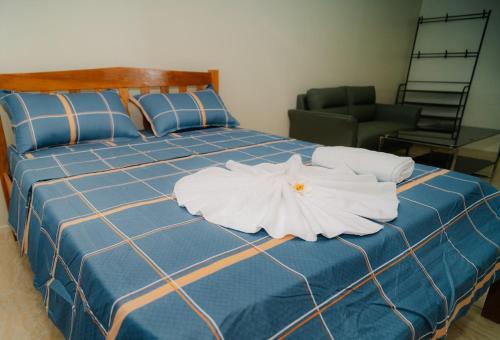
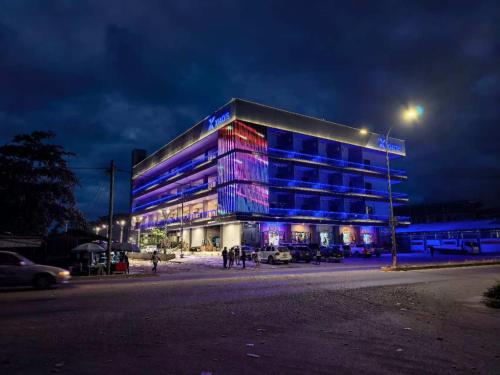
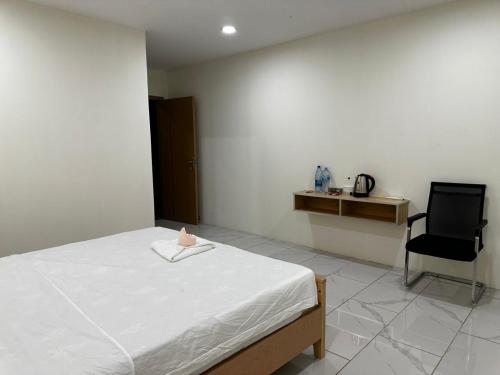
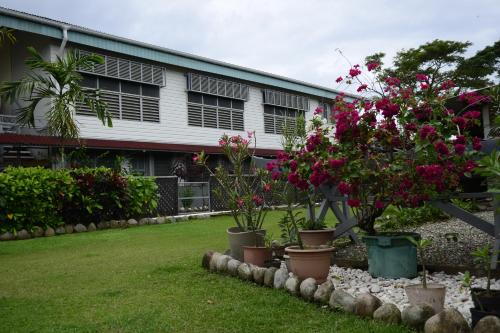
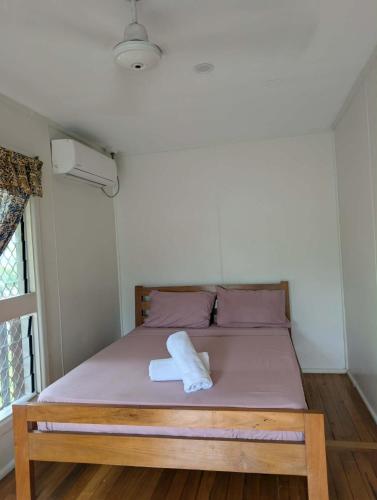
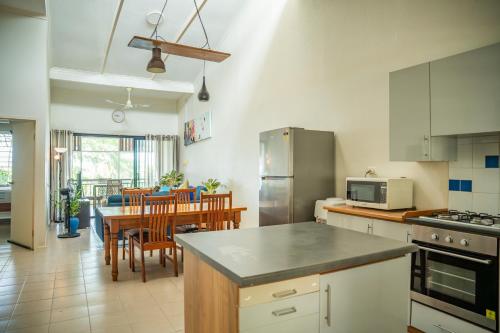

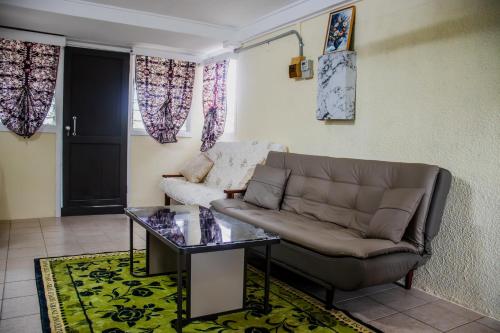
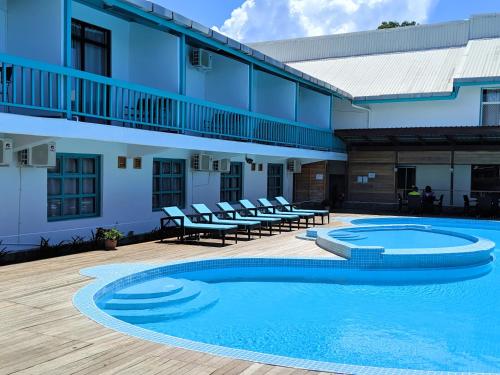
Live rates across our partner network (Booking.com, VRBO, Expedia, Hotels.com) via Stay22. Makutet may earn a commission when you book — at no extra cost to you. Prices update in real time and may vary before booking.
Experience

Guided marine day
Arrange a locally guided day on the water from Western Province, combining time in sheltered lagoon and reef waters with stops chosen for conditions. Allow a full day, confirm the departure point and boat before travelling, and reserve the guide and boat ahead; conditions and services are more limited in wetter months.
snorkellers · small-group travellers

Cultural and lagoon excursion
Plan a guided visit around Marovo Lagoon to learn about daily life and the relationship between settlement and water, with time on the lagoon by boat. Set aside a day and arrange local hosts, transport and any customary welcome in advance; access depends on boat availability and the weather, particularly during the wetter season.
culturally curious travellers · slow travellers

History and boat excursion
Take a guided day on the water around Ironbottom Sound, with interpretation of the wartime history associated with the area. Confirm the guide, vessel, departure arrangements and any site visits before arrival; plan around sea conditions, and allow a full day rather than treating the excursion as a short shore stop.
history enthusiasts · photographers

Island and nature excursion
Arrange a guided boat excursion from the Honiara area towards Savo Island, with the route and time ashore set by sea conditions and local arrangements. It is a full-day undertaking: reserve the boat and guide ahead, confirm whether landing is possible, and avoid assuming a fixed departure during unsettled weather.
active travellers · nature enthusiasts
Things to do
What Makutet's Solomon Islands research recommends, and where the tours that cover it can actually be booked.
Editorial recommendations from Makutet's Solomon Islands research. Tickets and tours are searched on GetYourGuide.
Guided reef and lagoon day from Western Province
Arrange a locally guided day on the water from Western Province, combining time in sheltered lagoon and reef waters with stops chosen for conditions. Allow a full day, confirm the departure point and boat before travelling, and reserve the guide and boat ahead; conditions and services are more limited in wetter months.
Village and lagoon visit in Marovo
Plan a guided visit around Marovo Lagoon to learn about daily life and the relationship between settlement and water, with time on the lagoon by boat. Set aside a day and arrange local hosts, transport and any customary welcome in advance; access depends on boat availability and the weather, particularly during the wetter season.
War-history guided day around Ironbottom Sound
Take a guided day on the water around Ironbottom Sound, with interpretation of the wartime history associated with the area. Confirm the guide, vessel, departure arrangements and any site visits before arrival; plan around sea conditions, and allow a full day rather than treating the excursion as a short shore stop.
Volcanic-island boat excursion near Savo
Arrange a guided boat excursion from the Honiara area towards Savo Island, with the route and time ashore set by sea conditions and local arrangements. It is a full-day undertaking: reserve the boat and guide ahead, confirm whether landing is possible, and avoid assuming a fixed departure during unsettled weather.
Tetepare Island
The largest uninhabited tropical island in the South Pacific, maintained as a private conservation area.
Ironbottom Sound
A stretch of water between Guadalcanal and Savo Island known for its high concentration of sunken naval vessels.
Activity cards are editorial — Makutet is not selling these specific experiences. The partner search opens GetYourGuide for Solomon Islands, where availability and price are theirs.
Understand
The context that turns a visit into an understanding.

macro_region
The westernmost administrative division encompassing the New Georgia group of islands and various surrounding lagoons.

macro_region
An eastern region dominated by the large, mountainous island of Malaita and the smaller Maramasike Island.

sub_region
A small group of volcanic islands located northwest of the capital, known for their distinct geological formations.

sub_region
A district located at the southern tip of the main island of Malaita, separated by the Maramasike Passage.

Food
Across Solomon Islands, root crops are central to everyday meals. Expect locally grown staples such as taro, kumara and cassava, often cooked simply; around Western Province and Marovo Lagoon, ask hosts what is in season and how a meal is prepared rather than expecting a fixed restaurant menu.

Coastal foodways
Fish and coconut are familiar ingredients in coastal cooking, where the day’s catch and local availability shape what is served. In Western Province and around Marovo Lagoon, a meal may be closely tied to the water and the household hosting you, so agree meal arrangements when organising a remote stay or excursion.

Custom and material culture
Shell money remains an important cultural tradition associated with Malaita. Treat it as more than a souvenir or display: ask permission before photographing people or objects, follow a host’s explanation of its use, and do not assume that a visitor may handle or purchase items connected to customary practice.
Social custom
Visits in places such as Marovo Lagoon and Western Province are often shaped by local hosts and customary expectations. Arrange introductions through your guide or accommodation, ask before photographing people or homes, and allow time for greetings and discussion rather than treating a village visit as a quick stop.
When to go
May–October
Drier season
Generally the most settled months
November–December
Wet season begins
More rain; keep plans adaptable
January–April
Wetter months
A flexible itinerary is prudent
Practical
Money, transport, connectivity and the details that matter on the ground.
budget
The currency is the Solomon Islands dollar. Cards are most useful in Honiara and established accommodation; carry cash for smaller businesses and arrangements in the provinces, including travel around Western Province, Malaita Province and the outer islands. Budget planning should account for inter-island transport, boat transfers, guided activities and accommodation: remote island stays can require more time and transport coordination than a Honiara-based visit. Do not assume every island service accepts cards.
transport
Sea and air connections shape travel across this archipelago: arrange transfers with your accommodation or activity provider, and allow for changes to connections when moving between Honiara, Guadalcanal and more remote islands. On Guadalcanal, road travel links the coast with inland areas, but road conditions and onward transport need checking locally. Driving is on the left; car hire is most useful for planned journeys on accessible roads, not as a substitute for inter-island transport.
safety
For journeys around Marovo Lagoon, the Santa Cruz Islands or other remote areas, confirm transport, local guidance and return arrangements before setting out; do not assume a boat or service will be available on demand. In Honiara and elsewhere, seek current local advice on routes and conditions. The national emergency number is 999. Keep valuables secure and take care around water, boats and uneven ground.
connectivity
Mobile coverage and data access are less dependable away from Honiara, particularly on remote islands and around places such as Marovo Lagoon. Download essential details before leaving town and confirm with your accommodation whether it has reliable power and connectivity. Solomon Islands uses plug types I and G; bring a suitable adaptor and do not rely on continuous charging access during inter-island travel.
seasonal weather
Solomon Islands has a tropical climate, with a wetter season broadly from November to April and a drier season from May to October. The wetter months can bring heavier rain and make boat journeys, road travel on Guadalcanal and access to remote islands less predictable; allow flexibility in connections. May to October generally offers a drier travel window, though conditions remain tropical and local forecasts should guide plans.
accessibility and mobility
Travellers with reduced mobility, wheelchair users, pushchairs and older companions should plan carefully: Solomon Islands’ island geography means transfers often involve boats, steps, uneven jetties and variable boarding conditions. Pavements and step-free routes are limited, while terrain around coastal and inland areas can be rough or unpaved. Accommodation stock outside Honiara may have stairs and few adapted facilities. Confirm access, boarding help and room arrangements directly before booking; remote locations can be difficult to reach or leave quickly.
Getting around
Airport transfers, rail, buses, ferries and car hire for Solomon Islands — arranged before you fly, priced by the supplier.
Stay connected
Install an eSIM before you fly and you are online the moment you land in Solomon Islands — no roaming charges, no shop queue at the airport.
Moments
Solomon Islands is an archipelagic nation of volcanic islands and coral atolls, set in two parallel chains in the southwestern Pacific. Its story is best approached through the relations between sea and land: from Honiara and Guadalcanal to the lagoons, provinces and outer islands, distance is not a backdrop but part of the country’s character.
The signature moment
At Marovo Lagoon, let the first light arrive before deciding where to look. The lagoon opens around you, its water meeting the broken green edge of islands; the air is warm against the skin, and the small sounds of the morning carry across the stillness. A boat’s movement, if you are travelling on the water, makes the distance between shore and open lagoon tangible rather than abstract. There is no need to fill the hour with activity. Watch how the light changes the water and the outline of land, listen for the life of the shore, and take the pace from the place rather than a timetable. The scene holds something of Solomon Islands as a whole: volcanic islands and coral atolls set in two parallel chains, with life and travel oriented to the sea, yet continually connected to land and community. Here the country’s scale is felt not as a list of islands, but as a relationship between water, shoreline and the people who know both.
The story behind it
Solomon Islands’ heritage is carried across an archipelago rather than gathered in a single centre. Honiara and Guadalcanal sit within a wider national geography that includes Western Province, Malaita Province, the Russell Islands and Small Malaita, as well as the Santa Cruz Islands. This dispersed setting has shaped how communities relate to coast, island and interior, and how the country is encountered by visitors. A neutral account should leave room for the complexity of that heritage: the nation’s identity cannot be reduced to a single island, a single story or a succession of scenic places. Its landscapes invite attention, but they do not stand apart from the people and histories that give them meaning.
Before you go
In Solomon Islands, a journey is measured not only by the places reached but by the transitions between them: coast to interior, one island to another, a busy centre to a quiet lagoon. Allow those intervals to remain part of the experience rather than treating them as gaps to be hurried through. Carry a light itinerary and a patient eye. From Honiara and Guadalcanal to the wider island chains, the country rewards attention to its distinct places and to the daily life that surrounds them.
Two island chains
Solomon Islands is formed by two parallel chains of volcanic islands and coral atolls, a geography that makes the sea central to how the country is understood.
No land neighbours
In the approved geographic index, Solomon Islands has no direct land neighbours; its national setting is an archipelago in the southwestern Pacific.
May–October
Drier season
These months are commonly the drier part of the year in Solomon Islands and can offer more settled conditions for moving between islands and spending time on the coast. Keep travel plans flexible: sea journeys and local arrangements still shape each day.
November–April
Wetter season
The wetter season brings heavier rain and more humid conditions across the archipelago. Build slack into transfers, confirm arrangements locally and avoid making a tightly timed island-to-island itinerary dependent on perfect weather.
December–March
Wettest stretch
Within the wetter season, this stretch is generally the period to approach with the greatest flexibility. Rain can affect coastal and island travel, so arrange essential connections ahead and keep alternatives open rather than relying on a compressed schedule.
FAQ
May to October is generally the drier travel window. November to April is wetter and can make road and boat connections less predictable.
Travel is shaped by sea and air connections. Confirm each transfer with your accommodation or operator and leave flexibility for onward journeys.
The Solomon Islands dollar is the local currency. Carry cash for provincial and island services, as card acceptance is not universal.
Coverage and data access can be less dependable beyond Honiara. Save essential information offline before travelling to remote islands.
Access can be challenging: boats, jetties, uneven ground, limited pavements and few adapted rooms are common obstacles. Confirm arrangements directly before booking.
Driving is on the left. Car hire is for suitable road journeys, not for moving between the islands.
Water arrangements can vary by location and accommodation. Ask your host what is safe to drink rather than assuming tap water is potable.
Tipping is not generally expected as a routine practice. Follow local guidance and any arrangements stated by your accommodation or service provider.
Before you go
The last thing most travellers forget — and the disclosure that applies to every partner link on this page.
Booking and rate checks run on the partner's own site; prices and availability are theirs and can change. Some links are affiliate links and Makutet may earn a commission at no extra cost to you. See our affiliate disclosure.
Makutet builds a day-by-day itinerary around the places above — then keeps it updated as you travel.
Country guide: /country/solomon-islands
Your assessment works without optional tracking. Necessary storage keeps your trip and privacy choice. Embedded flight search includes TravelPayouts tracking; ordinary partner links remain available if you decline.
Cookie policy · Privacy policy. Reopen Cookie settings to change your choice. Supplier-site cookies are controlled by that supplier.