
Nature
Lake Bled
A glacial lake in the Julian Alps featuring an island with a church and a medieval castle perched on a cliff above the water.

europe
Slovenia brings the Alps, the Adriatic and the Karst into close geographic conversation. Its regions reward a journey made slowly, attentive to the change in landscape from one part of the country to the next.
The country
The country
At the meeting point of the Alps and the Mediterranean, Slovenia is a Central European country whose short Adriatic coastline sits alongside mountain landscapes, Karst terrain and the Pannonian east. Its position between Italy, Austria, Hungary and Croatia gives the country a distinct geographic character: compact in outline, varied in setting.
Why visit
Slovenia is best understood through its transitions. Alpine Slovenia gives way to Mediterranean and Karst Slovenia; the country’s short Adriatic coastline belongs to the same national landscape as its mountain regions and inland plains. That proximity makes a journey here less about covering vast distances than about noticing how quickly the character of the land changes. Lake Bled and Triglav National Park offer two different ways into the Alpine setting, while Postojna Cave and Predjama Castle draw attention to the forms and histories associated with the Karst. Farther west, Piran and the Soča Valley make the relationship between coast, valley and interior tangible. Ljubljana provides a city point of orientation, while Gorenjska, Notranjska and Pannonian Slovenia give the wider map its regional texture. The appeal is not that every part can be reduced to a single itinerary, but that these landscapes sit in meaningful relation to one another. Travellers can plan around a particular region or use the country’s contrasts to shape a broader route, allowing time for the change from mountain air to maritime influence and from open countryside to underground space. Slovenia suits a considered pace: one that treats geography not as a backdrop but as the substance of the journey.
What it feels like
The country’s atmosphere is shaped by contrasts held close together: Alpine scale and Adriatic light, open valleys and the enclosed spaces of the Karst. In Ljubljana, the city offers a different rhythm from the landscapes beyond it; elsewhere, the experience is more directly governed by terrain, whether at Lake Bled, in the Soča Valley or around Postojna Cave. The result is varied without losing a sense of coherence.
Who it suits
Slovenia suits travellers who enjoy landscape-led journeys and are willing to move between distinct regions rather than remain in one setting. It is a strong fit for visitors drawn to mountains, caves, coastal character and a city stay in Ljubljana, especially those who prefer a measured itinerary with time to understand each place.
How to get here
Live fares into Slovenia across hundreds of airlines, compared in one search. Book directly with the airline or agent — Makutet never adds a fee.
Live fares to Slovenia across hundreds of airlines. Book directly with the airline or agent — no extra cost to you.
Embedded flight search uses TravelPayouts cookies and tracking. Enable partner search to load it here, or continue directly on the partner site.
The external partner link includes Makutet's affiliate marker; confirm your route, dates and passengers there. No booking is made on Makutet.
Live search and booking run on the TravelPayouts partner engine. Fares update in real time and may vary before booking. Any prices shown elsewhere on Makutet are monitored observations, not live quotes.
Identity
The places that define the country rather than merely sit inside it.
Nature
A glacial lake in the Julian Alps featuring an island with a church and a medieval castle perched on a cliff above the water.

Urban
The capital city of Slovenia is noted for its riverside urban center, preserved medieval castle, and Baroque architecture.

Geological
A massive karst cave system featuring a subterranean railway and unique endemic biological species like the olm.

Protected Area
The country's only national park, encompassing the majority of the Julian Alps and the highest peak, Mount Triglav.
Imagery


Discover

Cultural
A historic coastal town on the Adriatic Sea characterized by its Venetian Gothic architecture and narrow medieval streets.

Nature
A valley defined by the emerald-colored Soča River, popular for outdoor activities and history related to the Isonzo Front.

Historical
A Renaissance castle built within the mouth of a large cave system, situated on a vertical cliff in southwestern Slovenia.

Nature
A glacial alpine valley in the Kamnik-Savinja Alps, maintained as a landscape park known for its traditional rural architecture.

signature_destination
ljubljana-slovenia — a qualifying Slovenia destination (validation status passed, published, score 99).
Stay
The bases that actually change the trip.

City accommodation
Choose a central stay in Ljubljana if you want to explore the capital on foot and use it as a base for onward travel. It is suited to year-round visits; allow time for road or rail transfers when planning day trips, and reserve earlier for popular travel periods.
first-time visitors · city explorers

Coastal accommodation
Staying in Piran puts the Adriatic coast within walking reach, but reaching it from the interior requires a separate transfer or drive. Summer brings the strongest coastal demand and heat; book ahead and expect a compact historic setting rather than easy car access at every door.
coastal travellers · slow-paced visitors

Mountain accommodation
Base yourself in Alpine Slovenia for access to mountain walks and landscapes; reaching accommodation and trail starts may require a car or carefully planned transfers. Late spring through early autumn suits most walking plans, while advance booking helps secure a location that reduces daily travel.
walkers · nature-focused travellers

Rural accommodation
A rural stay in Gorenjska trades immediate city access for a quieter base amid the region's landscapes. Plan arrival by car or arranged transfer, particularly if the accommodation is away from a main town; summer and early autumn suit outdoor itineraries, with booking ahead advisable.
rural stay seekers · independent travellers
Where to stay
Live rates across Booking.com, Agoda, VRBO and Expedia for Slovenia. Compare the areas above, then check what a night actually costs.
Popular destinations
Live rates across Booking.com, Agoda, VRBO and Expedia for Slovenia — no extra cost to you.

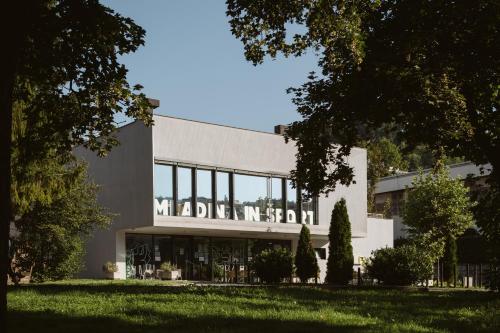


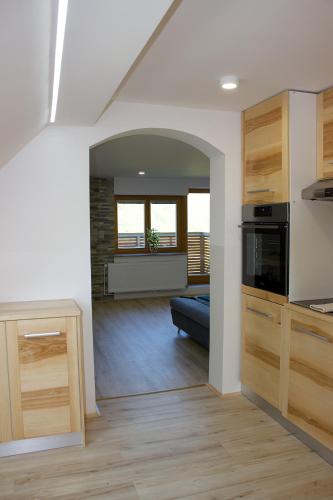

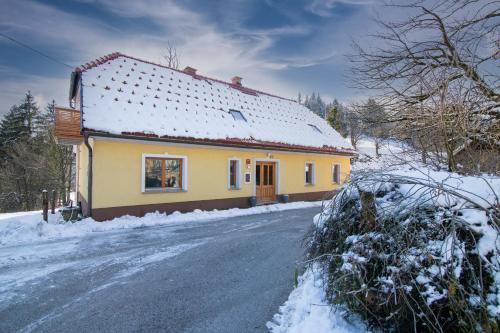

Live rates across our partner network (Booking.com, VRBO, Expedia, Hotels.com) via Stay22. Makutet may earn a commission when you book — at no extra cost to you. Prices update in real time and may vary before booking.
Experience

Guided city walk
Start in Ljubljana and set aside half a day for a guided city walk. Spring and early autumn are comfortable seasons for exploring on foot; reserve a guide ahead if you want a private or specialist-led visit.
culture seekers · first-time visitors

Guided hiking
Arrange a guided walking day in Alpine Slovenia, allowing a full day for the outing and travel to the chosen trailhead. Late spring to early autumn is the practical window; agree the route and reserve a guide in advance, especially for a private day.
active travellers · mountain scenery lovers

Guided outdoor activity
Use the Soča Valley as the starting point for a guided outdoor day, with the activity and duration agreed with the operator before booking. The warmer months are the usual season; reserve ahead and check what equipment and transport to the start are included.
active travellers · outdoor enthusiasts

Coastal guided day
Book a guided day based in Piran to explore the Mediterranean and Karst Slovenia coast on foot. Allow most of a day, travel from the interior separately, and reserve the guide ahead; spring and autumn avoid the strongest summer heat.
culture seekers · coastal travellers
Things to do
What Makutet's Slovenia research recommends, and where the tours that cover it can actually be booked.
Editorial recommendations from Makutet's Slovenia research. Tickets and tours are searched on GetYourGuide.
Guided walk through Ljubljana
Start in Ljubljana and set aside half a day for a guided city walk. Spring and early autumn are comfortable seasons for exploring on foot; reserve a guide ahead if you want a private or specialist-led visit.
Alpine Slovenia walking day
Arrange a guided walking day in Alpine Slovenia, allowing a full day for the outing and travel to the chosen trailhead. Late spring to early autumn is the practical window; agree the route and reserve a guide in advance, especially for a private day.
Soča Valley guided outdoor day
Use the Soča Valley as the starting point for a guided outdoor day, with the activity and duration agreed with the operator before booking. The warmer months are the usual season; reserve ahead and check what equipment and transport to the start are included.
Piran and the Adriatic coast on a guided day
Book a guided day based in Piran to explore the Mediterranean and Karst Slovenia coast on foot. Allow most of a day, travel from the interior separately, and reserve the guide ahead; spring and autumn avoid the strongest summer heat.
Piran
A historic coastal town on the Adriatic Sea characterized by its Venetian Gothic architecture and narrow medieval streets.
Soča Valley
A valley defined by the emerald-colored Soča River, popular for outdoor activities and history related to the Isonzo Front.
Activity cards are editorial — Makutet is not selling these specific experiences. The partner search opens GetYourGuide for Slovenia, where availability and price are theirs.
Understand
The context that turns a visit into an understanding.

macro_region
This northern region is characterized by high mountain ranges, deep valleys, and glacial lakes within the Julian and Kamnik-Savinja Alps.

macro_region
The southwestern part of the country features a coastal strip along the Adriatic Sea and an extensive limestone plateau with underground cave systems.

macro_region
This eastern region consists of rolling hills, plains, and river valleys bordering the Pannonian Basin, known for agricultural productivity.

sub_region
The Upper Carniola region is located in the northwest and contains much of the Julian Alps and Triglav National Park.

sub_region
The Inner Carniola region is defined by its karst landscape, including notable disappearing lakes and large subterranean caverns.

Regional character
Slovenia's position at the crossroads of the Alps and the Mediterranean is tangible in a compact journey between Alpine Slovenia and the Adriatic coast. Plan for a change of landscape and climate rather than treating the country as one uniform region.

City culture
Ljubljana is the country's evidenced signature city destination and a practical place to orient a visit before continuing to regions such as Gorenjska or Mediterranean and Karst Slovenia. Its city scale makes walking a useful way to understand the capital's character.

Landscape and heritage
Postojna Cave anchors the distinct character of Mediterranean and Karst Slovenia. Pair a visit with time to understand the region's contrast with the Alpine north; arrange entry and transport in advance rather than assuming the cave is a casual stop on a walking route.

Coastal character
Piran gives the short Slovenian coastline a clear point of reference: a coastal town on the Adriatic, distinct in pace and setting from Ljubljana and the inland regions. Allow for separate onward transport when combining it with inland stays.
When to go
May–June
Late spring
A good balance for mixed-region travel
July–August
High summer
Warm, lively and more demanding
September–October
Early autumn
A calmer transition between seasons
November–March
Winter
Cold, with Alpine weather to consider
Practical
Money, transport, connectivity and the details that matter on the ground.
Budget
Slovenia uses the euro. Cards are widely useful for ordinary spending, but keep some cash for small purchases or places that do not accept cards; confirm payment options before relying on cashless payment. Accommodation, meals and transport form the main daily costs, with coastal Piran and peak summer periods typically placing more pressure on budgets than quieter inland visits.
Transport
Driving is on the right. A car gives flexibility for rural Gorenjska, Alpine Slovenia and the Soča Valley, while Ljubljana is easier to explore on foot; plan separate onward transport for Piran and other coastal visits. For a mixed itinerary, check transfer connections before booking stays rather than assuming every regional stop is directly connected.
Safety
Slovenia's terrain changes quickly between Ljubljana, Alpine Slovenia and the Adriatic coast, so match outdoor plans to conditions and carry suitable footwear for walks. The emergency number is 112. Tap water is generally safe to drink; tipping is not obligatory, though rounding up or leaving a modest amount for good service is customary.
Connectivity
Slovenia uses standard European mobile networks; check roaming terms with your provider or arrange an eSIM before arrival if you need dependable data for maps and regional transfers. Plug types C and F are used. Download offline directions for rural parts of Alpine Slovenia and the Soča Valley where reception may be less dependable than in Ljubljana.
Seasonal weather
Slovenia has a varied climate shaped by Alpine, Mediterranean and continental influences. June to August is generally warm, with hotter conditions on the Adriatic coast and changeable weather in the mountains; July and August bring the busiest coastal period. Spring and early autumn are often more comfortable for combining Ljubljana, Piran and inland regions, while winter brings colder conditions and snow in Alpine Slovenia that can affect outdoor access.
Accessibility and mobility
Expect uneven or sloping surfaces in older parts of Ljubljana and Piran, and steep, rough terrain on many outdoor routes in Alpine Slovenia, the Soča Valley and Logar Valley. A wheelchair or pushchair can work best on flatter city routes, but step-free access varies between buildings and accommodation; confirm lifts, entrance thresholds, bathrooms and transfer arrangements directly before booking. Rural stays and mountain visits can involve long distances, limited public transport and challenging approaches for older companions.
Getting around
Airport transfers, rail, buses, ferries and car hire for Slovenia — arranged before you fly, priced by the supplier.
Stay connected
Install an eSIM before you fly and you are online the moment you land in Slovenia — no roaming charges, no shop queue at the airport.
Moments
Slovenia’s story is written in the connections between its regions. The Alps and the Mediterranean meet within a country that also includes Karst and Pannonian landscapes; Ljubljana, Lake Bled, Postojna Cave and Piran offer distinct points from which to read that geography. A journey here gains depth when it follows those contrasts rather than treating them as interchangeable scenery.
The signature moment
In the quiet of an early morning at Lake Bled, the water holds the shifting light while the Alpine landscape stands close around it. The air feels cool against the face; small sounds from the shore carry clearly across the surface, and the day has not yet taken on the busier cadence that comes later. There is the mineral freshness of mountain air, the soft movement of water, and the simple pleasure of pausing long enough to notice how the light changes on the lake. Nothing here needs to be explained at once. The scene first presents itself as a particular place: water enclosed by green slopes, with the Alps giving it scale and a sense of shelter. Then the wider country comes into view. Slovenia is not only this Alpine calm; it is also the Adriatic edge at Piran, the underground world of Postojna Cave, the valley landscapes of the Soča and the city life of Ljubljana. Yet at Lake Bled those contrasts feel less like separate itinerary stops than parts of one close-knit geography. The defining experience is that movement between them: a country where the character of the land changes, but each change remains within reach of the last.
The story behind it
Slovenia’s heritage is best approached through the layers of place rather than a simplified national story. Its position at the crossroads of Central Europe, the Alps and the Mediterranean has brought different regional influences into contact, while the country’s varied landscapes have shaped distinct ways of inhabiting them. The historic built environment, from Ljubljana to Predjama Castle, sits within this wider geography; it is evidence of lives and institutions formed across changing political contexts, not a single uninterrupted tradition. A careful account should acknowledge that the country’s past includes difficult historical experience as well as cultural continuity. The regions named today—Alpine Slovenia, Mediterranean and Karst Slovenia, Pannonian Slovenia, Gorenjska and Notranjska—help orient the traveller, but they should not be mistaken for a complete account of that past.
Before you go
Let Slovenia unfold through its landscapes rather than through a checklist. A stay in Ljubljana can anchor the journey; Lake Bled, Triglav National Park, Postojna Cave and Piran each open a different window onto the country’s geography. Leave room for the transitions between regions. It is there—in the shift from Alpine Slovenia towards the Adriatic and the Karst—that Slovenia becomes more than a collection of striking places: it becomes a country understood through its meeting points.
Four-way crossroads
Slovenia sits at the crossroads of the Alps and the Mediterranean, with borders shared with Italy, Austria, Hungary and Croatia.
Coast and Karst
The country combines a short Adriatic coastline with Karst landscapes; Piran and Postojna Cave make those contrasting settings visible within Slovenia.
May–June and September
A balanced window
These shoulder-season months are generally a useful choice for combining Ljubljana, Lake Bled and Slovenia’s coastal or Karst settings. Expect changeable conditions between regions and pack for cooler mountain weather as well as milder lowland days.
July–August
Summer, with trade-offs
Summer is workable for moving between the coast, Ljubljana and Alpine Slovenia, but heat can be more pronounced inland and popular areas may feel busier. Build flexibility into days that include mountain or outdoor activity.
November–March
Winter conditions
Winter brings colder conditions, especially in Alpine Slovenia, with shorter daylight limiting time outdoors. Choose an itinerary suited to the season, check local conditions before mountain outings and give indoor visits such as Postojna Cave a place in the plan.
FAQ
Slovenia uses the euro. Cards are useful for most routine payments, but carrying some cash is prudent.
Yes. Slovenia has a short Adriatic coastline; Piran is an evidenced coastal base, distinct from inland Ljubljana.
Spring and early autumn are often comfortable for a mixed itinerary, while summer is warmer and busier on the coast.
Not necessarily for Ljubljana, but a car or pre-arranged transfers make rural regions such as Gorenjska and the Soča Valley easier to reach.
Tap water is generally safe to drink. Carry a reusable bottle and refill where convenient.
Check step-free access, bathrooms and transfers directly with providers; uneven streets and steep outdoor terrain can limit access.
Before you go
The last thing most travellers forget — and the disclosure that applies to every partner link on this page.
Booking and rate checks run on the partner's own site; prices and availability are theirs and can change. Some links are affiliate links and Makutet may earn a commission at no extra cost to you. See our affiliate disclosure.
Makutet builds a day-by-day itinerary around the places above — then keeps it updated as you travel.
Country guide: /country/slovenia
Your assessment works without optional tracking. Necessary storage keeps your trip and privacy choice. Embedded flight search includes TravelPayouts tracking; ordinary partner links remain available if you decline.
Cookie policy · Privacy policy. Reopen Cookie settings to change your choice. Supplier-site cookies are controlled by that supplier.
