
Historical Architecture
Bratislava Castle
A massive rectangular structure with four corner towers overlooking the Danube River and the city center.

europe
Slovakia’s landlocked geography gathers the High Tatras, forested national parks, historic towns and castles within a compact Central European setting. Its character is best understood through the contrasts between Western, Central and Eastern Slovakia.
The country
The country
Slovakia is a landlocked country in Central Europe, bordered by Poland, Ukraine, Hungary, Austria and the Czech Republic. Its landscape and heritage are varied: the High Tatras rise above the country’s northern reaches, while castles, historic towns and mountain regions give Western, Central and Eastern Slovakia distinct points of reference.
Why visit
Slovakia rewards a journey built around contrast rather than a single headline destination. In the north, the High Tatras give the country an alpine character; elsewhere, the named regions of Western, Central and Eastern Slovakia invite a slower passage through a varied interior. Bratislava Castle anchors one view of the country’s past, while Spiš Castle and Orava Castle offer different settings in which to encounter its castle heritage. Banská Štiavnica and Vlkolínec add the texture of historic settlement, and Košice gives the east a prominent urban point of orientation. These places do not form a ready-made itinerary by themselves; they provide a framework for choosing a route across a country whose geography is central to its appeal. Slovakia’s landlocked position also matters. Rather than a coast-to-interior journey, travel here is shaped by mountain landscapes, inland regions and the transitions between them. Slovak Paradise National Park offers another way to experience that natural variety, set alongside the High Tatras rather than in place of them. Travellers can give the trip a cultural emphasis, centre it on walking and mountain scenery, or combine both by moving between regional centres and protected landscapes. The result is a country that suits attentive, flexible travel: one where the distances between castle, town and mountain are as important to the experience as any single stop, and where a sound plan leaves room for the country’s different regions to be encountered on their own terms.
What it feels like
The mood shifts between mountain quiet and the lived-in character of historic towns. Castle silhouettes, wooded landscapes and the changing relief of the High Tatras give Slovakia a strong sense of place, while the contrast between its western, central and eastern regions keeps the journey from feeling uniform.
Who it suits
Slovakia suits travellers who enjoy combining cultural sites with time outdoors, and who are happy to shape a trip around inland regions rather than a coastline. It is particularly well suited to those drawn to castles, historic settlements, mountain scenery and a route that moves beyond one city or region.
How to get here
Live fares into Slovakia across hundreds of airlines, compared in one search. Book directly with the airline or agent — Makutet never adds a fee.
Live fares to Slovakia across hundreds of airlines. Book directly with the airline or agent — no extra cost to you.
Embedded flight search uses TravelPayouts cookies and tracking. Enable partner search to load it here, or continue directly on the partner site.
The external partner link includes Makutet's affiliate marker; confirm your route, dates and passengers there. No booking is made on Makutet.
Live search and booking run on the TravelPayouts partner engine. Fares update in real time and may vary before booking. Any prices shown elsewhere on Makutet are monitored observations, not live quotes.
Identity
The places that define the country rather than merely sit inside it.
Historical Architecture
A massive rectangular structure with four corner towers overlooking the Danube River and the city center.

Nature
A mountain range bordering Poland, known for glacial lakes and the highest peak in the Carpathian range.

Historical Site
One of the largest castle complexes in Europe, featuring stone fortifications built in the 12th century.

Urban Heritage
A historic town built within a large caldera of an ancient collapsed volcano, famous for silver mining history.
Imagery


Discover

National Park
A protected area known for its network of canyons, gorges, and waterfalls accessible via ladders and paths.

Historical Architecture
A notable castle complex built on a high rock overlooking the Orava River in northern Slovakia.

Cultural Heritage
A well-preserved village featuring traditional log houses that exemplify folk architecture in Central Europe.

Urban
The largest city in eastern Slovakia, notable for its gothic cathedral and historic medieval street layout.
Stay
The bases that actually change the trip.

City accommodation
Base yourself near Bratislava Castle and the central streets for a walkable city visit, with onward rail and road connections available from Bratislava. This is a practical year-round choice; allow extra time for steep streets and steps if mobility is limited, and reserve ahead for busy periods and major events.
city-break travellers · rail travellers

Mountain accommodation
A stay in the High Tatras puts walking routes within reach, but access depends on the chosen village and onward local transport; plan connections rather than assuming every trail starts at the door. Summer and early autumn suit hiking, while winter brings a different, snow-dependent visit. Book early for peak mountain periods and check access and facilities directly.
hikers · outdoor-focused travellers

Historic-town accommodation
Choose a small hotel or guesthouse in Banská Štiavnica to explore the town on foot, allowing for steep lanes and uneven paving between accommodation and sights. Spring through autumn makes walking around the historic centre more comfortable. Confirm parking, step-free access and luggage assistance before booking.
heritage travellers · couples

Rural guesthouse
A rural guesthouse in Central Slovakia offers a quieter base for visiting places such as Banská Štiavnica, but typically requires advance planning for the final leg and local outings. It suits late spring to early autumn road trips best; check public-transport connections, meal arrangements and arrival times before committing.
slow travellers · self-drive visitors
Where to stay
Live rates across Booking.com, Agoda, VRBO and Expedia for Slovakia. Compare the areas above, then check what a night actually costs.
Popular destinations
Live rates across Booking.com, Agoda, VRBO and Expedia for Slovakia — no extra cost to you.


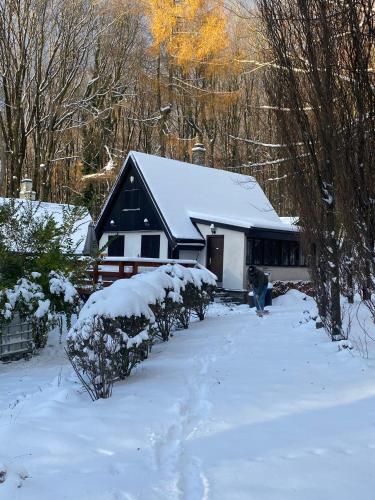
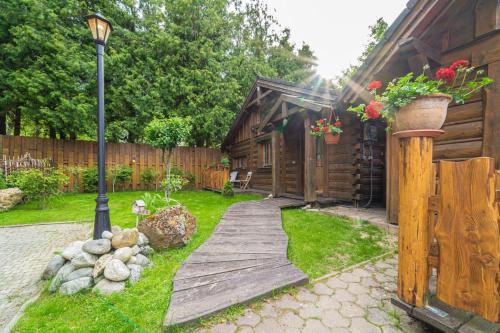
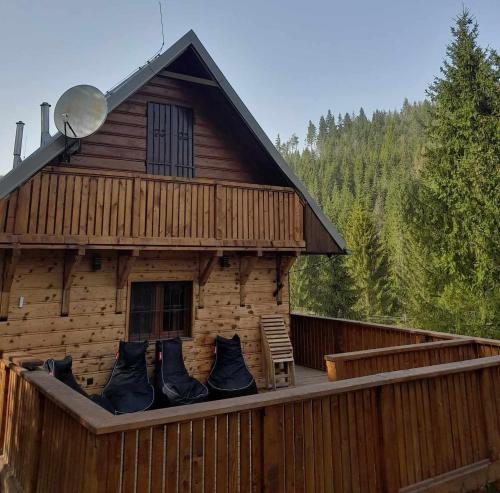

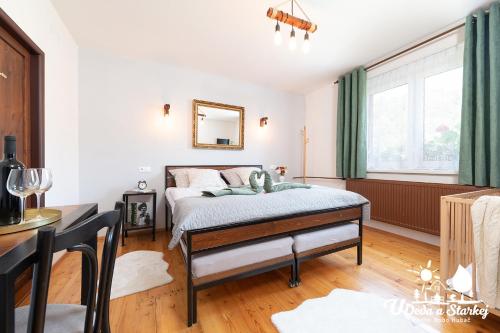

Live rates across our partner network (Booking.com, VRBO, Expedia, Hotels.com) via Stay22. Makutet may earn a commission when you book — at no extra cost to you. Prices update in real time and may vary before booking.
Experience

Guided hiking
Start in the High Tatras for a guided walking day, usually planned around a half or full day on suitable marked routes. The main walking season is late spring to early autumn; arrange a guide and check route and mountain conditions ahead, especially outside summer.
active travellers · mountain walkers

Guided outdoor activity
Join a guided day in Slovak Paradise National Park, where the route is shaped by narrow gorges, ladders and water. Allow a full day, with the most straightforward conditions generally from late spring through early autumn; reserve a guide in advance and confirm that the chosen route suits your fitness and equipment.
active travellers · nature enthusiasts

Guided city walk
Take a guided half-day walk beginning at Bratislava Castle and continue through the surrounding historic centre. It works throughout the year, though outdoor time is more comfortable in spring and early autumn; book a guide ahead if you need a particular language or time slot.
culture-minded travellers · first-time visitors

Heritage walk
Explore Banská Štiavnica on a guided walking day focused on its historic townscape and mining heritage. Plan several hours on foot and expect slopes and uneven surfaces; spring to autumn is the easiest season for a full outdoor visit. Reserve a guide ahead, particularly for a tailored or language-specific tour.
history enthusiasts · slow travellers
Things to do
What Makutet's Slovakia research recommends, and where the tours that cover it can actually be booked.
Editorial recommendations from Makutet's Slovakia research. Tickets and tours are searched on GetYourGuide.
High Tatras guided mountain day
Start in the High Tatras for a guided walking day, usually planned around a half or full day on suitable marked routes. The main walking season is late spring to early autumn; arrange a guide and check route and mountain conditions ahead, especially outside summer.
Slovak Paradise guided gorge walk
Join a guided day in Slovak Paradise National Park, where the route is shaped by narrow gorges, ladders and water. Allow a full day, with the most straightforward conditions generally from late spring through early autumn; reserve a guide in advance and confirm that the chosen route suits your fitness and equipment.
Bratislava Castle and city history walk
Take a guided half-day walk beginning at Bratislava Castle and continue through the surrounding historic centre. It works throughout the year, though outdoor time is more comfortable in spring and early autumn; book a guide ahead if you need a particular language or time slot.
Banská Štiavnica heritage walking day
Explore Banská Štiavnica on a guided walking day focused on its historic townscape and mining heritage. Plan several hours on foot and expect slopes and uneven surfaces; spring to autumn is the easiest season for a full outdoor visit. Reserve a guide ahead, particularly for a tailored or language-specific tour.
Slovak Paradise National Park
A protected area known for its network of canyons, gorges, and waterfalls accessible via ladders and paths.
Orava Castle
A notable castle complex built on a high rock overlooking the Orava River in northern Slovakia.
Activity cards are editorial — Makutet is not selling these specific experiences. The partner search opens GetYourGuide for Slovakia, where availability and price are theirs.
Understand
The context that turns a visit into an understanding.

macro_region
This region encompasses the lowlands of the Danube River basin and includes the capital city of Bratislava.

macro_region
Characterized by mountainous terrain, this region contains the core of the Carpathian Mountains within the country.

macro_region
A diverse area featuring volcanic mountain ranges, fertile lowlands, and several UNESCO World Heritage sites.

sub_region
The smallest and most urbanized administrative region located in the southwestern corner of the country.

sub_region
A high-altitude mountain range serving as a popular destination for tourism and alpine sports in the north.

Food
Bryndzové halušky are potato dumplings served with sheep’s cheese, a defining Slovak comfort dish. Look for them on menus across the country, particularly when travelling through Central Slovakia; portions are filling and make a substantial meal after a day outdoors.

Food tradition
Kapustnica is a hearty sauerkraut soup associated with Slovak home cooking and festive meals. Recipes vary between households, so it is better approached as a family and regional tradition than as a single fixed formula; it is especially fitting in colder weather.

Drink
Slivovica is a fruit spirit, commonly associated with plums, served in small measures and often offered as a welcoming drink. It is potent rather than a casual long drink; visitors who do not drink alcohol can decline without needing to make it a focal point.

Music and culture
The fujara is a long shepherd’s flute and an emblematic Slovak folk instrument, with a deep, resonant sound. Folk performances and cultural programmes are the best setting to hear it; its connection to pastoral life gives added context to travel through Central Slovakia.

Neighbourhood character
Bratislava combines the landmark of Bratislava Castle with a compact historic centre below it. The climb between the castle and lower streets is part of the experience, so allow time for slopes and pauses rather than treating the area as entirely level.
When to go
May–June
Late spring
A balanced period for towns and outdoor plans
July–August
Summer
Warmest season for a regional journey
September–October
Autumn
Cooler days and shifting landscapes
November–March
Winter
Cold conditions shape the itinerary
Practical
Money, transport, connectivity and the details that matter on the ground.
Budget
Slovakia uses the euro. Cards are widely useful in cities and established businesses, but carry some cash for small rural purchases, markets and places where card acceptance is limited. Spending rises with city-centre accommodation in Bratislava and with mountain stays in the High Tatras, especially in popular seasons; transport between regions also adds to a multi-stop itinerary.
Transport
Rail and bus services connect the main population centres, while a car gives greater flexibility for rural Central and Eastern Slovakia and visits to places such as Orava Castle or Vlkolínec. Slovakia drives on the right; allow extra time on mountain and rural roads, and check the final public-transport connection before choosing a remote stay.
Safety
Slovakia is generally straightforward to visit, but mountain walking in the High Tatras and Slovak Paradise requires route planning, suitable footwear and attention to changing conditions. The emergency number is 112, tap water is generally safe to drink, and modest rounding or a small tip is customary when service merits it.
Connectivity
Mobile coverage is strongest around towns and transport corridors and can be less dependable in mountain terrain, including parts of the High Tatras and Slovak Paradise. EU roaming may apply depending on your plan; check its terms before relying on it. Slovakia uses European-style Type C and Type E sockets, so travellers should confirm plug compatibility.
Seasonal weather
Slovakia has warm summers, cold winters and marked seasonal changes. June to August is generally the warmest period and best suited to longer outdoor days, though mountain weather can change quickly. Spring and autumn bring cooler, variable conditions that suit city and heritage visits with layers; winter brings snow and cold, particularly in the High Tatras, affecting walking routes and road journeys.
Accessibility and mobility
Travellers with reduced mobility should plan carefully: historic areas such as Banská Štiavnica and the approach to Bratislava Castle include slopes, uneven paving and steps, while mountain terrain in the High Tatras and Slovak Paradise is not suitable for many wheelchair or pushchair routes. Main public transport and newer accommodation may offer better access, but provision varies; confirm step-free entry, lift access, accessible bathrooms and vehicle arrangements directly before booking.
Getting around
Airport transfers, rail, buses, ferries and car hire for Slovakia — arranged before you fly, priced by the supplier.
Stay connected
Install an eSIM before you fly and you are online the moment you land in Slovakia — no roaming charges, no shop queue at the airport.
Moments
Slovakia’s story is legible in the relationship between its landscapes and its built heritage. The High Tatras and Slovak Paradise National Park represent different encounters with the country’s natural character; Bratislava Castle, Spiš Castle and Orava Castle place history into prominent settings. Across Banská Štiavnica, Vlkolínec and Košice, the traveller finds further ways to read a country whose regions are distinct but connected by an inland geography.
The signature moment
In the High Tatras, let the morning settle before deciding how far to go. The mountain forms hold the eye: slopes and ridgelines rise above the lower ground, while the air feels cooler and thinner than in the towns. Listen for the small sounds that remain when conversation falls away—the movement of wind through the landscape, footsteps on a path, the brief call of a bird. A simple taste of breakfast or a warm drink can feel unusually clear in that cold air; the hands notice the chill before the body warms to the walk. There is no need to turn the scene into a summit or a checklist. Stay long enough to register how the light changes the contours, then look back towards the route that brought you into the mountains. That pause contains something of Slovakia as a whole: a country whose identity is not confined to a single city or monument, but emerges through the meeting of rugged nature, lived regions and places where history remains visible. The High Tatras make that relationship immediate. They are a defining landscape, yet they belong to a wider journey that can also include Slovak Paradise National Park, castles, Banská Štiavnica, Vlkolínec and Košice.
The story behind it
Slovakia’s heritage is best approached through its places rather than a simplified national narrative. Castles such as Bratislava Castle, Spiš Castle and Orava Castle speak to the importance of fortified sites in the region’s past, while Banská Štiavnica and Vlkolínec preserve other dimensions of settlement and local life. Košice offers an urban counterpoint. The country’s position in Central Europe, bordered by Poland, Ukraine, Hungary, Austria and the Czech Republic, places its history within a broader field of neighbouring societies and changing political contexts. A measured account should recognise that heritage is not a single, uninterrupted story: monumental buildings and preserved settlements sit within histories shaped by wider regional change. Visiting these places offers a way to encounter that layered past without reducing it to a sequence of dates or treating any one site as the whole story of Slovakia.
Before you go
A journey through Slovakia need not be hurried into a sequence of famous names. Choose a region as your starting point, then allow its landscape and heritage to set the pace: the High Tatras for mountain scale, or a route that gives time to castles and historic settlements. The country’s character becomes clearer in the transitions between those settings. Leave space for the road between them, and the map will begin to read less like a checklist and more like a portrait of Slovakia.
Five neighbours
Slovakia is landlocked in Central Europe and shares borders with Poland, Ukraine, Hungary, Austria and the Czech Republic.
Regions and mountains
The country’s recorded regions include Western, Central and Eastern Slovakia as well as the Bratislava Region and the High Tatras.
May–September
Best for the outdoors
The warmer part of the year is generally the most practical for combining the High Tatras or Slovak Paradise National Park with historic places such as Banská Štiavnica and Vlkolínec. Allow flexibility for changing mountain conditions.
April and October
Shoulder-season variety
Spring and autumn can suit a route that gives equal weight to towns, castles and landscape. Expect cooler or unsettled weather than in summer, especially when planning time in the High Tatras.
November–March
Winter conditions
Winter brings colder conditions and greater constraints for outdoor plans, particularly in the High Tatras. Keep the itinerary adaptable and give indoor visits, regional towns and travel conditions due consideration.
FAQ
Bratislava and Bratislava Castle pair well with a regional stay in Banská Štiavnica or the High Tatras; allow for the travel time between them.
Late spring to early autumn is generally the most suitable period for hiking, but mountain weather changes quickly and routes may have seasonal restrictions.
No, rail and bus services link major centres, but a car makes rural visits such as Orava Castle and Vlkolínec easier to plan.
Slovakia uses the euro. Cards are useful in cities, while cash remains sensible for small purchases and some rural businesses.
Tap water is generally safe to drink. Carry water for longer walks, particularly when routes in the High Tatras or Slovak Paradise take you away from services.
Choose a route suited to your fitness, allow a full day for a guided gorge walk, and check conditions and equipment needs before setting out.
Not always: Banská Štiavnica and the area around Bratislava Castle include slopes, steps and uneven surfaces. Confirm step-free access in advance.
Before you go
The last thing most travellers forget — and the disclosure that applies to every partner link on this page.
Booking and rate checks run on the partner's own site; prices and availability are theirs and can change. Some links are affiliate links and Makutet may earn a commission at no extra cost to you. See our affiliate disclosure.
Makutet builds a day-by-day itinerary around the places above — then keeps it updated as you travel.
Country guide: /country/slovakia
Your assessment works without optional tracking. Necessary storage keeps your trip and privacy choice. Embedded flight search includes TravelPayouts tracking; ordinary partner links remain available if you decline.
Cookie policy · Privacy policy. Reopen Cookie settings to change your choice. Supplier-site cookies are controlled by that supplier.