
urban center
Dakar
The capital city situated on the Cap-Vert Peninsula, serving as the primary political and economic hub.

africa
At the western edge of the continent, the Atlantic sets one boundary; the Northern Plains, Ferlo, Southern Lowlands and Casamance give the country its breadth. Senegal is encountered in the passages between coast, city and interior.
The country
The country
Senegal occupies the westernmost point of the African continent, with the North Atlantic along its western edge and a mainland shaped by both coast and river country. Its geography runs from the Northern Plains and Ferlo to the Southern Lowlands and Casamance; within that span, Dakar, Gorée Island, Lake Retba and the Djoudj National Bird Sanctuary offer distinct points of entry into the country’s urban, island, coastal and natural character.
Why visit
Senegal is best understood through movement between contrasting landscapes rather than through a single itinerary. Begin at the Atlantic edge, where Dakar gives the country a city-facing introduction, then look outward to Gorée Island and Lake Retba for very different encounters with the coast. Further north, the Northern Plains and the Ferlo open into a more spacious interior, while the country’s southern reaches shift towards the Southern Lowlands and Casamance. These regional contrasts are not incidental scenery: they shape how the country feels to travel through, and why time spent crossing it matters as much as time spent at any one stop. The named places also make room for different kinds of attention. The Djoudj National Bird Sanctuary and Niokolo-Koba National Park draw the focus towards wildlife and landscape; Saint-Louis and Touba offer other perspectives on Senegal’s built and cultural life. The Saloum Delta adds a water-shaped dimension to a journey otherwise framed by the Atlantic and inland plains. Together, these places give a traveller a grounded way to read the country without reducing it to a checklist. Senegal suits a visit that allows for changes of pace: city and open country, coast and interior, a busy arrival and quieter stretches beyond it. Its western position gives the ocean a defining presence, but the breadth of its regions makes clear that the country cannot be summed up by its shoreline alone.
What it feels like
Atlantic air and the presence of water frame the experience, from Dakar’s urban edge to the island setting of Gorée and the channels of the Saloum Delta. Inland, the Northern Plains and Ferlo suggest a more open, expansive Senegal; towards the Southern Lowlands and Casamance, the landscape changes again. The result is an atmosphere of clear regional contrast, with city life, cultural places and natural areas all part of the country’s identity.
Who it suits
Senegal suits travellers who value context and variety over a tightly packed list of stops: those willing to balance Dakar with the regions, the Atlantic coast with the interior, and cultural visits with time in natural settings. It is particularly rewarding for visitors prepared to plan journeys between distinct places such as Saint-Louis, the Saloum Delta and Casamance rather than treating the country as a single coastal stay.
How to get here
Live fares into Senegal across hundreds of airlines, compared in one search. Book directly with the airline or agent — Makutet never adds a fee.
Live fares to Senegal across hundreds of airlines. Book directly with the airline or agent — no extra cost to you.
Embedded flight search uses TravelPayouts cookies and tracking. Enable partner search to load it here, or continue directly on the partner site.
The external partner link includes Makutet's affiliate marker; confirm your route, dates and passengers there. No booking is made on Makutet.
Live search and booking run on the TravelPayouts partner engine. Fares update in real time and may vary before booking. Any prices shown elsewhere on Makutet are monitored observations, not live quotes.
Identity
The places that define the country rather than merely sit inside it.
urban center
The capital city situated on the Cap-Vert Peninsula, serving as the primary political and economic hub.

historic site
A small island off the coast of Dakar with historical infrastructure linked to the Atlantic slave trade.

national park
A wetland habitat located in the Senegal River delta that hosts millions of migratory birds annually.

natural feature
A shallow saline lake known for its distinct pink coloration caused by Dunaliella salina algae.
Imagery


Discover

national park
A protected area in southeastern Senegal containing diverse savannah ecosystems and riverine forests.

historical city
A colonial-era city located on an island in the Senegal River mouth, notable for its distinct architecture.

wetland
A vast area of mangroves and islands at the mouth of the Saloum River, recognized for its biodiversity.

religious site
The center of the Mouride brotherhood in Senegal, containing the Great Mosque of Touba.
Stay
The bases that actually change the trip.

City accommodation
Choose a city guesthouse or hotel in Dakar if you want the country’s main coastal transport hub as your base. It is the practical starting point for a ferry day to Gorée Island and onward journeys towards the interior, but traffic and city distances make transfers slower than a map may suggest. This option works across the year; allow extra time during the rainy season.
first-time visitors · city explorers
Nature lodge
Staying near the Saloum Delta puts boat travel and waterways at the centre of the visit; reaching a lodge may involve a road transfer followed by a boat, so confirm the final approach before booking. Dry-season travel is generally simpler, while rainy-season water and road conditions can affect access. Expect a quieter, more remote stay with fewer alternatives close at hand.
nature lovers · slow travellers

Guesthouse and lodge
Use accommodation around Saint-Louis as a base for an early road departure to the Djoudj National Bird Sanctuary. This means planning transport and a guide before arrival rather than assuming easy independent access to the wetlands. The dry season suits birdwatching and road travel best; the sanctuary visit is an excursion, so allow time for the return journey as well as the outing.
birdwatchers · cultural travellers

Guesthouse
A locally run guesthouse in Casamance suits travellers giving the Southern Lowlands time rather than making a brief detour. Reaching the region requires onward planning from the coast or interior, and local transport can add time; confirm transfers with the accommodation before booking. The dry season is the more straightforward choice for moving around, while rainy-season journeys need greater flexibility.
regional explorers · longer-stay travellers
Where to stay
Live rates across Booking.com, Agoda, VRBO and Expedia for Senegal. Compare the areas above, then check what a night actually costs.
Popular destinations
Live rates across Booking.com, Agoda, VRBO and Expedia for Senegal — no extra cost to you.
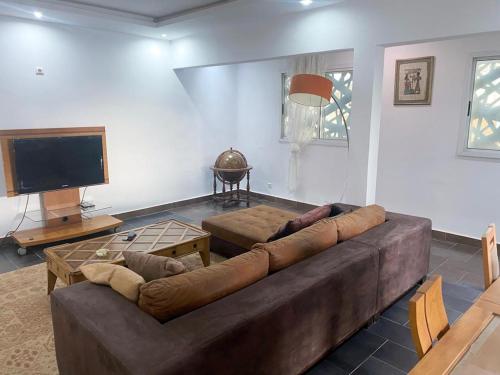
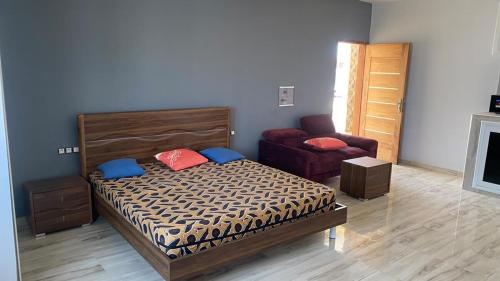
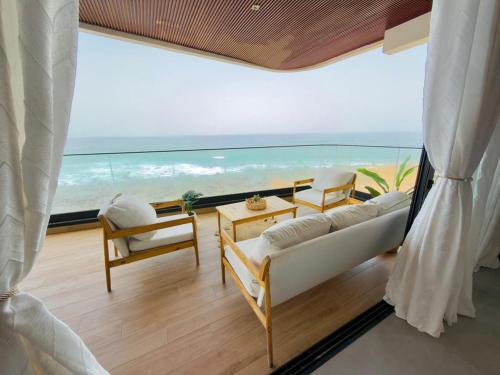

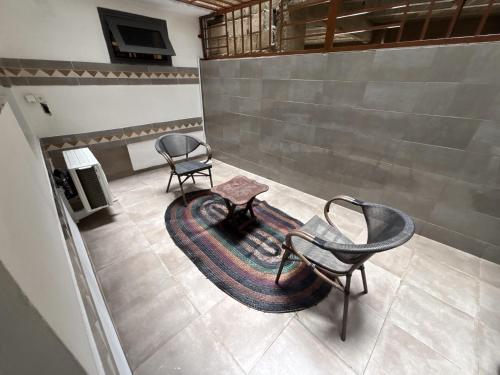
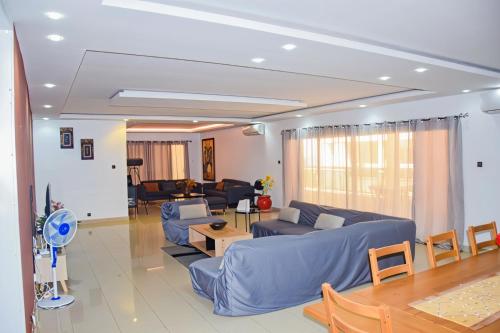
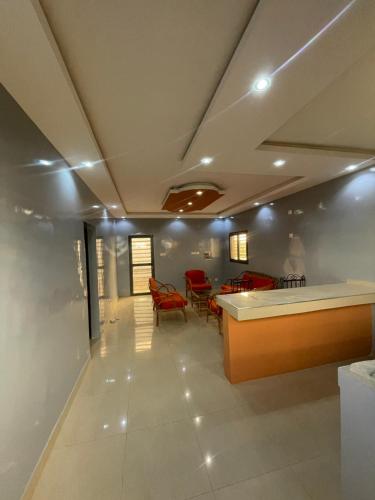
Live rates across our partner network (Booking.com, VRBO, Expedia, Hotels.com) via Stay22. Makutet may earn a commission when you book — at no extra cost to you. Prices update in real time and may vary before booking.
Experience

Wildlife and nature
Start from the Djoudj National Bird Sanctuary for a guided boat outing through its wetland channels, with time on the water shaped by bird activity and conditions. Plan this for the dry season, when access is more reliable; reserve a guide and boat ahead, particularly for a visit planned around the seasonal bird presence.
birdwatchers · photographers
Boat trips
Take a guided boat journey through the Saloum Delta’s waterways, arranging the departure point and return with a local operator before setting out. Allow a full day for the water-based outing and the slower pace of delta travel; confirm boat availability and the route ahead, especially during the rainy season when conditions can change.
slow travellers · nature lovers

Wildlife and nature
Arrange a guided vehicle outing in Niokolo-Koba National Park, allowing a full day for travel within the park rather than treating it as a quick stop. The dry season is generally the more practical period for wildlife viewing and road access. Reserve a guide and vehicle in advance, and plan the approach from the wider interior as part of the day.
wildlife enthusiasts · active travellers

Culture and history
Set aside most of a day to travel from Dakar by ferry, explore Gorée Island on foot and return by boat. Check the ferry timetable and arrange any guided visit ahead, leaving time for the crossing and island lanes rather than fitting the trip between other appointments. Comfortable walking shoes help on the island’s uneven surfaces.
culture seekers · independent travellers
Things to do
What Makutet's Senegal research recommends, and where the tours that cover it can actually be booked.
Editorial recommendations from Makutet's Senegal research. Tickets and tours are searched on GetYourGuide.
Birdwatching by boat in the northern wetlands
Start from the Djoudj National Bird Sanctuary for a guided boat outing through its wetland channels, with time on the water shaped by bird activity and conditions. Plan this for the dry season, when access is more reliable; reserve a guide and boat ahead, particularly for a visit planned around the seasonal bird presence.
A guided day across the Saloum Delta
Take a guided boat journey through the Saloum Delta’s waterways, arranging the departure point and return with a local operator before setting out. Allow a full day for the water-based outing and the slower pace of delta travel; confirm boat availability and the route ahead, especially during the rainy season when conditions can change.
A guided wildlife drive in Niokolo-Koba
Arrange a guided vehicle outing in Niokolo-Koba National Park, allowing a full day for travel within the park rather than treating it as a quick stop. The dry season is generally the more practical period for wildlife viewing and road access. Reserve a guide and vehicle in advance, and plan the approach from the wider interior as part of the day.
A ferry-led cultural day on Gorée Island
Set aside most of a day to travel from Dakar by ferry, explore Gorée Island on foot and return by boat. Check the ferry timetable and arrange any guided visit ahead, leaving time for the crossing and island lanes rather than fitting the trip between other appointments. Comfortable walking shoes help on the island’s uneven surfaces.
Niokolo-Koba National Park
A protected area in southeastern Senegal containing diverse savannah ecosystems and riverine forests.
Saint-Louis
A colonial-era city located on an island in the Senegal River mouth, notable for its distinct architecture.
Activity cards are editorial — Makutet is not selling these specific experiences. The partner search opens GetYourGuide for Senegal, where availability and price are theirs.
Understand
The context that turns a visit into an understanding.

macro_region
This area is characterized by semi-arid landscape and savannah vegetation that transitions from the Sahel zone.

macro_region
A region featuring higher precipitation levels, dense tropical forests, and a network of river estuaries.

sub_region
An inland pastoral region in the north that experiences significant seasonal dryness.

sub_region
A southern coastal region separated from the north by The Gambia, known for its distinct hydrological features.

Food
Thieboudienne, a rice-and-fish dish, is a useful introduction to Senegalese home cooking. Meals are often shared from a common platter, so wait to be shown where to sit and how the meal is being served rather than assuming individual plates. In Dakar, ask for the dish early in the day; preparation and availability depend on the kitchen.

Drink and hospitality
Attaya, the slowly prepared tea custom, is as much about taking time together as the drink itself. When offered, accept the pause in the conversation and follow the host’s lead on the sequence of pours; it is not usually a quick takeaway stop. This unhurried social ritual is a valuable counterpoint to moving between Dakar and the interior on a tight schedule.

Etiquette and customs
In Senegal, beginning an interaction with a greeting is an important courtesy. Take a moment to greet people before asking for directions, arranging a transfer or discussing a purchase, and respond warmly when greeted. In busy Dakar as much as in smaller communities, this simple custom makes practical exchanges feel more considerate and less abrupt.

History and culture
A visit to Gorée Island is best approached as a place for attentive walking and historical reflection, not simply a ferry excursion from Dakar. Allow time to read, listen and ask questions during a guided visit; the island’s lanes and memorial spaces reward a slower pace. Check the ferry timetable first, since the crossing shapes how long you can remain.
When to go
November–February
Dry season
The most reliable period for broad travel
March–May
Late dry season
Hotter days, fewer rain interruptions
June–October
Wet season
Rain shapes southern travel
Practical
Money, transport, connectivity and the details that matter on the ground.
Budget
Senegal uses the West African CFA franc. Cards are most useful in larger hotels and established businesses in Dakar; carry cash for markets, local transport and smaller services, especially beyond the capital. Spending is shaped by accommodation and transfers, while access to remote areas such as Ferlo or Casamance can add transport time and cost. Peak dry-season demand can make popular coastal stays more expensive; confirm what is included before booking.
Transport
Dakar is the main arrival and transport hub; road journeys connect the coast with the Northern Plains and the interior, while the Gambia’s enclave affects overland routes towards Casamance. Allow substantial time for road travel and confirm the route and crossing arrangements with a local operator before setting out. For rural areas, arrange onward transport in advance rather than assuming frequent public services.
Safety
Plan journeys with current local advice, particularly for long road transfers and travel through the Casamance region. Keep valuables discreet in busy urban areas, use established transport, and agree the route and fare before departure. Store emergency contacts offline and check local guidance before travelling; do not rely on an assumption that services or communications will be available throughout rural areas.
Connectivity
Mobile coverage and data access are most dependable in Dakar and larger settlements; expect less consistent service in rural areas such as Ferlo and parts of Casamance. Arrange a Senegal-compatible SIM or eSIM before travelling, and download maps and essential booking details for offline use. Check that your device is unlocked and that your chosen plan covers the areas on your itinerary.
Seasonal weather
Senegal has a dry season broadly from November to May and a rainy season from June to October. The dry months generally make road travel and outdoor plans easier, while rain can disrupt journeys and access in the Southern Lowlands and Casamance. Heat is a consideration inland, including the Ferlo; plan outdoor activity for cooler parts of the day and confirm seasonal access with local operators.
Accessibility and mobility
Travellers using wheelchairs or pushchairs, and those with reduced mobility, should expect uneven pavements, sand, steps and limited step-free access outside a small number of larger urban properties. Road transfers can be long, and vehicles may not accommodate mobility equipment without prior arrangement. Dakar offers the broadest choice of services, but confirm room access, bathroom layout, vehicle loading and any island or rural transfers directly before booking.
Getting around
Airport transfers, rail, buses, ferries and car hire for Senegal — arranged before you fly, priced by the supplier.
Stay connected
Install an eSIM before you fly and you are online the moment you land in Senegal — no roaming charges, no shop queue at the airport.
Moments
Senegal’s western Atlantic edge, broad northern plains and southern lowlands make a country of distinct landscapes rather than a single travel scene. Dakar and Gorée Island give the coast an urban and historical focus; inland, the Ferlo and Casamance offer a different sense of space. The Gambia, an enclave within Senegal, also shapes the map and the practical character of movement through it.
The signature moment
At first light on the Saloum Delta, the water holds the pale colour of the sky and the edges of the channels begin to separate from the dark land. A boat moves slowly through the branching waterways; its low sound carries across the stillness, then gives way to birds calling from the mangrove-lined margins. The air feels damp against the skin, with the brackish scent of the estuary close by. There is no need to rush towards a landmark: the changing tide, the widening light and the small adjustments of the boat are the scene. In this quiet passage, Senegal’s variety becomes tangible. The country is not only its Atlantic-facing capital or its open northern plains; it is also a southern landscape where water sets the pace, routes follow the channels, and human life meets a shifting natural environment. The delta offers a way to understand Senegal through movement and relationship rather than a single view.
The story behind it
Senegal’s heritage is expressed through places with different roles in its national story: Dakar as a major coastal city, Gorée Island as a site associated with the history of the Atlantic slave trade, Saint-Louis as a historic settlement, and Touba as a centre of religious life. These histories should not be collapsed into a single account of origin. The Atlantic coast connects Senegal to wider histories of exchange and forced movement, while its inland regions and living religious traditions show a country shaped by more than its colonial past. A careful visit makes room for both the weight of difficult history and the continuities of community, faith and place.
Before you go
Let the journey take its shape from the country’s contrasts: the Atlantic-facing edge, the open northern plains and the greener southern lowlands. Senegal rewards an itinerary that allows each landscape its own pace rather than treating the map as a checklist. Carry the history of Gorée Island and Saint-Louis with care, and leave room for the living character of Dakar, Touba and Casamance. What stays with you may be a change in light or the quiet of water at dawn: a particular moment, grounded in a much wider country.
An enclave within
The Gambia is an enclave within Senegal’s territory. That unusual geography matters when planning overland routes between Senegal’s regions.
Four distinct regions
Senegal’s recorded geographic regions include the Northern Plains, Southern Lowlands, Ferlo and Casamance—a range of landscapes that gives a country-level journey its changing character.
November–February
Dry-season travel
The dry season is generally the most comfortable period for moving between Dakar, the northern plains and southern Senegal. Plan coast and interior legs with travel times and connections in mind.
June–October
Rainy-season conditions
Rainfall is concentrated in these months, especially in the south. Journeys into Casamance and the Southern Lowlands may be slower or more affected by local conditions; build flexibility into the itinerary.
March–May
Hot transition
Conditions grow hotter as the dry season advances. A coast-and-interior itinerary remains possible, but plan outdoor visits for cooler parts of the day and keep longer transfers unhurried.
FAQ
Senegal uses the West African CFA franc. Carry cash for markets, local transport and smaller services.
The rainy season broadly runs from June to October; rain can affect road journeys and access in the south.
Allow extra time for the route, as the Gambia’s enclave affects overland journeys. Confirm crossings and transfers with a local operator before travel.
Coverage is generally better in Dakar and larger settlements than in rural areas. Download maps and key travel details for offline use.
Uneven pavements, sand, steps and limited step-free access are common obstacles. Confirm accommodation access and suitable transport directly before booking.
The dry season, broadly November to May, usually makes outdoor plans and road travel easier than the rainy months.
Before you go
The last thing most travellers forget — and the disclosure that applies to every partner link on this page.
Booking and rate checks run on the partner's own site; prices and availability are theirs and can change. Some links are affiliate links and Makutet may earn a commission at no extra cost to you. See our affiliate disclosure.
Makutet builds a day-by-day itinerary around the places above — then keeps it updated as you travel.
Country guide: /country/senegal
Your assessment works without optional tracking. Necessary storage keeps your trip and privacy choice. Embedded flight search includes TravelPayouts tracking; ordinary partner links remain available if you decline.
Cookie policy · Privacy policy. Reopen Cookie settings to change your choice. Supplier-site cookies are controlled by that supplier.