
Architecture
Bran Castle
A 14th-century fortress situated near Brasov, widely associated with the Dracula legend.

europe
Romania is shaped by the Carpathians, the lower Danube Basin and the Black Sea edge. Its regions—from Transylvania and Wallachia to Moldavia, Maramureș and the Danube Delta—reward journeys made across varied landscapes and histories.
The country
The country
In Southeast Central Europe, Romania gathers the Carpathian Mountains around a landscape shaped by the lower Danube Basin and the Black Sea to the southeast. Transylvania, Wallachia, Moldavia, Maramureș and the Danube Delta are not interchangeable regions: together they offer a country best understood through contrasts of mountain, plain, river and coast.
Why visit
Romania makes sense as a journey through connected landscapes rather than a single circuit of headline sights. The Carpathian Mountains provide a central spine, while the lower Danube Basin opens towards the Black Sea. Between them lie regions with distinct identities: Transylvania’s citadels and castles, Wallachia’s urban and political scale, Moldavia’s painted monastic heritage, Maramureș’s regional character, and the shifting waters of the Danube Delta. These are not merely names on a map; they suggest different ways of travelling and looking. A visit can move from Bucharest and the Palace of the Parliament to mountain roads such as the Transfăgărășan, then towards the historic fabric of Sighișoara Citadel or the painted monasteries of Bucovina. Bran Castle and Peleș Castle add another register, in which architecture and landscape share the scene. Romania is rewarding for travellers willing to allow distance and change to shape the itinerary: the country’s geography does not resolve into one dominant image. Instead, it alternates between enclosed mountain terrain and broad river country, between the built presence of a capital and the quieter scale of regional places. The result is a substantial, varied encounter with a country whose character is carried by both its landforms and its layered cultural inheritance.
What it feels like
The atmosphere shifts with the terrain: mountain horizons and wooded slopes give way to the breadth of the Danube Basin, while Bucharest brings the weight and movement of a capital. In Transylvania, fortified and historic places set a measured pace; in Moldavia, the painted monasteries of Bucovina invite attention to detail. Romania’s character is most apparent in these changes of scale, from monumental architecture to the close texture of regional landscapes.
Who it suits
Romania suits travellers who enjoy building an itinerary around geography, history and regional difference, and who are content to spend time moving between places rather than treating the country as one compact resort. It is particularly apt for those drawn to mountain scenery, historic architecture and cultural landscapes.
How to get here
Live fares into Romania across hundreds of airlines, compared in one search. Book directly with the airline or agent — Makutet never adds a fee.
Live fares to Romania across hundreds of airlines. Book directly with the airline or agent — no extra cost to you.
Embedded flight search uses TravelPayouts cookies and tracking. Enable partner search to load it here, or continue directly on the partner site.
The external partner link includes Makutet's affiliate marker; confirm your route, dates and passengers there. No booking is made on Makutet.
Live search and booking run on the TravelPayouts partner engine. Fares update in real time and may vary before booking. Any prices shown elsewhere on Makutet are monitored observations, not live quotes.
Identity
The places that define the country rather than merely sit inside it.
Architecture
A 14th-century fortress situated near Brasov, widely associated with the Dracula legend.

Architecture
A massive administrative building in Bucharest, known for being one of the largest parliamentary buildings in the world.

Nature
A major mountain range spanning across Romania, providing significant biodiversity and natural landscapes.

Urban
The capital and largest city of Romania, serving as the primary cultural and economic center of the nation.
Imagery


Discover

History
A well-preserved medieval walled city located in the Mures county, featuring a historic clock tower.

Infrastructure
A high-altitude paved mountain road crossing the Southern Carpathians, known for its hairpin turns.

Architecture
A Neo-Renaissance castle located in the Carpathian Mountains, former summer residence of the Romanian royal family.

Religion
A group of medieval Orthodox churches in northern Moldavia famous for their intricate exterior frescoes.
Stay
The bases that actually change the trip.

City hotel
Choose Bucharest for the widest practical base for city services and onward transport, with the Palace of the Parliament within the city itinerary. Urban stays work year-round; plan for city traffic and allow time to reach the station or airport, particularly when connecting to the regions.
city travellers · short-stay visitors

Rural guesthouse
A guesthouse in Maramures places rural surroundings and regional traditions at the centre of the stay; reaching it usually means arranging onward road transport from a larger travel hub. Late spring to early autumn is easiest for exploring locally, while limited public transport makes a car or pre-arranged transfer useful.
culture-focused travellers · countryside visitors

Mountain lodge
A Carpathian Mountains lodge suits walkers who want trail access rather than a city base. Access may require a road transfer and walking over uneven ground; summer and early autumn are the most straightforward seasons for mountain outings, while weather can constrain plans outside them.
hikers · outdoor travellers

Delta guesthouse
Stay in a Delta guesthouse to make early boat departures and water-based excursions practical; reaching the accommodation involves coordinating onward transport with the boat connection. Spring to early autumn best suits time on the water, and boat transfers and rooms should be arranged ahead.
birdwatchers · nature travellers
Where to stay
Live rates across Booking.com, Agoda, VRBO and Expedia for Romania. Compare the areas above, then check what a night actually costs.
Popular destinations
Live rates across Booking.com, Agoda, VRBO and Expedia for Romania — no extra cost to you.

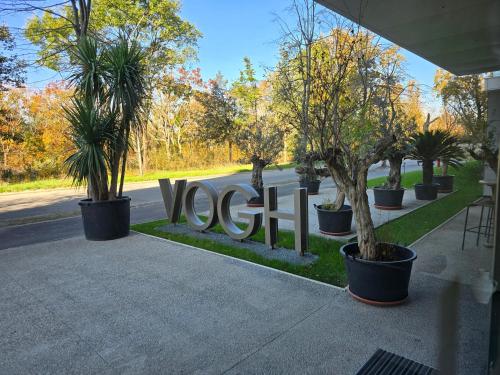
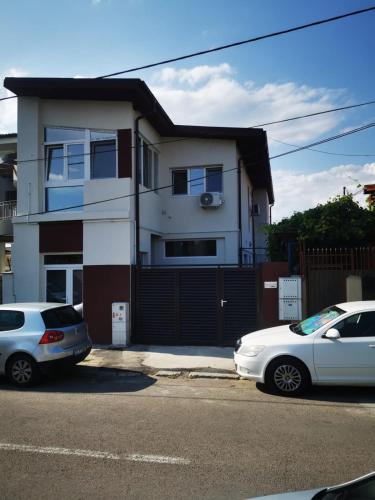
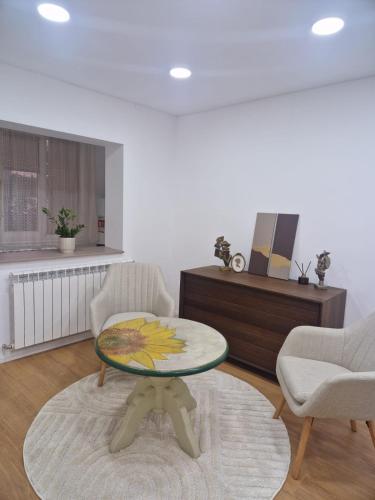

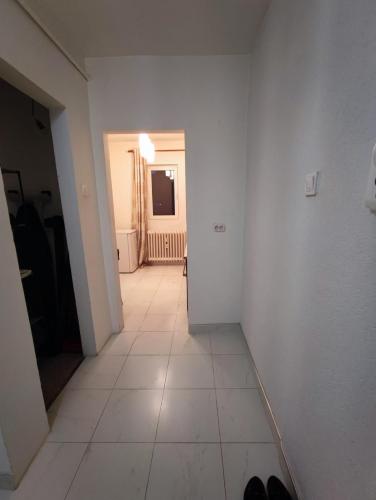
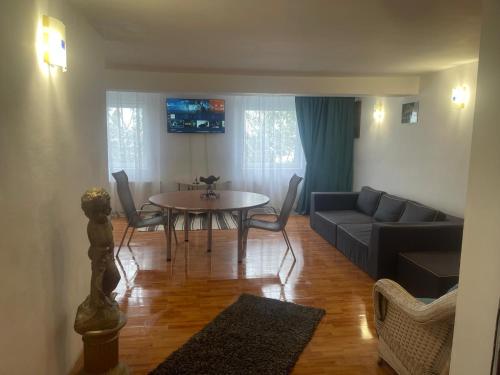

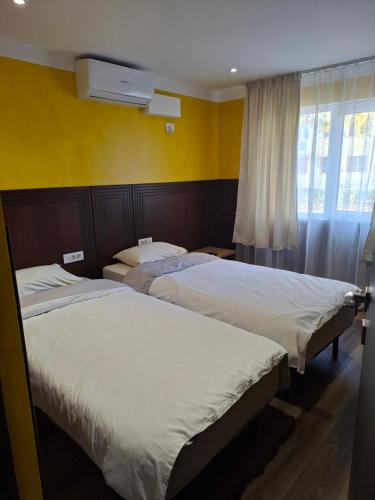
Live rates across our partner network (Booking.com, VRBO, Expedia, Hotels.com) via Stay22. Makutet may earn a commission when you book — at no extra cost to you. Prices update in real time and may vary before booking.
Experience

Guided walking
Start from the Carpathian Mountains for a guided day on mountain paths; allow a full day, with the most dependable walking conditions generally from late spring into early autumn. Reserve a guide and any required transport ahead, especially for summer weekends.
active travellers · nature lovers

Scenic drive
Make a full-day driving excursion on the Transfagarasan, allowing time for stops and changing mountain conditions. The high road is a summer-season outing rather than a year-round route; check access before setting out and reserve a hire car or guided transport ahead in peak summer.
drivers · photographers

Boat excursion
Use the Danube Delta as the starting point for a guided boat excursion through its waterways, setting aside at least a day and arranging the boat and guide in advance. Spring through early autumn is the practical season; weather and water conditions shape the route and timing.
birdwatchers · slow travellers

Guided city visit
Book a guided visit beginning in Bucharest and centred on the Palace of the Parliament; allow several hours for the visit and city transfers. Reserve the Parliament visit ahead, as access is controlled and entry arrangements can affect the day.
architecture enthusiasts · first-time visitors
Things to do
What Makutet's Romania research recommends, and where the tours that cover it can actually be booked.
Editorial recommendations from Makutet's Romania research. Tickets and tours are searched on GetYourGuide.
Carpathian mountain walking day
Start from the Carpathian Mountains for a guided day on mountain paths; allow a full day, with the most dependable walking conditions generally from late spring into early autumn. Reserve a guide and any required transport ahead, especially for summer weekends.
Transfagarasan mountain drive
Make a full-day driving excursion on the Transfagarasan, allowing time for stops and changing mountain conditions. The high road is a summer-season outing rather than a year-round route; check access before setting out and reserve a hire car or guided transport ahead in peak summer.
Danube Delta boat day
Use the Danube Delta as the starting point for a guided boat excursion through its waterways, setting aside at least a day and arranging the boat and guide in advance. Spring through early autumn is the practical season; weather and water conditions shape the route and timing.
Bucharest and Palace of the Parliament guided visit
Book a guided visit beginning in Bucharest and centred on the Palace of the Parliament; allow several hours for the visit and city transfers. Reserve the Parliament visit ahead, as access is controlled and entry arrangements can affect the day.
Sighisoara Citadel
A well-preserved medieval walled city located in the Mures county, featuring a historic clock tower.
Transfagarasan
A high-altitude paved mountain road crossing the Southern Carpathians, known for its hairpin turns.
Activity cards are editorial — Makutet is not selling these specific experiences. The partner search opens GetYourGuide for Romania, where availability and price are theirs.
Understand
The context that turns a visit into an understanding.

macro_region
A historical region located in the central part of the country, bounded by the Carpathian Mountain range.

macro_region
The southern historical region situated between the Southern Carpathians and the Danube river border.

macro_region
An eastern historical region located between the Eastern Carpathians and the Prut river border with Moldova.

sub_region
A large river delta located in the Dobruja macro-region, designated as a UNESCO World Heritage site.

sub_region
A region in northern Transylvania known for its traditional wooden churches and rural architecture.

Food
Sarmale—cabbage leaves filled with a savoury mixture—are commonly served with mămăligă, a cornmeal staple. Look for the pairing on traditional menus across Romania, including in Transylvania and Wallachia.

Drink
Țuică and pălincă are traditional fruit spirits, often associated with plum distilling and offered as a small welcome or celebratory drink. They are served in modest measures; ask what fruit and style a producer or host is offering.

Traditions
Orthodox Easter is marked by church services, family gatherings and painted eggs. In rural regions such as Maramures, visitors should expect holiday travel and reduced opening hours around the celebration, and should be respectful near services.

Regional culture
Transylvania’s historic towns and fortified architecture are part of a distinct regional character; Sighisoara Citadel offers a concrete point of reference. Allow time to explore on foot, where historic streets and uneven surfaces make comfortable shoes useful.

Urban life
In Bucharest, café-going and time along broad central boulevards sit alongside the scale of the Palace of the Parliament. A city walk is best planned around traffic and distances rather than assuming every central sight is a short stroll apart.
When to go
April–June
Spring
Fresh landscapes and milder conditions
July–August
High summer
Warm and often hot in lowland areas
September–October
Autumn
Milder days and changing mountain colour
December–February
Winter
Cold, with snow possible in the mountains
Practical
Money, transport, connectivity and the details that matter on the ground.
Budget
Romania uses the Romanian leu. Cards are accepted in many urban businesses, but carry cash for small purchases, rural guesthouses and local transport where card facilities may be limited. Accommodation, guided mountain or Delta trips, and car hire are major costs; summer demand around the Carpathians, Transfagarasan and Danube Delta can make those arrangements tighter. Tipping is customary for good service, but confirm whether a service charge is included.
Transport
Rail and road travel connect Bucharest with the regions, but journey times can be substantial and rural connections less frequent. Driving is on the right; a car is useful for reaching parts of Maramures and the Carpathians, while mountain roads such as the Transfagarasan are seasonal and weather-dependent. Arrange Delta boat connections separately from mainland road or rail travel.
Safety
Keep valuables secure in busy parts of Bucharest and take ordinary care on mountain paths, where weather can change quickly. The emergency number is 112. Tap water is generally available, but travellers may prefer bottled water in some rural settings; ask locally if unsure. Check mountain-road conditions before driving to the Transfagarasan.
Connectivity
Romania has mobile coverage in cities and towns, while signal can be less reliable in mountain terrain and parts of the Danube Delta. Download maps and essential travel details before leaving Bucharest or another town. The country uses European-style type C and F plugs; bring a compatible adaptor if needed.
Seasonal weather
Romania has cold winters, warm summers and changeable shoulder seasons. June to August is generally the most practical period for mountain walking and the Transfagarasan, though summer storms can interrupt plans; spring and early autumn suit regional touring but bring variable conditions. Winter snow and cold affect Carpathian access, while the Danube Delta is most comfortable for boat travel from spring into early autumn.
Accessibility and mobility
Travellers with reduced mobility, wheelchair users, pushchairs or older companions should plan routes and accommodation directly rather than assume step-free access. Historic streets at Sighisoara Citadel and rural terrain in Maramures can be steep, uneven or cobbled; mountain and Delta outings may require steps, boat boarding or transfers. Urban pavements and public transport vary, and older accommodation stock may lack lifts or accessible bathrooms, so confirm specific access arrangements before booking.
Getting around
Airport transfers, rail, buses, ferries and car hire for Romania — arranged before you fly, priced by the supplier.
Stay connected
Install an eSIM before you fly and you are online the moment you land in Romania — no roaming charges, no shop queue at the airport.
Moments
Romania’s story is legible in its changing terrain and in the places built within it. Bucharest’s monumental scale, the close historic fabric of Sighișoara Citadel and the mountain setting of Peleș Castle belong to one country, but not to one mood. The regions offer a way to read those differences without reducing them to a single image.
The signature moment
Stand in Transylvania at Sighișoara Citadel in the cool of early morning, before the day has fully gathered around its streets. Stone underfoot holds the night’s chill; the close walls and rooflines frame a narrow portion of sky. Listen for the small sounds that carry in an old, enclosed place: footsteps, a door, the faint movement of the town waking. Take in the uneven colours of the buildings and the worn texture of the route, then pause long enough to notice how the air changes as sunlight reaches the stone. There is no need to hurry towards a viewpoint; the scene is made by scale and proximity, by the feeling of moving through a place shaped for another rhythm of life. What makes this moment more than a portrait of Transylvania is the way it contains Romania’s larger contrasts. Beyond the citadel’s intimate streets lie the central Carpathians, the open reaches of the lower Danube Basin, Bucharest’s monumental presence and the distinct worlds of Moldavia, Wallachia, Maramureș and the Danube Delta. In one quiet hour, the country appears not as a single image but as a succession of places, each asking to be approached on its own terms.
The story behind it
Romania’s heritage is best approached through its regional variety and the different purposes its places have served. Transylvania, Wallachia and Moldavia each carry distinct historical associations, while the Danube Basin has long made the country’s position between river routes, mountains and the Black Sea consequential. Castles such as Bran and Peleș, the citadel of Sighișoara, the painted monasteries of Bucovina and the monumental Palace of the Parliament represent very different layers of built history. The country’s modern experience also includes difficult political histories, visible in the contrast between inherited religious and civic places and the imposing state architecture of Bucharest. A careful account holds these layers together without treating them as a seamless or uncomplicated national story.
Before you go
Let Romania unfold by region. A journey from Bucharest towards Transylvania, or onward through Moldavia and the Danube Delta, is not simply a transfer between sights; it is a change in landscape and historical emphasis. Leave room for those transitions. The country’s strongest impression comes from holding its varied places together: mountain and river, capital and citadel, monumental architecture and carefully painted religious interiors.
A central spine
The Carpathian Mountains are a defining central landform of Romania, set within a country primarily situated in the lower Danube Basin.
Five regional names
Transylvania, Wallachia, Moldavia, the Danube Delta and Maramureș are all recognised regions of Romania, each offering a different geographical and cultural frame.
May–June, September
Milder travel conditions
Late spring and early autumn are generally comfortable for combining Bucharest, Transylvania and mountain scenery. Conditions can vary with elevation, so allow for cooler weather in the Carpathians.
July–August
Warm, busy summer
Summer is workable for broad itineraries, but heat can be pronounced in lowland areas such as Wallachia. Keep mountain travel flexible: weather in the Carpathians can differ from the capital and plains.
December–February
Winter conditions
Winter brings cold conditions, especially in the Carpathians, and snow can complicate road journeys. Plan conservatively if your itinerary depends on mountain routes such as the Transfăgărășan.
FAQ
Romania uses the Romanian leu; carry some cash for smaller or rural transactions.
Summer is the most practical season, but access depends on mountain conditions; check the road status before travelling.
Arrange your guesthouse and boat connection together, and allow at least a day for a guided water excursion.
Yes, particularly for rural Maramures and mountain areas, though road conditions and seasonal access need checking.
Access varies considerably; historic streets, rural terrain, boats and older accommodation can present barriers, so confirm arrangements in advance.
Call 112 for emergency services in Romania.
Before you go
The last thing most travellers forget — and the disclosure that applies to every partner link on this page.
Booking and rate checks run on the partner's own site; prices and availability are theirs and can change. Some links are affiliate links and Makutet may earn a commission at no extra cost to you. See our affiliate disclosure.
Makutet builds a day-by-day itinerary around the places above — then keeps it updated as you travel.
Country guide: /country/romania
Your assessment works without optional tracking. Necessary storage keeps your trip and privacy choice. Embedded flight search includes TravelPayouts tracking; ordinary partner links remain available if you decline.
Cookie policy · Privacy policy. Reopen Cookie settings to change your choice. Supplier-site cookies are controlled by that supplier.