
Urban
Warsaw
The capital and largest city of Poland, serving as the nation's political, economic, and cultural center.

europe
Poland’s broad lowlands meet the Baltic in the north, while the southern edge rises towards the Tatra Mountains. Its cities, forests and historic landscapes give the country a character shaped by both geography and difficult memory.
The country
The country
Poland occupies Central Europe between the Baltic shore and a mountainous southern border. Much of the country is formed by open plains, but its regional character shifts from the lakes of Masuria to the Tatra Mountains, with Warsaw, Krakow and Gdansk offering distinct urban points of orientation.
Why visit
Poland rewards a journey that pays attention to contrasts rather than trying to reduce the country to a single image. The Central Polish Lowlands establish a broad, open interior; to the north, the Baltic gives the country a maritime edge, while the Masurian Lake District offers a different northern landscape of water and wooded ground. Along the south, the Southern Highlands and Mountains rise towards the Tatra Mountains, making the change from plain to upland legible within one national frame. The experience is also shaped by places whose meanings are not interchangeable. Warsaw and Krakow offer different ways into urban Poland, while Gdansk connects the northern coast to the country’s wider story. Auschwitz-Birkenau requires an approach grounded in historical seriousness, not casual sightseeing. Bialowieza Forest, Wieliczka Salt Mine and Zakopane add other dimensions: forest, subterranean heritage and mountain life. A traveller can follow these anchors as a sequence of encounters, allowing geography and memory to inform one another. Poland suits those willing to give places time: to move between city and landscape, to recognise that the plains are not merely a passage, and to approach difficult history with care. Rather than offering one uniform itinerary, the country invites a considered route from Baltic-facing north to southern highlands, with each stop changing the scale and register of the journey.
What it feels like
The impression is one of spacious interiors and pronounced regional shifts: open lowlands, northern lakes and a southern skyline that gathers into the Tatra Mountains. In the cities, historic settings and contemporary daily life sit alongside a national memory that calls for attention and restraint.
Who it suits
Poland suits travellers who enjoy city visits combined with landscape, and who are prepared to balance varied places with reflective time. It is particularly rewarding for those interested in history, regional geography, forests, lakes and mountain scenery.
How to get here
Live fares into Poland across hundreds of airlines, compared in one search. Book directly with the airline or agent — Makutet never adds a fee.
Live fares to Poland across hundreds of airlines. Book directly with the airline or agent — no extra cost to you.
Embedded flight search uses TravelPayouts cookies and tracking. Enable partner search to load it here, or continue directly on the partner site.
The external partner link includes Makutet's affiliate marker; confirm your route, dates and passengers there. No booking is made on Makutet.
Live search and booking run on the TravelPayouts partner engine. Fares update in real time and may vary before booking. Any prices shown elsewhere on Makutet are monitored observations, not live quotes.
Identity
The places that define the country rather than merely sit inside it.
Urban
The capital and largest city of Poland, serving as the nation's political, economic, and cultural center.

Historical
A historic city in southern Poland known for its well-preserved medieval core and the Wawel Royal Castle.

Memorial
The site of a former Nazi concentration camp, preserved as a memorial and museum of the Holocaust.

Wildlife
A large primeval forest area located on the border between Poland and Belarus, known for housing the European bison.
Imagery


Discover

Coastal
A major port city on the Baltic coast with a history linked to trade, maritime activities, and the Solidarity movement.

Urban
A city in western Poland situated on the Oder River, characterized by its numerous islands, bridges, and diverse architecture.

Historical
An extensive historic underground salt mine facility that features chapels and chambers carved entirely out of rock salt.

Tourism
A town situated at the foot of the Tatra Mountains known as the primary center for winter sports and mountain tourism.
Stay
The bases that actually change the trip.

City hotel or apartment
Choose a centrally located hotel or apartment in Warsaw if you want an urban base with onward connections into Poland. It suits visits in any season, though summer brings stronger demand. Check the walk from the station or transport stop and confirm lift access, since historic buildings may have stairs.
city explorers · independent travellers

Guesthouse or mountain lodge
Staying in Zakopane puts the Tatra Mountains within reach, but trail access still means planning transport and a full day outdoors. Summer suits hiking; winter is colder and brings a different mountain visit. Confirm how far the accommodation is from town transport and whether stairs or uneven approaches are involved.
hikers · mountain visitors

Holiday cottage
A cottage in the Masurian Lake District offers space and direct access to a lake setting, but can mean relying on pre-arranged transport rather than city services. It is most useful in the warmer months for time on the water. Check arrival arrangements, local transport and the distance to shops before booking.
families · self-catering travellers

Rural guesthouse
A rural guesthouse near Bialowieza Forest is a practical base for early guided walks, with a quieter setting than a city stay. Plan the journey to the forest in advance and check what meals and transport the property can provide; milder seasons are especially comfortable for time outdoors.
nature travellers · slow-travel visitors
Where to stay
Live rates across Booking.com, Agoda, VRBO and Expedia for Poland. Compare the areas above, then check what a night actually costs.
Popular destinations
Live rates across Booking.com, Agoda, VRBO and Expedia for Poland — no extra cost to you.
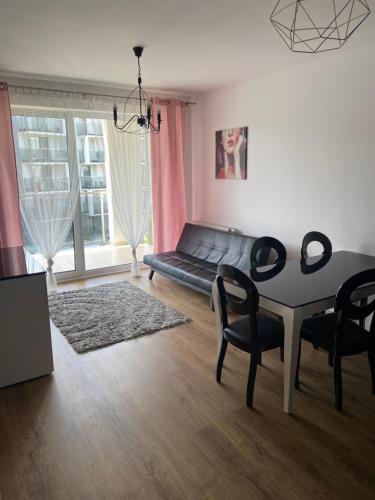
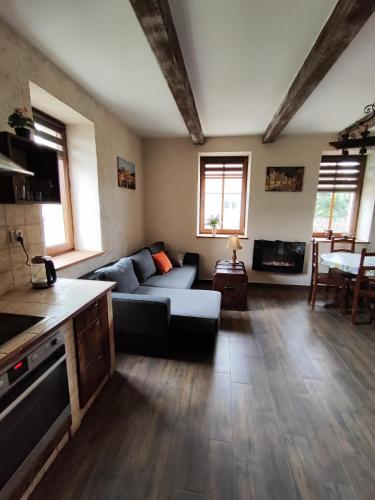

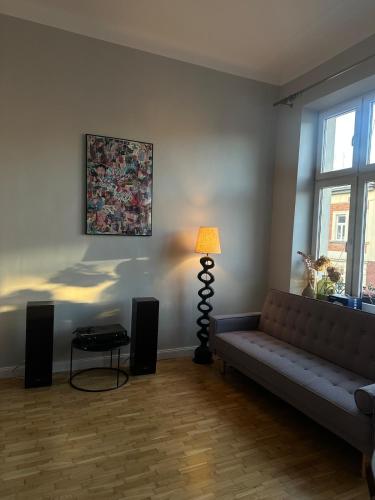
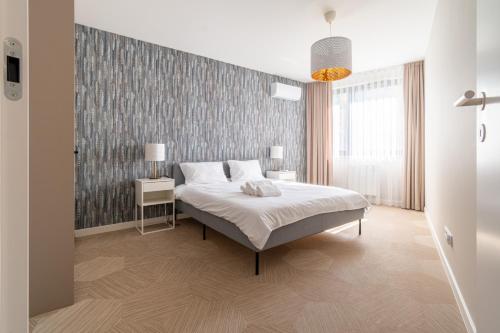
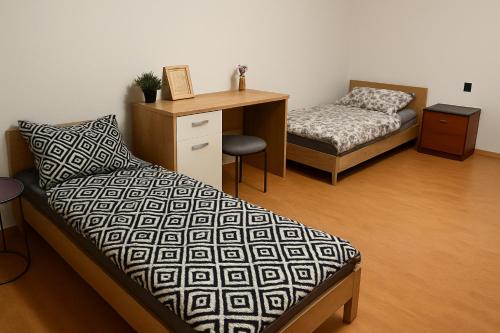


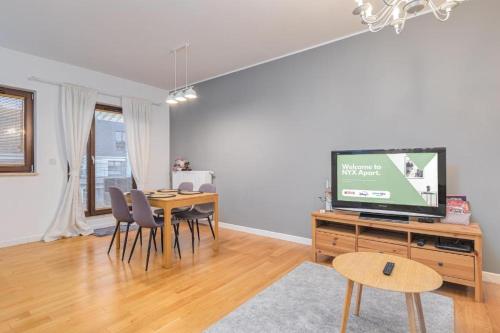
Live rates across our partner network (Booking.com, VRBO, Expedia, Hotels.com) via Stay22. Makutet may earn a commission when you book — at no extra cost to you. Prices update in real time and may vary before booking.
Experience

Guided city walk
Start in Krakow for a guided city walk of a few hours, with the route focused on the historic centre and its architecture. Reserve a guide ahead, particularly in the busy summer season; allow extra time if you plan to add a separate visit elsewhere.
culture-focused travellers · first-time visitors

Guided hiking
Use Zakopane as a base for a guided day hike in the Tatra Mountains. Expect a full day on foot and mountain terrain; arrange a guide and check conditions ahead. The warmer months are generally the practical season for hiking, while snow and changing weather can affect access.
active travellers · mountain scenery

Sailing
Arrange a reserved sailing day on the lakes of the Masurian Lake District, with time on the water and between lakeside stops. It is a warm-season activity; book the boat and skipper ahead, as availability and suitable conditions are seasonal.
families · water and nature travellers

Nature walk
Take a guided walk in Bialowieza Forest, allowing several hours for slow travel through the woodland and interpretation of its natural character. Arrange a local guide ahead and favour the milder seasons for comfortable walking; follow the guide’s access and conservation advice.
nature travellers · photographers
Things to do
What Makutet's Poland research recommends, and where the tours that cover it can actually be booked.
Editorial recommendations from Makutet's Poland research. Tickets and tours are searched on GetYourGuide.
Guided walk through Krakow
Start in Krakow for a guided city walk of a few hours, with the route focused on the historic centre and its architecture. Reserve a guide ahead, particularly in the busy summer season; allow extra time if you plan to add a separate visit elsewhere.
Tatra mountain day hike from Zakopane
Use Zakopane as a base for a guided day hike in the Tatra Mountains. Expect a full day on foot and mountain terrain; arrange a guide and check conditions ahead. The warmer months are generally the practical season for hiking, while snow and changing weather can affect access.
Masurian Lake District sailing day
Arrange a reserved sailing day on the lakes of the Masurian Lake District, with time on the water and between lakeside stops. It is a warm-season activity; book the boat and skipper ahead, as availability and suitable conditions are seasonal.
Bialowieza Forest guided nature walk
Take a guided walk in Bialowieza Forest, allowing several hours for slow travel through the woodland and interpretation of its natural character. Arrange a local guide ahead and favour the milder seasons for comfortable walking; follow the guide’s access and conservation advice.
Gdansk
A major port city on the Baltic coast with a history linked to trade, maritime activities, and the Solidarity movement.
Wroclaw
A city in western Poland situated on the Oder River, characterized by its numerous islands, bridges, and diverse architecture.
Activity cards are editorial — Makutet is not selling these specific experiences. The partner search opens GetYourGuide for Poland, where availability and price are theirs.
Understand
The context that turns a visit into an understanding.

macro_region
A vast region characterized by glacial plains, river valleys, and agricultural basins covering the central part of the country.

macro_region
The elevated region containing the Sudetes and Carpathian mountain ranges, forming the southern border and containing the highest elevations.

sub_region
A region in northeastern Poland known for its high concentration of glacial lakes and dense forested areas.

sub_region
A high-altitude mountain range in the southern part of the country, representing the highest peaks of the Carpathian chain.

Food
Pierogi are filled dumplings commonly associated with Polish cooking, served with varied fillings and often accompanied by sour cream or fried onion. Look for them on menus in Krakow and Warsaw, where they offer a familiar introduction to regional and home-style food.

Food tradition
Żurek is a tangy rye-fermented soup, often served with sausage and egg. Its sour, savoury flavour is distinct from a clear broth; try it as a substantial meal in a traditional Polish restaurant in Warsaw or Krakow.

Drink and customs
Vodka has a recognised place in Polish social drinking and is often associated with a shared toast rather than a drink to rush. Ask about local serving customs, and choose a non-alcoholic alternative if you do not drink; hospitality does not require matching a toast.

Traditions
On All Saints’ Day, families visit and care for graves, and cemeteries are illuminated by candles. It is a reflective national observance rather than a tourist performance; expect busy local travel and treat cemetery visits quietly and respectfully.

Regional character
Gdansk’s identity is shaped by its Baltic Sea setting and port history. Allow time to explore the city on foot and to account for coastal weather, which can feel cooler and windier than an inland city visit.
When to go
May–June
Late spring
Milder days and extended daylight
July–August
High summer
Warmest period, with busy travel conditions
September–October
Early autumn
Cooler air and changing landscapes
December–February
Winter
Cold, with short days
Practical
Money, transport, connectivity and the details that matter on the ground.
Budget
Poland’s currency is the złoty. Cards are widely useful in cities, while cash remains helpful for smaller purchases and some rural services; keep a modest amount available. Accommodation and dining in Warsaw, Krakow and the Baltic coast can take a larger share of a budget in the summer peak, while remote stays around the Masurian Lake District or Bialowieza Forest may add transport costs. Tipping is customary for good restaurant service.
Transport
Rail and road links connect major cities such as Warsaw, Krakow, Gdansk and Wroclaw; use local transport within cities and check onward connections for rural bases such as the Masurian Lake District or Bialowieza Forest. Poland drives on the right. A car can make rural travel more flexible, but city parking and mountain access around Zakopane need planning.
Safety
Poland uses the European emergency number 112. Keep ordinary city awareness around crowded transport and busy areas, and take care on mountain routes near Zakopane where weather and terrain can change the demands of a day outdoors. Tap water is generally safe to drink; check locally if a property gives different advice.
Connectivity
Mobile coverage is generally good in cities and towns, but can be less dependable in remote parts of Bialowieza Forest and the Masurian Lake District. Poland uses type C and E plugs; bring a suitable adaptor if needed. Download tickets and maps before rural journeys where signal may be limited.
Seasonal weather
Poland has warm summers and cold winters, with changeable spring and autumn conditions. June to August is generally the warmest period for the Baltic coast, the Masurian Lake District and Tatra hiking, though rain and cooler spells remain possible. December to February brings winter cold and snow, especially in the south; pack for icy conditions around Zakopane. Spring and autumn are useful for city visits but need layers and rain protection.
Accessibility and mobility
Expect a mix of modern accessible facilities and older buildings with steps, narrow entrances or no lift, particularly in historic centres such as Krakow and Gdansk. Main-city public transport varies by vehicle and stop, so verify step-free access for each route. Cobblestones, uneven pavements and winter ice can hinder wheelchairs, pushchairs and older companions; mountain terrain around Zakopane and rural paths in Bialowieza Forest are significant obstacles. Ask accommodation directly about entrances, lifts, bathrooms and accessible rooms before booking.
Getting around
Airport transfers, rail, buses, ferries and car hire for Poland — arranged before you fly, priced by the supplier.
Stay connected
Install an eSIM before you fly and you are online the moment you land in Poland — no roaming charges, no shop queue at the airport.
Moments
Poland is best read through its changing ground and the meanings attached to particular places. The broad interior, Baltic-facing north and mountainous south make a clear geographical frame; Warsaw, Krakow, Auschwitz-Birkenau and Bialowieza Forest show how urban life, heritage and remembrance give that frame depth.
The signature moment
At an early hour in the Tatra Mountains, the air feels sharp against the face and the slope gathers light before the valleys below have fully brightened. A footstep presses into the path; wind moves across the high ground, and the view opens towards successive ridges rather than a single summit. There is the quiet physical work of climbing, the taste of a warm drink taken from a flask, and the changing sensation of cold easing where sunlight reaches the rocks. For a moment, Poland is not the broad plain usually imagined from a map: it is close, vertical and measured by breath. Then the wider country returns to view. These mountains stand at the southern edge of a land whose northern identity includes the Baltic and Masurian lakes, while much of its centre remains open and level. The scene contains Poland not because it represents every region, but because it makes the country’s contrasts tangible. The journey from lowland to mountain is written into the horizon, and the effort of standing still long enough to notice it becomes part of the encounter.
The story behind it
Poland’s heritage is not a simple procession of monuments or a single uninterrupted national story. Its cities and landscapes hold layers of cultural life, while Auschwitz-Birkenau stands as a place of immense historical suffering that must be encountered with care and without simplification. Warsaw and Krakow offer different settings for understanding the country’s urban past and present; Gdansk adds a northern, maritime point of reference. The country’s geography also matters to its heritage: the lowlands, lake district and southern mountains have shaped distinct regional settings. A thoughtful visit allows these places to speak in their own registers, acknowledging both cultural continuity and the ruptures and losses that form part of Poland’s history.
Before you go
A Polish journey need not be hurried into a checklist. Leave room for the change in landscape between the Central Polish Lowlands, the Masurian Lake District and the Tatra Mountains, and let each place establish its own pace. In Warsaw, Krakow, Gdansk or at Auschwitz-Birkenau, attention matters as much as movement. The most lasting understanding comes from seeing geography, daily life and difficult memory as parts of the same country.
A country of contrasts
Poland’s geography runs from Baltic-facing northern landscapes and the Masurian Lake District across predominantly flat plains to the Tatra Mountains along its southern border.
Four distinct anchors
Warsaw, Krakow, Auschwitz-Birkenau and Bialowieza Forest are recorded as Poland’s signature identity places, bringing urban life, remembrance and nature into one national portrait.
May–June
Late spring into summer
A useful period for combining cities with the Masurian Lake District or southern uplands. Conditions are generally milder than in winter, though mountain weather can change and calls for suitable clothing.
September–October
Early autumn
Often a workable time to pair Warsaw or Krakow with landscapes farther north or south. Days shorten and temperatures cool; check local conditions before planning extended time in the Tatra Mountains.
December–February
Winter conditions
Winter brings cold weather and limited daylight, with more demanding conditions in the Southern Highlands and Mountains. Allow flexibility for outdoor plans and prioritise indoor visits when weather turns severe.
FAQ
Poland uses the złoty. Cards are widely accepted in cities, but cash is useful for smaller purchases and rural services.
The warmer months are generally more suitable for hiking from Zakopane; winter snow and changing conditions can affect access and route choice.
Tap water is generally safe to drink. Follow any specific advice provided by your accommodation.
Not for major cities such as Warsaw, Krakow and Gdansk, which have public transport and rail connections. A car can help with rural areas, but plan access and parking.
Older buildings, cobbled streets and uneven pavements can be difficult, while mountain and rural paths are often unsuitable for wheelchairs. Confirm step-free access directly with transport providers and accommodation.
Call 112 for emergency services in Poland.
Before you go
The last thing most travellers forget — and the disclosure that applies to every partner link on this page.
Booking and rate checks run on the partner's own site; prices and availability are theirs and can change. Some links are affiliate links and Makutet may earn a commission at no extra cost to you. See our affiliate disclosure.
Makutet builds a day-by-day itinerary around the places above — then keeps it updated as you travel.
Country guide: /country/poland
Your assessment works without optional tracking. Necessary storage keeps your trip and privacy choice. Embedded flight search includes TravelPayouts tracking; ordinary partner links remain available if you decline.
Cookie policy · Privacy policy. Reopen Cookie settings to change your choice. Supplier-site cookies are controlled by that supplier.