
urban center
Manila
The capital city of the Philippines located on the eastern shore of Manila Bay, serving as a historic center for commerce and government.

asia
The Philippines is an archipelago shaped by the meeting of the western Pacific and the South China Sea. Its island geographies, from Luzon to Mindanao, make movement between coast, interior and city part of the country’s story.
The country
The country
Set in Southeast Asia in the western Pacific, the Philippines is an archipelago bounded by the Philippine Sea, the South China Sea and the Celebes Sea. Its geography is not a backdrop to a single national itinerary: it is the organising fact of travel, with Luzon, the Visayas and Mindanao separated by water and connected through journeys between islands.
Why visit
The Philippines rewards travellers who understand that the distance between places is part of the experience. An archipelago in the western Pacific, it faces the Philippine Sea to the east, the South China Sea to the west and the Celebes Sea to the south; its islands make a journey here less like a continuous road crossing than a sequence of transitions between coast, settlement and interior. Luzon, the Visayas and Mindanao give the country broad regional bearings, while the National Capital Region offers the urban point of entry represented by Manila. From there, the country’s varied character comes into focus through distinct landscapes: the cultivated contours of the Banaue Rice Terraces, the striking cone of Mount Mayon, the historic streets of Intramuros, the limestone and island scenery of Palawan, the Chocolate Hills, Boracay and Siargao. These places do not form one compact circuit, and travellers should allow time for connections rather than treating island transfers as incidental. That slower, more deliberate pattern is also what makes the country legible: a change of island can mean a change from urban density to open shore, or from a coastal setting to a dramatic inland landscape. The appeal is not a single signature view but the contrast between these settings and the human scale of moving through them. Manila and Intramuros provide different ways to encounter the country’s past and present; the rice terraces and volcanic form of Mount Mayon make the land itself an active presence. A visit suits those willing to plan around geography, stay in more than one region and give each place enough time to be experienced on its own terms.
What it feels like
The atmosphere shifts with the setting: Manila’s urban density and Intramuros’s historic streets give way to the open horizons of Palawan, Boracay and Siargao, or the worked slopes of the Banaue Rice Terraces. Warm, humid tropical conditions shape daily life; rain and wind can alter the feel of a day as well as the ease of a sea crossing. The soundscape is often a meeting of city, shore and movement between islands.
Who it suits
The Philippines suits travellers who are comfortable planning around sea and air connections and who prefer to explore a few places with time to spare rather than rush through a long island list. It works especially well for those combining Manila and Intramuros with a contrasting landscape such as the Banaue Rice Terraces, Mount Mayon, Palawan, the Chocolate Hills, Boracay or Siargao.
How to get here
Live fares into Philippines across hundreds of airlines, compared in one search. Book directly with the airline or agent — Makutet never adds a fee.
Live fares to Philippines across hundreds of airlines. Book directly with the airline or agent — no extra cost to you.
Embedded flight search uses TravelPayouts cookies and tracking. Enable partner search to load it here, or continue directly on the partner site.
The external partner link includes Makutet's affiliate marker; confirm your route, dates and passengers there. No booking is made on Makutet.
Live search and booking run on the TravelPayouts partner engine. Fares update in real time and may vary before booking. Any prices shown elsewhere on Makutet are monitored observations, not live quotes.
Identity
The places that define the country rather than merely sit inside it.
urban center
The capital city of the Philippines located on the eastern shore of Manila Bay, serving as a historic center for commerce and government.

heritage site
Ancient structures carved into the mountains of Ifugao by the ancestors of the indigenous people, demonstrating early agricultural engineering.

volcano
An active stratovolcano located in the Bicol region known for its nearly perfect conical shape and historical significance in the landscape.

historical site
The historic walled area within the city of Manila that features colonial-era architecture and fortifications built during the Spanish period.
Imagery


Discover

coastal region
A long, narrow island province characterized by limestone karst formations, underground rivers, and extensive marine biodiversity.

geological formation
A geological formation in Bohol consisting of over one thousand grass-covered limestone mounds that turn brown during the dry season.

island beach
A small island in the Western Visayas known for its extensive white sand beaches and established tropical tourism industry.

island
An island province in the Caraga region recognized for its reef breaks and significant role in the national surfing culture.
Stay
The bases that actually change the trip.

Guesthouse
A guesthouse in Manila makes city transfers and a visit to Intramuros comparatively straightforward, but traffic can make short journeys take time. It suits arrivals and urban stays in the drier months; confirm stairs, lift access and air conditioning before booking.
city explorers · independent travellers

Lodge
A small lodge in Banaue places the rice-terrace region within reach, but road journeys and local transfers are part of the stay rather than an incidental detail. Wet-season rain can slow access; confirm transport arrangements and the number of stairs before booking.
landscape travellers · walkers

Coastal resort
A coastal resort in Palawan is a practical base for boat days, but reaching it may require a flight and onward road or boat transfer. The drier season generally favours time on the water; check transfer schedules, included transport and whether meals are available on site.
island travellers · couples

Surf lodge
A surf lodge on Siargao suits travellers planning sessions around local sea conditions, with time needed to reach the coast and arrange boards or instruction. Check seasonal surf conditions and the lodge’s transport, accessibility and equipment arrangements before committing.
surfers · outdoor travellers
Where to stay
Live rates across Booking.com, Agoda, VRBO and Expedia for Philippines. Compare the areas above, then check what a night actually costs.
Popular destinations
Live rates across Booking.com, Agoda, VRBO and Expedia for Philippines — no extra cost to you.
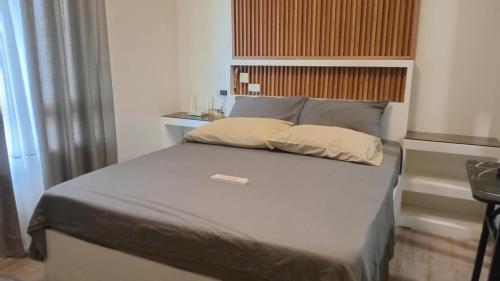
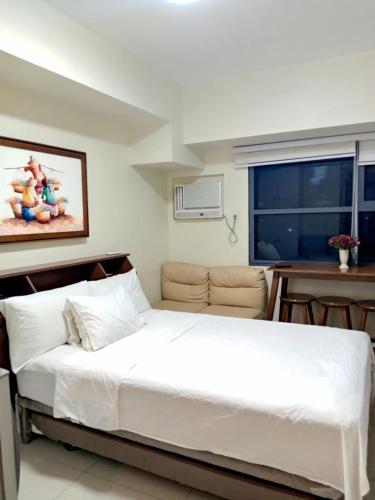



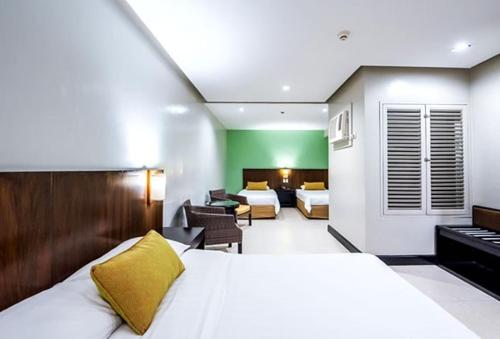

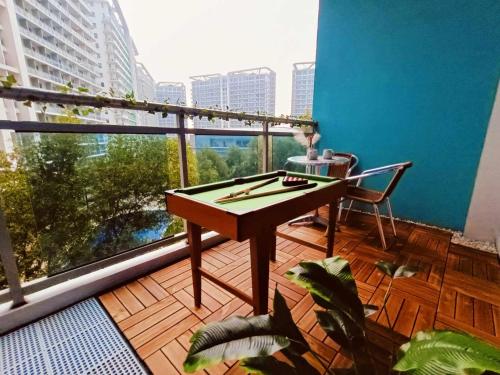
Live rates across our partner network (Booking.com, VRBO, Expedia, Hotels.com) via Stay22. Makutet may earn a commission when you book — at no extra cost to you. Prices update in real time and may vary before booking.
Experience

Guided cultural walk
Start in Manila for a guided half-day on foot through Intramuros, allowing time for the walled district’s streets and historic buildings. Reserve a guide ahead, especially in the drier season; agree the route and walking pace in advance.
history-minded travellers · walkers

Guided countryside day
Use Banaue as the starting point for a guided day among the rice-terrace landscapes, with time on foot and transfers between viewpoints arranged locally. Reserve transport and a guide ahead; wet-season conditions can make walking and road travel slower.
landscape photographers · active travellers

Boat excursion
Arrange a full-day boat excursion from Palawan, combining time on the water with stops along the coast and islands. Book the boat and any guided activities ahead, and check local sea conditions; calmer, drier months are generally more suitable for boat travel.
coastal explorers · snorkellers

Surf lesson
Book a surf lesson on Siargao with an instructor who can match the session to sea conditions and ability. Allow several hours for instruction and time in the water; reserve boards and coaching ahead during busy travel periods, and check conditions before setting out.
beginner surfers · active travellers
Things to do
What Makutet's Philippines research recommends, and where the tours that cover it can actually be booked.
Editorial recommendations from Makutet's Philippines research. Tickets and tours are searched on Klook.
Manila heritage walking day
Start in Manila for a guided half-day on foot through Intramuros, allowing time for the walled district’s streets and historic buildings. Reserve a guide ahead, especially in the drier season; agree the route and walking pace in advance.
Banaue rice-terrace guided outing
Use Banaue as the starting point for a guided day among the rice-terrace landscapes, with time on foot and transfers between viewpoints arranged locally. Reserve transport and a guide ahead; wet-season conditions can make walking and road travel slower.
Palawan island-and-coast boat day
Arrange a full-day boat excursion from Palawan, combining time on the water with stops along the coast and islands. Book the boat and any guided activities ahead, and check local sea conditions; calmer, drier months are generally more suitable for boat travel.
Siargao surf lesson
Book a surf lesson on Siargao with an instructor who can match the session to sea conditions and ability. Allow several hours for instruction and time in the water; reserve boards and coaching ahead during busy travel periods, and check conditions before setting out.
Palawan
A long, narrow island province characterized by limestone karst formations, underground rivers, and extensive marine biodiversity.
Chocolate Hills
A geological formation in Bohol consisting of over one thousand grass-covered limestone mounds that turn brown during the dry season.
Activity cards are editorial — Makutet is not selling these specific experiences. The partner search opens Klook for Philippines, where availability and price are theirs.
Understand
The context that turns a visit into an understanding.

macro_region
The largest and northernmost island group in the Philippines, containing the national capital region and the country's main economic and political centers.

macro_region
The central island group of the Philippines, consisting of numerous smaller islands characterized by hilly terrain and extensive coastal shorelines.

macro_region
The second-largest island group located in the southern portion of the country, known for its diverse topography including high mountain ranges and plateaus.

sub_region
A metropolitan area located on the island of Luzon that serves as the political, cultural, and economic hub of the Philippine archipelago.

sub_region
An administrative region in the Visayas encompassing major islands like Cebu and Bohol, known for its significant maritime history and tourism infrastructure.

Food
Adobo is a familiar Filipino dish of meat or vegetables cooked with vinegar, soy sauce, garlic and seasoning. Recipes vary between households; try it in Manila and ask whether the version is served with rice.

Food
Sinigang is a sour, savoury soup, often made with tamarind and vegetables alongside meat or seafood. It is a useful introduction to the balance of sharp broth and rice found in Filipino home cooking.

Transport culture
Jeepneys are a distinctive form of shared public transport in the Philippines. Routes and stopping practice can be unfamiliar to visitors, so ask locally before boarding and keep small cash available for fares.

Neighbourhood character
Intramuros offers a concentrated encounter with Manila’s historic urban fabric. Its enclosed streets are best explored on foot, with time allowed for heat, uneven surfaces and breaks rather than treating the visit as a quick transfer between sights.
When to go
December–February
Cooler, drier months
A broadly favourable season for travel
March–May
Hot dry season
Good for travel, but often very warm
June–November
Wet and typhoon season
Rain can affect island connections
Practical
Money, transport, connectivity and the details that matter on the ground.
Budget
The currency is the Philippine peso. Cards are useful in established businesses in Manila and larger visitor centres, but carry cash for local transport, smaller shops, rural areas and island transfers. Transport between islands, boat excursions and accommodation in Palawan or Boracay can take a larger share of a trip budget; busy dry-season travel can also mean more competition for rooms and seats.
Transport
Domestic flights connect major islands, while ferries and local boats serve many island routes; road transfers link airports and ports to places such as Banaue and Intramuros. Build in connection time rather than assuming a same-day chain will run smoothly, and reserve flights, ferries and island transfers ahead in the dry-season peak.
Safety
Conditions vary across the archipelago, and typhoons, heavy rain and rough seas can disrupt roads and boat travel. Check local advisories and operator updates before journeys to Palawan, Siargao or Banaue, keep valuables secure in Manila, and use established transport providers. The emergency number is 911.
Connectivity
Mobile coverage is strongest in cities such as Manila and less dependable on remote islands and in mountainous parts of Luzon. An eSIM or local SIM can help with maps and transport coordination, but download key information before leaving coverage. The country uses Type A, B and C plugs; tap water is not generally considered safe to drink, so use treated or bottled water.
Seasonal weather
The Philippines has a tropical climate with a rainy season generally from June to November and a drier season from December to May. Rain and typhoons can affect sea crossings, flights and road access, particularly during the wetter months; the drier period is usually more reliable for Palawan boat days, Boracay beach time and travel between islands. Check forecasts and operator updates rather than relying on a fixed itinerary.
Accessibility and mobility
Expect significant mobility barriers: pavements may be uneven or interrupted, road crossings busy, and public transport—including jeepneys—often difficult to board with a wheelchair, pushchair or reduced mobility. Banaue’s terrain and access to the rice terraces involve slopes and steps; island transfers may require boarding boats without level access. Confirm step-free entry, lifts, accessible bathrooms and vehicle arrangements directly with each Manila, Palawan or Siargao accommodation and operator.
Getting around
Airport transfers, rail, buses, ferries and car hire for Philippines — arranged before you fly, priced by the supplier.
Stay connected
Install an eSIM before you fly and you are online the moment you land in Philippines — no roaming charges, no shop queue at the airport.
Moments
To travel in the Philippines is to keep adjusting one’s sense of scale. The country is at once a set of island regions and a connected national life, with Manila, the historic core of Intramuros and places as different as the Banaue Rice Terraces and Siargao offering distinct ways into its geography. Water is not an interval between experiences; it is the condition that joins them.
The signature moment
At first light in the Banaue Rice Terraces, the slopes resolve into a pattern rather than a distant green wall. The eye follows the contour of each cultivated level; above them, the day begins slowly, with damp air on the skin and the coolness of morning still held in the valley. There is birdsong and the small, close sound of water moving through the terraces, while the scene itself seems to rise in steps towards the ridges. The ground feels uneven underfoot, a reminder that this is not scenery set apart from work but a landscape shaped for living and cultivation. Later, a simple meal brings the warmth of rice and the taste of local cooking into the same frame as the slopes. Nothing here asks to be hurried: light changes, cloud gathers or clears, and the terraces keep drawing the gaze back along their lines. In this single scene, the Philippines appears not as a collection of beaches but as an archipelago of deeply varied places, where land, water and human labour meet. The terraces belong to Luzon, yet their quiet presence broadens the idea of the country: beyond Manila’s density and the coastlines of Palawan, Boracay and Siargao, there is an interior whose shape and daily use are inseparable.
The story behind it
The heritage of the Philippines is best approached without reducing it to a single origin story. Its island geography fostered distinct regional communities and connections across the sea; later colonial rule left enduring marks on settlement, religion, language and public life, alongside histories of resistance and political change. Intramuros offers a visible setting in which to consider the colonial city, while Manila’s wider metropolitan character reflects a more layered present. Across Luzon, the Visayas and Mindanao, local histories cannot be collapsed into one account. The Banaue Rice Terraces also speak to long-standing relationships between communities and land. Travelling through these places means encountering an inheritance that includes both cultural continuities and difficult chapters, rather than a finished or uniform national narrative.
Before you go
Leave space in the itinerary for a place to exceed its outline on a map. A crossing, a change in weather or a slow morning in the Banaue Rice Terraces can become as revealing as the destination itself. The Philippines is not best understood as one view repeated across many islands. Give Manila, Intramuros and whichever regional landscapes you choose their own time, and let the differences between them remain part of the journey.
Three surrounding seas
The Philippines is bounded by the Philippine Sea to the east, the South China Sea to the west and the Celebes Sea to the south; its maritime setting shapes how the archipelago is understood and travelled.
A varied island frame
Luzon, the Visayas and Mindanao are among the country’s geographic regions, while the Banaue Rice Terraces, Mount Mayon and Intramuros show how varied its landscapes and heritage can be.
December–February
Drier-season planning
These months fall within the Philippines’ typically drier season. They are a practical choice for combining Manila with island or inland places, though sea and air connections still need planning between regions.
March–May
Hot and increasingly unsettled
The late dry season can bring hot conditions, especially for long days outdoors. Plan a measured pace at places such as the Banaue Rice Terraces, and leave flexibility for travel between islands.
June–November
Rain and typhoon season
The wet season brings heavier rain and the possibility of typhoons, which can disrupt sea crossings and flights. Avoid tight island-to-island connections and check conditions before committing to onward travel.
FAQ
December to May is generally drier; June to November brings more rain and greater risk of weather-related travel disruption.
Use domestic flights for longer distances and ferries or local boats for many island routes; allow time for connections and changing conditions.
Yes. Cards work in many established businesses, but pesos in cash are useful for local transport, small shops and rural or island transfers.
Tap water is not generally considered safe to drink; choose treated or bottled water.
Intramuros is best explored on foot, but allow for heat and uneven surfaces and plan breaks; mobility access can be limited.
Banaue is reached by road, and the terrain around the rice terraces includes slopes and steps; rain can make travel slower.
Before you go
The last thing most travellers forget — and the disclosure that applies to every partner link on this page.
Booking and rate checks run on the partner's own site; prices and availability are theirs and can change. Some links are affiliate links and Makutet may earn a commission at no extra cost to you. See our affiliate disclosure.
Makutet builds a day-by-day itinerary around the places above — then keeps it updated as you travel.
Country guide: /country/philippines
Your assessment works without optional tracking. Necessary storage keeps your trip and privacy choice. Embedded flight search includes TravelPayouts tracking; ordinary partner links remain available if you decline.
Cookie policy · Privacy policy. Reopen Cookie settings to change your choice. Supplier-site cookies are controlled by that supplier.
