
mountain
K2
The second highest mountain in the world, located on the border between Pakistan and China in the Karakoram range.

asia
Pakistan is shaped by the Indus Plain, high plateaus and the Arabian Sea. Its cities, sacred architecture and mountain landscapes are connected by a geography that rewards attention to distance and terrain.
The country
The country
Pakistan occupies a meeting point of South Asia’s plains, western highlands and the Arabian Sea. The Indus Plain, Potohar Plateau, Thar Desert and northern highlands give the country a strikingly varied physical frame; its heritage is equally legible in the monumental architecture of Lahore and the ancient remains of Mohenjo-daro.
Why visit
Pakistan is best understood through the contrasts its geography places alongside one another. The Indus Plain offers a broad, lowland frame for the country, while the Highlands and Plateaus rise towards K2 and the valleys of the north. The Potohar Plateau and Thar Desert add further changes in terrain and pace. These are not interchangeable landscapes: they shape how a journey feels, what can be seen from the road, and how much time is needed to move between regions. The Arabian Sea forms the southern edge, while land borders connect Pakistan with Iran, Afghanistan, China and India. That position makes the country a meeting ground of routes and influences, though its own places remain the focus of the traveller’s experience. In Lahore, Lahore Fort and Badshahi Mosque give architectural form to a history of power, faith and public life. Mohenjo-daro offers a different encounter: a recognised signature place whose archaeological remains invite attention to a much earlier urban past. Farther north, Hunza Valley and Deosai National Park bring the journey into mountain and high-plateau landscapes, while K2 stands as a defining presence of the country’s highlands. The experience is not a single scenic circuit but a sequence of distinct regions, each requiring its own pace and practical planning. Travellers who come prepared to allow time for distance, altitude and the character of each place will find a country whose identity is expressed as much through its landforms as through its built heritage.
What it feels like
The atmosphere shifts with the terrain: the open scale of the Indus Plain gives way to the high country around K2, while Lahore’s forts and mosque bring urban history into close view. Across these settings, daily life is encountered in a country whose geography reaches from desert and plateau to the Arabian Sea.
Who it suits
Pakistan suits travellers interested in landscape, architecture and history who are comfortable planning around substantial changes in terrain and distance. It is particularly rewarding for those willing to give separate time to Lahore, Mohenjo-daro and the northern highlands rather than treating them as brief stops on one itinerary.
How to get here
Live fares into Pakistan across hundreds of airlines, compared in one search. Book directly with the airline or agent — Makutet never adds a fee.
Live fares to Pakistan across hundreds of airlines. Book directly with the airline or agent — no extra cost to you.
Embedded flight search uses TravelPayouts cookies and tracking. Enable partner search to load it here, or continue directly on the partner site.
The external partner link includes Makutet's affiliate marker; confirm your route, dates and passengers there. No booking is made on Makutet.
Live search and booking run on the TravelPayouts partner engine. Fares update in real time and may vary before booking. Any prices shown elsewhere on Makutet are monitored observations, not live quotes.
Identity
The places that define the country rather than merely sit inside it.
mountain
The second highest mountain in the world, located on the border between Pakistan and China in the Karakoram range.

heritage
A historical citadel complex located in the Walled City of Lahore, dating back to the Mughal era in the sixteenth century.

religious site
A major seventeenth-century congregational mosque located in Lahore, built during the reign of the Mughal Emperor Aurangzeb.

archaeology
An archaeological site in the province of Sindh, representing one of the largest settlements of the ancient Indus Valley Civilization.
Imagery


Discover

nature
A mountainous valley in the Gilgit-Baltistan region, known for its high elevation and proximity to several major peaks.

religious site
A large-scale modern mosque located in Islamabad, noted for its contemporary architectural design and position at the foot of the Margalla Hills.

heritage
A massive sixteenth-century fortress built by Sher Shah Suri, located near the city of Jhelum in the Punjab province.

nature
A high-altitude alpine plateau and national park located in the Gilgit-Baltistan region, known for its diverse flora and wildlife.
Stay
The bases that actually change the trip.

Guesthouse
A guesthouse base in Hunza Valley puts mountain scenery close at hand, but reaching it means a long road journey through high terrain rather than a simple city transfer. Spring to autumn is the more practical window; winter snow can lengthen journeys and limit access. Confirm heating, road transfers and meals before booking.
independent travellers · mountain visitors

Trekking camp
Staying for a K2 approach means using basic trekking lodges and camps as part of a guided expedition, not expecting conventional hotel access. The summer trekking season is the practical choice; reserve the guide, camp logistics and onward transport together well ahead, and allow days for the approach and weather delays.
trekkers · expedition groups

City hotel
A Lahore hotel offers the most straightforward base for reaching Lahore Fort and Badshahi Mosque, with urban transport rather than mountain-road planning. Cooler months make extended sightseeing more comfortable. Choose a location with reliable vehicle access and confirm whether transfers and meals are included.
heritage visitors · comfort-focused travellers

Guesthouse
A basic stay near Mohenjo-daro reduces the strain of reaching the archaeological site, but options and services are more limited than in a large city. Cooler months suit the exposed ruins best. Check transport arrangements, air conditioning and meal availability before committing, and plan the onward journey rather than relying on walkable services.
archaeology visitors · practical travellers
Where to stay
Live rates across Booking.com, Agoda, VRBO and Expedia for Pakistan. Compare the areas above, then check what a night actually costs.
Popular destinations
Live rates across Booking.com, Agoda, VRBO and Expedia for Pakistan — no extra cost to you.



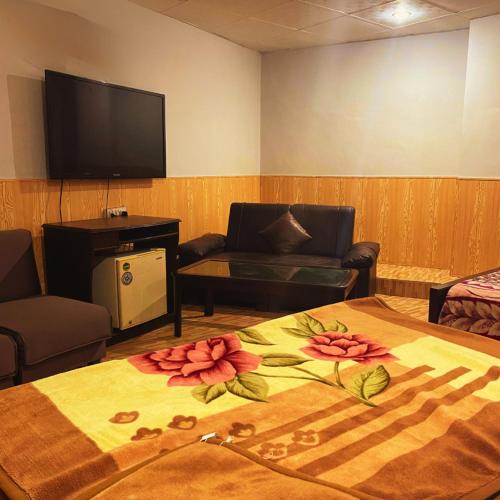

Live rates across our partner network (Booking.com, VRBO, Expedia, Hotels.com) via Stay22. Makutet may earn a commission when you book — at no extra cost to you. Prices update in real time and may vary before booking.
Experience

Guided drive
Arrange a guided day or multi-day drive from Hunza Valley through the surrounding mountain landscape. Allow several hours for a day outing; in winter, snow can disrupt road access. Reserve a local driver and vehicle ahead, especially for the main travel season.
mountain travellers · photographers

Trekking expedition
A guided trekking expedition towards K2 is a demanding, multi-day undertaking, not a short walk from a road. It is generally planned for the warmer summer trekking season; secure a specialist guide, permits and logistics well in advance, and confirm current access before departure.
experienced trekkers · expedition travellers

Guided heritage visit
Take a guided visit to the excavated remains at Mohenjo-daro, allowing several hours on site and additional time for the overland journey. The cooler months are more comfortable for walking among exposed ruins; arrange transport and a qualified guide ahead of time.
history travellers · cultural visitors

Guided heritage walk
Set aside half a day for a guided heritage visit linking Lahore Fort and Badshahi Mosque, with time for security and entry procedures. Dress respectfully for mosque access and arrange a guide and transport in advance, particularly during busy periods.
architecture enthusiasts · cultural travellers
Things to do
What Makutet's Pakistan research recommends, and where the tours that cover it can actually be booked.
Editorial recommendations from Makutet's Pakistan research. Tickets and tours are searched on Klook.
Hunza Valley guided valley drive
Arrange a guided day or multi-day drive from Hunza Valley through the surrounding mountain landscape. Allow several hours for a day outing; in winter, snow can disrupt road access. Reserve a local driver and vehicle ahead, especially for the main travel season.
K2 trekking approach
A guided trekking expedition towards K2 is a demanding, multi-day undertaking, not a short walk from a road. It is generally planned for the warmer summer trekking season; secure a specialist guide, permits and logistics well in advance, and confirm current access before departure.
Mohenjo-daro archaeological visit
Take a guided visit to the excavated remains at Mohenjo-daro, allowing several hours on site and additional time for the overland journey. The cooler months are more comfortable for walking among exposed ruins; arrange transport and a qualified guide ahead of time.
Lahore Fort and Badshahi Mosque heritage walk
Set aside half a day for a guided heritage visit linking Lahore Fort and Badshahi Mosque, with time for security and entry procedures. Dress respectfully for mosque access and arrange a guide and transport in advance, particularly during busy periods.
Hunza Valley
A mountainous valley in the Gilgit-Baltistan region, known for its high elevation and proximity to several major peaks.
Faisal Mosque
A large-scale modern mosque located in Islamabad, noted for its contemporary architectural design and position at the foot of the Margalla Hills.
Activity cards are editorial — Makutet is not selling these specific experiences. The partner search opens Klook for Pakistan, where availability and price are theirs.
Understand
The context that turns a visit into an understanding.

macro_region
A vast, fertile alluvial plain formed by the Indus River and its tributaries, occupying the central and eastern portions of the country.

macro_region
A region encompassing the mountainous terrains of the north, including the Himalayas, and the expansive Balochistan Plateau in the southwest.

sub_region
A plateau region located between the Indus and Jhelum rivers, characterized by rugged terrain and ancient geological history.

sub_region
An arid region located in the southeastern part of the country, forming part of the larger desert landscape extending into India.

Food
Nihari is a slow-cooked meat stew commonly associated with substantial breakfasts. In Lahore, ask for it early in the day and allow time for a filling meal rather than treating it as a quick snack.

Food
Chapli kebab is a spiced, pan-fried minced-meat patty associated with Pakistan's north-western food traditions. It is typically served hot with bread and accompaniments; ask about chilli and spice levels when ordering.

Drink and hospitality
Milk tea, or chai, is part of everyday hospitality across Pakistan. It is often offered during visits and breaks; accepting a cup can be a natural way to slow the pace of a journey, especially after a long drive through the Highlands and Plateaus.

Customs and religion
At Badshahi Mosque, modest clothing and quiet conduct are appropriate, and visitors should follow local instructions about shoes and prayer areas. Prayer times shape access, so leave flexibility in a Lahore visit rather than treating the mosque as an always-open monument.

Regional character
The Indus Plain is a broad agricultural landscape where travel between settlements can feel very different from a city visit. Rural journeys are best planned with a driver and clear stops; services are less predictable than around Lahore's major heritage sites.
When to go
October–March
Cooler months
A favourable period for lowland travel
April–June
Spring to early summer
A varied shoulder season
July–September
Summer monsoon
Rain and heat may complicate travel
Practical
Money, transport, connectivity and the details that matter on the ground.
Budget
Pakistan's currency is the Pakistani rupee. Cards are more useful in established urban businesses than in rural areas, small shops or remote journeys, so carry cash and arrange access to it before leaving Lahore or another large centre. Transport, guides and mountain logistics are major costs; remote Hunza Valley and K2 trips require more planning and can cost more in time and services than a city stay.
Transport
Long-distance travel is shaped by the country’s scale: Lahore is an urban base, while Hunza Valley and K2 access involve lengthy mountain-road journeys. Hire a driver for remote routes and check road conditions before setting out; domestic flights may shorten some journeys but do not remove the need for onward transfers. Pakistan drives on the left.
Safety
Conditions can change quickly on high roads in Hunza Valley and on trekking approaches towards K2, so check current local advice and weather before travelling. Keep identification and essential medication accessible, agree a driver’s route and check-in plan, and note that Pakistan’s emergency number is 1122 where the service operates.
Connectivity
Mobile coverage is generally more dependable in cities such as Lahore than on remote routes through the Highlands and Plateaus or near K2. Download maps and essential details before leaving connected areas, and confirm coverage with your provider. Pakistan commonly uses Type C and D plugs; bring a suitable adaptor and plan for charging interruptions outside towns.
Seasonal weather
Pakistan has hot summers, a summer monsoon that brings heavy rain to parts of the country, and cooler, drier winter conditions; the timing and intensity vary by region. For Lahore and the exposed ruins of Mohenjo-daro, the cooler months are more comfortable for walking. Mountain travel in Hunza Valley and trekking towards K2 is generally most practical in summer, although snow and rain can still affect access.
Accessibility and mobility
Travellers using wheelchairs, pushchairs or walking aids should expect substantial barriers: uneven pavements, steps, crowded streets and limited step-free transport are common, while mountain roads and trails around Hunza Valley and K2 are especially demanding. Historic sites such as Lahore Fort and Mohenjo-daro have uneven surfaces and limited accessible routes. Confirm room access, lifts, vehicle loading and assistance directly with accommodation and transport providers; do not assume accessible facilities.
Getting around
Airport transfers, rail, buses, ferries and car hire for Pakistan — arranged before you fly, priced by the supplier.
Stay connected
Install an eSIM before you fly and you are online the moment you land in Pakistan — no roaming charges, no shop queue at the airport.
Moments
Pakistan’s story is written across varied ground: the Indus Plain and Thar Desert, the Potohar Plateau and the highlands where K2 commands the horizon. Its named places hold different kinds of memory, from the archaeological remains of Mohenjo-daro to the forts and religious architecture of Lahore. Together they offer a way into the country without reducing it to a single landscape or period.
The signature moment
Stand in Hunza Valley in the early morning, before the day’s movement has gathered pace. The mountain walls catch the first clear light; the air feels cool against the face, and the valley’s scale becomes apparent not as a distant panorama but as a place enclosed by immense slopes. Listen for the small sounds close at hand—the wind moving through the valley and the ordinary activity of a settlement waking—rather than expecting the mountains to announce themselves. Taste something warm if it is available, and notice how quickly the chill gives way when sunlight reaches the ground. The moment is specific to the northern highlands, yet it contains a larger truth about Pakistan: landscape here is not a backdrop but a force that sets the rhythm of travel. The contrast with the Indus Plain, the Potohar Plateau and the southern edge at the Arabian Sea is already present in the thought of the journey ahead. Pakistan’s range is felt in the transition between places, and in the patience required to experience each one on its own terms.
The story behind it
Pakistan’s heritage is not contained in one era or one kind of monument. Mohenjo-daro preserves evidence of an ancient urban past in the Indus region; Lahore Fort and Badshahi Mosque represent a later, monumental architectural inheritance, while Rohtas Fort adds another expression of fortified history. These places sit within a country whose modern identity is shaped by its position in South Asia and its borders with Iran, Afghanistan, China and India. A neutral account must hold these layers together without making the past a simple prelude to the present: archaeological remains, religious architecture and forts speak to different societies and purposes, and the country’s history includes difficult and contested inheritances as well as celebrated cultural achievements.
Before you go
Let the country unfold by region rather than by checklist. Lahore’s monumental heritage, Mohenjo-daro’s archaeological presence and the high landscapes of Hunza Valley ask for different kinds of attention and different measures of time. A well-paced journey leaves room for those changes. Carry the image of the Indus Plain alongside the mountains, and allow Pakistan’s variety to emerge through the distances between them.
Four kinds of ground
The named regions include the Indus Plain, Highlands and Plateaus, Potohar Plateau and Thar Desert—a range of terrain within one country.
Contrasting heritage
Pakistan’s signature identity places include both Lahore Fort and Badshahi Mosque, as well as Mohenjo-daro, bringing monumental architecture and ancient archaeology into the same national story.
October–March
Cooler travel
Cooler conditions generally make travel across the Indus Plain and visits to Lahore more comfortable. For northern areas, check local access and conditions before setting out; mountain weather can differ sharply from the plains.
April–June
Shoulder season
Spring and early summer can work for journeys linking lower regions with the Highlands and Plateaus, but temperatures rise on the plains while higher ground remains cooler. Build flexibility into travel between regions.
July–September
Monsoon and heat
The summer monsoon can bring heavy rain to parts of Pakistan, while heat persists in lowland areas. Keep plans adaptable, especially when travelling between the Indus Plain and mountain regions, where conditions are not uniform.
FAQ
The cooler months are generally more comfortable for walking around Lahore and the exposed ruins at Mohenjo-daro.
Summer is generally the more practical season, but snow, rain and road conditions can still disrupt access.
Pakistan uses the Pakistani rupee. Carry cash for smaller businesses and rural journeys where card acceptance is limited.
No. A K2 approach is a demanding, multi-day guided expedition requiring advance logistics, permits and suitable preparation.
Dress modestly, follow local instructions about shoes and prayer areas, and allow flexibility around prayer times.
No. Uneven pavements, steps, limited step-free transport and rugged mountain terrain create significant access barriers.
Coverage is less dependable on remote mountain routes than in cities. Download maps and essential details before leaving connected areas.
Before you go
The last thing most travellers forget — and the disclosure that applies to every partner link on this page.
Booking and rate checks run on the partner's own site; prices and availability are theirs and can change. Some links are affiliate links and Makutet may earn a commission at no extra cost to you. See our affiliate disclosure.
Makutet builds a day-by-day itinerary around the places above — then keeps it updated as you travel.
Country guide: /country/pakistan
Your assessment works without optional tracking. Necessary storage keeps your trip and privacy choice. Embedded flight search includes TravelPayouts tracking; ordinary partner links remain available if you decline.
Cookie policy · Privacy policy. Reopen Cookie settings to change your choice. Supplier-site cookies are controlled by that supplier.