
Urban Center
Oslo
The capital and largest city of Norway, situated at the head of the Oslofjord and serving as the primary economic and governmental hub.

europe
Norway is a country shaped by a long North Atlantic coast, deep fjords and the broad reach of the Scandinavian Peninsula. Its cities, mountain landscapes and northern islands belong to one geography, but they reward different kinds of attention.
The country
The country
Norway occupies the western and northern portion of the Scandinavian Peninsula, facing the North Atlantic and the Barents Sea. Its extensive, indented coastline, fjords and offshore islands give the country a strong maritime character, while its regions extend from Southern Norway and Vestlandet to Northern Norway and Troms og Finnmark.
Why visit
Norway is best understood as a meeting of coast and interior, not as a sequence of isolated scenic stops. The western shore is cut by fjords and threaded with islands; inland, mountain country gives the landscape a different scale. The country stretches north into regions where the relationship between distance, weather and daylight becomes part of the experience. That range is visible in the contrast between Oslo, Bergen and the open terrain of Jotunheimen National Park, and again between the mainland and the islands of Lofoten and Svalbard. A journey here asks for attention to geography. Bergen and Geirangerfjord belong to the western coastal story, while Tromsø and Lofoten draw the eye towards Northern Norway. The Atlantic Ocean Road offers another way to encounter the edge between land and sea; Jotunheimen National Park turns the focus inland. These are not interchangeable views. Each reveals a different relation between settlement, water, mountains and exposure to the elements. Norway suits travellers who would rather give a place time than collect names. Weather can alter the feeling of a day, and seasonal light changes how coast, mountain and town are experienced. Planning around region and season is therefore more useful than trying to cover the whole country at once. The reward is a coherent sense of a nation whose identity is inseparable from its coastline, its northern reach and the varied landscapes between them.
What it feels like
The atmosphere shifts with the terrain: maritime and enclosed around the fjords, urban in Oslo and Bergen, and increasingly open and weather-led towards Northern Norway. Sea air, changing cloud and the scale of mountains are as much part of the impression as streets and buildings. Long summer light and the dark, cold season give the same landscape notably different moods.
Who it suits
Norway suits travellers who enjoy outdoor days, changing weather and journeys organised around landscape rather than a dense itinerary. It is particularly rewarding for those prepared to choose a region, allow time for the coast or mountains, and adapt plans to season and conditions.
How to get here
Live fares into Norway across hundreds of airlines, compared in one search. Book directly with the airline or agent — Makutet never adds a fee.
Live fares to Norway across hundreds of airlines. Book directly with the airline or agent — no extra cost to you.
Embedded flight search uses TravelPayouts cookies and tracking. Enable partner search to load it here, or continue directly on the partner site.
The external partner link includes Makutet's affiliate marker; confirm your route, dates and passengers there. No booking is made on Makutet.
Live search and booking run on the TravelPayouts partner engine. Fares update in real time and may vary before booking. Any prices shown elsewhere on Makutet are monitored observations, not live quotes.
Identity
The places that define the country rather than merely sit inside it.
Urban Center
The capital and largest city of Norway, situated at the head of the Oslofjord and serving as the primary economic and governmental hub.

Fjord
A UNESCO World Heritage site located in the Sunnmøre region, known for its steep rock walls and numerous waterfalls.

Historical City
A city on the southwestern coast surrounded by seven mountains and known for its historic wooden wharf, Bryggen.

Archipelago
An archipelago in Northern Norway known for its dramatic mountain peaks, open sea, sheltered bays, and traditional fishing villages.
Imagery


Discover

National Park
A mountain region in Southern Norway containing the highest peaks in Northern Europe and extensive glacier systems.

Urban Center
A major city in Northern Norway positioned above the Arctic Circle, recognized as a primary base for observing the Aurora Borealis.

Engineering
A scenic road section in Møre og Romsdal that connects several islands across bridges and viaducts over the ocean.

Archipelago
An Arctic archipelago located between Norway and the North Pole, characterized by glaciers, rugged terrain, and polar wildlife.
Stay
The bases that actually change the trip.

City accommodation
Choose Oslo for a straightforward urban base reached by air or rail, with city services close at hand and day trips requiring separate transport planning. It suits visits throughout the year; summer has longer days, while winter calls for warm clothing and shorter outdoor plans. Reserve ahead for peak periods.
city explorers · culture-focused travellers

Guesthouse / cabin
A guesthouse or traditional fishermen’s cabin-style stay in Lofoten puts you among island communities, but reaching it usually means coordinating a flight or mainland journey with local road transport. Summer brings long daylight and high demand; book lodging and vehicle well ahead, and allow extra time for weather disruption.
independent travellers · island explorers

Mountain lodge
A mountain lodge gives walkers an early start near Jotunheimen National Park, but access may involve a longer road journey and a final walk or scheduled connection. Summer is the clearest fit for hiking; confirm seasonal opening, transport and meals before committing, and reserve rooms ahead.
hikers · nature-focused travellers

Fjord accommodation
Staying near Geirangerfjord reduces the daily transfer to the water and makes a cruise or viewpoint outing easier to organise, though reaching the fjord can take substantial road time. The milder season has the broadest visitor services; book rooms and any cruise connection in advance, particularly in summer.
fjord visitors · slow travellers
Where to stay
Live rates across Booking.com, Agoda, VRBO and Expedia for Norway. Compare the areas above, then check what a night actually costs.
Popular destinations
Live rates across Booking.com, Agoda, VRBO and Expedia for Norway — no extra cost to you.
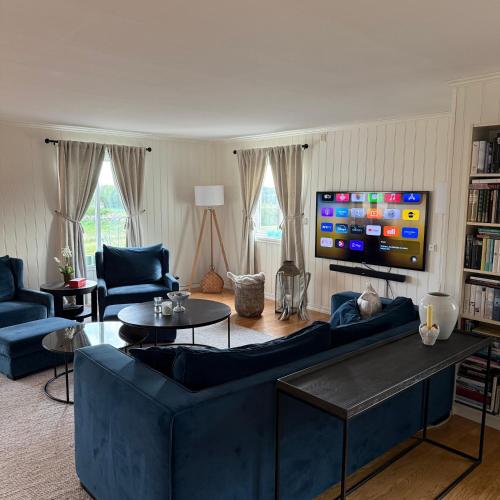
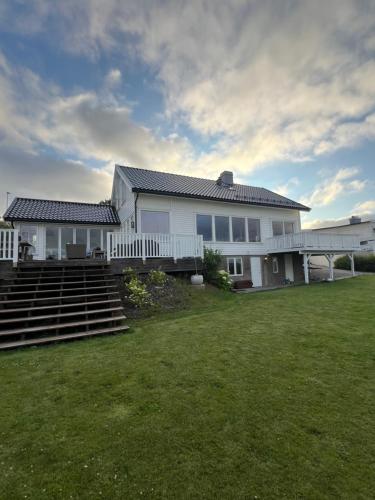
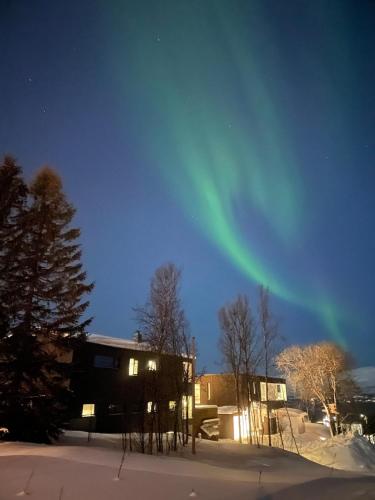

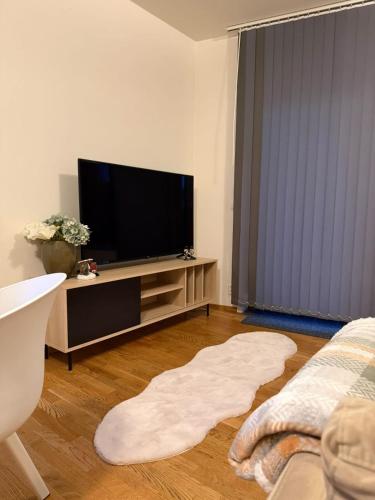


Live rates across our partner network (Booking.com, VRBO, Expedia, Hotels.com) via Stay22. Makutet may earn a commission when you book — at no extra cost to you. Prices update in real time and may vary before booking.
Experience

Cruise
Begin at Geirangerfjord for a scheduled cruise through the fjord and back, allowing several hours for the sailing and connections. Services are most relevant in the milder travel season; reserve the sailing and onward transport ahead, especially in summer.
scenery seekers · photographers

Scenic drive
Use Lofoten as the base for a self-drive day or multi-day route between its island communities, with time for weather pauses and changing road conditions. Summer offers longer daylight; arrange a hire car and accommodation ahead, as island access and lodging constrain the itinerary.
independent travellers · photographers

Guided hiking
Set out with a local guide for a full walking day in Jotunheimen National Park, choosing a route to match conditions and ability. The main walking season is summer; book a guide and suitable accommodation or transport in advance, since mountain weather can alter plans.
walkers · mountain scenery enthusiasts

Self-drive excursion
Drive the Atlantic Ocean Road as a dedicated half-day or full-day outing, building in stops and a weather buffer rather than treating it as a quick transfer. It can be approached in different seasons, but wind and rain affect the experience; reserve a vehicle ahead during busy travel periods.
road-trippers · coastal scenery enthusiasts
Things to do
What Makutet's Norway research recommends, and where the tours that cover it can actually be booked.
Editorial recommendations from Makutet's Norway research. Tickets and tours are searched on GetYourGuide.
Fjord cruise from Geirangerfjord
Begin at Geirangerfjord for a scheduled cruise through the fjord and back, allowing several hours for the sailing and connections. Services are most relevant in the milder travel season; reserve the sailing and onward transport ahead, especially in summer.
Lofoten coastal drive
Use Lofoten as the base for a self-drive day or multi-day route between its island communities, with time for weather pauses and changing road conditions. Summer offers longer daylight; arrange a hire car and accommodation ahead, as island access and lodging constrain the itinerary.
Guided day in Jotunheimen National Park
Set out with a local guide for a full walking day in Jotunheimen National Park, choosing a route to match conditions and ability. The main walking season is summer; book a guide and suitable accommodation or transport in advance, since mountain weather can alter plans.
Atlantic Ocean Road driving excursion
Drive the Atlantic Ocean Road as a dedicated half-day or full-day outing, building in stops and a weather buffer rather than treating it as a quick transfer. It can be approached in different seasons, but wind and rain affect the experience; reserve a vehicle ahead during busy travel periods.
Jotunheimen National Park
A mountain region in Southern Norway containing the highest peaks in Northern Europe and extensive glacier systems.
Tromsø
A major city in Northern Norway positioned above the Arctic Circle, recognized as a primary base for observing the Aurora Borealis.
Activity cards are editorial — Makutet is not selling these specific experiences. The partner search opens GetYourGuide for Norway, where availability and price are theirs.
Understand
The context that turns a visit into an understanding.

macro_region
The most densely populated region containing the capital city and the major agricultural valleys surrounding the Oslofjord.

macro_region
The northernmost part of the country characterized by mountainous terrain, Arctic climate conditions, and significant coastal fisheries.

sub_region
A region in Western Norway famous for its numerous deep fjords, steep mountains, and heavy maritime precipitation.

sub_region
An administrative region in the far north bordering Finland and Russia, known for its subarctic climate and tundra landscapes.

Food
Brunost, Norway’s brown whey cheese, is commonly sliced thinly over bread or crispbread. Its sweet, caramel-like flavour is a distinctive part of an everyday breakfast or packed snack.

Food custom
A matpakke is a packed meal, often built around slices of bread with simple toppings. It reflects a practical food custom useful to travellers planning a day out from Oslo, Bergen or a mountain base.

Culture
Friluftsliv describes a strong cultural emphasis on spending time outdoors, from a walk in a city green space to a longer outing in Jotunheimen National Park. Dress for changing conditions and plan the route around daylight and ability.

City character
Bergen’s identity is closely tied to its coastal setting and historic harbour atmosphere. Use the city as a place to understand how Norway’s western coast, fjords and maritime life meet, rather than treating it only as a transit point.

Drink and custom
Coffee is woven into everyday social life in Norway, served at home, in cafés and during outdoor breaks. In colder months, a warm coffee stop can be a practical pause between time outside and onward travel.
When to go
June–August
Summer
Milder weather and long daylight
May
Late spring
A transitional shoulder season
September
Early autumn
Cooler days and shifting weather
November–March
Winter
Cold, short days and tougher travel
Practical
Money, transport, connectivity and the details that matter on the ground.
Budget
Norway uses the Norwegian krone (NOK). Cards are widely accepted, while a small amount of cash can help where a small operator or remote service does not take cards. Budget most carefully for accommodation, meals, transport and activities; summer demand and remote stays in Lofoten or around Geirangerfjord can make planning and availability tighter than a city stay in Oslo.
Transport
Norway’s long, fjord-cut coastline means road journeys can involve ferries, while island travel in Lofoten needs careful coordination between mainland connections and local roads. Rail and air links can help cover long distances, but onward transport matters; driving is on the right, and winter conditions may slow road travel.
Safety
Call 112 for police emergencies and 113 for medical emergencies. Norway’s tap water is generally safe to drink; tipping is not obligatory, though rounding up or leaving a little for good service is appreciated. In the mountains and on the coast, check conditions before setting out and carry suitable clothing for rapid weather changes.
Connectivity
Mobile coverage is generally strongest in towns and along main travel corridors, and can be weaker in remote parts of Northern Norway, Lofoten and mountain areas. Norway uses European-style Type C and F power sockets; travellers whose plugs differ should bring an adaptor and download key travel details before leaving coverage.
Seasonal weather
June to August brings Norway’s mildest, brightest travel conditions and long daylight, especially useful for fjord journeys, Lofoten and walks in Jotunheimen National Park. December to February is cold and dark, with snow and ice affecting roads and outdoor plans. Spring and autumn are changeable: build in weather flexibility on the coast and in the mountains.
Accessibility and mobility
In Oslo and Bergen, public transport and newer accommodation are generally the most practical starting points, but access varies by route and building, so confirm step-free facilities directly before booking. Norway’s steep terrain, uneven paths, fjord-side roads and island connections can make outdoor access difficult for wheelchair users, pushchairs and people with reduced mobility. Mountain routes and older accommodation stock may have stairs, thresholds or no lift; check the exact access arrangements and transfers in advance.
Getting around
Airport transfers, rail, buses, ferries and car hire for Norway — arranged before you fly, priced by the supplier.
Stay connected
Install an eSIM before you fly and you are online the moment you land in Norway — no roaming charges, no shop queue at the airport.
Moments
Norway's story is written across a peninsula whose western side meets the North Atlantic and whose northern reaches approach the Barents Sea. Fjords, islands and mountains shape both the view and the practical rhythm of travel: a town, a stretch of coast and an inland landscape can feel like distinct worlds, yet belong to the same national geography.
The signature moment
At Geirangerfjord, pause where the water narrows beneath steep, enclosing slopes. In the quieter hours, the surface catches a changing strip of sky; a boat's engine carries across the water, then fades, leaving wind and the small sounds of the shore. The air feels cool and damp against the face, and the scale of the walls makes ordinary movement seem measured. Taste something simple from a packed meal or a local stop, then take time before moving on: the view changes as cloud passes, and the fjord never reads as a static picture. This is one of Norway's defining scenes because it holds several of the country's contrasts together. The coast reaches far inland, mountains press close to water, and weather is not a backdrop but an active presence. Beyond Geirangerfjord, the same national character appears in the islands of Lofoten, the Atlantic-facing road and the open interior of Jotunheimen National Park. Norway is not one landscape repeated; it is a country in which sea, land and distance continually reshape one another.
The story behind it
Norway's heritage is inseparable from its position on the Scandinavian Peninsula and its long, indented coast. Communities have lived with the demands and opportunities of sea, mountain and northern climate; maritime connections and regional distinctions remain central to the country's character. Its contemporary identity also includes an honest reckoning with difficult histories and the uneven experiences of people across its regions. The landscape should not be mistaken for an untouched past: it is a lived environment, shaped by settlement, work and changing relations between communities and the state. A journey from Oslo or Bergen towards Northern Norway makes those differences of setting and scale tangible without reducing the country's history to a single narrative.
Before you go
Choose one part of Norway and let its geography set the pace. In Vestlandet, follow the relationship between fjord and coast; in Northern Norway, give the islands and northern mainland room to be more than a passing view. A shorter, attentive journey can reveal more than an itinerary stretched thin across the map. The country is most memorable when the weather is allowed to be part of the story. Leave space for a changed plan, look again as the light shifts, and carry the impression of Norway not as a single panorama but as a continuing exchange between water, mountains and inhabited land.
Two sea frontiers
Norway's extensive coastline faces both the North Atlantic Ocean and the Barents Sea, linking its western and northern geography to distinct maritime settings.
Coast and interior
The country's signature places range from Bergen and Geirangerfjord to Jotunheimen National Park and Svalbard, showing how widely Norway's landscapes extend.
June–August
Long summer days
Summer generally brings milder conditions and long daylight, making it the most flexible period for combining a coastal region with inland landscapes such as Jotunheimen National Park. Reserve transport and accommodation ahead in popular areas, and keep plans adaptable to rain.
May and September
Shoulder-season balance
These transition months can suit travellers seeking a quieter pace, but conditions vary by region and altitude. Check local transport and access before setting out from Bergen or towards Northern Norway; pack for cool, wet weather as well as brighter intervals.
November–March
Winter conditions
Winter brings cold, short days and more demanding travel conditions, particularly in northern and mountain regions. Choose a narrower base such as Tromsø, confirm seasonal transport and services before departure, and avoid building an itinerary that depends on rapid transfers.
FAQ
Norway uses the Norwegian krone, abbreviated NOK. Cards are widely accepted, though cash can help with some small or remote operators.
June to August generally brings milder weather and longer daylight, making it the most practical period for Geirangerfjord and walking in Jotunheimen National Park.
A car offers flexibility between Lofoten’s island communities, but arrange it ahead and coordinate mainland connections, accommodation and weather buffers.
Yes. Tap water in Norway is generally safe to drink, including in towns and cities.
December to February is cold and dark, and snow or ice can affect road journeys and outdoor plans. Allow extra time and pack suitable warm clothing.
Access varies. City transport and newer accommodation can be the most practical, while steep terrain, uneven paths, older buildings and remote connections are common obstacles; confirm step-free access directly.
Before you go
The last thing most travellers forget — and the disclosure that applies to every partner link on this page.
Booking and rate checks run on the partner's own site; prices and availability are theirs and can change. Some links are affiliate links and Makutet may earn a commission at no extra cost to you. See our affiliate disclosure.
Makutet builds a day-by-day itinerary around the places above — then keeps it updated as you travel.
Country guide: /country/norway
Your assessment works without optional tracking. Necessary storage keeps your trip and privacy choice. Embedded flight search includes TravelPayouts tracking; ordinary partner links remain available if you decline.
Cookie policy · Privacy policy. Reopen Cookie settings to change your choice. Supplier-site cookies are controlled by that supplier.