
urban center
Lagos City
A massive urban agglomeration and the primary economic hub located along the southwestern coast.

africa
Nigeria is read in transitions: from the Gulf of Guinea’s coastal swamps through the Jos Plateau to the semi-arid savannah of the north. Its cities, historic places and protected landscapes belong to a country of distinct regional character.
The country
The country
Nigeria is a West African country on the Gulf of Guinea, where coastal swamps give way inland to a central plateau and, farther north, semi-arid savannah. Its varied geography is also an editorial guide: Southern Nigeria, the Niger Delta, the Jos Plateau and Northern Nigeria offer distinct ways to understand a country whose identity places range from Lagos City and Abuja Capital District to Olumo Rock and Kano Old City.
Why visit
Nigeria rewards a traveller who approaches it through contrasts rather than a single itinerary. On the Gulf of Guinea, the southern landscape is shaped by coastal swamps; inland, the terrain rises towards the Jos Plateau before opening into the semi-arid savannah of the north. These changes are not merely scenery. They give a journey a clear geographical rhythm, from the southern regions and the Niger Delta towards Northern Nigeria, while the country’s named places offer different points of entry into its character. Lagos City and Abuja Capital District speak to its urban and civic identities; Olumo Rock and Kano Old City bring the traveller into contact with landscapes and historic settings that cannot be reduced to the contemporary city. The country’s natural and cultural places broaden that picture further: Yankari National Park and Gashaka Gumti National Park set the journey against different landscapes, while Osun-Osogbo Sacred Grove and Idanre Hills invite attention to the relationship between place, heritage and the natural world. Nigeria suits travel built around observation and regional distinction, not a hurried checklist. Its scale and variety ask visitors to choose a focus, allow time for transitions and recognise that moving between coast, plateau and savannah is part of the experience. The result is a country understood through its geography as much as through its cities and sites: varied, grounded in place, and best approached with curiosity and patience.
What it feels like
The atmosphere shifts with the land: the damp, low-lying character of the southern coast and Niger Delta contrasts with the open plateau around Jos and the drier expanses of the north. City life, historic settings and natural landscapes sit within the same national frame, giving travel a strong sense of regional change rather than a single, uniform mood.
Who it suits
Nigeria suits travellers interested in cities, history, culture and varied landscapes who are comfortable planning around regional distances. It is especially rewarding for those willing to choose a southern, central or northern focus, rather than trying to cover the country in a single rushed journey.
How to get here
Live fares into Nigeria across hundreds of airlines, compared in one search. Book directly with the airline or agent — Makutet never adds a fee.
Live fares to Nigeria across hundreds of airlines. Book directly with the airline or agent — no extra cost to you.
Embedded flight search uses TravelPayouts cookies and tracking. Enable partner search to load it here, or continue directly on the partner site.
The external partner link includes Makutet's affiliate marker; confirm your route, dates and passengers there. No booking is made on Makutet.
Live search and booking run on the TravelPayouts partner engine. Fares update in real time and may vary before booking. Any prices shown elsewhere on Makutet are monitored observations, not live quotes.
Identity
The places that define the country rather than merely sit inside it.
urban center
A massive urban agglomeration and the primary economic hub located along the southwestern coast.

government hub
The planned federal capital city known for its modern architecture and central location.

historic site
A prominent granitic outcrop that served as a fortress for the Egba people during 19th-century tribal wars.

historical district
An ancient walled city in the north known for its historic gates and traditional mud-brick architecture.
Imagery


Discover

national park
A large wildlife park containing warm water springs and diverse savanna fauna species.

UNESCO heritage
A dense forest located along the banks of the Osun River, dedicated to a Yoruba deity.

national park
The largest national park in the country, covering mountainous terrain and biodiverse rain forests.

natural monument
A collection of steep, high-altitude hills that house ancient settlement remains and unique flora.
Stay
The bases that actually change the trip.

City hotel
A city hotel in Lagos City suits travellers who need services and onward transport close at hand, but journeys between mainland and lagoon-side districts can consume substantial time in traffic. Choose the base around your planned appointments; wet-season downpours may slow road access, so confirm transfers and allow generous margins.
business travellers · first-time visitors

Guesthouse
A guesthouse in Abuja Capital District offers a practical base for a planned visit to the capital district, with road transfers shaping most movements. Arrange airport pickup and local transport before arrival, particularly if travelling in the wet season; this option trades walkable access for a quieter, more spread-out stay.
independent travellers · longer stays

Park-area lodge
A lodge used as a base for Yankari National Park makes the park visit an overland excursion rather than a city break: arrange the road journey, park access and accommodation together ahead of time. Dry-season travel is generally easier for reaching the area; in the rains, allow more time and confirm local access before setting out.
wildlife-minded travellers · guided-trip visitors

Regional guesthouse
A guesthouse on the Jos Plateau gives travellers a base for a multi-day highland itinerary without pretending that regional sights are within a short urban walk. Confirm road transfers and the accommodation’s access arrangements in advance; the drier months are more straightforward for moving between stops, while wet-season rain can slow travel.
slow travellers · overland explorers
Where to stay
Live rates across Booking.com, Agoda, VRBO and Expedia for Nigeria. Compare the areas above, then check what a night actually costs.
Popular destinations
Live rates across Booking.com, Agoda, VRBO and Expedia for Nigeria — no extra cost to you.


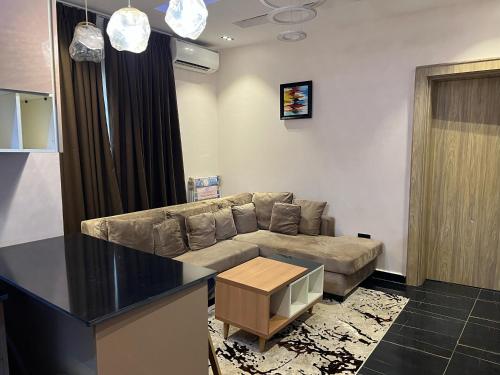
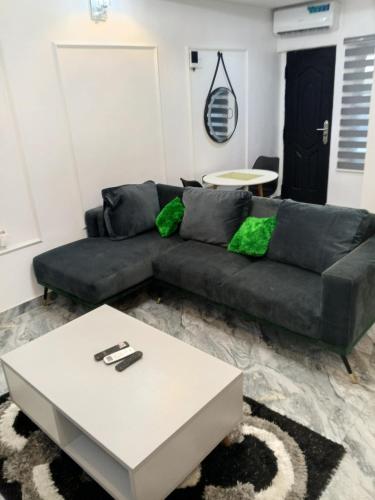


Live rates across our partner network (Booking.com, VRBO, Expedia, Hotels.com) via Stay22. Makutet may earn a commission when you book — at no extra cost to you. Prices update in real time and may vary before booking.
Experience

Guided city day
Start in Lagos City for a privately arranged, full-day orientation linking the mainland with the lagoon-facing parts of the city. Allow time for traffic between districts; agree the route and collection point with a local guide in advance, especially in the wet season, when road journeys can take longer.
first-time visitors · culture-focused travellers

Waterway excursion
Arrange a guided boat outing from a Niger Delta community, with the operator confirming the embarkation point, water conditions and return plan before departure. This is a half-day or longer commitment shaped by local access and seasonal rains; reserve the boat and guide ahead rather than relying on an informal arrival.
slow travellers · landscape photographers

Heritage walk
Use Kano Old City as the starting point for a guided half-day walk through its historic urban fabric, with time for conversation about local customs and daily rhythms. Arrange a guide and meeting point beforehand; in the hotter, drier months, start early and carry water, while wet-season showers can affect walking conditions.
history-minded travellers · walkers

Guided landscape drive
Plan a guided day drive across the Jos Plateau, setting out from the plateau region and allowing flexibility for road conditions and stops in the highland landscape. The dry season generally makes overland movement simpler; confirm the driver, route and return timing in advance, as this is a regional outing rather than a short city transfer.
road-trip travellers · landscape enthusiasts
Things to do
What Makutet's Nigeria research recommends, and where the tours that cover it can actually be booked.
Editorial recommendations from Makutet's Nigeria research. Tickets and tours are searched on GetYourGuide.
Guided lagoon and mainland day from Lagos City
Start in Lagos City for a privately arranged, full-day orientation linking the mainland with the lagoon-facing parts of the city. Allow time for traffic between districts; agree the route and collection point with a local guide in advance, especially in the wet season, when road journeys can take longer.
Niger Delta waterways by locally arranged boat
Arrange a guided boat outing from a Niger Delta community, with the operator confirming the embarkation point, water conditions and return plan before departure. This is a half-day or longer commitment shaped by local access and seasonal rains; reserve the boat and guide ahead rather than relying on an informal arrival.
Northern Nigeria heritage walk with a local guide
Use Kano Old City as the starting point for a guided half-day walk through its historic urban fabric, with time for conversation about local customs and daily rhythms. Arrange a guide and meeting point beforehand; in the hotter, drier months, start early and carry water, while wet-season showers can affect walking conditions.
Jos Plateau landscape drive
Plan a guided day drive across the Jos Plateau, setting out from the plateau region and allowing flexibility for road conditions and stops in the highland landscape. The dry season generally makes overland movement simpler; confirm the driver, route and return timing in advance, as this is a regional outing rather than a short city transfer.
Yankari National Park
A large wildlife park containing warm water springs and diverse savanna fauna species.
Osun-Osogbo Sacred Grove
A dense forest located along the banks of the Osun River, dedicated to a Yoruba deity.
Activity cards are editorial — Makutet is not selling these specific experiences. The partner search opens GetYourGuide for Nigeria, where availability and price are theirs.
Understand
The context that turns a visit into an understanding.

macro_region
This macro region is characterized by tropical rainforests, extensive river deltas, and high annual rainfall patterns.

macro_region
This macro region encompasses the Sahelian zone and the Guinea Savannah, featuring lower humidity and seasonal rainfall variations.

sub_region
A complex ecosystem of mangroves and wetlands located at the mouth of the Niger River in the south.

sub_region
An elevated highland region in the central north with a cooler climate and unique granite rock formations.

Food culture
Jollof rice is a familiar centrepiece of Nigerian meals, commonly served as part of a shared table rather than treated as a complete account of the country’s varied regional foodways. Ask what accompanies it locally and whether a dish is prepared with heat, especially when ordering in an unfamiliar setting.

Street food
Suya—spiced, grilled meat sold by street vendors—is closely associated with evening eating in Nigeria. Order from a busy, freshly cooking stall, check the level of pepper, and treat it as a snack or informal meal; availability and style vary by place, including between Lagos City and Northern Nigeria.

Drinks and customs
Palm wine is a traditional drink made from palm sap, with flavour and fermentation changing over time. Where it is offered, ask about its freshness and strength before accepting a serving; it belongs to particular local contexts and should not be assumed to be available in every part of Nigeria.

Urban character
Kano Old City is a place to read the relationship between historic urban life and commerce: allow time to move at walking pace, observe how people use the streets, and ask before photographing individuals or market activity. A local guide can explain context that a quick pass through cannot provide.

Living traditions
At Osun-Osogbo Sacred Grove, treat the setting as a living sacred landscape rather than simply a scenic walk. Follow local guidance, respect restricted areas and ask before photographing ceremonies or people; a guided visit arranged in advance helps visitors understand the site’s cultural significance.
When to go
November–February
Drier season
Generally the most practical period for inland travel
March–May
Hot transition
Heat builds before the rains
June–October
Rainy season
Expect wetter conditions, especially in the south
Practical
Money, transport, connectivity and the details that matter on the ground.
budget
Nigeria’s currency is the naira. Cards are useful in larger businesses in Lagos City and Abuja Capital District, but carry cash for smaller purchases and journeys outside major urban centres; confirm card acceptance before relying on it. Budget for transport across the country’s varied terrain, and for the extra time and arrangements involved in reaching the Niger Delta or northern regions. Seasonal demand can affect availability, so check costs and payment terms when arranging travel.
transport
Road travel is central to moving between Nigeria’s coast, central plateau and northern savannah. Journeys from Lagos City towards inland regions take planning; agree the route, pickup point and arrival arrangements with a trusted local provider before setting out. Nigeria drives on the right. For the Niger Delta, ask specifically how the final part of the journey is made, as access can differ from mainland road travel.
safety
Conditions can differ substantially between Lagos City, Abuja Capital District, the Niger Delta and northern Nigeria. Check current local guidance for each planned region, and arrange onward transport and accommodation before travelling rather than improvising after arrival. Keep valuables discreet, use trusted transport providers and ask local hosts about routes and movement at your destination.
connectivity
Arrange mobile access before travelling beyond Lagos City or Abuja Capital District, and confirm coverage for the specific regions on your itinerary. Nigeria uses plug types D and G, so check your devices and bring a suitable adaptor. Use treated or bottled water rather than assuming tap water is safe to drink; keep offline journey details available for periods without a reliable connection.
seasonal weather
Nigeria has a wet season and a dry season, with the timing and intensity varying between the southern coast, central plateau and semi-arid north. The rains generally shape travel from around April to October, especially in the south; wetter conditions can make road journeys slower. The drier period, broadly November to March, brings hotter, dustier conditions in the north. Check regional conditions and road access close to departure.
accessibility and mobility
Travellers using a wheelchair or pushchair, and those with reduced mobility or an older companion, should expect uneven pavements, steps and limited step-free access in many public spaces. Road journeys can be long and surfaces vary, from coastal areas to the Jos Plateau and northern savannah. Confirm vehicle access, entrance arrangements and room features directly with accommodation providers; do not assume accessible transport or facilities are available.
Getting around
Airport transfers, rail, buses, ferries and car hire for Nigeria — arranged before you fly, priced by the supplier.
Stay connected
Install an eSIM before you fly and you are online the moment you land in Nigeria — no roaming charges, no shop queue at the airport.
Moments
Nigeria’s scale is legible in its changing ground: Gulf of Guinea coastline and southern swamps give way to a central plateau, then to the semi-arid savannah of the north. Its regions and cities make this a country to understand through contrasts, not a single defining landscape.
The signature moment
In Northern Nigeria, the day’s warmth settles across the semi-arid savannah as evening approaches. At the edge of Kano Old City, the close texture of the old urban landscape gives the eye a different scale from the open ground beyond it. Voices and movement gather along the streets; dust and heat linger on the skin, while the smells of daily cooking drift through the air. Pause rather than hurry: listen to the layered sound of a city carrying on its ordinary business, and notice how the built environment draws people into shared, narrow routes. There is no single view that explains the scene. Its meaning lies in the change of pace between street and threshold, the contrast between dense settlement and the wide northern landscape, and the sense of history present in a lived city rather than preserved apart from daily life. That moment contains something of Nigeria’s wider character: regions with sharply different terrain and temper, connected not by sameness but by the work of living together across difference.
The story behind it
Nigeria’s heritage is not a single story but a meeting of regional histories, communities and ways of life. The contrast between Southern and Northern Nigeria, the Niger Delta and the Jos Plateau is part of that inheritance, as are the distinct characters of Lagos City, Abuja Capital District and Kano Old City. Osun-Osogbo Sacred Grove and the ancient landscape of Olumo Rock speak to forms of cultural memory rooted in place. A neutral account must also leave room for difficulty: the country’s history includes conflict and unequal power, and its many traditions cannot be reduced to one national narrative. Nigeria’s present is shaped by the continuing negotiation between regional identities and a shared civic life.
Before you go
Let the country’s contrasts remain unresolved for a while. The coast, plateau and savannah are not chapters to tick off but distinct settings whose differences reward attention. Choose one region as an anchor, then allow its landscapes and places to set the rhythm of the journey. Nigeria is best approached with curiosity, patience and room for more than one account of what the country means.
Four neighbours
Nigeria’s direct neighbours are Benin, Niger, Chad and Cameroon. Its position in West Africa, on the Gulf of Guinea, places coastal and inland landscapes within one national frame.
Changing terrain
The country’s geography runs from coastal swamps in the south through a central plateau to semi-arid savannah in the north—a striking range of landscapes without leaving Nigeria.
November–February
Drier-season travel
The drier months generally make travel across Northern Nigeria and the central plateau more straightforward than the wet season. Keep the heat and semi-arid conditions in mind, and check local conditions before setting out.
March–May
Hot transition
Conditions commonly become hotter before the rains are established. Build in shade and rest, particularly when travelling inland from the Gulf of Guinea coast, where the climate and terrain differ from the north.
June–October
Rainy-season travel
Rainfall is typically heaviest in this period, especially in the south, where coastal swamps and the Niger Delta are particularly relevant to route planning. Allow flexibility for wet conditions and check access locally.
FAQ
The drier period, broadly November to March, is often easier for road travel. Regional conditions differ, so check the weather for each part of your itinerary.
Nigeria uses the naira. Carry some cash for smaller purchases and journeys, and check card acceptance before relying on payment by card.
Do not assume tap water is safe to drink. Use treated or bottled water and check local guidance at your accommodation.
Traffic drives on the right. Plan road journeys carefully and confirm routes and transport arrangements with a trusted local provider.
Nigeria uses plug types D and G. Check your device requirements and bring a suitable travel adaptor.
Road travel connects the coast, central plateau and north, but distances and conditions vary. Allow time and confirm the route and arrival arrangements in advance.
Before you go
The last thing most travellers forget — and the disclosure that applies to every partner link on this page.
Booking and rate checks run on the partner's own site; prices and availability are theirs and can change. Some links are affiliate links and Makutet may earn a commission at no extra cost to you. See our affiliate disclosure.
Makutet builds a day-by-day itinerary around the places above — then keeps it updated as you travel.
Country guide: /country/nigeria
Your assessment works without optional tracking. Necessary storage keeps your trip and privacy choice. Embedded flight search includes TravelPayouts tracking; ordinary partner links remain available if you decline.
Cookie policy · Privacy policy. Reopen Cookie settings to change your choice. Supplier-site cookies are controlled by that supplier.