
Body of Water
Lake Nicaragua
The largest freshwater lake in Central America, containing numerous islands including Ometepe and volcanic structures.

americas
Nicaragua is shaped by the meeting of the Pacific and Caribbean, with volcanic country, highlands and lowlands between them. Its lakes, islands and historic cities reward a journey that takes the geography seriously.
The country
The country
The largest country in Central America, Nicaragua occupies the broad middle of the isthmus between the Caribbean Sea and the Pacific Ocean. Its character is defined by contrasts of coast and interior, lake and volcanic terrain, Pacific Lowlands and Caribbean Lowlands, with the Central Highlands and Matagalpa Highlands rising between them.
Why visit
Nicaragua is best understood not as a single coastal destination but as a country whose geography continually changes the terms of a journey. The Pacific lies to the west, the Caribbean to the east, and between them are the Central Highlands, the Pacific Lowlands, the Caribbean Lowlands and the Masaya Volcanic Region. Lake Nicaragua gives the interior its own expansive horizon; Granada and Leon offer two distinct city anchors, while Ometepe Island makes the lake itself part of the itinerary. Farther east, the Corn Islands point towards the Caribbean rather than the Pacific-facing routes that shape many first impressions of the country. That breadth creates a particularly rewarding kind of travel: one built around transitions. A stay in Granada can lead towards Lake Nicaragua and Ometepe Island; a Pacific itinerary may take in San Juan del Sur, while Leon provides another point of entry into the country’s historic and volcanic character. The Central Highlands and Matagalpa Highlands offer a cooler, elevated counterpoint to the lowlands. Bosawas Biosphere Reserve and Selva Negra represent a different encounter with the country’s extensive natural landscapes. These are not interchangeable stops; they belong to different regions and call for time and sensible sequencing. Nicaragua suits travellers who want to read a place through its landforms as much as its landmarks. The reward is the variety itself: a country where an inland lake, a Pacific shore, highland country and Caribbean islands all belong to one national story, yet each changes the pace and feel of travel.
What it feels like
In Granada and Leon, the experience is urban and historic; around Lake Nicaragua, the horizon opens into water and island terrain. Pacific Lowlands and Caribbean Lowlands have different coastal orientations, while the Central Highlands and Matagalpa Highlands bring a cooler, elevated feel. The country’s atmosphere shifts with the landscape rather than settling into one uniform resort rhythm.
Who it suits
Nicaragua suits independent travellers who are comfortable planning journeys between distinct regions and allowing time for overland transfers and island connections. It is particularly rewarding for those interested in historic cities, volcanic landscapes, lakes, highlands, wildlife and both Pacific and Caribbean coasts. Travellers seeking a single base with minimal movement may prefer to concentrate on one region.
How to get here
Live fares into Nicaragua across hundreds of airlines, compared in one search. Book directly with the airline or agent — Makutet never adds a fee.
Live fares to Nicaragua across hundreds of airlines. Book directly with the airline or agent — no extra cost to you.
Embedded flight search uses TravelPayouts cookies and tracking. Enable partner search to load it here, or continue directly on the partner site.
The external partner link includes Makutet's affiliate marker; confirm your route, dates and passengers there. No booking is made on Makutet.
Live search and booking run on the TravelPayouts partner engine. Fares update in real time and may vary before booking. Any prices shown elsewhere on Makutet are monitored observations, not live quotes.
Identity
The places that define the country rather than merely sit inside it.
Body of Water
The largest freshwater lake in Central America, containing numerous islands including Ometepe and volcanic structures.

Heritage City
A historic colonial city founded in 1524, known for its well-preserved Spanish architecture situated on the shores of Lake Nicaragua.

Island
An island formed by two volcanoes, Concepcion and Maderas, rising directly out of the waters of Lake Nicaragua.

Heritage City
A city historically significant as the former capital, featuring the Cathedral of Leon which is a UNESCO World Heritage site.
Imagery


Discover

Island
Two islands situated in the Caribbean Sea off the eastern coast, known for coral reefs and clear turquoise waters.

Coastal Town
A coastal town located on the Pacific shoreline, popular for its bay geography and significant surf tourism infrastructure.

National Park
One of the largest tropical rainforests in the Western Hemisphere, located in the northern region bordering Honduras.

Cloud Forest
A private cloud forest reserve and coffee estate located in the Matagalpa region that preserves highland biodiversity.
Stay
The bases that actually change the trip.

Guesthouse
Choose a town guesthouse as a practical base for walking Granada and arranging boat trips on Lake Nicaragua. The Pacific Lowlands are easiest to combine with this stay in the drier months; in the rainy season, allow more time for overland journeys and confirm any transfers before arrival.
independent travellers · culture-minded visitors

Island lodge
An island lodge trades mainland convenience for time among Ometepe's rural landscapes. Reach it by ferry and arrange onward transport from the landing point; book the crossing and accommodation together ahead in the dry season, and allow a night or more rather than relying on a same-day connection.
slow travellers · walkers

Coastal guesthouse
A guesthouse in San Juan del Sur suits visitors using the Pacific coast for surf lessons and beach days. Roads connect the town with the Pacific Lowlands, but reaching individual beaches takes additional local transport; reserve transfers and rooms ahead for the drier-season coastal period.
surfers · coastal travellers

Highland lodge
A highland lodge near Selva Negra offers a cooler-feeling base in the Matagalpa Highlands, away from the Pacific coast's town-to-town rhythm. The journey is an overland one; confirm the final transfer and arrival arrangements in advance, particularly when wet-season roads make timings less predictable.
nature travellers · quiet-seeking visitors
Where to stay
Live rates across Booking.com, Agoda, VRBO and Expedia for Nicaragua. Compare the areas above, then check what a night actually costs.
Popular destinations
Live rates across Booking.com, Agoda, VRBO and Expedia for Nicaragua — no extra cost to you.

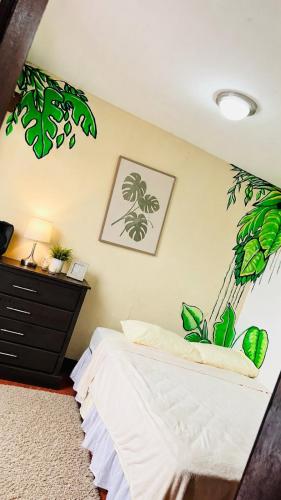
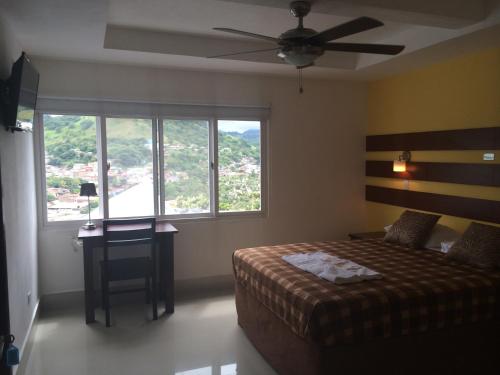
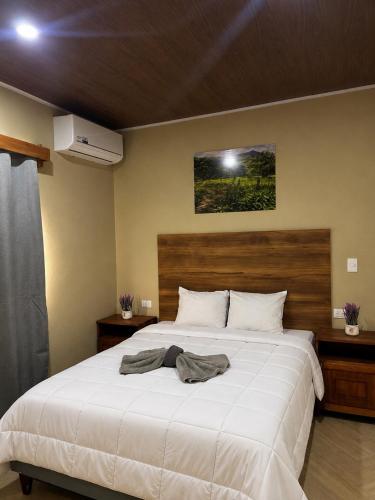
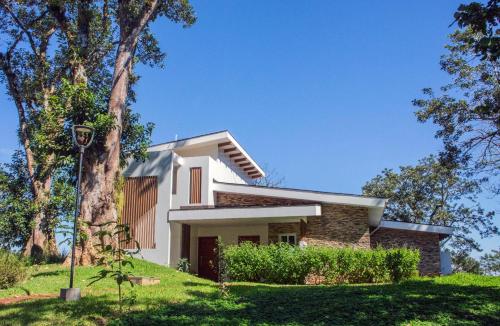


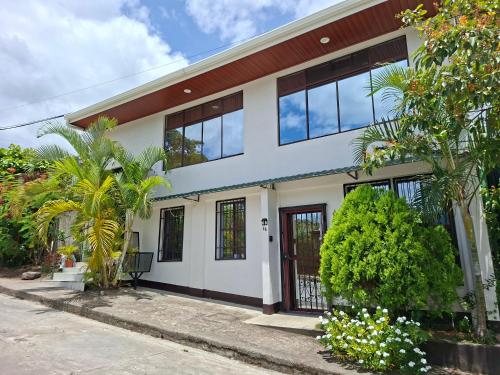
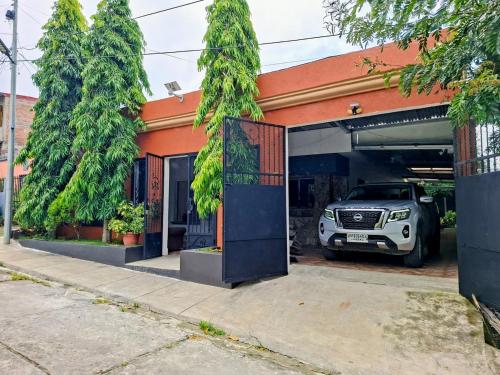
Live rates across our partner network (Booking.com, VRBO, Expedia, Hotels.com) via Stay22. Makutet may earn a commission when you book — at no extra cost to you. Prices update in real time and may vary before booking.
Experience

Boat excursion
Start in Granada for a guided half-day on the lake, travelling by boat among its islands and returning to town the same day. Arrange the boat and guide ahead, especially in the drier season, when demand and lake conditions shape departures.
culture-minded travellers · photographers

Guided day
Use Ometepe Island as the base for a guided full day of walking and rural exploration, with the route tailored to conditions on the island. Reach it by ferry from the mainland; reserve the crossing, local transport and guide in advance, and allow a full day rather than treating it as a quick stop.
active travellers · nature enthusiasts

Surf lesson
Book a surf lesson from San Juan del Sur, with the instructor selecting a suitable Pacific beach for the day's conditions. Lessons take a few hours; reserve boards and instruction ahead in the busy dry season, and allow extra time for the road transfer from the town to the coast.
beginner surfers · active travellers

Guided drive
Take a guided half-day drive through the Masaya Volcanic Region, departing from the Pacific Lowlands and returning the same day. Agree the route and transport in advance; rainy-season showers can affect road conditions, so keep the schedule flexible.
geology enthusiasts · short-stay visitors
Things to do
What Makutet's Nicaragua research recommends, and where the tours that cover it can actually be booked.
Editorial recommendations from Makutet's Nicaragua research. Tickets and tours are searched on GetYourGuide.
Granada and Lake Nicaragua boat excursion
Start in Granada for a guided half-day on the lake, travelling by boat among its islands and returning to town the same day. Arrange the boat and guide ahead, especially in the drier season, when demand and lake conditions shape departures.
Ometepe Island volcano and rural day
Use Ometepe Island as the base for a guided full day of walking and rural exploration, with the route tailored to conditions on the island. Reach it by ferry from the mainland; reserve the crossing, local transport and guide in advance, and allow a full day rather than treating it as a quick stop.
Pacific coast surf lesson in San Juan del Sur
Book a surf lesson from San Juan del Sur, with the instructor selecting a suitable Pacific beach for the day's conditions. Lessons take a few hours; reserve boards and instruction ahead in the busy dry season, and allow extra time for the road transfer from the town to the coast.
Masaya Volcanic Region guided landscape drive
Take a guided half-day drive through the Masaya Volcanic Region, departing from the Pacific Lowlands and returning the same day. Agree the route and transport in advance; rainy-season showers can affect road conditions, so keep the schedule flexible.
Corn Islands
Two islands situated in the Caribbean Sea off the eastern coast, known for coral reefs and clear turquoise waters.
San Juan del Sur
A coastal town located on the Pacific shoreline, popular for its bay geography and significant surf tourism infrastructure.
Activity cards are editorial — Makutet is not selling these specific experiences. The partner search opens GetYourGuide for Nicaragua, where availability and price are theirs.
Understand
The context that turns a visit into an understanding.

macro_region
A fertile plain characterized by volcanic activity and significant population density located between the Pacific coast and the country's central highlands.

macro_region
A rugged, mountainous region that forms the continental divide and is characterized by a cooler climate and extensive coffee cultivation.

macro_region
A vast, humid, and sparsely populated tropical region that borders the Caribbean Sea and features extensive rainforests and wetlands.

sub_region
An area within the Pacific Lowlands known for its active caldera and geothermal activity located near the capital city.

sub_region
A mountainous area within the central part of the country recognized for its high altitude and significant coffee production infrastructure.

Food
Gallo pinto, the familiar combination of rice and beans, is a useful point of entry to everyday Nicaraguan cooking. Expect it as a substantial breakfast rather than a restaurant speciality, and ask locally about the accompaniments available in Granada or Leon.

Food tradition
Nacatamal is a substantial corn-based parcel cooked in a leaf wrapping, traditionally prepared over several hours. It is more often a planned meal than a quick snack; ask in Granada or Leon where it is available on the day you visit.

Drink
Flor de Caña is a Nicaraguan rum commonly encountered in bars and restaurants. It is worth asking for it by name rather than assuming a generic local spirit; in Granada, it fits naturally into an evening meal or a measured tasting.

Town character
Granada is an identity place as well as a useful base for Lake Nicaragua. Its town-centre streets are best explored on foot during cooler parts of the day; leave time to pause in public squares and arrange lake excursions locally rather than treating the town only as a transit stop.

Culture
Leon offers a distinct urban counterpoint to Granada, with a strong place in the country's cultural identity. Plan time to explore on foot, then use it as a Pacific Lowlands base; the overland journey between places is part of the itinerary, not a short local hop.
When to go
November–April
Dry season
Generally the clearest period for travel
May–June
Early rains
Greener landscapes with manageable flexibility
July–August
Mid-season variation
Expect showers and regional differences
September–October
Wetter season
Plan with contingency
Practical
Money, transport, connectivity and the details that matter on the ground.
Budget
Nicaragua uses the córdoba; cards are most useful in established town businesses, while cash remains important for small guesthouses, local transport, market purchases and rural or island services. Spending is shaped by overland transfers, ferry access to Ometepe and organised Pacific-coast activities; allow more time and budget for remote Caribbean Lowlands trips than for a town-based stay. The dry-season coastal period can bring tighter accommodation availability, so reserve key stays and transfers ahead.
Transport
Overland journeys link the Pacific Lowlands with Granada, Leon and the Matagalpa Highlands; reaching Ometepe adds a mainland-to-island ferry crossing, while the Corn Islands require separate onward travel planning. Shared transport is less direct than a private transfer, and rural routes can take longer in wet weather. Nicaragua drives on the right; check current road and ferry arrangements before fixing connections.
Safety
In Granada, Leon and San Juan del Sur, use locally recommended transport after dark and keep valuables discreet in busy public areas. Remote visits to Bosawas Biosphere Reserve or the Caribbean Lowlands require advance local guidance and careful transport planning; do not assume that services or assistance are close by. Confirm current conditions with accommodation hosts before setting out.
Connectivity
Mobile coverage and card acceptance are most dependable in larger towns such as Granada and Leon, and less consistent on Ometepe, at the Corn Islands and in remote highland or Caribbean areas. Arrange an eSIM or local connectivity before leaving town, keep offline directions, and carry enough cash for ferries and small local services. Nicaragua uses type A and B plugs; bring an adaptor if needed.
Seasonal weather
Nicaragua has a pronounced dry season, broadly November to April, and a rainy season, broadly May to October. Dry months favour Pacific Lowlands travel, Granada and San Juan del Sur, while rain can slow inland roads and complicate rural access in the Central Highlands and Caribbean Lowlands. The Caribbean side is wetter and more humid than the Pacific side; keep ferry and overland plans flexible during the rainy months.
Accessibility and mobility
Travellers with reduced mobility should expect uneven pavements and surfaces in towns such as Granada and Leon, limited step-free access on many local vehicles, and difficult transfers between mainland transport and Ometepe ferries. Wheelchair and pushchair access is especially challenging on rural tracks, volcanic terrain and island roads; older companions may need private transfers and accommodation with confirmed ground-floor rooms. Ask each provider about steps, bathroom access and vehicle boarding before booking.
Getting around
Airport transfers, rail, buses, ferries and car hire for Nicaragua — arranged before you fly, priced by the supplier.
Stay connected
Install an eSIM before you fly and you are online the moment you land in Nicaragua — no roaming charges, no shop queue at the airport.
Moments
Nicaragua’s story is written across a long crossing of land and water. The Pacific Lowlands, Masaya Volcanic Region, Central Highlands, Matagalpa Highlands and Caribbean Lowlands are not simply names on a map: together they explain why travel here feels like a sequence of changing landscapes, rather than a single destination viewed from one shore.
The signature moment
At first light on Ometepe Island, the lake is not a backdrop but the space that sets the scale of the morning. The water catches the new brightness in broken bands, and the island’s rising land gives the view a firm edge against the open horizon. The air feels cooler before the day gathers heat; footsteps and small sounds carry clearly, while the lake keeps its own quiet rhythm. Take a moment to taste a simple breakfast and coffee slowly, rather than turning the scene into a stop between transfers. As the light strengthens, the scale becomes legible: island, lake, shore and the distant reach of Nicaragua’s interior are held together in one view. This is a defining Nicaraguan moment because it brings the country’s contrasts into focus without making them seem separate. The Pacific and Caribbean are not visible here, yet the country’s position between them is present in the breadth of the land and the variety of regions beyond the water. From Ometepe, the journey can widen towards Granada, the Central Highlands or the Pacific Lowlands; each changes the setting, but the sense of crossing a country of connected yet distinct landscapes remains.
The story behind it
Nicaragua’s heritage is shaped by its position on the Central American isthmus and by the differing worlds of its Pacific and Caribbean sides. Granada and Leon are enduring centres of historic urban life, while Lake Nicaragua and Ometepe Island give the interior a geography in which water is central rather than peripheral. The country’s history has also been difficult and contested; its political and social experience cannot be reduced to a seamless story of progress or a single founding moment. A measured account recognises both the depth of its cultural inheritance and the conflicts that have shaped modern national life, without treating the Pacific-facing cities as the whole country or overlooking the distinct Caribbean Lowlands.
Before you go
Nicaragua rewards a journey with room for change: from the historic streets of Granada or Leon to Lake Nicaragua, from the Pacific Lowlands towards the highlands, or eastward to the Caribbean. Choose fewer regions and give each one enough time to feel distinct. The most lasting impression may be the scale of that difference. A country framed by two seas is also an interior of lakes, islands and uplands, and its character emerges in the transitions between them.
An inland island
Ometepe Island lies within Lake Nicaragua, making the country’s great interior lake a setting for island travel as well as a landmark of its geography.
Two lowlands
Nicaragua’s Pacific Lowlands and Caribbean Lowlands face different seas; the country’s regional character cannot be understood from its Pacific side alone.
November–April
Drier-season travel
The dry season generally favours overland travel and outdoor time in the Pacific Lowlands, Granada and Lake Nicaragua. Plan island or highland legs separately, since distances and connections still shape the pace.
May–October
Green-season journey
The rainy season brings greener conditions, particularly across the highlands and lowlands, but showers can complicate road journeys and outdoor plans. Keep the itinerary flexible and allow time between regions.
September–October
Wettest period
These months are typically among the wettest, especially on the Caribbean side. Build in contingency for travel to the Corn Islands and across the Caribbean Lowlands, and avoid tightly connecting regional transfers.
FAQ
November to April is the broad dry season and suits Pacific Lowlands journeys; May to October is wetter, so allow flexibility for inland and rural travel.
Travel overland to the mainland ferry connection, then cross to Ometepe. Confirm sailing arrangements and onward island transport before setting out.
Yes. Both are in the Pacific Lowlands, but allow time for the overland journey between them and avoid planning it as a brief local transfer.
The currency is the córdoba. Carry cash for small businesses, local transport, ferry services and rural areas, where card acceptance may be limited.
It requires separate onward travel planning from the mainland. Check current connections and build in flexibility rather than relying on a tight same-day itinerary.
Expect uneven town pavements, limited step-free local transport and challenging ferry or rural access. Confirm room access, vehicle boarding and transfer support directly with providers.
Before you go
The last thing most travellers forget — and the disclosure that applies to every partner link on this page.
Booking and rate checks run on the partner's own site; prices and availability are theirs and can change. Some links are affiliate links and Makutet may earn a commission at no extra cost to you. See our affiliate disclosure.
Makutet builds a day-by-day itinerary around the places above — then keeps it updated as you travel.
Country guide: /country/nicaragua
Your assessment works without optional tracking. Necessary storage keeps your trip and privacy choice. Embedded flight search includes TravelPayouts tracking; ordinary partner links remain available if you decline.
Cookie policy · Privacy policy. Reopen Cookie settings to change your choice. Supplier-site cookies are controlled by that supplier.