
Urban
Amsterdam
The capital city known for its historic 17th-century canal ring and high concentration of cultural museums.

europe
The Netherlands is shaped by the North Sea, carefully managed lowlands and a dense network of cities and regions. Amsterdam, Rotterdam Port, Kinderdijk and the Wadden Sea offer distinct ways to read that relationship between water, settlement and movement.
The country
The country
On the North Sea coast of Northwestern Europe, the Netherlands meets Germany to the east and Belgium to the south. Its character is legible across markedly different settings: the connected urban region of the Randstad, the northern landscapes of Friesland and the Wadden Sea, and places such as Kinderdijk, Keukenhof and Rotterdam Port where water and human activity define the view.
Why visit
The Netherlands rewards attention to how a small country is organised around water, movement and settlement. Along the North Sea coast, the edge of the land is not a distant boundary but a presence that helps explain the country’s landscape and everyday geography. The Randstad offers a way into its urban life, while Northern Netherlands, North Holland and Friesland provide different regional frames for understanding the country beyond its best-known city. Moving between them is part of the experience: the transition from a dense urban setting to a broad, open landscape makes the country’s contrasts unusually clear. Amsterdam is a natural point of orientation, but it is not the whole story. Rotterdam Port makes the country’s outward-looking, working character visible; Kinderdijk brings water management into view as landscape and heritage; Keukenhof presents a cultivated, seasonal expression of the land. Further afield, the Wadden Sea and Hoge Veluwe National Park offer encounters with nature, while Utrecht and Maastricht add different urban and regional perspectives. These are not interchangeable stops: each makes a different aspect of the Netherlands tangible. A rewarding visit therefore depends less on collecting names than on allowing time for contrasts. Pair a city with a northern region, or set the open character of the Wadden Sea against the carefully shaped environment around Kinderdijk. The Netherlands suits travellers who enjoy noticing how geography informs culture, infrastructure and daily life. Its appeal lies in that close reading: a country at the meeting of coast and interior, where the human-made and the natural remain in constant conversation.
What it feels like
The atmosphere shifts between the movement and density of the Randstad and the greater openness of Friesland, Northern Netherlands and the Wadden Sea. Water is a recurring presence, from the North Sea setting to the landscapes around Kinderdijk and Rotterdam Port; cultivated scenery at Keukenhof offers a different, carefully composed view of the land.
Who it suits
The Netherlands suits travellers who like city life but want to set it against coast, countryside and regional difference. It is especially rewarding for visitors interested in cultural landscapes, water, architecture and the connections between places, rather than a hurried sequence of stops.
How to get here
Live fares into Netherlands across hundreds of airlines, compared in one search. Book directly with the airline or agent — Makutet never adds a fee.
Live fares to Netherlands across hundreds of airlines. Book directly with the airline or agent — no extra cost to you.
Embedded flight search uses TravelPayouts cookies and tracking. Enable partner search to load it here, or continue directly on the partner site.
The external partner link includes Makutet's affiliate marker; confirm your route, dates and passengers there. No booking is made on Makutet.
Live search and booking run on the TravelPayouts partner engine. Fares update in real time and may vary before booking. Any prices shown elsewhere on Makutet are monitored observations, not live quotes.
Identity
The places that define the country rather than merely sit inside it.
Urban
The capital city known for its historic 17th-century canal ring and high concentration of cultural museums.

Heritage
A UNESCO World Heritage site featuring a collection of 19 18th-century windmills used for water management.

Nature
A large public garden in Lisse recognized as one of the world's largest flower gardens, showcasing bulb flowers.

Infrastructure
The largest seaport in Europe, serving as a major hub for international maritime trade and logistics.
Imagery


Discover

National Park
A large national park consisting of heathlands, sand dunes, and woodlands, housing the Kröller-Müller Museum.

Urban
A central city known for its medieval city center, wharf-level cellars along canals, and the Dom Tower.

Coastal
An intertidal zone recognized as a UNESCO World Heritage site, home to diverse flora and fauna.

Urban
A historic city in the southernmost part of the country, known for its medieval architecture and international significance.
Stay
The bases that actually change the trip.

City stay
Choose Amsterdam for walkable access to the city and onward rail connections across the Randstad. Central streets can mean stairs, narrow entrances and busy pavements; spring and summer bring heavier demand, so reserve early and confirm lift and step-free access directly.
first-time visitors · culture seekers

Coastal stay
A stay in North Holland puts the coast within reach while keeping mainland connections available; plan local transfers rather than assuming every stretch is walkable from a station. It suits milder late spring and summer days, while wind and rain can make exposed coastal routes slower.
coastal walkers · families

Rural stay
A guesthouse in Friesland offers a quieter base for exploring Northern Netherlands, but access between villages and activities may take more planning than a city stay. Choose it for the longer days of late spring and summer, and check transport links and step-free facilities before booking.
slow travellers · nature enthusiasts

Rail-connected city stay
Stay near Utrecht for a practical mainland base with rail links and a compact historic centre. It works throughout the year, though wet winter weather can make cobbled or uneven surfaces harder to navigate; ask about lifts, accessible bathrooms and luggage access.
rail travellers · older visitors
Where to stay
Live rates across Booking.com, Agoda, VRBO and Expedia for Netherlands. Compare the areas above, then check what a night actually costs.
Popular destinations
Live rates across Booking.com, Agoda, VRBO and Expedia for Netherlands — no extra cost to you.


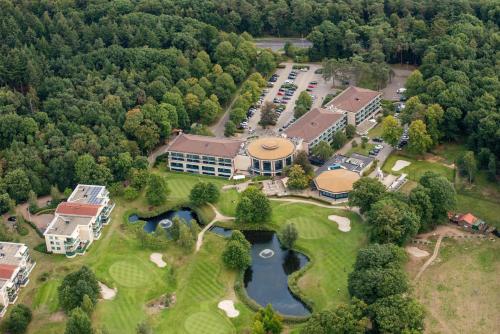
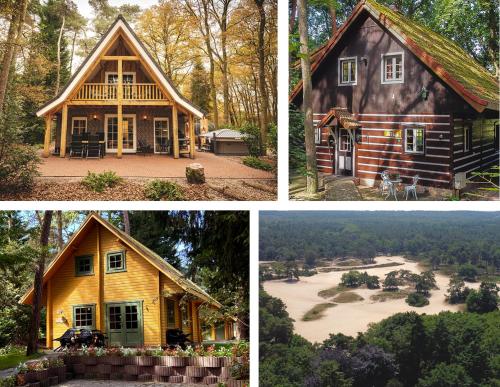
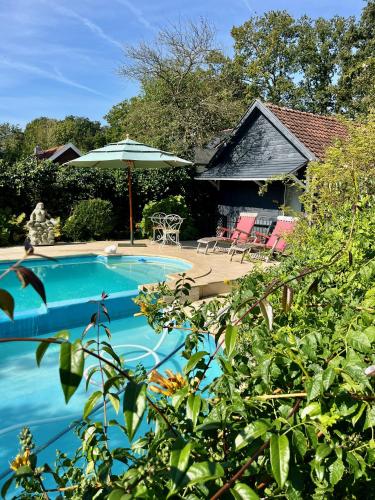

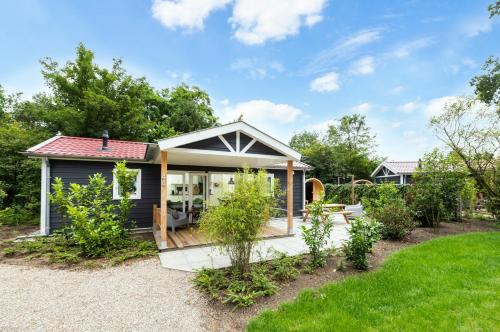


Live rates across our partner network (Booking.com, VRBO, Expedia, Hotels.com) via Stay22. Makutet may earn a commission when you book — at no extra cost to you. Prices update in real time and may vary before booking.
Experience

Cycling
Begin in Amsterdam for a guided cycling day through the flat landscape of the Randstad, allowing most of a day for riding and stops. Tours commonly run through spring to autumn; reserve a guide and bicycle ahead, especially in the warmer months.
active travellers · culture seekers

Guided visit
Use Kinderdijk as the starting point for a guided walk or cycle through the windmill landscape and its water-management setting. Allow half a day or more; check seasonal opening arrangements and reserve any guided visit ahead, particularly in summer.
history enthusiasts · photographers

Garden visit
Plan a spring day around Keukenhof, reached from the Randstad, with time to walk the garden paths and travel to and from the site. It is a seasonal outing rather than a year-round activity; check the current opening period and arrange transport and admission ahead.
garden lovers · families

Boat tour
Take a scheduled harbour cruise from Rotterdam Port to understand the scale and working character of the waterfront from the water. Allow a few hours including boarding and return; services are seasonal and weather-sensitive, so reserve a sailing in advance.
architecture fans · maritime travellers
Things to do
What Makutet's Netherlands research recommends, and where the tours that cover it can actually be booked.
Editorial recommendations from Makutet's Netherlands research. Tickets and tours are searched on GetYourGuide.
Canal-side cycling day from Amsterdam
Begin in Amsterdam for a guided cycling day through the flat landscape of the Randstad, allowing most of a day for riding and stops. Tours commonly run through spring to autumn; reserve a guide and bicycle ahead, especially in the warmer months.
Kinderdijk windmill and water-management visit
Use Kinderdijk as the starting point for a guided walk or cycle through the windmill landscape and its water-management setting. Allow half a day or more; check seasonal opening arrangements and reserve any guided visit ahead, particularly in summer.
Keukenhof spring flower day
Plan a spring day around Keukenhof, reached from the Randstad, with time to walk the garden paths and travel to and from the site. It is a seasonal outing rather than a year-round activity; check the current opening period and arrange transport and admission ahead.
Rotterdam Port harbour cruise
Take a scheduled harbour cruise from Rotterdam Port to understand the scale and working character of the waterfront from the water. Allow a few hours including boarding and return; services are seasonal and weather-sensitive, so reserve a sailing in advance.
Hoge Veluwe National Park
A large national park consisting of heathlands, sand dunes, and woodlands, housing the Kröller-Müller Museum.
Utrecht
A central city known for its medieval city center, wharf-level cellars along canals, and the Dom Tower.
Activity cards are editorial — Makutet is not selling these specific experiences. The partner search opens GetYourGuide for Netherlands, where availability and price are theirs.
Understand
The context that turns a visit into an understanding.

macro_region
A megalopolis in the west of the country, comprising the four largest cities and their surrounding metropolitan areas.

macro_region
The northern provinces characterized by lower population density, agricultural land, and proximity to the Wadden Sea.

sub_region
A province located in the northwest, featuring coastal areas and the capital city of Amsterdam.

sub_region
A province in the north known for its extensive lake systems and distinct regional language and culture.

Food
A stroopwafel is made from two thin waffle layers joined with syrup; it is often bought fresh at a market counter. In Amsterdam and Utrecht, look for a warm one as a snack rather than treating it as a full meal.

Food tradition
Herring is a familiar Dutch fish snack, traditionally served with chopped onion and sometimes pickles. Ask for it at a fish stall in Amsterdam or Rotterdam; the customary presentation is part of the experience as much as the taste.

Drinking culture
A Dutch brown café is a traditional, intimate pub setting, associated with dark wood and a relaxed pace. In Amsterdam, it offers a more local-feeling pause between canal walks; order a drink, keep the conversation low-key and expect a compact interior.

Everyday culture
In the Randstad and cities such as Amsterdam and Utrecht, cycling is ordinary transport, not just a leisure activity. Keep to marked cycle routes, check before crossing them on foot and avoid stopping in the flow of riders.
When to go
April–May
Spring
Cultivated landscapes and milder days
June–August
Summer
Longer days for regional travel
September–October
Autumn
Quieter transitions between city and country
November–March
Winter
Cool, wet and often windy
Practical
Money, transport, connectivity and the details that matter on the ground.
Budget
The Netherlands uses the euro. Bank cards are widely used, but check whether a small market stall or rural business accepts your card and carry a little cash for exceptions. Accommodation and meals take a substantial share of a city budget, especially in Amsterdam and during spring and summer; costs can be lower away from the Randstad, but rural transport may add time and expense.
Transport
Rail links connect the Randstad and cities including Amsterdam, Rotterdam and Utrecht; bicycles are widely used for local journeys. Allow extra time when changing between rail and local transport, and plan rural legs in Friesland more carefully. The Netherlands drives on the right; city cycling lanes are busy, so do not walk or wait in them.
Safety
The Netherlands is generally straightforward to navigate, but busy cycling traffic is a specific hazard: look both ways before crossing cycle lanes in Amsterdam, Utrecht and elsewhere in the Randstad. Keep valuables secure in crowded areas. The emergency number is 112; tap water is safe to drink, and tipping is modest rather than obligatory.
Connectivity
Mobile coverage is good across settled parts of the Netherlands, though check your plan before travel or arrange an eSIM. Plug types C and F are used. Public-facing information and transport are easy to use in the main cities, while advance offline directions can help when navigating rural Friesland or the Northern Netherlands.
Seasonal weather
The Netherlands has a temperate maritime climate: expect changeable conditions, with cool, damp winters and mild to warm summers. April and May are especially associated with spring gardens such as Keukenhof; summer brings longer, more comfortable days for cycling and coastal visits, but rain and wind remain possible in every season. Pack layers and rain protection year-round.
Accessibility and mobility
The Netherlands is largely flat, which helps wheelchair users and pushchairs, but cobbles, narrow pavements, steep canal bridges and crowded cycle lanes can be real obstacles in Amsterdam and Utrecht. Rail stations and older buildings vary in step-free access; confirm lifts, boarding assistance and accommodation facilities before booking. For rural Friesland or North Holland, check the distance from public transport and whether routes have firm, even surfaces.
Getting around
Airport transfers, rail, buses, ferries and car hire for Netherlands — arranged before you fly, priced by the supplier.
Stay connected
Install an eSIM before you fly and you are online the moment you land in Netherlands — no roaming charges, no shop queue at the airport.
Moments
The Netherlands is best understood through its relationships: coast and interior, built landscape and open land, urban concentration and regional distinction. Its recognised places are more than separate entries on a map. Together, Amsterdam, Kinderdijk, Keukenhof, Rotterdam Port, the Wadden Sea and the country’s inland regions show how water and settlement have shaped the national story.
The signature moment
Go to Kinderdijk in the early morning, when the light is still cool and the water holds the quiet of the day before movement gathers. The first thing to notice is the breadth of the landscape: water, low ground and the recognisable structures of a place where managing water is part of the view. Listen for the soft sounds carried across the open space and the small changes in the air beside the water. There is a dampness to the morning and a sense of exposure that makes the coast feel near, even here in the interior. Take time rather than crossing the scene quickly; watch how reflections, cloud and the built forms sit together. Kinderdijk is not a shorthand for the entire Netherlands, but it concentrates one essential fact of the country: settlement and water cannot be understood apart. From here, the wider geography comes into focus. The North Sea coast, the working presence of Rotterdam Port, the urban density of the Randstad and the openness of Friesland belong to different settings, yet all make more sense when the land itself is treated as an active part of the story.
The story behind it
The heritage of the Netherlands is inseparable from its lowland geography and its long engagement with water. The country’s relationship with the North Sea has required communities to shape, maintain and inhabit a landscape in which land and water meet closely. Kinderdijk gives that story a visible setting, while Rotterdam Port expresses a later and continuing connection to maritime movement and exchange. These places should not be read as a simple tale of uninterrupted progress: the making of a settled landscape has involved collective decisions, labour and changing priorities. Amsterdam, Utrecht and Maastricht each offer their own urban inheritance, while Friesland and Northern Netherlands remind visitors that national history is also regional. A careful account holds these strands together without reducing the country to a single origin story or treating engineered land as separate from nature.
Before you go
The country opens gradually. Let a city give way to a region, and allow a view of water or open land to alter your sense of what the map means. The Netherlands is not one landscape repeated; its interest lies in the changes between them. A return journey can follow a different line: from the Randstad towards the Wadden Sea, or from Amsterdam to Utrecht and Maastricht. What remains is not a checklist, but an understanding of how place, movement and water continue to meet.
Water as landscape
At Kinderdijk, water management is not hidden behind the scenery: it is part of the landscape visitors come to understand and a clear expression of the Netherlands’ lowland geography.
Many regional frames
The Netherlands can be approached through regions as different in character as the Randstad, Friesland and Northern Netherlands, rather than through Amsterdam alone.
April–May
Spring landscapes
Spring brings a distinct seasonal character to the Netherlands. Keukenhof is a natural anchor for a visit centred on cultivated landscapes; build in time for Amsterdam or the Randstad rather than treating the garden as the whole trip.
June–September
Longer days, changeable skies
The warmer part of the year generally offers the most comfortable conditions for moving between the Randstad, Friesland and the Wadden Sea. Coastal weather can still change quickly, so keep plans flexible and take a layer for exposed settings.
November–February
Short, unsettled days
Winter is generally cooler, wetter and darker, with wind and rain especially noticeable near the North Sea. It remains workable for city-focused days in Amsterdam, Utrecht or Maastricht, but allow flexibility for outdoor visits such as Kinderdijk.
FAQ
The Netherlands uses the euro. Cards are widely used, though carrying some cash can help at smaller stalls or businesses.
Keukenhof is a spring visit. Check its current opening period and arrange admission and transport ahead, as it is not a year-round attraction.
The Randstad and cities such as Amsterdam, Rotterdam and Utrecht are well suited to rail and local cycling; rural journeys in Friesland need more transport planning.
Cycling is everyday transport. Watch for marked cycle lanes before crossing, and avoid stopping or walking in the path of moving bicycles.
Expect changeable maritime weather, cool damp winters and mild to warm summers. Bring layers and rain protection in any season.
Yes. Tap water in the Netherlands is safe to drink.
Call 112 for emergency services in the Netherlands.
Before you go
The last thing most travellers forget — and the disclosure that applies to every partner link on this page.
Booking and rate checks run on the partner's own site; prices and availability are theirs and can change. Some links are affiliate links and Makutet may earn a commission at no extra cost to you. See our affiliate disclosure.
Makutet builds a day-by-day itinerary around the places above — then keeps it updated as you travel.
Country guide: /country/netherlands
Your assessment works without optional tracking. Necessary storage keeps your trip and privacy choice. Embedded flight search includes TravelPayouts tracking; ordinary partner links remain available if you decline.
Cookie policy · Privacy policy. Reopen Cookie settings to change your choice. Supplier-site cookies are controlled by that supplier.