
Mountain
Mount Everest
The highest mountain on Earth, located on the border between Nepal and the Tibet Autonomous Region of China.

asia
Nepal is shaped by the meeting of the Himalayas, the hills and the Terai. Its landscapes, from Mount Everest to the Kathmandu Valley and Lumbini, make geography part of daily orientation rather than a distant backdrop.
The country
The country
Landlocked in South Asia, Nepal lies along the southern slopes of the Himalayas, bordered by China to the north and India to the south, east and west. Its geography changes markedly from the Himalayan Region through the Hilly Region to the Terai, while the Kathmandu Valley, Everest Region and places such as Lumbini give the country distinct cultural and geographic bearings.
Why visit
Nepal’s appeal begins with a rare compression of landscapes. The country rises from the Terai to the Himalayan slopes, with the Hilly Region and Kathmandu Valley between them; the names themselves describe different ways of encountering the land. Mount Everest and the Annapurna Massif make the high mountains an unmistakable part of Nepal’s identity, while Pokhara offers another point of orientation within that mountain country. In the south, Chitwan National Park places the Terai’s wildlife landscape alongside a journey otherwise often imagined through peaks and hill roads. The result is not a single scenery or a single kind of visit, but a country whose distances are felt in changes of altitude, terrain and pace. The cultural geography matters just as much. Kathmandu and Bhaktapur anchor the experience of the valley; Lumbini gives the journey a different register, one of historical and religious significance. Sagarmatha National Park connects the country’s best-known mountain landscape with a wider protected region. These places are not interchangeable stops: each helps explain how Nepal’s varied terrain has shaped its settlements, movement and sense of place. A thoughtful itinerary can move between city, mountain, valley and lowland, but should allow for the effort and time such changes entail. Nepal suits travellers who want landscape and cultural context together, and who are willing to let a route be shaped by geography rather than by a checklist. Its defining quality is that the Himalayas are not merely a view: they are part of the structure through which the whole country is understood.
What it feels like
The atmosphere shifts with altitude and terrain: the vast scale of the Himalayan Region gives way to the lived-in hills and the concentrated streets of Kathmandu and Bhaktapur, then to the warmer lowland character of the Terai. Nepal’s religious and cultural heritage is present in places such as Lumbini and across the Kathmandu Valley, while mountain landscapes set a powerful physical frame around ordinary movement and daily life.
Who it suits
Nepal suits travellers who value walking, mountain landscapes, cultural and historical context, and journeys that change character across regions. It is a strong fit for those prepared to plan around altitude, weather and travel time, rather than expecting every leg to be quick or uniform.
How to get here
Live fares into Nepal across hundreds of airlines, compared in one search. Book directly with the airline or agent — Makutet never adds a fee.
Live fares to Nepal across hundreds of airlines. Book directly with the airline or agent — no extra cost to you.
Embedded flight search uses TravelPayouts cookies and tracking. Enable partner search to load it here, or continue directly on the partner site.
The external partner link includes Makutet's affiliate marker; confirm your route, dates and passengers there. No booking is made on Makutet.
Live search and booking run on the TravelPayouts partner engine. Fares update in real time and may vary before booking. Any prices shown elsewhere on Makutet are monitored observations, not live quotes.
Identity
The places that define the country rather than merely sit inside it.
Mountain
The highest mountain on Earth, located on the border between Nepal and the Tibet Autonomous Region of China.

Capital City
The capital and largest city of Nepal, known for its historic Durbar Squares and dense urban architecture.

National Park
A protected area in the Himalayas that encompasses the southern part of Mount Everest and surrounding high-altitude peaks.

Heritage Site
A pilgrimage site in the Terai region recognized as the birthplace of Siddhartha Gautama, the historical Buddha.
Imagery


Discover

City
A lakeside city serving as the primary gateway for trekking routes into the Annapurna Conservation Area.

National Park
A protected area in the Terai plains known for its biodiversity, including populations of one-horned rhinoceros and Bengal tigers.

Mountain Range
A series of peaks in the Himalayas including Annapurna I, famous for extensive trekking circuits and diverse terrain.

Heritage City
An ancient city in the Kathmandu Valley known for its well-preserved Newar architecture, pottery, and wood carving.
Stay
The bases that actually change the trip.

Mountain lodge
A simple lodge stay makes a multi-day walk in the Annapurna Massif possible without carrying a full camping set-up. Access is on foot along the route, so pack lightly and expect basic facilities; spring and autumn are the more practical trekking seasons, and rooms should be arranged ahead on popular routes.
trekkers · practical-minded travellers

Guesthouse
A Kathmandu guesthouse offers a useful base for arriving, arranging a guide and making onward plans for Kathmandu Valley. It is reached by road from the airport, but valley traffic can make short distances slow; choose it for urban access rather than quiet mountain surroundings, and book ahead in busier travel periods.
independent travellers · culture-focused visitors

Town hotel or guesthouse
Staying in Pokhara suits travellers who want an established town base before or after time in the Annapurna Massif. Road travel from Kathmandu takes a substantial part of the day, so avoid scheduling a tight onward connection; spring and autumn bring particularly comfortable conditions for outdoor plans, and advance booking is sensible then.
couples · outdoor travellers

Nature lodge
A lodge near Chitwan National Park places guided nature outings close at hand, with transport and activities best organised through the property. Reaching the lowland park area takes an overland journey from Kathmandu; allow travel time on either side and check seasonal conditions before committing to a fixed itinerary.
wildlife watchers · slower-paced travellers
Where to stay
Live rates across Booking.com, Agoda, VRBO and Expedia for Nepal. Compare the areas above, then check what a night actually costs.
Popular destinations
Live rates across Booking.com, Agoda, VRBO and Expedia for Nepal — no extra cost to you.


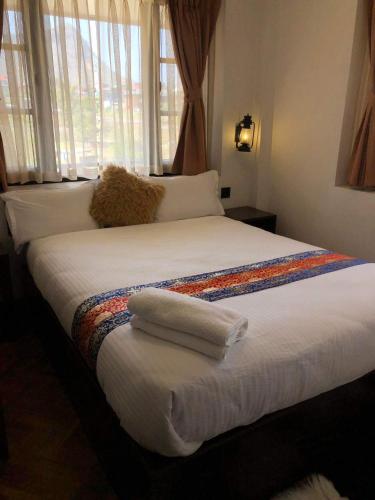
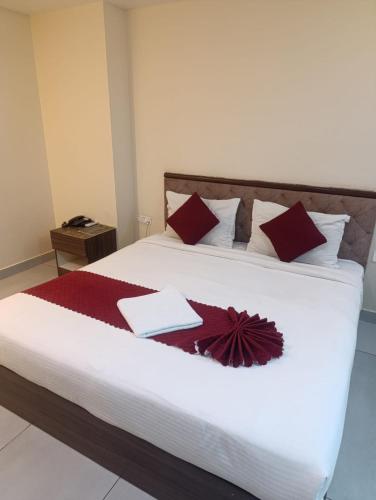
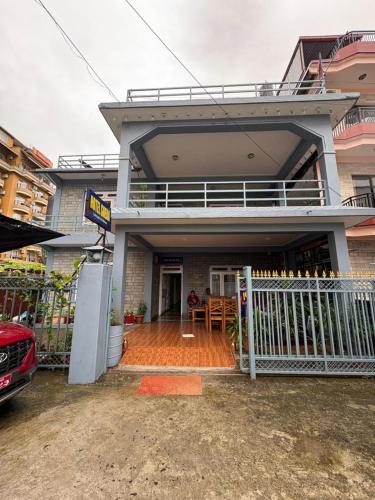
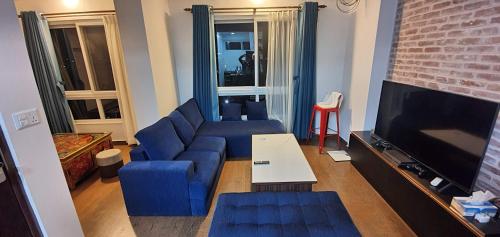
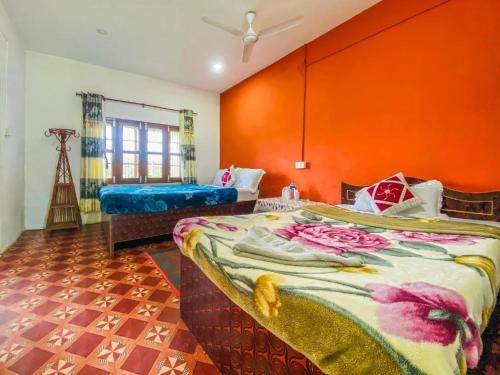
Live rates across our partner network (Booking.com, VRBO, Expedia, Hotels.com) via Stay22. Makutet may earn a commission when you book — at no extra cost to you. Prices update in real time and may vary before booking.
Experience

Trekking
Set out from the Annapurna Massif with a licensed local guide for a multi-day trek, typically planned around the clearer, drier autumn or spring periods. Arrange the guide, route and accommodation before departure; allow several days rather than treating this as a day excursion.
active travellers · mountain walkers

Guided cultural day
Spend a full day walking with a local guide through Kathmandu Valley, using Kathmandu and Bhaktapur as the named bases for exploring the valley’s historic urban character. Reserve a guide in advance, and allow time for slow movement between the two places rather than trying to combine them in a rushed stop.
culture-focused travellers · photographers

Outdoor activities
Use Pokhara as a base for a guided day combining time on the lake with views towards the Annapurna Massif. Plan a half or full day according to conditions, and reserve any guided activity and transport ahead during the busy autumn and spring travel periods.
active travellers · couples

Wildlife and nature
Arrange a guided nature outing from the Chitwan National Park area, choosing a short excursion or a longer day with a local operator. Visits are most comfortable outside the heavy monsoon period; reserve the guide and transport through your accommodation before travelling to the park area.
wildlife watchers · families
Things to do
What Makutet's Nepal research recommends, and where the tours that cover it can actually be booked.
Editorial recommendations from Makutet's Nepal research. Tickets and tours are searched on Klook.
Guided trekking in the Annapurna Massif
Set out from the Annapurna Massif with a licensed local guide for a multi-day trek, typically planned around the clearer, drier autumn or spring periods. Arrange the guide, route and accommodation before departure; allow several days rather than treating this as a day excursion.
Kathmandu Valley heritage walking day
Spend a full day walking with a local guide through Kathmandu Valley, using Kathmandu and Bhaktapur as the named bases for exploring the valley’s historic urban character. Reserve a guide in advance, and allow time for slow movement between the two places rather than trying to combine them in a rushed stop.
Pokhara lake-and-mountain activity day
Use Pokhara as a base for a guided day combining time on the lake with views towards the Annapurna Massif. Plan a half or full day according to conditions, and reserve any guided activity and transport ahead during the busy autumn and spring travel periods.
Chitwan National Park guided nature outing
Arrange a guided nature outing from the Chitwan National Park area, choosing a short excursion or a longer day with a local operator. Visits are most comfortable outside the heavy monsoon period; reserve the guide and transport through your accommodation before travelling to the park area.
Pokhara
A lakeside city serving as the primary gateway for trekking routes into the Annapurna Conservation Area.
Chitwan National Park
A protected area in the Terai plains known for its biodiversity, including populations of one-horned rhinoceros and Bengal tigers.
Activity cards are editorial — Makutet is not selling these specific experiences. The partner search opens Klook for Nepal, where availability and price are theirs.
Understand
The context that turns a visit into an understanding.

macro_region
This northern region contains the highest mountain peaks in the world, including Mount Everest, and features rugged terrain above 3,000 meters.

macro_region
Situated between the mountains and the plains, this central region consists of valleys, basins, and low mountain ranges with temperate climates.

macro_region
Located in the southern part of the country, this low-lying flatland plain is an extension of the Indo-Gangetic Plain and serves as the nation's breadbasket.

sub_region
A high-altitude basin in the Hilly Region containing the capital city and significant historical urban centers.

sub_region
A high-altitude area in the eastern Himalayas known for mountaineering expeditions and Sherpa settlements.

Food
Dal bhat, a meal of lentil soup with rice and accompanying vegetables, is a practical staple across Nepal. On a trekking route in the Annapurna Massif it is a familiar, filling choice; ask about the accompaniments, which can vary from one kitchen to another.

Street food
Momo are filled dumplings commonly eaten as a snack or meal in Nepal. Look for them in Kathmandu and Pokhara, where they make an easy informal stop between sightseeing or travel; fillings and serving styles vary, so ask what is available that day.

Drink
Masala chiya is spiced milk tea, often taken as a warm pause during the day. It is a useful introduction to Nepal’s everyday tea culture in Kathmandu or Pokhara; specify whether you would like it sweetened, as preparation is not necessarily identical from one tea shop to the next.

Customs and etiquette
A gentle greeting of “Namaste”, often accompanied by palms together, is widely recognised in Nepal. Use it when meeting hosts or guides in Kathmandu Valley and elsewhere, and follow the other person’s lead on whether a handshake or more formal greeting is appropriate.
When to go
October–November
Autumn
Generally clearer skies and strong mountain visibility
March–May
Spring
Warmer conditions with variable visibility
June–September
Summer monsoon
Wet weather across much of the country
Practical
Money, transport, connectivity and the details that matter on the ground.
Budget
Nepal’s currency is the Nepalese rupee. Cards are useful in larger businesses in Kathmandu and Pokhara, but carry cash for smaller shops, local transport and trekking-route purchases in the Annapurna Massif; exchange or withdraw cash in towns before heading into remote areas. Your main costs are likely to be accommodation, guides and transport, with mountain access and busy spring or autumn periods often requiring more planning and spend than a simple city stay.
Transport
Overland journeys connect Kathmandu with Pokhara, Chitwan National Park and the wider regions, but mountain terrain and road conditions mean journey times can be less predictable than the map suggests. In Kathmandu Valley, allow extra time for road traffic; to reach trekking routes in the Annapurna Massif, arrange the onward transport and walking plan together. Nepal drives on the left.
Safety
In the Himalayan Region and Annapurna Massif, weather, altitude and remote walking conditions make a conservative route plan and a suitably experienced guide important. Keep a margin in road itineraries between Kathmandu and other regions, and check conditions locally before setting out. Tap water should be treated or replaced with reliably safe drinking water.
Connectivity
Mobile coverage and data are most dependable in Kathmandu and Pokhara and less reliable on remote routes in the Himalayan Region. Arrange an eSIM or local connectivity before leaving a main town, and do not rely on a signal for navigation throughout a trek. Nepal commonly uses plug types C, D and M, so check your device and bring a suitable adaptor.
Seasonal weather
Nepal has a monsoon-influenced climate: the wet summer monsoon, broadly from June to September, brings heavy rain and can disrupt roads and mountain views. Autumn, from about October to November, is generally clearer and drier; spring, from about March to May, is also favourable for trekking and outdoor visits. Winter is colder, especially at elevation, so allow for different conditions between the Terai Region and the Himalayan Region.
Accessibility and mobility
Travellers with reduced mobility, wheelchair users, pushchairs and older companions should expect significant access limits. Kathmandu Valley’s streets and pavements can be uneven and congested, while steep terrain and stairs are common in older urban areas; the Annapurna Massif and Himalayan Region are not suited to step-free travel. Road transport may involve long, bumpy journeys, and accommodation stock is variable, so confirm step-free entry, accessible bathrooms and vehicle arrangements directly before booking.
Getting around
Airport transfers, rail, buses, ferries and car hire for Nepal — arranged before you fly, priced by the supplier.
Stay connected
Install an eSIM before you fly and you are online the moment you land in Nepal — no roaming charges, no shop queue at the airport.
Moments
Nepal is best read through its contrasts: the scale of Mount Everest and the Annapurna Massif, the close-grained life of the Kathmandu Valley, the lower landscapes of the Terai, and the historical significance of Lumbini. These are not separate versions of the country but parts of a geography that continually changes the traveller’s sense of distance and place.
The signature moment
In the Everest Region, the mountain landscape first arrives as scale: ridgelines rise beyond the nearer slopes, and Mount Everest belongs to a horizon that seems to keep unfolding. At an early hour the air is cold against the face; underfoot, the ground feels uneven, and the effort of moving makes every pause deliberate. Sound narrows to wind, footsteps and the voices of other travellers. A warm drink or simple food tastes more vivid after the climb, less because it is elaborate than because the body has earned the pause. The view is not a single peak set apart from its surroundings; it is a whole terrain of heights, valleys and changing light. From this one scene, Nepal widens into focus. The Himalayas are the country’s defining northern frame, but they do not contain the whole story: the Kathmandu Valley, the Hilly Region and the Terai make clear how many kinds of landscape sit within its borders. To stand here is to feel both the pull of the high mountains and the distance between them and the rest of Nepal.
The story behind it
Nepal’s heritage is expressed through places with distinct historical and religious associations, rather than through a single story. The Kathmandu Valley, with Kathmandu and Bhaktapur, is a centre of enduring cultural significance; Lumbini is recognised for its importance in Buddhist history. The country’s position along the southern Himalayas has also made its terrain central to how communities and journeys are understood. A balanced account should not turn heritage into a timeless picture: Nepal’s history includes change and difficulty as well as continuity. Its varied regions and sacred places offer evidence of layered traditions, while the present-day country remains shaped by the realities of a mountainous, landlocked geography.
Before you go
A journey through Nepal need not be measured by how many regions it crosses. Time in the Kathmandu Valley, a mountain route in the Everest Region or a quieter encounter with Lumbini can each offer a different understanding of the country. Leave room for the terrain to set the pace. The most lasting impression may be the change between landscapes: not a single view, but the knowledge that Nepal holds mountain, hill and lowland within one compact national frame.
Three broad regions
Nepal’s Stage 1 geographic regions include the Himalayan Region, Hilly Region and Terai Region, a concise way to understand the country’s marked changes in terrain.
A valley and a birthplace
Kathmandu and Bhaktapur are among Nepal’s signature places, while Lumbini is also named among them, bringing urban heritage and religious significance into the same national picture.
October–November
Clearer mountain season
Autumn generally brings clearer skies after the monsoon, making it a favourable time to orient a journey around the Himalayan Region, Mount Everest or the Annapurna Massif. Conditions can still vary with altitude.
March–May
Spring transition
Spring is a workable period for exploring Nepal, including the Kathmandu Valley and mountain regions. Temperatures rise, but haze and pre-monsoon weather can affect views, so keep plans adaptable.
June–September
Monsoon season
The summer monsoon brings heavy rain to much of Nepal, with cloud, wet routes and disruption possible. Allow extra flexibility for travel between the hills, Terai and high mountain areas.
FAQ
Autumn, around October and November, is generally clear and dry; spring, around March to May, also suits trekking and outdoor visits.
The summer monsoon, broadly June to September, brings heavy rain and can affect road journeys, walking conditions and mountain visibility.
Nepal uses the Nepalese rupee. Carry cash beyond larger businesses in Kathmandu and Pokhara, especially for local purchases and trekking routes.
Treat tap water or choose reliably safe drinking water; do not assume untreated tap water is safe to drink.
Access is challenging: uneven pavements, stairs, long road journeys and steep terrain are common. Confirm step-free access and facilities directly before booking.
Allow substantial time for the overland journey and avoid tight onward connections, as road conditions and traffic can make travel slower than expected.
Arrange your guide, route and accommodation before setting out in the Annapurna Massif, particularly for spring and autumn travel.
Before you go
The last thing most travellers forget — and the disclosure that applies to every partner link on this page.
Booking and rate checks run on the partner's own site; prices and availability are theirs and can change. Some links are affiliate links and Makutet may earn a commission at no extra cost to you. See our affiliate disclosure.
Makutet builds a day-by-day itinerary around the places above — then keeps it updated as you travel.
Country guide: /country/nepal
Your assessment works without optional tracking. Necessary storage keeps your trip and privacy choice. Embedded flight search includes TravelPayouts tracking; ordinary partner links remain available if you decline.
Cookie policy · Privacy policy. Reopen Cookie settings to change your choice. Supplier-site cookies are controlled by that supplier.