
Historical Site
Ruins of St. Paul's
The 17th-century facade of a former Jesuit church complex destroyed by fire in 1835.

asia
Macau brings a peninsula and linked islands together at the western edge of the Pearl River Delta. Its historic streets, temples, coast and contemporary skyline sit within a compact territory shaped by its connection to China.
The country
The country
On the western side of the Pearl River Delta in East Asia, Macau is a Special Administrative Region of China made up of a peninsula connected to the mainland and two primary islands linked by land reclamation. Its compact geography brings the Historic Centre of Macau, the Macau Peninsula, the Island Region and the Cotai Strip into close relation, while the coastline and older village settings offer a different pace from the urban core.
Why visit
Macau is best understood through contrasts that are close enough to encounter in a single journey. The peninsula is connected to the mainland, while two primary islands, now joined by land reclamation, extend the territory into the Pearl River Delta. This arrangement gives a visit a clear geographical rhythm: streets and squares in the historic centre, a view from Macau Tower, then a change of scale towards Taipa Village, Coloane Village or the shore at Hac Sa Beach. The movement is not simply from city to countryside; it is between different layers of Macau's identity, all within one small territory. The Historic Centre of Macau makes the past legible in everyday urban space. At the Ruins of St. Paul's, the surviving façade is an unmistakable point of reference; nearby, Senado Square and A-Ma Temple offer other ways to read the city's religious and civic inheritance. Guia Fortress, set apart from the busiest central streets, adds a further perspective on the peninsula. These places are not isolated exhibits: they anchor a living city whose present-day movement, architecture and public spaces continue to meet the legacy of its position between Macau and China. The Island Region broadens the experience. Taipa Village offers a village-scale counterpoint to the peninsula, while Coloane Village and Hac Sa Beach draw attention to the coast and a quieter edge of the territory. The Cotai Strip, by contrast, represents a more contemporary, built-up face. Taken together, these settings make Macau rewarding for travellers who want cultural history and urban life without treating the shoreline as an afterthought. A visit works particularly well when planned as a sequence of distinct neighbourhoods and landscapes, rather than as a checklist: pause in the historic centre, cross towards the islands, and leave space for the coast to alter the pace.
What it feels like
Macau shifts between the close texture of streets and squares in the Historic Centre, the monumental outline of the Ruins of St. Paul's, and the open coastal edge at Hac Sa Beach. Temple and civic landmarks sit alongside a contemporary skyline, while Taipa Village and Coloane Village retain a more neighbourhood-scale feel. The overall mood is urban and layered, with the sea and the connected islands always part of the mental map.
Who it suits
Macau suits travellers drawn to compact urban exploration, architectural and cultural landmarks, and clear contrasts between a historic peninsula and island settings. It is especially rewarding for those willing to walk through the Historic Centre of Macau, then deliberately set aside time for Taipa Village, Coloane Village or Hac Sa Beach rather than remaining in one district.
How to get here
Live fares into Macau across hundreds of airlines, compared in one search. Book directly with the airline or agent — Makutet never adds a fee.
Live fares to Macau across hundreds of airlines. Book directly with the airline or agent — no extra cost to you.
Embedded flight search uses TravelPayouts cookies and tracking. Enable partner search to load it here, or continue directly on the partner site.
The external partner link includes Makutet's affiliate marker; confirm your route, dates and passengers there. No booking is made on Makutet.
Live search and booking run on the TravelPayouts partner engine. Fares update in real time and may vary before booking. Any prices shown elsewhere on Makutet are monitored observations, not live quotes.
Identity
The places that define the country rather than merely sit inside it.
Historical Site
The 17th-century facade of a former Jesuit church complex destroyed by fire in 1835.

Observation Deck
A 338-meter tall observation tower offering panoramic views of the Pearl River Delta and the surrounding territory.

Religious Site
A traditional Chinese temple dedicated to Mazu the goddess of seafarers dating back to the Ming Dynasty.

Public Square
A paved public plaza in the heart of the city featuring traditional Portuguese mosaic tiling and colonial architecture.
Imagery


Discover

Village
A traditional southern coastal village that retains a historical atmosphere with small temples and local residences.

Beach
The largest natural beach in the region located on the south side of Coloane Island with dark colored sand.

Military Fortress
A 17th-century military fort located on the highest point of the Macau Peninsula including a lighthouse and chapel.

Urban District
An area characterized by narrow streets and traditional shophouses located near the modern casino district.
Stay
The bases that actually change the trip.

City accommodation
Staying near Senado Square or the Ruins of St. Paul's puts the Historic Centre within walking reach, but narrow, busy streets and changes in pavement level can make luggage and mobility slower. Arrive by transfer from your point of entry and allow extra time for the final street approach. This base is practical in cooler months, when extended walking is more comfortable.
heritage visitors · short-stay travellers

Guesthouse or small hotel
A stay in Taipa Village offers a more neighbourhood-scale base, with local streets and food close by and Cotai accessible from the island region. Confirm the exact access route and luggage arrangements before booking; not every lane is convenient for a vehicle drop-off. Mild, drier months suit exploring on foot, while summer heat makes nearby transport more useful.
slow travellers · food-focused visitors

Resort accommodation
Cotai suits travellers who want a large, self-contained accommodation base and are content to use transfers or local transport for the Historic Centre and Coloane. Reaching peninsula sights takes more planning than staying near Senado Square, so group visits by area rather than making repeated cross-region trips. Holiday periods can mean stronger demand; reserve ahead if dates are fixed.
resort-oriented travellers · families

Coastal accommodation
Choose accommodation around Coloane Village for a quieter southern-island base, with Hac Sa Beach reachable as part of a planned coastal outing. It is less convenient for repeated visits to the peninsula, so check transfer options and allow travel time before booking. The cooler season is best for outdoor time; summer's heat and rain can limit beach plans.
quiet-stay seekers · coastal visitors
Where to stay
Live rates across Booking.com, Agoda, VRBO and Expedia for Macau. Compare the areas above, then check what a night actually costs.
Popular destinations
Live rates across Booking.com, Agoda, VRBO and Expedia for Macau — no extra cost to you.


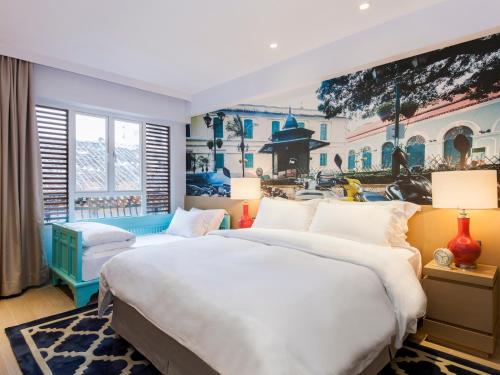
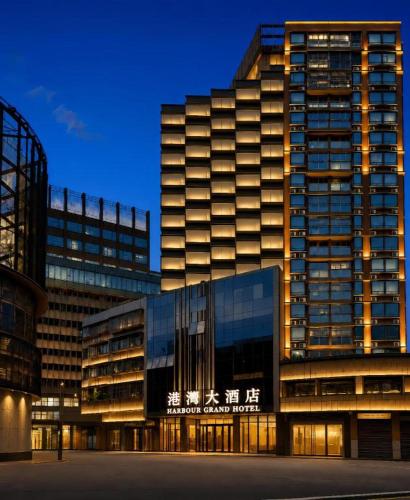

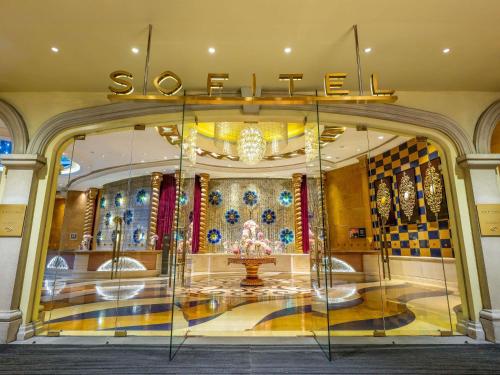


Live rates across our partner network (Booking.com, VRBO, Expedia, Hotels.com) via Stay22. Makutet may earn a commission when you book — at no extra cost to you. Prices update in real time and may vary before booking.
Experience

Guided walking tour
Begin at Senado Square and follow a guided walking route towards the Ruins of St. Paul's, with time to discuss the Historic Centre's layered streetscape. Allow around half a day; arrange a guide ahead, especially for a private or language-specific visit. The route is most comfortable in the cooler, drier months.
culture-focused travellers · walkers

Food and neighbourhood tour
Start in Taipa Village for a guided introduction to Macau's Macanese and Cantonese food traditions, then continue towards Cotai for a contrasting look at the reclaimed island landscape. Plan roughly half a day; reserve a guide and any planned tastings ahead. Cooler, drier weather makes the outdoor sections easier.
food lovers · curious travellers

Observation and guided visit
Use Macau Tower as the focus of a planned visit: allow a few hours for the observation experience and views across the peninsula, island region and Pearl River Delta setting. Check access and reserve any timed activity ahead, particularly in busy holiday periods. Choose a clear day where possible; summer humidity and rain can limit distant views.
first-time visitors · photographers

Coastal guided excursion
Take a guided half-day outing from Coloane Village towards Hac Sa Beach, combining village streets with Macau's more open southern coast. Arrange transport and a guide ahead, as this is less suited to an improvised walk from the peninsula. The cooler, drier season is more comfortable; summer brings heat, humidity and heavy rain risk.
outdoor-minded travellers · families
Things to do
What Makutet's Macau research recommends, and where the tours that cover it can actually be booked.
Editorial recommendations from Makutet's Macau research. Tickets and tours are searched on Klook.
Macau Peninsula heritage walk
Begin at Senado Square and follow a guided walking route towards the Ruins of St. Paul's, with time to discuss the Historic Centre's layered streetscape. Allow around half a day; arrange a guide ahead, especially for a private or language-specific visit. The route is most comfortable in the cooler, drier months.
Taipa and Cotai food walk
Start in Taipa Village for a guided introduction to Macau's Macanese and Cantonese food traditions, then continue towards Cotai for a contrasting look at the reclaimed island landscape. Plan roughly half a day; reserve a guide and any planned tastings ahead. Cooler, drier weather makes the outdoor sections easier.
Macau Tower viewing visit
Use Macau Tower as the focus of a planned visit: allow a few hours for the observation experience and views across the peninsula, island region and Pearl River Delta setting. Check access and reserve any timed activity ahead, particularly in busy holiday periods. Choose a clear day where possible; summer humidity and rain can limit distant views.
Coloane and Hac Sa coastal outing
Take a guided half-day outing from Coloane Village towards Hac Sa Beach, combining village streets with Macau's more open southern coast. Arrange transport and a guide ahead, as this is less suited to an improvised walk from the peninsula. The cooler, drier season is more comfortable; summer brings heat, humidity and heavy rain risk.
Coloane Village
A traditional southern coastal village that retains a historical atmosphere with small temples and local residences.
Hac Sa Beach
The largest natural beach in the region located on the south side of Coloane Island with dark colored sand.
Activity cards are editorial — Makutet is not selling these specific experiences. The partner search opens Klook for Macau, where availability and price are theirs.
Understand
The context that turns a visit into an understanding.

macro_region
The northern section of the territory connected directly to the Chinese mainland at the border gate.

macro_region
Comprises the islands of Taipa and Coloane which are now merged into a single landmass through extensive reclamation.

sub_region
A dense urban area on the peninsula containing a collection of colonial-era buildings and public squares.

sub_region
A reclaimed area between the former islands of Taipa and Coloane developed primarily for integrated resort activities.

Food
Macanese cooking reflects Macau's meeting of culinary traditions. Look for dishes such as minchi, a combination of minced meat, diced potato and rice, and African chicken, commonly served with a spiced, coconut-based sauce; ask about ingredients when dietary needs matter.

Food tradition
Portuguese-style egg tarts are a familiar Macau pastry: crisp pastry surrounds a baked custard with a browned top. They are an easy snack while exploring the Historic Centre or Taipa Village, but seek a bakery rather than assuming every café makes them in the same style.

Dining custom
Dim sum and tea-house dining are part of Macau's Cantonese food culture. Meals are often shared from small dishes, making them well suited to a group; in busy periods, expect a lively room and allow time for the meal rather than treating it as a quick stop between sights.

Neighbourhood character
Taipa Village offers a contrast to the monumental streets of the peninsula: its closer-grained lanes make neighbourhood food and everyday street life the focus. Visit on foot, pause between stops, and remember that the older streets can be crowded and uneven underfoot.

Religious custom
At A-Ma Temple, visitors encounter an active place of worship rather than a formal museum. Keep voices low, give worshippers space, and follow posted instructions around incense and offerings; modest, considerate behaviour matters even during a brief visit.
When to go
October–December
Cooler and drier
A favourable season for city walks
March–April
Mild spring
Pleasant, sometimes unsettled
May–September
Hot, humid and wet
Expect heat and rain
Practical
Money, transport, connectivity and the details that matter on the ground.
Budget
Macau's currency is the pataca. Cards are useful, but carry cash for smaller food purchases, market-style transactions and other places that may not accept cards; check payment methods before relying on a single card. Money commonly goes on accommodation, dining and cross-region transfers, with Cotai resort stays and peak holiday periods tending to require more budget than a simple peninsula walking itinerary.
Transport
Macau's peninsula, island region and Cotai are connected across a compact but busy urban area; use local public transport or transfers for longer cross-region journeys, and walk within clusters such as Senado Square and the Ruins of St. Paul's. Confirm the final approach to your accommodation, since narrow peninsula streets can complicate vehicle drop-offs. Macau drives on the left; visitors should not assume a car is the easiest way to move between sights.
Safety
Use ordinary city precautions in crowded streets and keep belongings secure around busy areas such as Senado Square. Macau's emergency number is 999. Tap water is treated, though many travellers choose bottled or filtered water; tipping is not generally obligatory, while service charges may already be included, so check the bill before adding more.
Connectivity
Mobile service is widely useful for mapping the peninsula-to-island route, checking transport and confirming accommodation access. Arrange roaming or an eSIM before arrival if you need immediate data, and verify that your device and plan support service in Macau; do not rely on public Wi-Fi for time-sensitive directions between Taipa, Cotai and the peninsula.
Seasonal weather
Macau has a humid subtropical climate: November to February is generally cooler and drier, while May to September brings heat, humidity and the main rainy and typhoon season, with especially unsettled conditions in summer. Plan longer walks around the Historic Centre and outings to Hac Sa Beach for the cooler, drier months; in summer, build in indoor breaks and check weather warnings before coastal plans.
Accessibility and mobility
Macau's compact map does not mean every route is easy: the Historic Centre and Taipa Village have narrow, crowded and sometimes uneven pavements, and steps or steep approaches can interrupt a wheelchair or pushchair route. Buses and transfers can help cover longer distances, but check vehicle boarding and hotel access directly before booking. Travellers with reduced mobility or older companions should favour an accommodation with step-free entry and plan shorter, area-based visits rather than relying on continuous walking.
Getting around
Airport transfers, rail, buses, ferries and car hire for Macau — arranged before you fly, priced by the supplier.
Stay connected
Install an eSIM before you fly and you are online the moment you land in Macau — no roaming charges, no shop queue at the airport.
Moments
Macau's story is written across a small, connected territory rather than confined to a single historic quarter. The peninsula, the Historic Centre of Macau and the linked islands each offer a different view of how civic life, religious heritage, the coast and modern development occupy the same landscape.
The signature moment
At Senado Square, take the moment before moving on. The pavement and surrounding façades hold the eye at street level; voices and footsteps pass through the public space, while the light catches the buildings differently as the hour changes. From here, the Ruins of St. Paul's is a natural point of orientation, its surviving stone façade drawing attention away from the surrounding movement and towards the weight of what has endured. Let the sounds of the square settle, notice the shift from open civic space to the more focused approach to the landmark, and pause before continuing. The experience is not a grand panorama or a single isolated monument: it is the feeling of moving through a lived city where heritage remains part of the route. That small sequence contains much of Macau's character. The peninsula's streets carry the old civic centre; the landmarks hold religious and historical memory; and the wider map keeps pulling attention towards the sea, the linked islands and the distinct settings beyond the Historic Centre. Later, a journey towards Taipa Village or Hac Sa Beach can make that change of scale tangible. But the defining impression begins here, in the close company of everyday movement and a landmark that makes the city's layered past visible.
The story behind it
Macau's heritage reflects its position on the western side of the Pearl River Delta and its long-standing connection with China. The Historic Centre of Macau preserves a distinctive built and religious inheritance, visible in the Ruins of St. Paul's, A-Ma Temple, Senado Square and Guia Fortress. These landmarks speak to different strands of civic and spiritual life; they should not be reduced to a single origin story. The present territory also reflects major changes in its physical form: a peninsula remains connected to the mainland, while two primary islands are now linked by land reclamation. Macau's history is therefore both architectural and geographical, shaped by layered cultural contact and by the continuing transformation of its relationship with the water.
Before you go
Macau is easiest to remember as a succession of changes in scale: the public space of Senado Square, the enduring presence of the Ruins of St. Paul's, then the different pace of Taipa Village or the coast at Hac Sa Beach. Let those transitions, rather than a crowded itinerary, give the visit its shape. The territory rewards attention to its edges as much as its centre. Look back across the map from the peninsula towards the linked islands, and Macau's compact geography becomes part of its story: a place where historic streets, contemporary development and the Pearl River Delta remain in close conversation.
A changing map
Macau consists of a peninsula connected to the mainland and two primary islands now linked by land reclamation, so its geography is also a record of physical change.
Many kinds of landmark
The Historic Centre of Macau brings together distinct points of reference, from A-Ma Temple and Senado Square to the Ruins of St. Paul's and Guia Fortress.
October–December
Cooler, drier months
These months are generally among the more comfortable times to explore the Historic Centre of Macau on foot and cross between the peninsula and Island Region. Keep time for outdoor visits to Guia Fortress or Hac Sa Beach.
March–April
Mild spring conditions
Spring can bring mild temperatures but also increasing humidity and unsettled conditions. Keep the day's route flexible: pair central landmarks such as Senado Square with indoor pauses, and check local conditions before heading to the coast.
June–September
Hot, humid and wet
Summer in Macau is hot, humid and rainy, with a risk of typhoons. Plan shorter outdoor stretches, carry rain protection and check weather advisories before travelling between the peninsula, Taipa Village, Coloane Village and Hac Sa Beach.
FAQ
Choose the peninsula for walking access to Senado Square and the Historic Centre, Taipa Village for a neighbourhood feel, or Cotai for a resort-based stay.
November to February is generally cooler and drier. May to September is hot, humid and wetter, so plan outdoor walks with weather and heat in mind.
Group sights by area and use public transport or transfers for cross-region journeys; plan a separate outing for Coloane Village and Hac Sa Beach.
The currency is the pataca. Cards are useful, but keep some cash for smaller purchases and check card acceptance before relying on it.
Not uniformly: busy, narrow and uneven pavements in the Historic Centre and Taipa Village can be difficult. Confirm step-free accommodation and transport access in advance.
Reserve accommodation ahead for fixed dates, and arrange guides or timed activities in advance, particularly for a private heritage walk or planned food tour.
Before you go
The last thing most travellers forget — and the disclosure that applies to every partner link on this page.
Booking and rate checks run on the partner's own site; prices and availability are theirs and can change. Some links are affiliate links and Makutet may earn a commission at no extra cost to you. See our affiliate disclosure.
Makutet builds a day-by-day itinerary around the places above — then keeps it updated as you travel.
Country guide: /country/macau
Your assessment works without optional tracking. Necessary storage keeps your trip and privacy choice. Embedded flight search includes TravelPayouts tracking; ordinary partner links remain available if you decline.
Cookie policy · Privacy policy. Reopen Cookie settings to change your choice. Supplier-site cookies are controlled by that supplier.