
Archaeology
Leptis Magna
An extensive archaeological site featuring well-preserved Roman ruins, including a forum, theatre, and arch of Septimius Severus.

africa
Libya is shaped by the meeting of a Mediterranean-facing north and a vast interior. From Tripolitania and Cyrenaica to the desert reaches of Fezzan, its geography holds several distinct worlds within one country.
The country
The country
Libya occupies a long stretch of North Africa, with the Mediterranean Sea to the north and six land neighbours: Egypt, Sudan, Chad, Niger, Algeria and Tunisia. Its scale is expressed in contrasts between the coastal regions of Tripolitania and Cyrenaica, the Jafara Plain and Jebel Akhdar, and the interior region of Fezzan. The country’s recorded places range from the ancient sites of Leptis Magna, Sabratha and Cyrene to the desert landscapes of Tadrart Acacus and the Ubari Sand Sea.
Why visit
Libya’s defining character lies in the way a Mediterranean-facing north opens onto an immense interior. The coast is not the whole story: Tripolitania and Cyrenaica give the country distinct regional bearings, while the Jafara Plain and Jebel Akhdar add further variation to its northern geography. Beyond them, Fezzan makes the desert an essential part of understanding Libya, not a distant backdrop. This is a country to approach through its changing landscapes and the places that make those changes legible. Leptis Magna and Sabratha speak to the depth of the coastal past; Cyrene offers another point of entry into that history. Inland, Tadrart Acacus and the Ubari Sand Sea shift the frame from the Mediterranean to the Sahara. Ghadames, Qasr Libya and Apollonia extend the picture across regions and kinds of place. Together, these names resist a single, simplified image of Libya. A visit rewards travellers who are interested in how geography shapes identity: how the north’s connection to the sea sits beside the scale of the interior, and how regional distinctions matter across a country that is the fourth largest in Africa. Libya is best understood not as one itinerary or one landscape, but as a meeting of coast, plain, upland and desert, with a substantial historical inheritance woven through them.
What it feels like
The atmosphere is shaped by the meeting of the Mediterranean north and the arid interior. Coastal settings and ancient sites belong to a different visual register from the open desert of Fezzan and Tadrart Acacus; between them, the Jafara Plain and Jebel Akhdar broaden the sense of regional variety. Libya’s character is spacious and historically layered, with the contrast between sea-facing places and desert landscapes always present.
Who it suits
Libya suits travellers drawn to North African geography, ancient history and the contrast between Mediterranean regions and desert interiors. It is especially compelling for those who prefer to understand a country through its regional character and named places rather than through a single resort or city-centred itinerary.
How to get here
Live fares into Libya across hundreds of airlines, compared in one search. Book directly with the airline or agent — Makutet never adds a fee.
Live fares to Libya across hundreds of airlines. Book directly with the airline or agent — no extra cost to you.
Embedded flight search uses TravelPayouts cookies and tracking. Enable partner search to load it here, or continue directly on the partner site.
The external partner link includes Makutet's affiliate marker; confirm your route, dates and passengers there. No booking is made on Makutet.
Live search and booking run on the TravelPayouts partner engine. Fares update in real time and may vary before booking. Any prices shown elsewhere on Makutet are monitored observations, not live quotes.
Identity
The places that define the country rather than merely sit inside it.
Archaeology
An extensive archaeological site featuring well-preserved Roman ruins, including a forum, theatre, and arch of Septimius Severus.

Archaeology
A significant coastal city containing a third-century Roman theatre and various remains of Phoenician and Roman structures.

World Heritage
A desert area in the southwest famous for its thousands of prehistoric rock paintings and varied rock formations.

Archaeology
An ancient Greek and Roman city located in the northeast, known for its temple ruins and historical significance in the classical world.
Imagery


Discover

Culture
A historical oasis city often referred to as the Pearl of the Desert, known for its unique traditional mud-brick architecture.

Nature
A vast desert region containing numerous salt lakes surrounded by high sand dunes and clusters of palm trees.

Archaeology
A village notable for its Byzantine-era church which houses an impressive collection of early Christian floor mosaics.

Archaeology
An ancient port city located on the Mediterranean coast that served as the harbor for Cyrene, with submerged ruins visible in the water.
Stay
The bases that actually change the trip.

Coastal accommodation base
Choose accommodation in Tripolitania if the priority is reaching the Mediterranean coast and arranging guided visits to Leptis Magna or Sabratha. It offers a practical starting point for day trips, but those visits still require ground transport and time on the road; reserve a guide and vehicle ahead. The coast is most comfortable for extended outdoor sightseeing in the cooler months.
cultural travellers · first-time visitors
Inland guesthouse
A stay in Fezzan places the traveller closer to southern desert journeys, including guided outings towards the Ubari Sand Sea. Expect to arrange the onward vehicle and desert provisions before arrival rather than rely on spontaneous access. Allow additional travel time compared with a coastal itinerary, and favour cooler-season visits for activities outdoors.
desert travellers · slow travellers
Regional guesthouse
Staying near Ghadames suits travellers who want time in the western interior rather than a brief stop between coastal locations. Reach the area overland and confirm accommodation, local guidance and onward transport in advance; this choice makes access more deliberate and can require an extra night in the itinerary. Cooler months are preferable for walking and outdoor exploration.
cultural travellers · architecture enthusiasts

Regional accommodation base
Use Cyrenaica as a regional base to arrange a guided visit towards Cyrene and Apollonia, with inland and coastal sites requiring separate ground journeys. Confirm transport and the day’s route before setting out, and allow time for walking at the archaeological locations. A cooler-season stay is more comfortable for a full day outside.
history enthusiasts · road travellers
Where to stay
Live rates across Booking.com, Agoda, VRBO and Expedia for Libya. Compare the areas above, then check what a night actually costs.
Popular destinations
Live rates across Booking.com, Agoda, VRBO and Expedia for Libya — no extra cost to you.

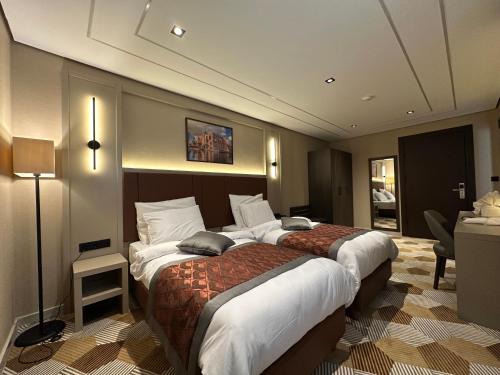


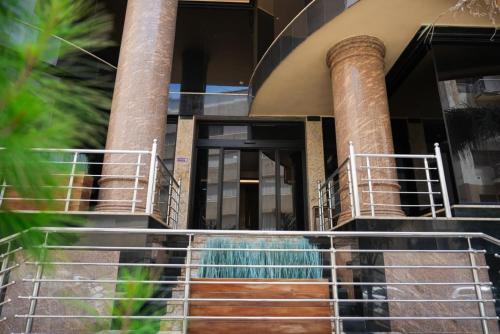

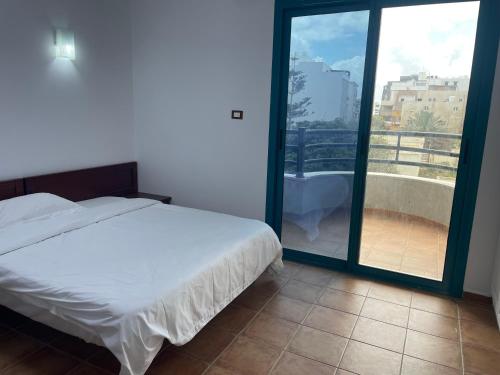
Live rates across our partner network (Booking.com, VRBO, Expedia, Hotels.com) via Stay22. Makutet may earn a commission when you book — at no extra cost to you. Prices update in real time and may vary before booking.
Experience

Guided heritage day
Use Tripolitania as the base for a full guided day among the coastal remains at Leptis Magna or Sabratha. Arrange a qualified guide, transport and site access in advance; allow most of the day for the drive, interpretation and walking. The cooler months are the more comfortable choice for extended outdoor visits.
history enthusiasts · cultural travellers

Guided desert journey
Set out from the Tadrart Acacus area with an experienced local guide and a vehicle suited to desert tracks. Treat this as a multi-day journey rather than a casual excursion: agree the route, overnight arrangements, supplies and transport well ahead, and plan around the cooler part of the year. Remote terrain makes independent improvisation a poor substitute for an organised trip.
adventure travellers · landscape photographers

Guided archaeological drive
Arrange a guided day from Cyrenaica to explore the area around Cyrene and Apollonia, combining inland archaeological remains with the Mediterranean coast. Transport and a guide should be reserved ahead; allow a full day for the route and time on foot. Cooler-season travel is better suited to long outdoor stops than the height of summer.
history enthusiasts · independent travellers

Guided desert excursion
From the Ubari Sand Sea area, book a guided vehicle excursion with the route, driver, provisions and any overnight stay agreed before departure. The sand terrain calls for a properly equipped vehicle and local knowledge; allow at least a full day and consider a longer outing only with arrangements made in advance. Cooler months make time outdoors more manageable.
desert travellers · photographers
Things to do
What Makutet's Libya research recommends, and where the tours that cover it can actually be booked.
Editorial recommendations from Makutet's Libya research. Tickets and tours are searched on GetYourGuide.
Guided coastal archaeology day from Tripolitania
Use Tripolitania as the base for a full guided day among the coastal remains at Leptis Magna or Sabratha. Arrange a qualified guide, transport and site access in advance; allow most of the day for the drive, interpretation and walking. The cooler months are the more comfortable choice for extended outdoor visits.
Tadrart Acacus guided desert drive
Set out from the Tadrart Acacus area with an experienced local guide and a vehicle suited to desert tracks. Treat this as a multi-day journey rather than a casual excursion: agree the route, overnight arrangements, supplies and transport well ahead, and plan around the cooler part of the year. Remote terrain makes independent improvisation a poor substitute for an organised trip.
Cyrenaica archaeological circuit
Arrange a guided day from Cyrenaica to explore the area around Cyrene and Apollonia, combining inland archaeological remains with the Mediterranean coast. Transport and a guide should be reserved ahead; allow a full day for the route and time on foot. Cooler-season travel is better suited to long outdoor stops than the height of summer.
Ubari Sand Sea desert excursion
From the Ubari Sand Sea area, book a guided vehicle excursion with the route, driver, provisions and any overnight stay agreed before departure. The sand terrain calls for a properly equipped vehicle and local knowledge; allow at least a full day and consider a longer outing only with arrangements made in advance. Cooler months make time outdoors more manageable.
Ghadames
A historical oasis city often referred to as the Pearl of the Desert, known for its unique traditional mud-brick architecture.
Ubari Sand Sea
A vast desert region containing numerous salt lakes surrounded by high sand dunes and clusters of palm trees.
Activity cards are editorial — Makutet is not selling these specific experiences. The partner search opens GetYourGuide for Libya, where availability and price are theirs.
Understand
The context that turns a visit into an understanding.

macro_region
The northwestern region of the country, characterized by a Mediterranean climate and coastal plains along the coast.

macro_region
The eastern portion of Libya, known for the Green Mountain plateau and extensive historical archaeological sites.
macro_region
The southwestern interior desert region, which consists largely of vast sand seas, oases, and rugged mountain ranges.

sub_region
A fertile coastal lowland in the northwest that supports the majority of the country's agricultural production.

sub_region
A highland region in the northeast characterized by higher rainfall, evergreen forests, and varied Mediterranean flora.

Food
Couscous is a defining meal to seek out in Libya, often served communally with vegetables and meat. Meals may take time and are a social occasion rather than a quick stop; follow the host’s lead at a shared table and ask what is being served when accepting an invitation.

Drink and hospitality
Tea is part of everyday hospitality across Libya, including in the interior regions of Fezzan and Tripolitania. It is commonly offered as a pause for conversation, so accepting a cup can mean staying a while rather than treating it as a takeaway drink. A modest, patient manner fits the setting.

Customs and etiquette
Libya is socially conservative; modest clothing and a courteous greeting help visitors move comfortably between public spaces and more personal settings. Ask before photographing people, and take cues from local hosts about formality and participation, particularly when visiting communities outside the main coastal areas.

Regional character
Tripolitania links a Mediterranean-facing region with routes into Libya’s interior, so a visit is not simply a sequence of coastal stops. Plan time for overland transfers when combining the coast with places farther inland, and arrange local guidance for site visits rather than assuming that distances and access are straightforward.
When to go
October–November
Autumn
Milder conditions for coast and interior
December–February
Winter
Cooler days, with seasonal variation
March–April
Spring
A useful window before summer heat
June–August
Summer
Intense heat, especially inland
Practical
Money, transport, connectivity and the details that matter on the ground.
budget
Libya’s currency is the Libyan dinar. Do not assume card acceptance: arrange access to cash for everyday purchases and confirm payment methods before committing to transport or accommodation. Budget around the practical costs of getting between the Mediterranean coast and inland regions such as Fezzan; remote travel can also take more planning than a coastal stay.
transport
Libya is the fourth largest country in Africa, and travel between the Mediterranean coast and inland regions such as Fezzan involves substantial distances. Confirm onward transport and arrangements before leaving a base; do not assume that a short road transfer connects coastal places with the interior. Libya drives on the right.
safety
Conditions for travel can differ between Libya’s coastal regions and the interior, including Fezzan. Check current official travel advice and local arrangements before setting out, and confirm that any planned overland journey is feasible before departure. Do not treat a route across the country as a routine self-drive transfer.
connectivity
Arrange mobile connectivity before relying on it for navigation or coordination, and check coverage for the specific parts of Libya you plan to visit. Journeys from the coast towards Fezzan may involve remote stretches; keep essential plans and directions available offline and confirm how you will stay in contact with your accommodation or transport provider.
seasonal weather
Libya has a Mediterranean-influenced north and a much drier Saharan interior. Coastal conditions are generally milder in winter and hotter in summer; inland heat is more demanding in summer, while winter nights in the desert can be cold. Spring and autumn are usually more comfortable for overland travel, especially towards Fezzan and Tadrart Acacus; plan outdoor activity around the day’s heat and check local conditions before travelling.
accessibility and mobility
Expect substantial mobility barriers in Libya: long overland distances, uneven or sandy terrain around places such as Tadrart Acacus, and limited ability to assume step-free access on transport or in accommodation. Pavement conditions and wheelchair or pushchair access may be inconsistent, particularly away from urban areas. Travellers with reduced mobility or an older companion should confirm vehicle access, steps, surfaces and room arrangements directly before booking; remote interior travel can be especially demanding.
Getting around
Airport transfers, rail, buses, ferries and car hire for Libya — arranged before you fly, priced by the supplier.
Stay connected
Install an eSIM before you fly and you are online the moment you land in Libya — no roaming charges, no shop queue at the airport.
Moments
Libya’s story is written across a Mediterranean coast and a vast interior, with distinct regional identities rather than a single landscape or historical register. Tripolitania, Cyrenaica and Fezzan orient the country from west to south-east; the Jafara Plain and Jebel Akhdar add further contrasts. Its heritage places and desert settings call for a journey planned with care and approached as a study of place, not a checklist.
The signature moment
At the edge of the Ubari Sand Sea, the dunes take the light slowly. Their ridges sharpen and soften as the sun lowers; beyond them, the open desert holds a broad, quiet horizon. The air cools against the skin after the day’s heat, and sand shifts with a faint, dry whisper underfoot. There is no need to make the scene busier than it is: pause, watch the colour change, and let the scale of the landscape set the pace. The moment belongs to Fezzan, yet it also gathers Libya’s defining contrasts—the long reach of the interior, the country’s immense space, and the other life of its Mediterranean north. To stand here is to understand that the coast is only one part of the country, and that distance between regions is not an empty interval but a defining feature of the journey.
The story behind it
Libya’s heritage is layered across regions that have long connected the Mediterranean shore with the desert interior. Leptis Magna and Sabratha preserve the material presence of ancient coastal cities, while Cyrene and Apollonia speak to the distinct historical character of Cyrenaica. Inland, Ghadames and Tadrart Acacus offer very different encounters with settlement and landscape. These places should not be collapsed into a single, uninterrupted story: they belong to varied settings and inheritances. A respectful account makes room for complexity, including difficult chapters, without claiming a simple founding narrative or reducing Libya’s past to its surviving monuments.
Before you go
Libya rewards attention to transitions: from Mediterranean-facing regions to Fezzan, from the Jafara Plain to Jebel Akhdar, and from ancient coastal remains to desert country. Allow each setting its own pace rather than expecting one journey to explain them all. The most durable impression may be a quiet one: a changing line of light, the scale of the land, or the realisation that Libya’s regions hold distinct stories. Travel with patience, and let the landscape speak before drawing conclusions.
Three regional names
Tripolitania, Cyrenaica and Fezzan are among Libya’s named geographic regions, a reminder that the country’s identity is not confined to its Mediterranean coast.
Coast and interior
Libya borders the Mediterranean Sea to the north, yet its verified signature and must-see places extend from coastal heritage to the desert settings of Tadrart Acacus and the Ubari Sand Sea.
October–April
Cooler-season travel
The cooler part of the year is generally more comfortable for visiting Libya’s coast and interior. Even then, distances between Tripolitania, Cyrenaica and Fezzan make careful routing and locally informed arrangements important.
May and September
Shoulder-season flexibility
These transition months can bring mixed conditions, particularly when a route links the Mediterranean regions with the hotter interior. Keep plans flexible and seek current local guidance before committing to long overland legs.
June–August
Peak summer heat
Summer heat is especially challenging away from the coast, including in Fezzan and around the Ubari Sand Sea. Avoid treating this as a routine sightseeing window; any travel then needs careful timing, preparation and reliable local advice.
FAQ
The named regions include Tripolitania, Cyrenaica and Fezzan, as well as the Jafara Plain and Jebel Akhdar.
Yes. Libya is in North Africa and borders the Mediterranean Sea to the north.
Libya borders Egypt, Sudan, Chad, Niger, Algeria and Tunisia.
Allow for long distances, confirm transport and local conditions ahead, and avoid treating an inland journey as a routine short transfer.
The north has Mediterranean-influenced conditions, while the interior is much drier and more strongly affected by desert heat and cold nights.
Confirm step-free access, vehicle arrangements and ground surfaces with providers; sandy terrain and long overland distances can make interior travel demanding.
Before you go
The last thing most travellers forget — and the disclosure that applies to every partner link on this page.
Booking and rate checks run on the partner's own site; prices and availability are theirs and can change. Some links are affiliate links and Makutet may earn a commission at no extra cost to you. See our affiliate disclosure.
Makutet builds a day-by-day itinerary around the places above — then keeps it updated as you travel.
Country guide: /country/libya
Your assessment works without optional tracking. Necessary storage keeps your trip and privacy choice. Embedded flight search includes TravelPayouts tracking; ordinary partner links remain available if you decline.
Cookie policy · Privacy policy. Reopen Cookie settings to change your choice. Supplier-site cookies are controlled by that supplier.