
urban center
Beirut
The capital and largest city of Lebanon, located on a peninsula on the Mediterranean coast.

middle-east
On the eastern shore of the Mediterranean, Lebanon brings a compact coastline into close conversation with mountain country and the Beqaa Valley. Its character is read in the changing terrain, from Beirut and Byblos to the Cedars of God and Baalbek.
The country
The country
Lebanon occupies the eastern shore of the Mediterranean in Western Asia, bordered by Syria to the north and east and Israel to the south. Its short coastal reach and mountain interior create a strikingly varied geography: Beirut and Byblos face the sea, while Mount Lebanon, the Beqaa Valley, the Chouf District and Baalbek-Hermel lead inland towards forests, valleys and high ground.
Why visit
Lebanon is a country to read through its changes of landscape and scale. The Mediterranean shore gives way quickly to the mountain spine of Mount Lebanon; beyond it, the Beqaa Valley opens into a different interior, while the Chouf District and Baalbek-Hermel bring their own contrasts of terrain and heritage. A journey can begin in Beirut, continue through the coastal character of Byblos or Batroun, and turn towards the Cedars of God or the Qadisha Valley, with the country’s geography continually reshaping the view. Its appeal lies in that close juxtaposition rather than in a single defining scene. The sea, mountain country and inland valley belong to one compact national landscape, yet each asks for a different pace of attention. Lebanon’s named places hold both natural and historical weight: the limestone chambers of Jeita Grotto, the monumental remains at Baalbek, the ancient coastal setting of Byblos and the southern maritime history of Tyre all offer distinct ways into the country. Beirut, meanwhile, provides an urban point of orientation between coast and interior. Travellers who value cultural context alongside scenery will find that the routes between places matter as much as the destinations. Lebanon rewards a measured itinerary, allowing time for the terrain to change and for the country’s varied layers to come into focus.
What it feels like
The atmosphere shifts with the land: Mediterranean openness along the coast, cooler mountain air in Mount Lebanon, and the broad inland character of the Beqaa Valley. Beirut brings the energy of a capital; elsewhere, historic sites and natural formations invite a quieter, more attentive pace. The result is a country of close contrasts rather than one uniform mood.
Who it suits
Lebanon suits travellers who are comfortable planning around changing terrain and want history, culture and landscape in the same journey. It is especially rewarding for those willing to move between Beirut and the coast, the mountain regions and inland places such as Baalbek, rather than treating the country as a single-city visit.
How to get here
Live fares into Lebanon across hundreds of airlines, compared in one search. Book directly with the airline or agent — Makutet never adds a fee.
Live fares to Lebanon across hundreds of airlines. Book directly with the airline or agent — no extra cost to you.
Embedded flight search uses TravelPayouts cookies and tracking. Enable partner search to load it here, or continue directly on the partner site.
The external partner link includes Makutet's affiliate marker; confirm your route, dates and passengers there. No booking is made on Makutet.
Live search and booking run on the TravelPayouts partner engine. Fares update in real time and may vary before booking. Any prices shown elsewhere on Makutet are monitored observations, not live quotes.
Identity
The places that define the country rather than merely sit inside it.
urban center
The capital and largest city of Lebanon, located on a peninsula on the Mediterranean coast.

archaeological site
An ancient city in the Beqaa Valley home to some of the best-preserved Roman temple ruins in the world.

heritage site
A historic Mediterranean city recognized for its ancient harbor and archaeological sites dating back to the Neolithic era.

cave system
A large system of two interconnected karstic limestone caves located in the Nahr al-Kalb valley.
Imagery


Discover

natural reserve
One of the last remnants of the extensive cedar forests that once thrived across Mount Lebanon, protected as a site of national importance.

historic site
A coastal city in southern Lebanon featuring extensive ancient ruins, including a Roman hippodrome and archaeological remnants of the Phoenician era.

coastal town
A historic coastal town known for its preserved Phoenician wall and its traditional stone architecture along the Mediterranean.

valley
A deep, rugged valley that served as a refuge for monastic communities, containing numerous historic churches and caves carved into the cliffs.
Stay
The bases that actually change the trip.

City hotel
A Beirut base makes coastal arrivals and onward journeys easier to organise, with urban services close at hand. Choose it for a short stay or as a starting point for day trips; allow for city traffic when arranging transfers, and reserve ahead in busy summer periods.
first-time visitors · urban explorers

Guesthouse
Staying in Byblos puts the coast and the town’s historic setting within reach on foot, but the sea-facing location does not remove the need to plan transfers for inland journeys. It suits a slower coastal stay in spring or autumn; check access and room facilities directly before booking.
couples · history-minded travellers

Mountain lodge
A lodge in Mount Lebanon offers a cooler mountain base than the coast in summer, but reaching it means arranging a road transfer and allowing for winding, slower routes. It works well for walkers using the area as a base; confirm seasonal opening, vehicle access and walking distances before booking.
walkers · travellers seeking a mountain base

Rural guesthouse
Choose a rural guesthouse in the Beqaa Valley for an inland stay close to the valley’s agricultural landscape and onward routes towards Baalbek. A car or pre-arranged transfer is useful, and this base is less convenient for spontaneous coastal visits; check meals, transport and seasonal availability in advance.
slow travellers · food and wine travellers
Where to stay
Live rates across Booking.com, Agoda, VRBO and Expedia for Lebanon. Compare the areas above, then check what a night actually costs.
Popular destinations
Live rates across Booking.com, Agoda, VRBO and Expedia for Lebanon — no extra cost to you.


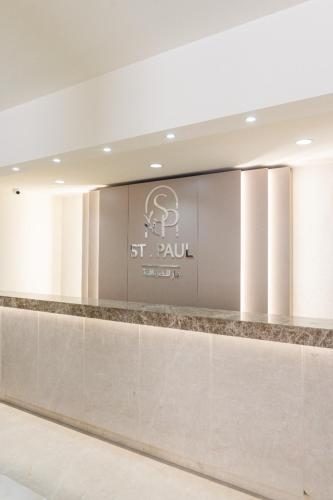


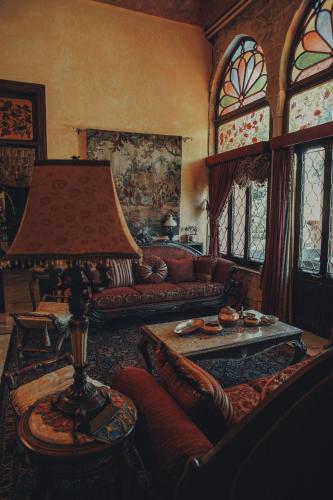
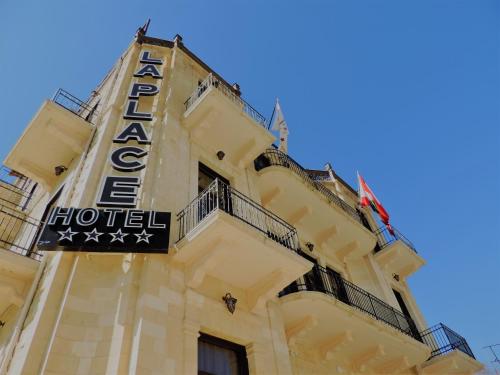
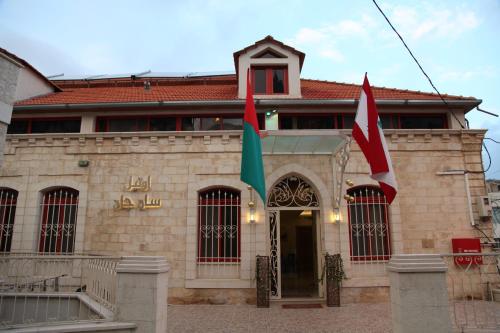
Live rates across our partner network (Booking.com, VRBO, Expedia, Hotels.com) via Stay22. Makutet may earn a commission when you book — at no extra cost to you. Prices update in real time and may vary before booking.
Experience

Guided day trip
Start in the Beqaa Valley for a full-day, driver-led circuit through the valley’s vineyards and agricultural landscape. Arrange a local guide and any winery visits ahead; spring and autumn are generally more comfortable for a long inland day than high summer.
food and wine travellers · independent couples

Walking
Take a guided day walk in the Qadisha Valley, allowing a full day for the valley’s steep paths and uneven ground. Use a locally organised transfer from Mount Lebanon or Beirut, and reserve the guide and transport in advance; spring and autumn suit walking better than the hottest summer days.
hikers · landscape photographers

Coastal drive
Book a driver or guided day that follows the Mediterranean coast from Beirut to Byblos, with time to explore the historic town before returning. Allow most of a day, confirm the route and any guided visit beforehand, and expect summer coastal traffic to make timings less predictable.
first-time visitors · history-minded travellers

Guided heritage day
Arrange a guided day based in Baalbek, with a return transfer planned from Beirut or the Beqaa Valley. Set aside most of the day for travel and interpretation, and confirm access, guide availability and transport before setting out; spring and autumn bring more moderate conditions for an inland visit.
history enthusiasts · culturally curious travellers
Things to do
What Makutet's Lebanon research recommends, and where the tours that cover it can actually be booked.
Editorial recommendations from Makutet's Lebanon research. Tickets and tours are searched on GetYourGuide.
Beqaa Valley wine-country drive
Start in the Beqaa Valley for a full-day, driver-led circuit through the valley’s vineyards and agricultural landscape. Arrange a local guide and any winery visits ahead; spring and autumn are generally more comfortable for a long inland day than high summer.
Qadisha Valley guided walking day
Take a guided day walk in the Qadisha Valley, allowing a full day for the valley’s steep paths and uneven ground. Use a locally organised transfer from Mount Lebanon or Beirut, and reserve the guide and transport in advance; spring and autumn suit walking better than the hottest summer days.
Beirut-to-Byblos coastal drive
Book a driver or guided day that follows the Mediterranean coast from Beirut to Byblos, with time to explore the historic town before returning. Allow most of a day, confirm the route and any guided visit beforehand, and expect summer coastal traffic to make timings less predictable.
Baalbek heritage day with a local guide
Arrange a guided day based in Baalbek, with a return transfer planned from Beirut or the Beqaa Valley. Set aside most of the day for travel and interpretation, and confirm access, guide availability and transport before setting out; spring and autumn bring more moderate conditions for an inland visit.
Cedars of God
One of the last remnants of the extensive cedar forests that once thrived across Mount Lebanon, protected as a site of national importance.
Tyre
A coastal city in southern Lebanon featuring extensive ancient ruins, including a Roman hippodrome and archaeological remnants of the Phoenician era.
Activity cards are editorial — Makutet is not selling these specific experiences. The partner search opens GetYourGuide for Lebanon, where availability and price are theirs.
Understand
The context that turns a visit into an understanding.

macro_region
A prominent mountain range that runs parallel to the Mediterranean coast, dividing the coastal plain from the interior valleys.

macro_region
An expansive, fertile valley located between the Mount Lebanon and Anti-Lebanon mountain ranges in the eastern part of the country.

sub_region
A mountainous region in the southern part of Mount Lebanon, known for its historic villages and preservation of traditional architecture.

sub_region
The northern section of the Beqaa Valley, recognized for its significant historical ruins and agricultural output.

Food culture
Lebanese mezze is a table of small dishes shared across the meal rather than a single plated course. In Beirut and Byblos, ask how dishes are served and paced; ordering for the table makes it easier to sample several preparations together.

Food
Manakish is a familiar Lebanese flatbread, commonly topped with za’atar or cheese and eaten warm. It is a practical breakfast or light meal before a day on the coast or a longer inland drive from Beirut towards the Beqaa Valley.

Drink
Arak, an anise-flavoured spirit, is traditionally served with water and food, often alongside a shared meal. It is an alcoholic drink, so ask for a non-alcoholic alternative if preferred; customs and availability vary by venue in Beirut and elsewhere.

Customs
Lebanese coffee is often offered as part of hospitality and may be served in small cups. Accepting or declining politely is straightforward; when visiting homes or guesthouses around Mount Lebanon or the Chouf District, follow the host’s lead rather than assuming the same routine everywhere.

Neighbourhood character
Beirut is a dense, active city where the character of a day can change between neighbourhoods and the seafront. Plan meeting points clearly and allow time for road traffic; a short map distance does not necessarily make a cross-city journey quick.
When to go
April–June
Spring
Mild conditions for coast and mountain
September–October
Autumn
A comfortable season for regional travel
July–August
High summer
Hotter inland, humid on the coast
December–February
Winter
Cool, wetter conditions; mountain weather varies
Practical
Money, transport, connectivity and the details that matter on the ground.
Budget
Lebanon’s currency is the Lebanese pound. Card acceptance can be inconsistent, so carry cash for small purchases, local transport and places outside the larger urban centres, and check the exchange and payment terms before a transaction. A traveller’s main costs are usually accommodation, private transfers or car hire, meals and guided days; Beirut and coastal stays can demand more than rural bases in the Beqaa Valley or Mount Lebanon, while summer is a busier period. Do not assume a card will cover every part of a trip.
Transport
Road travel connects Beirut with the coast, Mount Lebanon and the Beqaa Valley, but traffic and mountain routes make journey times variable. Shared and local transport may not suit every itinerary, so arrange a driver or hire a car for planned days to Baalbek or the Qadisha Valley. In Lebanon traffic keeps to the right; confirm routes and return transport before leaving an urban base.
Safety
Conditions can change, particularly near Lebanon’s borders with Syria and Israel. Check current official travel advice and local guidance before travel and again before any onward road journey; do not treat a route or border-area visit as routine. Keep documents secure, agree transfers in advance and ask accommodation staff about current local conditions.
Connectivity
Mobile coverage and data availability can differ between Beirut, the coast and mountain or valley areas. Check whether your handset supports an eSIM before departure, and keep offline maps and accommodation details for drives into Mount Lebanon, the Chouf District or the Beqaa Valley. Tap-water quality is not consistent enough to assume it is potable everywhere; ask locally or use sealed drinking water.
Seasonal weather
Lebanon has a Mediterranean coastal climate: summers are generally hot and dry, while winters are cooler and wetter, with snow possible in the mountains. June to September is typically the driest coastal period, but inland heat can make long days in the Beqaa Valley tiring. Spring and autumn are often the most balanced seasons for combining Beirut, the coast and mountain walks; winter weather can disrupt mountain access, so check conditions before travelling to Mount Lebanon or the Qadisha Valley.
Accessibility and mobility
Travellers using a wheelchair, pushchair or walking aid should expect substantial access limitations in Lebanon. Uneven pavements, kerbs, steps, steep terrain and variable building access are common obstacles; mountain areas such as Mount Lebanon and the Qadisha Valley are particularly difficult to navigate. Public transport and vehicles may not be adapted, so arrange an accessible transfer and confirm step-free entry, lift access, bathroom layout and door widths directly with accommodation before booking. Beirut may offer more services, but accessible routes cannot be assumed.
Getting around
Airport transfers, rail, buses, ferries and car hire for Lebanon — arranged before you fly, priced by the supplier.
Stay connected
Install an eSIM before you fly and you are online the moment you land in Lebanon — no roaming charges, no shop queue at the airport.
Moments
Lebanon’s story is written across a narrow meeting of sea, mountain and inland plain. Its places do not form a single, simple chronology: coastal settlements, religious landscapes and monumental remains speak to different periods and communities, while the modern country carries the legacies of political conflict and social change. To travel here is to encounter those layers side by side.
The signature moment
In the Qadisha Valley, the first light finds the folds of the mountain before it reaches the deeper ravine. From a path above the valley, the eye follows a steep descent through rock and trees; below, the land narrows into shadow. The air feels cooler than the open coast, and the quiet is broken by the small, close sounds of movement on the path and wind among the slopes. There is no need to hurry towards a viewpoint: the changing light itself gives the scene its measure. The valley’s religious heritage is present not as a label but as a human imprint on a difficult landscape, where shelter, solitude and passage belong together. This moment contains something of Lebanon as a whole. The mountain is close to the Mediterranean, yet it offers a different climate and pace; a short shift in terrain changes what the traveller sees and hears. From here, Beirut and the coast feel part of the same country, but not the same world. Lebanon’s defining experience is that continual adjustment of perspective, as sea, mountain and inland country come into relation.
The story behind it
Lebanon’s heritage is neither singular nor untouched by conflict. Its Mediterranean coast has long connected communities to maritime exchange, while places such as Byblos and Tyre preserve evidence of deep histories of settlement and contact. Inland, Baalbek is associated with monumental remains, and the Qadisha Valley with a long religious and cultural presence in the mountain landscape. These inheritances sit within a modern national history shaped by political contest, periods of violence and continuing social complexity. A responsible account holds both the richness of Lebanon’s cultural record and the difficulty of its more recent past in view, without reducing the country to either its ancient remains or its conflicts.
Before you go
Let the journey take its shape from the land. A coastal beginning in Beirut or Byblos can lead towards Mount Lebanon and the Qadisha Valley, then across into the Beqaa Valley and Baalbek-Hermel. Each transition changes the frame without erasing what came before. Lebanon is best approached with attention rather than haste. Leave room for the differences between its places, and for the complicated histories they carry. The country’s measure is not one view, but the conversation between them.
A close geography
Lebanon lies on the eastern Mediterranean shore, with Mount Lebanon, the Beqaa Valley and the coast gathered within one national landscape.
Mountain heritage
The Qadisha Valley is among Lebanon’s defining places, while the Cedars of God express another aspect of the country’s mountain landscape.
April–June
Spring in the hills
Spring generally brings mild conditions suited to combining Beirut and the coastal places with excursions towards Mount Lebanon, the Chouf District and the Qadisha Valley. Allow for cooler air as you gain height.
September–October
Autumn journeys
Autumn is a strong period for moving between the Mediterranean coast and inland places such as the Beqaa Valley and Baalbek. The season’s milder temperatures make longer days of regional travel more comfortable.
July–August
High summer
Summer brings heat, especially in the Beqaa Valley and other inland areas, while the coast can be humid. Schedule exposed travel and site visits for cooler parts of the day, and expect mountain conditions to differ from the shore.
FAQ
Spring and autumn usually offer the most balanced conditions for combining Beirut, the coast and inland regions. Summers are hot and dry, while winter is cooler and wetter, with possible mountain snow.
Plan road transfers in advance and allow flexible journey times. Traffic and mountain routes can slow travel between Beirut, the Beqaa Valley, Baalbek and Mount Lebanon.
Walking routes can be steep and uneven. A local guide and pre-arranged transport are sensible, particularly if you are unfamiliar with the valley or travelling outside settled areas.
The currency is the Lebanese pound. Carry cash for small purchases and local transport because card acceptance can be inconsistent; confirm payment terms before transactions.
Access can be challenging: pavements, terrain, transport and accommodation are not consistently adapted. Confirm step-free access and vehicle arrangements directly before booking.
Tap-water quality is not consistent enough to assume it is potable everywhere. Ask locally or choose sealed drinking water.
Traffic keeps to the right. Urban congestion and winding mountain roads require careful planning, and a driver or pre-arranged transfer may be more practical for inland day trips.
Before you go
The last thing most travellers forget — and the disclosure that applies to every partner link on this page.
Booking and rate checks run on the partner's own site; prices and availability are theirs and can change. Some links are affiliate links and Makutet may earn a commission at no extra cost to you. See our affiliate disclosure.
Makutet builds a day-by-day itinerary around the places above — then keeps it updated as you travel.
Country guide: /country/lebanon
Your assessment works without optional tracking. Necessary storage keeps your trip and privacy choice. Embedded flight search includes TravelPayouts tracking; ordinary partner links remain available if you decline.
Cookie policy · Privacy policy. Reopen Cookie settings to change your choice. Supplier-site cookies are controlled by that supplier.