
Urban
Kuwait City
The capital and primary urban center, situated on the shore of Kuwait Bay and serving as the political and economic hub.

middle-east
At the head of the Persian Gulf, Kuwait brings coastline, desert interior and island horizons into close reach. Its character is read through Kuwait City, the Gulf shore and the places that preserve the country’s layered past.
The country
The country
Kuwait occupies the northeastern corner of the Arabian Peninsula, where the land meets the head of the Persian Gulf. Its geography sets a clear frame for travel: a coastal plain gives way to interior desert, while Kuwait City, Failaka Island and the country’s historic and civic landmarks offer distinct ways to encounter its present and past.
Why visit
Kuwait rewards a traveller who pays attention to the meeting of land, sea and urban life. At the head of the Persian Gulf, the country’s coastal plain and interior desert are not distant abstractions: they form the setting for a compact journey between Kuwait City, the shore and the island landscape of Failaka. The contrast is central to understanding the place. In the capital, the Kuwait Towers and Grand Mosque of Kuwait express different dimensions of contemporary civic identity; the Kuwait National Museum offers a point of entry into the country’s heritage. Away from the city, Boubyan Island and the wider coastal edge bring attention back to the Gulf, while Jal Al-Zor National Park and the open interior reveal a more expansive terrain. Al-Qurain House adds a more intimate historical anchor to that itinerary. These places do not need to be treated as a checklist. They make more sense as parts of a country whose geography has always shaped how people orient themselves: between coast and desert, mainland and island, urban centre and open horizon. Kuwait suits visitors who want to connect those elements rather than pursue a long sequence of attractions. Time spent observing the city, learning from its museums and landmarks, and allowing the landscape to change around the journey gives a more complete impression than rushing from one site to another. The result is a measured encounter with a Gulf country whose scale is legible through its contrasts.
What it feels like
Kuwait’s atmosphere shifts between the brightness and movement of the Gulf-facing city and the spare, open character of the desert interior. In Kuwait City, civic landmarks sit within an urban rhythm; beyond it, the horizon broadens towards Al Jahra Governorate and the coastal reaches. The setting is shaped by heat, light and the proximity of the sea, with quieter moments found in museums, historic places and the landscape beyond the centre.
Who it suits
Kuwait suits culturally curious travellers who value cities, heritage and geography in equal measure. It is particularly rewarding for visitors comfortable planning around hot weather and travelling between urban landmarks, coastal areas and the interior rather than expecting a resort-centred itinerary.
How to get here
Live fares into Kuwait across hundreds of airlines, compared in one search. Book directly with the airline or agent — Makutet never adds a fee.
Live fares to Kuwait across hundreds of airlines. Book directly with the airline or agent — no extra cost to you.
Embedded flight search uses TravelPayouts cookies and tracking. Enable partner search to load it here, or continue directly on the partner site.
The external partner link includes Makutet's affiliate marker; confirm your route, dates and passengers there. No booking is made on Makutet.
Live search and booking run on the TravelPayouts partner engine. Fares update in real time and may vary before booking. Any prices shown elsewhere on Makutet are monitored observations, not live quotes.
Identity
The places that define the country rather than merely sit inside it.
Urban
The capital and primary urban center, situated on the shore of Kuwait Bay and serving as the political and economic hub.

Architecture
A group of three distinct towers located on the coast that serve as a landmark symbol of the nation's modernization.

Cultural
The largest state mosque in the country, known for its Islamic architectural style and capacity to accommodate thousands of worshippers.

History
A historical island located in the Persian Gulf containing archaeological sites dating back to the Dilmun civilization.
Imagery


Discover

Ecology
The largest island in Kuwait, primarily a protected nature reserve featuring salt marshes and significant bird habitats.

Museum
A historic residence preserved as a national museum to commemorate the events and resistance during the 1990 occupation.

Nature
An area featuring a distinctive escarpment overlooking the northern coast of Kuwait Bay, providing views of the desert and sea.

Museum
A cultural institution housing collections of Islamic art, traditional heritage items, and historical artifacts from the region.
Stay
The bases that actually change the trip.

Hotel
A Kuwait City hotel makes the most practical base for the Kuwait Towers, Grand Mosque of Kuwait and city services. Reach sights by taxi or pre-arranged transfer; this reduces dependence on long walks between districts. It works year-round, though outdoor sightseeing is more comfortable in the cooler months.
first-time visitors · business travellers

Serviced apartment
A serviced apartment in Kuwait City suits longer stays and travellers who want room to organise meals and daily routines. Arrange an address close to the places you expect to visit and use taxis or a hired car for cross-city journeys; summer heat makes reliance on pavement walking particularly demanding.
long-stay visitors · families

Hotel
Staying in Al Ahmadi Governorate places you south of Kuwait City and changes the trip into a drive-based visit rather than a walkable city break. Confirm transfers or car hire before arrival, especially if Kuwait City visits are planned; the cooler season is better suited to time outdoors.
regional explorers · self-drive travellers

Hotel
Accommodation in Al Jahra Governorate offers a base towards the country's western interior, with journeys to Kuwait City and the coast requiring road transport. Book a vehicle or dependable transfers in advance and allow extra travel time; cooler months make regional outings more manageable.
regional travellers · road-trip visitors
Where to stay
Live rates across Booking.com, Agoda, VRBO and Expedia for Kuwait. Compare the areas above, then check what a night actually costs.
Popular destinations
Live rates across Booking.com, Agoda, VRBO and Expedia for Kuwait — no extra cost to you.
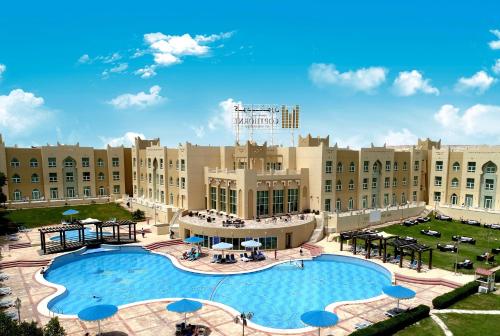

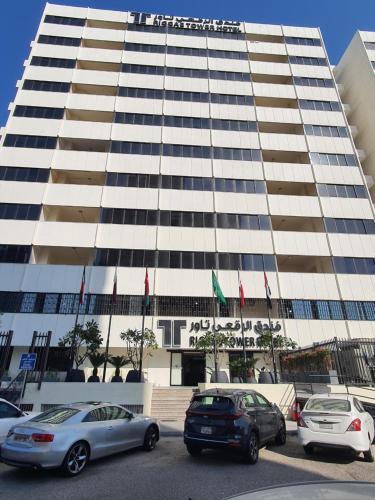
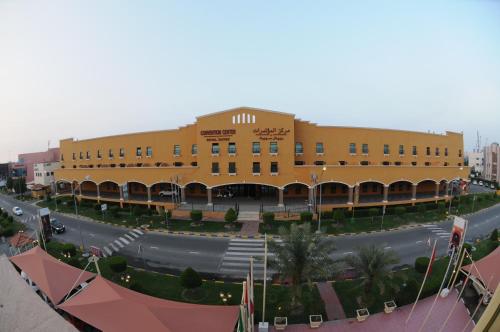

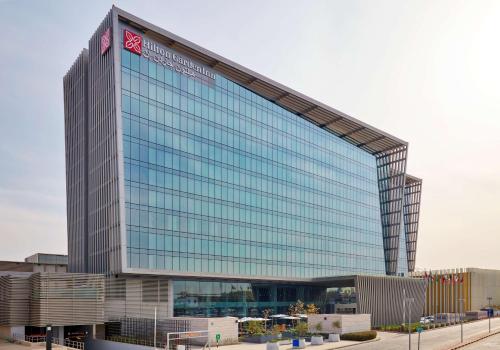
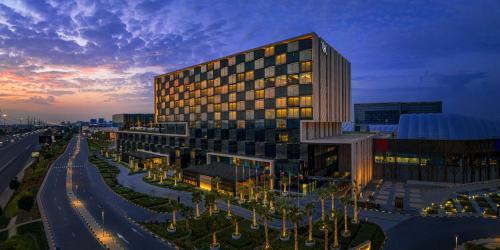

Live rates across our partner network (Booking.com, VRBO, Expedia, Hotels.com) via Stay22. Makutet may earn a commission when you book — at no extra cost to you. Prices update in real time and may vary before booking.
Experience

Guided drive
Begin in Kuwait City and follow a guided road itinerary towards the Coastal Plain, with time for city orientation and views towards the Persian Gulf. Allow a half-day; arrange a licensed guide and vehicle ahead, particularly for cooler-season departures.
first-time visitors · photographers

Guided island day
Travel from the mainland to Failaka Island for a guided day focused on its island setting and recorded heritage. Treat it as a full-day outing: confirm the boat crossing, operating arrangements and guide in advance, and favour the cooler months for time outdoors.
history-minded travellers · island explorers

Desert drive
Take a guided four-wheel-drive outing from the settled areas towards the Interior Desert, with the route and stops agreed before departure. Plan a half-day or longer, go in the cooler part of the year, and reserve a driver who can manage desert conditions rather than attempting an improvised self-drive.
landscape travellers · small groups

Guided city walk
Explore Kuwait City on a guided walk linking the Kuwait Towers and Grand Mosque of Kuwait, with a guide setting out the city's contemporary and religious context. Allow several hours; arrange access and any mosque visit ahead, and choose a cooler-season morning for walking.
architecture enthusiasts · cultural travellers
Things to do
What Makutet's Kuwait research recommends, and where the tours that cover it can actually be booked.
Editorial recommendations from Makutet's Kuwait research. Tickets and tours are searched on GetYourGuide.
Kuwait City and coastal orientation drive
Begin in Kuwait City and follow a guided road itinerary towards the Coastal Plain, with time for city orientation and views towards the Persian Gulf. Allow a half-day; arrange a licensed guide and vehicle ahead, particularly for cooler-season departures.
Failaka Island heritage day
Travel from the mainland to Failaka Island for a guided day focused on its island setting and recorded heritage. Treat it as a full-day outing: confirm the boat crossing, operating arrangements and guide in advance, and favour the cooler months for time outdoors.
Interior Desert landscape drive
Take a guided four-wheel-drive outing from the settled areas towards the Interior Desert, with the route and stops agreed before departure. Plan a half-day or longer, go in the cooler part of the year, and reserve a driver who can manage desert conditions rather than attempting an improvised self-drive.
Kuwait City architecture and civic landmarks walk
Explore Kuwait City on a guided walk linking the Kuwait Towers and Grand Mosque of Kuwait, with a guide setting out the city's contemporary and religious context. Allow several hours; arrange access and any mosque visit ahead, and choose a cooler-season morning for walking.
Boubyan Island
The largest island in Kuwait, primarily a protected nature reserve featuring salt marshes and significant bird habitats.
Al-Qurain House
A historic residence preserved as a national museum to commemorate the events and resistance during the 1990 occupation.
Activity cards are editorial — Makutet is not selling these specific experiences. The partner search opens GetYourGuide for Kuwait, where availability and price are theirs.
Understand
The context that turns a visit into an understanding.

macro_region
The eastern portion of the country bordering the Persian Gulf, characterized by low-lying terrain and several islands.

macro_region
The western and central regions consisting of flat, arid sandy plains that extend into the broader Arabian Desert.

sub_region
A significant region in the south that contains major oil production infrastructure and coastal residential zones.

sub_region
The largest administrative division covering the western desert territories and the northern coastal marshlands.

Food
Machboos is a spiced rice dish commonly associated with Gulf dining, often served with meat or fish. In Kuwait, look for it on local menus as a substantial meal rather than assuming every restaurant prepares it in the same style.

Hospitality
Arabic coffee served with dates is a familiar expression of hospitality in Kuwait. Accepting a small serving is a simple way to take part in the custom; coffee is typically poured in modest cups and offered during visits and gatherings.

Social tradition
A diwaniya is a social gathering hosted in a dedicated reception space, with conversation and hospitality at its centre. It is a private social custom rather than a visitor attraction, so an invitation is the appropriate way to experience one.

Place character
Kuwait City sits at the head of the Persian Gulf, where the urban shoreline and inland districts are connected by road. The Kuwait Towers provide a recognisable coastal reference point, while journeys away from the shore quickly become a car-based experience.
When to go
November–March
Cool season
The most comfortable period for outdoor exploration
April
Spring transition
Plan around warming days
May–September
Hot summer
Heat narrows the outdoor day
October
Autumn transition
A gradual return to outdoor travel
Practical
Money, transport, connectivity and the details that matter on the ground.
Budget
Kuwait uses the Kuwaiti dinar. Cards are widely useful in established shops, hotels and restaurants, while cash remains handy for smaller purchases and informal transactions. Much of a visitor's spend goes on accommodation, meals and taxis or car hire; a Kuwait City base can reduce transfer costs, while island crossings and longer drives add time and transport expense. Expect demand for air-conditioned accommodation and transport to matter most in the hot season.
Transport
Kuwait is a road-oriented destination: use taxis, arranged transfers or car hire to connect Kuwait City with Al Ahmadi Governorate, Al Jahra Governorate and the Interior Desert. Traffic and distances make walking between sights impractical in many areas. Drive on the right; arrange the crossing to Failaka Island separately, as it is not a road journey.
Safety
Kuwait is generally a stable destination, but take ordinary precautions with valuables and road travel, particularly on longer desert routes. Respect local standards of dress and conduct, and check visiting arrangements before entering the Grand Mosque of Kuwait. The emergency number is 112.
Connectivity
Mobile coverage is strongest around Kuwait City and settled areas; check roaming or arrange a local eSIM before relying on data for navigation beyond the urban area. Kuwait uses type G plugs and 240-volt electricity. Tap water is treated, though many visitors choose bottled water; tipping is appreciated for good service but is not obligatory.
Seasonal weather
Kuwait has very hot, dry summers, with the most demanding heat generally from June through September; outdoor walks and desert drives are best limited then. Winter, from December through February, is mild and the most comfortable period for the Coastal Plain, Kuwait City and island outings, though evenings can be cool. Spring and autumn are transitional, with heat building in spring and easing in autumn; plan outdoor time for mornings and carry water.
Accessibility and mobility
A traveller using a wheelchair, pushchair or mobility aid should plan Kuwait as a vehicle-based destination. Major hotels and newer buildings may offer step-free access, but provision varies; confirm room access, lifts and bathroom details directly before booking. Pavements can be uneven or interrupted, crossings and outdoor sites may lack continuous accessible routes, and summer heat compounds the effort. Arrange door-to-door transfers and check access at the Kuwait Towers, Grand Mosque of Kuwait and any island transport before setting out.
Getting around
Airport transfers, rail, buses, ferries and car hire for Kuwait — arranged before you fly, priced by the supplier.
Stay connected
Install an eSIM before you fly and you are online the moment you land in Kuwait — no roaming charges, no shop queue at the airport.
Moments
Kuwait is best approached through its geography before its itinerary: the Persian Gulf at the country’s northern end, the coastal plain, and a desert interior that changes the scale of what the eye can hold. Its landmarks then give that setting human and historical dimensions, from Kuwait City’s public architecture to places that preserve memory.
The signature moment
At the edge of the day in Kuwait City, stand where the Kuwait Towers rise against the Gulf light. The city’s surfaces hold the last brightness; beyond them, the water opens the view and the air carries the warmth of the day into evening. Listen for the ordinary sounds of the capital continuing around you, rather than expecting the scene to fall silent. If you pause for a drink or a small taste of local food nearby, the moment becomes bodily as well as visual: warmth on the skin, salt in the air, and the gradual relief of cooler hours. Stay long enough to notice how the towers are not isolated from their setting. They belong to a city facing the sea, in a country where the coast and the interior are always in conversation. That is why this scene holds more than a familiar landmark. It brings together Kuwait’s public identity, its Gulf geography and the practical rhythm of living with intense heat. The desert is not visible in every glance, but it shapes the sense of distance beyond the urban edge; the sea, by contrast, is present as an open horizon. In this single pause, Kuwait becomes legible as both a capital and a landscape, neither one reducible to the other.
The story behind it
Kuwait’s heritage is encountered through places rather than a single, uncomplicated narrative. The Kuwait National Museum provides a setting for interpreting the country’s past, while Al-Qurain House offers a more particular point of contact with its history. The Grand Mosque of Kuwait speaks to the continuing place of religion in public life; the Kuwait Towers belong to the country’s civic image. Read together, these sites suggest a history shaped by the Gulf, by settlement and exchange, and by the demands of a changing society. A responsible visit should allow room for the difficult parts of that history as well as its public symbols, without reducing either to a simple story of progress.
Before you go
Let Kuwait’s contrasts set the pace. Begin with the public life of Kuwait City, then make room for the coast, the open interior and the places that hold historical memory. A journey shaped this way is less about collecting sights than learning how the country’s geography connects them. When you leave, the image that remains may be a changing horizon rather than a single landmark: the Gulf beside the city, or the desert opening beyond it. Kuwait’s character emerges in that passage between edges, and in the attention given to the places along the way.
A country of contrasts
Kuwait’s recorded regions include both the Coastal Plain and Interior Desert, placing shore and open arid landscape within the same national frame.
Island and mainland
Failaka Island is one of Kuwait’s signature identity places, while Boubyan Island is among its must-see places—two named anchors for understanding the country’s island geography.
November–March
Best for exploring
The cooler season is generally the most comfortable time to explore Kuwait City, visit outdoor landmarks and make excursions towards the coast or interior. Keep the day flexible, since conditions can still vary.
April and October
Shoulder-season planning
These transition months can suit visitors who balance outdoor visits with indoor stops such as the Kuwait National Museum. Plan exposed sightseeing for the cooler parts of the day and check local conditions before travelling.
May–September
Limit midday exposure
Kuwait’s hot summer makes prolonged outdoor sightseeing difficult, especially across open coastal and desert terrain. Concentrate on indoor visits and early or later hours; avoid building a full itinerary around midday walks.
FAQ
December to February is generally the mildest period for city walks, coastal outings and time outdoors.
Use taxis, transfers or a hire car for most journeys; Failaka Island requires a separately arranged boat crossing.
A day outing is feasible, but confirm the crossing, operating arrangements and any guide in advance.
The currency is the Kuwaiti dinar. Cards are useful in established businesses, with cash handy for smaller transactions.
Kuwait's June-to-September heat makes extended outdoor activity difficult; plan desert drives for the cooler months.
Arrange door-to-door transport and confirm step-free access with accommodation and excursion providers; pavements and outdoor routes can be uneven or interrupted.
Before you go
The last thing most travellers forget — and the disclosure that applies to every partner link on this page.
Booking and rate checks run on the partner's own site; prices and availability are theirs and can change. Some links are affiliate links and Makutet may earn a commission at no extra cost to you. See our affiliate disclosure.
Makutet builds a day-by-day itinerary around the places above — then keeps it updated as you travel.
Country guide: /country/kuwait
Your assessment works without optional tracking. Necessary storage keeps your trip and privacy choice. Embedded flight search includes TravelPayouts tracking; ordinary partner links remain available if you decline.
Cookie policy · Privacy policy. Reopen Cookie settings to change your choice. Supplier-site cookies are controlled by that supplier.