
urban
Dublin
The capital city located at the mouth of the River Liffey, serving as the cultural and political hub of the country.

europe
Ireland is an Atlantic island shaped by weather, layered histories and the close meeting of coast and interior. Dublin, the western headlands and the landscapes of Leinster, Munster and Kerry offer distinct ways into its character.
The country
The country
Set in the North Atlantic, Ireland lies west of Great Britain and is an island shared between the Republic of Ireland, which occupies most of it, and Northern Ireland, which is part of the United Kingdom. Its character is read in contrasts: Dublin and the western edge, inland regions and exposed coast, settled ground and island outposts.
Why visit
Ireland rewards travel that follows its geography rather than treating the island as a single landscape. Begin with Dublin, where the country’s urban life offers a point of entry, then look west: the Cliffs of Moher place the Atlantic directly before you, while the Burren presents a markedly different limestone country nearby. The shift from city to coast is not simply a change of scenery. It brings the weather, the scale of the land and the experience of movement into focus. The named regions offer further ways to understand that variety. Leinster and Munster frame distinct parts of the island, while County Wicklow and County Kerry give the journey a more particular regional grain. The Ring of Kerry makes the relationship between road and coast part of the experience; Connemara National Park invites attention to an inland landscape; Skellig Michael and the Giant’s Causeway point towards the island’s wider, exposed edges. These places are not interchangeable stops, and a thoughtful itinerary leaves time for the conditions that shape each day. History, too, is present as more than a sequence of monuments. The Rock of Cashel stands among the country’s defining places, while the shared island geography makes the political distinction between the Republic of Ireland and Northern Ireland essential context. Ireland suits travellers prepared to connect landscape with history, accept changeable Atlantic weather and allow a route to unfold at a measured pace. Its appeal lies in that combination: a compact island setting, strong regional distinctions and the sense that the coast is never far from the interior.
What it feels like
Atlantic weather gives Ireland an immediate sensory presence: wind and passing rain can alter the view, while brighter intervals sharpen the contrast between open coast and inland ground. The atmosphere changes with the setting, from Dublin’s city life to the exposed edge at the Cliffs of Moher, the distinctive terrain of the Burren and the more remote feeling of Skellig Michael. Cultural and historical context is close at hand, but the landscape remains an active part of the day rather than a backdrop.
Who it suits
Ireland suits travellers who want to combine a city stay in Dublin with regional journeys through Leinster, Munster, County Wicklow or County Kerry. It is particularly rewarding for those interested in history and landscape, and for visitors willing to plan around changeable weather, allow time between coastal and inland stops, and treat island sites such as Skellig Michael as journeys requiring practical preparation.
How to get here
Live fares into Ireland across hundreds of airlines, compared in one search. Book directly with the airline or agent — Makutet never adds a fee.
Live fares to Ireland across hundreds of airlines. Book directly with the airline or agent — no extra cost to you.
Embedded flight search uses TravelPayouts cookies and tracking. Enable partner search to load it here, or continue directly on the partner site.
The external partner link includes Makutet's affiliate marker; confirm your route, dates and passengers there. No booking is made on Makutet.
Live search and booking run on the TravelPayouts partner engine. Fares update in real time and may vary before booking. Any prices shown elsewhere on Makutet are monitored observations, not live quotes.
Identity
The places that define the country rather than merely sit inside it.
urban
The capital city located at the mouth of the River Liffey, serving as the cultural and political hub of the country.

nature
Vertical sea cliffs rising over 120 meters above the Atlantic Ocean, located on the southwestern edge of the Burren region.

nature
A unique karst landscape composed of limestone pavement located in County Clare in the west of Ireland.

heritage
A historic site in County Tipperary containing a collection of medieval ecclesiastical buildings and structures.
Imagery


Discover

scenic route
A circular tourist route in County Kerry that spans approximately 179 kilometers through coastal and mountain landscapes.

nature
An area of approximately 40,000 interlocking basalt columns located on the north coast of County Antrim.

national park
A protected area in County Galway featuring mountains, expansive bogs, heaths, and grasslands.

heritage
A steep rocky island situated off the Iveragh Peninsula containing a 6th-century monastic settlement.
Stay
The bases that actually change the trip.

Guesthouse
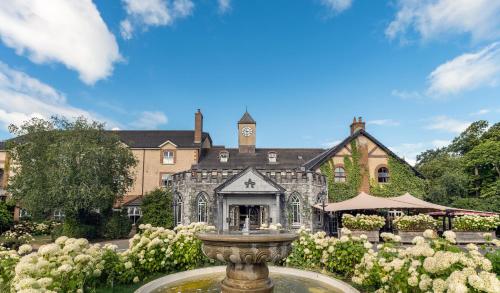
Choose a Dublin guesthouse for walkable access to the city’s cultural life and onward transport connections. It suits visits in any season, though summer demand makes advance reservation prudent; staying centrally reduces the need to plan every local journey around a car.
city explorers · independent travellers

Bed and breakfast
A County Kerry bed and breakfast gives an early start for the Ring of Kerry and a quieter base after a day on the road. Spring to early autumn is the easiest period for long scenic days; a car or pre-arranged transport is usually needed, and rural locations can add time to evening journeys.
self-drive travellers · couples

Country house
A country-house stay in County Wicklow trades immediate urban access for a rural setting and a slower pace. It works particularly well in the milder walking months; plan the transfer from Dublin and local transport before booking, as countryside accommodation may not be convenient for guests without a car.
slow travellers · walkers

Inn
Staying near the Cliffs of Moher makes an early or late visit more practical and avoids returning to Dublin after a coastal day. The exposed coast is rewarding in spring and summer but remains weather-sensitive; reserve ahead in the busier season and check how you will reach the inn without a car.
coastal travellers · photographers
Where to stay
Live rates across Booking.com, Agoda, VRBO and Expedia for Ireland. Compare the areas above, then check what a night actually costs.
Popular destinations
Live rates across Booking.com, Agoda, VRBO and Expedia for Ireland — no extra cost to you.
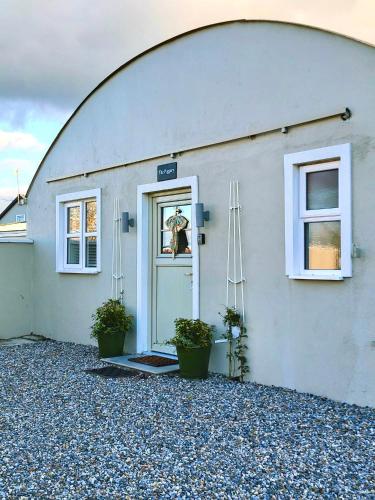


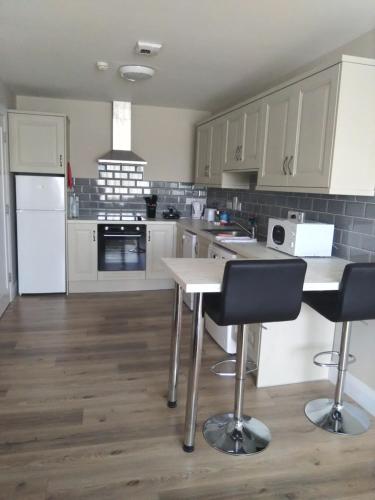

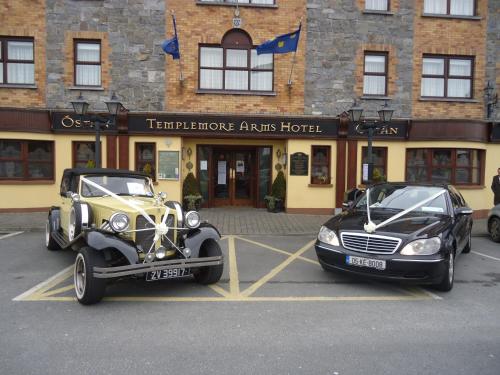
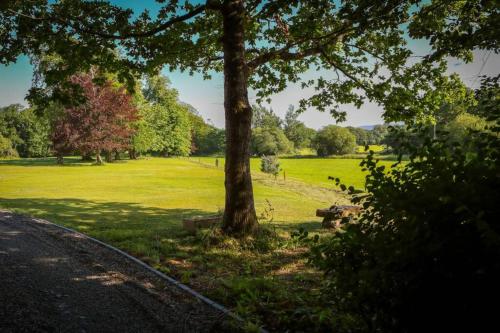
Live rates across our partner network (Booking.com, VRBO, Expedia, Hotels.com) via Stay22. Makutet may earn a commission when you book — at no extra cost to you. Prices update in real time and may vary before booking.
Experience

Scenic drive
Start in County Kerry and allow a full day for the circular drive, with stops chosen along the route rather than a rushed circuit. It is most comfortable from late spring through early autumn; reserve any guided driving day or vehicle well ahead for summer, and check local road conditions before setting out.
self-drive travellers · landscape photographers

Guided walk
Join a guided walk beginning at the Cliffs of Moher and follow the exposed coastal paths at a measured pace. Allow several hours, dress for wind and rain in any season, and reserve a guided outing ahead, particularly for summer dates when conditions and daylight shape the day.
walkers · nature-focused travellers

Guided city walk
Explore Dublin on a guided walking day that connects the city’s historic character with its contemporary cultural life. Set aside half a day; spring through autumn generally offers the most forgiving walking conditions, and booking a guide ahead is sensible for a particular date or specialist focus.
culture-minded travellers · first-time visitors

Hiking
Use Connemara National Park as the starting point for a day outdoors, choosing a route to suit the group and the weather. Allow half a day or longer, bring waterproof layers in every season, and arrange a guide or transport in advance if you need a fixed start and return.
hikers · outdoor travellers
Things to do
What Makutet's Ireland research recommends, and where the tours that cover it can actually be booked.
Editorial recommendations from Makutet's Ireland research. Tickets and tours are searched on GetYourGuide.
Ring of Kerry self-drive
Start in County Kerry and allow a full day for the circular drive, with stops chosen along the route rather than a rushed circuit. It is most comfortable from late spring through early autumn; reserve any guided driving day or vehicle well ahead for summer, and check local road conditions before setting out.
Cliffs of Moher guided coastal walk
Join a guided walk beginning at the Cliffs of Moher and follow the exposed coastal paths at a measured pace. Allow several hours, dress for wind and rain in any season, and reserve a guided outing ahead, particularly for summer dates when conditions and daylight shape the day.
Dublin history and culture walking day
Explore Dublin on a guided walking day that connects the city’s historic character with its contemporary cultural life. Set aside half a day; spring through autumn generally offers the most forgiving walking conditions, and booking a guide ahead is sensible for a particular date or specialist focus.
Connemara National Park hiking day
Use Connemara National Park as the starting point for a day outdoors, choosing a route to suit the group and the weather. Allow half a day or longer, bring waterproof layers in every season, and arrange a guide or transport in advance if you need a fixed start and return.
Ring of Kerry
A circular tourist route in County Kerry that spans approximately 179 kilometers through coastal and mountain landscapes.
Giant's Causeway
An area of approximately 40,000 interlocking basalt columns located on the north coast of County Antrim.
Activity cards are editorial — Makutet is not selling these specific experiences. The partner search opens GetYourGuide for Ireland, where availability and price are theirs.
Understand
The context that turns a visit into an understanding.

macro_region
Located in the eastern part of the island, this province includes the capital city and serves as the primary economic and administrative center.

macro_region
Situated in the southwestern region, this province is characterized by its rugged coastline, major mountain ranges, and significant agricultural activity.

sub_region
A region known for its extensive mountainous terrain and proximity to the eastern coast of Ireland.

sub_region
A peninsular region in the southwest featuring some of the highest mountain peaks and coastal scenery in the country.

Food
Irish stew and soda bread are familiar staples of the country’s food culture: look for hearty, plainly prepared meals and bread served alongside them, particularly in traditional dining settings across Dublin, Munster and Leinster.

Custom
Tea is part of everyday hospitality in Ireland. In a guesthouse or rural B&B, accepting a cup can be as much a moment of welcome as a pause between journeys through County Kerry or County Wicklow.

Music
Traditional Irish music is often encountered as a live, communal session rather than a formal concert. Ask locally in Dublin or in towns visited on a route through Munster; session times and settings vary, so check on the day rather than assuming a fixed schedule.

Drink
Stout and Irish whiskey are prominent parts of Ireland’s drinking culture. In Dublin, a guided tasting can explain how each is made and served; reserve a hosted visit ahead when you need a particular date, and do not assume a tasting is included with general sightseeing.

Culture
Dublin’s cultural identity is closely associated with literature and public storytelling. A walking tour offers context for the city’s streets and writing traditions; allow time to explore on foot and check the route’s accessibility before booking.
When to go
May–June
Late spring
Longer days and generally milder conditions
July–August
Summer
More daylight, but no guarantee of dry skies
September–October
Early autumn
Quieter pace with unsettled spells
November–February
Winter
Short daylight and wetter conditions
Practical
Money, transport, connectivity and the details that matter on the ground.
Budget
The currency in the Republic of Ireland is the euro; Northern Ireland uses pound sterling. Cards are widely used, but keep some cash for small rural purchases or places that do not take cards, and check the currency before paying across the border. Accommodation, meals and transport take a substantial share of a trip budget; Dublin and peak summer travel can cost materially more than a rural stay or shoulder-season visit.
Transport
Rail and bus services connect major centres, while a car gives more flexibility for County Kerry, County Wicklow and the coast. Drive on the left. Rural roads can be narrow and journeys slower than their map distance suggests; plan fuel, parking and a return route before setting off, especially when visiting the Cliffs of Moher or Connemara National Park.
Safety
Ireland is generally straightforward to travel around, but coastal weather can change quickly: keep back from exposed edges at the Cliffs of Moher and follow local warnings. The emergency number is 112 or 999. Tap water is safe to drink, and tipping is not obligatory; leave a modest amount for good restaurant service if you wish.
Connectivity
Mobile coverage is generally stronger in cities and towns than in remote coastal and rural areas, so download maps before driving through County Kerry or Connemara. Ireland uses Type G plugs; bring a suitable adaptor and check roaming or eSIM arrangements before travel, particularly if your itinerary crosses into Northern Ireland.
Seasonal weather
Ireland has a mild, changeable maritime climate, with rain possible in every season. May to September generally brings longer daylight and the most practical conditions for coastal walks and scenic drives, but showers and wind remain possible; winter days are shorter and can disrupt exposed routes. Pack waterproof layers year-round, and keep plans flexible around the Cliffs of Moher and the Ring of Kerry.
Accessibility and mobility
Expect uneven pavements, kerbs and historic surfaces in Dublin, as well as narrow rural roads and exposed, sometimes steep terrain around the coast and Connemara. Public transport accessibility and step-free access vary by vehicle, station and property; confirm details directly before booking. A wheelchair, pushchair or older companion may need a city-centred base, accessible transfers and accommodation with verified step-free rooms, rather than relying on rural walks or older buildings to be accessible.
Getting around
Airport transfers, rail, buses, ferries and car hire for Ireland — arranged before you fly, priced by the supplier.
Stay connected
Install an eSIM before you fly and you are online the moment you land in Ireland — no roaming charges, no shop queue at the airport.
Moments
To travel through Ireland is to feel the Atlantic as a presence, not a distant boundary. The island’s regions and named places bring city, coast and interior into close relation, while the distinction between the Republic of Ireland and Northern Ireland gives its geography an essential political context. The story is best approached with attention to both land and history.
The signature moment
At the Cliffs of Moher, give the Atlantic your attention before reaching for a camera. The edge is open to wind; salt air reaches the face, and a passing shower can soften the distance before the light returns. Below, the sea moves against the foot of the cliffs, its sound rising and falling beneath the wind. There is no taste that belongs only to this hour, but the air is sharp and damp, and the ground underfoot asks for care. Pause long enough to notice how quickly visibility changes: a coastline that seemed clearly drawn can dissolve into grey, then return in fragments. That alternation is not an interruption of the experience; it is part of it. The cliffs hold Ireland’s defining tension in view: an island with a strong inland life, yet continually shaped by its ocean boundary. From here, the country is not a checklist of landmarks but a relationship between weather, terrain and human scale. The same Atlantic that makes this place feel exposed also connects it to the wider island story, from Dublin and the regions to the more remote prospect of Skellig Michael.
The story behind it
Ireland’s heritage is shaped by long histories of settlement, cultural change and political division. The island today comprises the Republic of Ireland, occupying the majority of its land, and Northern Ireland, which is part of the United Kingdom; that arrangement is central to understanding the country’s modern geography. Places such as the Rock of Cashel carry visible associations with Ireland’s past, but no single monument can stand for the whole story. A neutral reading acknowledges that heritage includes contested and difficult histories as well as enduring cultural traditions, and avoids reducing them to a simple narrative of continuity or consensus.
Before you go
Let the last part of an Irish journey be unhurried. After the Atlantic edge, return inland with time to register how the landscape changes; after Dublin, allow the country’s regional character to come into view rather than trying to cover everything at once. Ireland is most legible when its contrasts are allowed to remain contrasts: city and coast, open weather and shelter, shared geography and distinct political realities. A considered route leaves room for all of them.
One shared island
Ireland is an island nation in the North Atlantic, but its land is divided between the Republic of Ireland and Northern Ireland, which is part of the United Kingdom.
Coast and interior
Ireland’s named highlights range from the Atlantic-facing Cliffs of Moher and Skellig Michael to inland settings such as Connemara National Park and the Burren.
May–June
Longer days, changeable skies
Late spring and early summer generally bring longer daylight and milder conditions for combining Dublin with the coast. Keep waterproof layers close: Atlantic showers remain possible, especially on exposed routes such as the Cliffs of Moher.
July–August
Peak summer, mixed weather
Summer is a workable period for travelling between Leinster, Munster and County Kerry, with longer days supporting road journeys. Weather remains changeable rather than reliably dry, and popular coastal or island visits should be planned with access and conditions in mind.
November–February
Short days and unsettled conditions
The darker, wetter part of the year can make long coastal drives and exposed stops less comfortable, with daylight in shorter supply. Choose a Dublin-led itinerary or keep the route flexible, and check local conditions before setting out for places such as Skellig Michael.
FAQ
The Republic of Ireland uses the euro; Northern Ireland uses pound sterling. Check which side of the border you are on before paying.
May to September usually offers longer days for the Cliffs of Moher and the Ring of Kerry, but wind and rain remain possible.
A car offers flexibility for the Ring of Kerry, though guided driving days and transport options can be arranged; allow a full day for the route.
Traffic drives on the left in Ireland. Rural roads can be narrow, so allow extra time and plan stops before setting out.
Tap water is safe to drink in Ireland. Carry a reusable bottle, particularly when travelling between rural stops.
Pack waterproof layers in every season. Conditions can change quickly, especially on exposed routes near the Cliffs of Moher and in Connemara.
Coverage is generally better in towns than remote countryside. Download maps before travelling through County Kerry or Connemara.
Before you go
The last thing most travellers forget — and the disclosure that applies to every partner link on this page.
Booking and rate checks run on the partner's own site; prices and availability are theirs and can change. Some links are affiliate links and Makutet may earn a commission at no extra cost to you. See our affiliate disclosure.
Makutet builds a day-by-day itinerary around the places above — then keeps it updated as you travel.
Country guide: /country/ireland
Your assessment works without optional tracking. Necessary storage keeps your trip and privacy choice. Embedded flight search includes TravelPayouts tracking; ordinary partner links remain available if you decline.
Cookie policy · Privacy policy. Reopen Cookie settings to change your choice. Supplier-site cookies are controlled by that supplier.