
urban
Budapest
The capital city of Hungary, split by the Danube River and noted for its significant 19th-century urban architecture.

europe
Hungary’s broad plains and inland waters meet a Central European capital shaped by the Danube and centuries of changing rule. Its identity is as much rural as urban, extending from the Great Hungarian Plain to Lake Balaton and the Tokaj Wine Region.
The country
The country
Landlocked in the Pannonian Basin, Hungary sits at the centre of Central Europe, bordered by Austria, Slovakia, Romania, Serbia, Croatia and Slovenia. Much of the country is level, with the Great Hungarian Plain giving way to Transdanubia, Lake Balaton and the landscapes of Kiskunsag. Budapest, the Hungarian Parliament Building and Buda Castle offer a prominent urban frame, while Eger, Pecs, Aggtelek Karst, Tokaj Wine Region and Hortobagy National Park point towards a wider, varied country.
Why visit
Hungary rewards a journey that moves between capital and plain rather than treating Budapest as the whole story. The city concentrates national life in a striking setting: the Hungarian Parliament Building and Buda Castle mark different sides of its history, while the wider country opens into a landscape shaped by the Pannonian Basin. Across the Great Hungarian Plain, the horizon is broad and the terrain largely flat; Transdanubia offers a different regional frame, and Lake Balaton brings inland water into a country without a coastline. These contrasts make distance and landscape legible: a traveller can understand Hungary not only through its capital, but through the regions that surround it. The named places each suggest a different emphasis. Hortobagy National Park gives the plain a natural and cultural centre of gravity; Aggtelek Karst draws attention to a more sculpted landscape; Eger and Pecs offer historic urban settings beyond Budapest. Tokaj Wine Region adds a connection between place and food culture. None of these experiences needs to be reduced to a checklist. Together they make a coherent itinerary, moving from the capital’s built heritage to regional towns, open country and lake edge. Hungary suits travellers who want a strong sense of national character without relying on a single landscape: the country’s identity emerges through the changes between its flat interior, inland waters, historic places and living capital.
What it feels like
Budapest’s monumental architecture gives way to the spacious, often quiet scale of the Great Hungarian Plain. In Lake Balaton and Transdanubia, water and rolling regional landscapes soften that openness; in places such as Eger and Pecs, historic streets and buildings bring the journey back to human scale. Hungarian food and wine culture are part of the country’s everyday texture, with Tokaj Wine Region an especially clear point of reference.
Who it suits
Hungary suits travellers who enjoy combining a culturally rich capital with regional history, open landscapes and inland-water scenery. It is particularly rewarding for those prepared to leave Budapest for places such as Eger, Pecs, Hortobagy National Park, Aggtelek Karst and Tokaj Wine Region.
How to get here
Live fares into Hungary across hundreds of airlines, compared in one search. Book directly with the airline or agent — Makutet never adds a fee.
Live fares to Hungary across hundreds of airlines. Book directly with the airline or agent — no extra cost to you.
Embedded flight search uses TravelPayouts cookies and tracking. Enable partner search to load it here, or continue directly on the partner site.
The external partner link includes Makutet's affiliate marker; confirm your route, dates and passengers there. No booking is made on Makutet.
Live search and booking run on the TravelPayouts partner engine. Fares update in real time and may vary before booking. Any prices shown elsewhere on Makutet are monitored observations, not live quotes.
Identity
The places that define the country rather than merely sit inside it.
urban
The capital city of Hungary, split by the Danube River and noted for its significant 19th-century urban architecture.

monument
A prominent neo-Gothic landmark located on the bank of the Danube River in Budapest, serving as the seat of the National Assembly.

cultural
A historical castle and palace complex in Budapest that historically served as the residence of the Hungarian kings.

nature
A protected area on the Great Hungarian Plain representing an ancient steppe habitat and a UNESCO World Heritage site.
Imagery


Discover

cultural
A historical city in northern Hungary known for its medieval castle, thermal baths, and local wine production.

geography
A region in northeastern Hungary featuring an extensive network of caves and karst formations, including Baradla Cave.

cultural
A city located in southern Hungary with a long history featuring Roman ruins and early Christian burial sites.

gastronomy
A world-renowned viticultural area in northeastern Hungary recognized for the production of sweet dessert wines.
Stay
The bases that actually change the trip.

Guesthouse
A Budapest guesthouse keeps urban sights and services close, with onward travel possible by public transport or taxi. It suits year-round visits, though summer heat and busy periods make advance booking sensible; expect stairs or older building layouts to affect access in some properties.
city explorers · independent travellers

Self-catering apartment
Staying around Lake Balaton makes swimming and sailing easier to reach on foot or by local transport, but access to other parts of Hungary takes additional journey planning. It is most useful in the warmer months; book ahead for summer, and check whether the apartment has stairs and reliable step-free access.
families · longer-stay travellers

Rural guesthouse
A rural guesthouse on the Great Hungarian Plain offers a quieter base for countryside outings, but reaching activities usually requires advance coordination and may be easier with a car. Spring and autumn suit outdoor plans; confirm transfer options, meal arrangements and accessibility before booking.
slow travellers · nature travellers

Wine-country guesthouse
A small guesthouse in the Tokaj Wine Region works well for tastings when you arrange local transport rather than relying on being able to walk between every stop. Spring through autumn suits vineyard visits; reserve the room and tastings ahead, and check access details for older buildings.
wine travellers · couples
Where to stay
Live rates across Booking.com, Agoda, VRBO and Expedia for Hungary. Compare the areas above, then check what a night actually costs.
Popular destinations
Live rates across Booking.com, Agoda, VRBO and Expedia for Hungary — no extra cost to you.

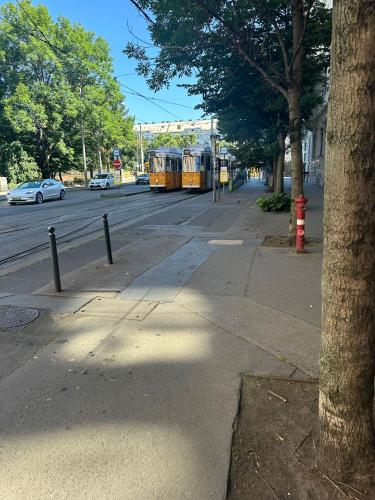


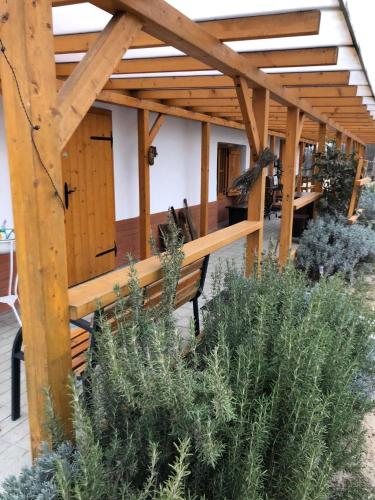


Live rates across our partner network (Booking.com, VRBO, Expedia, Hotels.com) via Stay22. Makutet may earn a commission when you book — at no extra cost to you. Prices update in real time and may vary before booking.
Experience

Guided outdoor activity
Arrange a guided ride from the Great Hungarian Plain, allowing half a day or a full day for the riding and transfer to the meeting point. Riding is most comfortable in spring and autumn; reserve a guide and suitable horse in advance, especially for a longer outing.
active travellers · horse-riding enthusiasts

Guided nature experience
Use Hortobagy National Park as the base for a guided half-day or full-day nature outing, with the route and pace set by the season and conditions. Spring and autumn are generally comfortable for time outdoors; arrange a guide and any transport to the starting point ahead of time.
nature travellers · photographers

Water activity
Take a reserved sailing lesson on Lake Balaton, typically planned as a half-day on the water with instruction suited to your experience. The sailing season is centred on the warmer months; book the instructor and boat ahead, and allow time to reach the lakeside departure point.
active travellers · families

Food and drink experience
Plan a guided tasting visit in the Tokaj Wine Region, allowing several hours for the tasting and travel between the meeting point and vineyards. Visits are most straightforward outside the coldest part of winter; reserve a tasting and transport in advance, particularly if combining multiple stops.
food and wine travellers · culture seekers
Things to do
What Makutet's Hungary research recommends, and where the tours that cover it can actually be booked.
Editorial recommendations from Makutet's Hungary research. Tickets and tours are searched on GetYourGuide.
Great Hungarian Plain horse-riding day
Arrange a guided ride from the Great Hungarian Plain, allowing half a day or a full day for the riding and transfer to the meeting point. Riding is most comfortable in spring and autumn; reserve a guide and suitable horse in advance, especially for a longer outing.
Hortobagy National Park guided wildlife outing
Use Hortobagy National Park as the base for a guided half-day or full-day nature outing, with the route and pace set by the season and conditions. Spring and autumn are generally comfortable for time outdoors; arrange a guide and any transport to the starting point ahead of time.
Lake Balaton sailing lesson
Take a reserved sailing lesson on Lake Balaton, typically planned as a half-day on the water with instruction suited to your experience. The sailing season is centred on the warmer months; book the instructor and boat ahead, and allow time to reach the lakeside departure point.
Tokaj Wine Region tasting visit
Plan a guided tasting visit in the Tokaj Wine Region, allowing several hours for the tasting and travel between the meeting point and vineyards. Visits are most straightforward outside the coldest part of winter; reserve a tasting and transport in advance, particularly if combining multiple stops.
Eger
A historical city in northern Hungary known for its medieval castle, thermal baths, and local wine production.
Aggtelek Karst
A region in northeastern Hungary featuring an extensive network of caves and karst formations, including Baradla Cave.
Activity cards are editorial — Makutet is not selling these specific experiences. The partner search opens GetYourGuide for Hungary, where availability and price are theirs.
Understand
The context that turns a visit into an understanding.

macro_region
An extensive lowland region covering the southeastern portion of the country, characterized by flat agricultural land.

macro_region
The western region of Hungary situated west of the Danube River, featuring diverse terrain including hills and low mountains.

sub_region
A large freshwater lake located in Transdanubia that serves as a major regional tourism and recreational hub.

sub_region
A sandy, characteristic area of the Great Hungarian Plain known for its unique flora and protected national park landscapes.

Food
Goulash is a paprika-seasoned soup associated with Hungarian cooking; expect it as a substantial meal rather than assuming every version is the same. Ask about ingredients and portion style when ordering, particularly if you are planning a long day around Budapest or the Great Hungarian Plain.

Drink
The Tokaj Wine Region is Hungary’s best-known named wine area in this itinerary. A tasting is more informative when you ask how the wines differ in sweetness and style, and arrange transport before sampling rather than planning to drive afterwards.

Culture and customs
Bathing is part of urban leisure in Hungary, particularly in Budapest, where thermal-water bathing is a social as well as restorative activity. Check bathing rules and what to bring before visiting, and allow time to change rather than treating a bath visit as a brief sightseeing stop.

Urban character
Budapest is commonly understood through its distinct Buda and Pest sides: Buda Castle anchors the historic hilltop setting, while the city’s broader urban life extends beyond it. Plan time for the terrain change between the castle area and flatter streets, especially if walking with limited mobility.
When to go
May–June
Late spring
Mild weather for city and region
September–October
Early autumn
Cooler days and regional travel
July–August
High summer
Warm, sometimes hot conditions
December–February
Winter
Cold and shorter daylight
Practical
Money, transport, connectivity and the details that matter on the ground.
Budget
Hungary uses the forint. Cards are widely useful in Budapest and other towns, but carry some cash for smaller rural purchases and services on the Great Hungarian Plain. Spending tends to rise with central Budapest accommodation and summer demand around Lake Balaton; wine tastings and private transfers in Tokaj also add to a day’s cost.
Transport
Rail and bus connections link major towns, while a car can make rural areas such as the Great Hungarian Plain and parts of Tokaj easier to reach. Hungary drives on the right. Check onward transport before booking a rural stay, and allow for extra time when combining Budapest with Lake Balaton or Hortobagy National Park.
Safety
Hungary’s emergency number is 112. Keep normal urban awareness in busy parts of Budapest and take care on uneven streets around Buda Castle; in rural areas, plan return transport before heading out. Tap water is generally safe to drink, and tipping is customary for good service, so check whether a service charge is already included.
Connectivity
Mobile coverage is generally strongest in Budapest and larger towns; check your provider’s roaming terms or arrange an eSIM before travelling into rural parts of the Great Hungarian Plain. Hungary uses European-style Type C and F plugs, so bring a compatible adapter if your devices use another plug type.
Seasonal weather
Hungary has cold winters and warm to hot summers, with spring and autumn often more comfortable for walking and countryside outings. Summer heat can shape plans in Budapest and on Lake Balaton; winter brings colder conditions and shorter outdoor days. Pack for changeable spring and autumn weather, and plan shade and water breaks in summer.
Accessibility and mobility
Budapest’s historic streets, slopes around Buda Castle and older building stock can make step-free travel difficult; pavements may be uneven, and not every guesthouse has a lift or accessible bathroom. Flat areas such as the Great Hungarian Plain are easier on terrain, but rural transport and accessible facilities can be limited. Confirm step-free routes, vehicle access and room details directly before booking, especially with a wheelchair, pushchair or older companion.
Getting around
Airport transfers, rail, buses, ferries and car hire for Hungary — arranged before you fly, priced by the supplier.
Stay connected
Install an eSIM before you fly and you are online the moment you land in Hungary — no roaming charges, no shop queue at the airport.
Moments
Hungary’s story is easiest to read as a relationship between place and passage. The Pannonian Basin gives the country a broad, largely level interior; Budapest gathers political and cultural weight, while historic towns, protected landscapes and Lake Balaton extend the view beyond the capital. Moving between them reveals a country that is neither only city nor only plain.
The signature moment
At the edge of evening on the Great Hungarian Plain, the land seems to extend further than the eye can settle. The horizon is low and unbroken; grasses shift in the breeze, and the sounds that carry are small ones—wind across open ground, birds calling, the faint activity of a lived-in landscape. There is space to notice the air cooling and the light thinning, rather than rushing from one landmark to another. The plain’s quiet can feel almost austere, but it is not empty: its scale makes human presence and the work of inhabiting this country easier to imagine. That is the moment when Hungary broadens beyond Budapest. The capital’s monumental buildings and dense history still matter, but they belong to a country whose character is also formed by open terrain, regional places and the long, level reach of the Pannonian Basin. On the Great Hungarian Plain, that relationship becomes physical: the distance is visible, the quiet is tangible, and the country’s geography is no longer background but the experience itself.
The story behind it
Hungary’s position in the Pannonian Basin has made it a meeting ground for movement across Central Europe, and its history cannot be told as a simple, uninterrupted national story. Its towns, architecture and cultural institutions bear the marks of successive periods of rule and political change, alongside the persistence of a distinct Hungarian language and identity. Budapest’s Hungarian Parliament Building and Buda Castle make that layered public history visible, while Eger and Pecs offer other historic settings. A careful account leaves room for both achievement and hardship: the country’s heritage includes contested power, shifting borders and difficult episodes, not merely a sequence of monuments. Today, regional places such as Hortobagy National Park, Tokaj Wine Region and the Great Hungarian Plain also remind visitors that Hungary’s identity is rooted in landscape and livelihoods as well as state and city.
Before you go
A journey through Hungary can end without resolving its contrasts. Budapest’s architecture, the level reach of the Great Hungarian Plain and the inward-facing shore of Lake Balaton remain distinct impressions, connected by the country’s position in the Pannonian Basin. Leave room for a regional stop after the capital. Eger, Pecs or Tokaj Wine Region can change the scale of the journey, while Hortobagy National Park returns attention to the open country. The result is not a single image of Hungary, but a more complete one.
Inland water
Hungary is landlocked, yet Lake Balaton gives its landscape a major inland-water setting alongside the broad plains of the Pannonian Basin.
A basin country
The Great Hungarian Plain is part of a country characterised by the Pannonian Basin, whose largely flat terrain shapes the way Hungary is encountered.
May–June, September
Comfortable exploration
Late spring and early autumn are generally well suited to combining Budapest with regional journeys to the Great Hungarian Plain, Eger or Lake Balaton, before summer heat or winter cold becomes more pronounced.
July–August
Summer heat
Summer can bring hot conditions across Hungary, especially in the low-lying Great Hungarian Plain. Arrange outdoor visits for cooler parts of the day and allow for shade and breaks when exploring Budapest or Hortobagy National Park.
December–February
Cold season
Winter is colder and days are shorter, making outdoor time on the Great Hungarian Plain or around Lake Balaton less comfortable. Prioritise indoor cultural visits in Budapest and check conditions before regional travel.
FAQ
Hungary uses the forint. Cards are practical in towns, but keep cash for some smaller rural purchases.
Spring and autumn are often comfortable for walking; summer is warm to hot, while winter is cold.
Tap water is generally safe to drink. Carry a refillable bottle for outings in Budapest and the countryside.
Not always, but a car or pre-arranged transfer makes rural outings easier; check connections before booking.
Slopes around Buda Castle, uneven pavements and older buildings can be obstacles. Confirm step-free access directly.
Yes. Reserve the tasting and plan transport in advance, especially if visiting more than one stop.
Before you go
The last thing most travellers forget — and the disclosure that applies to every partner link on this page.
Booking and rate checks run on the partner's own site; prices and availability are theirs and can change. Some links are affiliate links and Makutet may earn a commission at no extra cost to you. See our affiliate disclosure.
Makutet builds a day-by-day itinerary around the places above — then keeps it updated as you travel.
Country guide: /country/hungary
Your assessment works without optional tracking. Necessary storage keeps your trip and privacy choice. Embedded flight search includes TravelPayouts tracking; ordinary partner links remain available if you decline.
Cookie policy · Privacy policy. Reopen Cookie settings to change your choice. Supplier-site cookies are controlled by that supplier.