
nature
Victoria Peak
The highest mountain on Hong Kong Island offering panoramic views of the city skyline and Victoria Harbour.

asia
Hong Kong is a meeting of peninsula, islands and harbour, with the mainland close to its northern edge. Its steep green trails and working waterfronts sit alongside the dense urban character of Central and Kowloon.
The country
The country
On the southeastern coast of China, Hong Kong is a Special Administrative Region made up of a mainland peninsula and more than 200 islands in the South China Sea. Its geography is inseparable from its urban character: the harbour divides and connects, while hills, shorelines and built-up districts bring markedly different landscapes into close reach.
Why visit
Hong Kong rewards attention to the way its parts meet. The mainland peninsula faces Hong Kong Island across Victoria Harbour; farther north, the New Territories approach Guangdong province, while Lantau Island and the other islands turn the city’s outlook towards the South China Sea. These are not distant contrasts to be collected as separate impressions. They shape the experience of moving through the territory, from the close urban grain of Central District and Kowloon Peninsula to the quieter edges of Sai Kung Peninsula and Tai O Fishing Village. The harbour is both a defining view and a reminder that Hong Kong is oriented towards water as much as land. The city’s familiar skyline is only one register. Victoria Peak offers a perspective over the harbour and the built-up shores; Dragon's Back brings the terrain itself into view, and Lantau Island holds the monumental presence of Tian Tan Buddha. Elsewhere, Tai O Fishing Village gives a sense of a coastal settlement within the same territory as Central District. The journey between such places is part of the point: the mainland, islands, hills and waterfronts remain in conversation rather than resolving into a single picture of Hong Kong. For a traveller, this makes Hong Kong especially compelling when approached with curiosity about geography and everyday urban life. A stay can be centred on the energy of Kowloon Peninsula or Central and Western, then widened to the harbour, the trails and the island coast. The result is not simply a city break or an escape to nature, but an encounter with a compact, varied territory whose identity is carried by its connections.
What it feels like
The atmosphere shifts between the close-pressed streets and waterfront of Central District and Kowloon Peninsula, the broad outlook across Victoria Harbour, and the greener, more exposed terrain of Dragon's Back and Sai Kung Peninsula. Water is a constant presence; the city’s density never feels far from a shoreline or an island horizon.
Who it suits
Hong Kong suits travellers who enjoy cities but want their urban exploration to include a harbour, island journeys and walks in hilly terrain. It is also a strong fit for visitors interested in the contrasts between Central District, Tai O Fishing Village and the landscapes of Lantau Island and Sai Kung Peninsula.
How to get here
Live fares into Hong Kong across hundreds of airlines, compared in one search. Book directly with the airline or agent — Makutet never adds a fee.
Live fares to Hong Kong across hundreds of airlines. Book directly with the airline or agent — no extra cost to you.
Embedded flight search uses TravelPayouts cookies and tracking. Enable partner search to load it here, or continue directly on the partner site.
The external partner link includes Makutet's affiliate marker; confirm your route, dates and passengers there. No booking is made on Makutet.
Live search and booking run on the TravelPayouts partner engine. Fares update in real time and may vary before booking. Any prices shown elsewhere on Makutet are monitored observations, not live quotes.
Identity
The places that define the country rather than merely sit inside it.
nature
The highest mountain on Hong Kong Island offering panoramic views of the city skyline and Victoria Harbour.

nature
A deep-water natural harbour situated between Hong Kong Island and the Kowloon Peninsula.

landmark
A large bronze statue of Buddha located on Lantau Island that acts as a major cultural and religious landmark.

urban
The core central business district hosting corporate headquarters and important government administrative buildings.
Imagery


Discover

landscape
A popular hiking trail located in Shek O Country Park offering views of the surrounding coastline and islands.

nature
A large area in the northeastern New Territories known for its rugged coastlines, beaches, and geological sites.

culture
A historic settlement on Lantau Island known for its traditional stilt houses built over tidal flats.

attraction
A marine-themed amusement park located in the Southern District featuring various animal exhibits and rides.
Stay
The bases that actually change the trip.

City hotel
Choose the Central District for direct access to the business core and Victoria Harbour. It suits a short, movement-heavy visit, but reaching island and peninsula outings still takes planning and transfer time. The district works year-round; book ahead for busy periods and expect central convenience to command more of the budget than a remote base.
first-time visitors · business travellers

Urban accommodation
A base on the Kowloon Peninsula keeps Tsim Sha Tsui and the waterfront within reach, with Victoria Harbour separating it from Hong Kong Island. Choose it for urban access rather than quiet or immediate countryside; allow time for cross-harbour journeys when planning island days. It is practical in every season, with advance booking useful during high-demand periods.
urban explorers · value-conscious travellers

Rural guesthouse
Staying on Lantau Island places Tai O Fishing Village and Tian Tan Buddha closer than a city base, but adds journey time when visiting Central District or Kowloon. It suits a slower island-focused itinerary, particularly in cooler, drier months for walking. Check transport connections and the accommodation’s access arrangements before booking, as rural locations can involve less straightforward onward travel.
slow travellers · hikers

Countryside accommodation
A stay in the New Territories trades immediate access to the Central District for a more outward-facing base near the mainland side of Hong Kong. It can suit travellers planning time around Sai Kung Peninsula, though reaching harbour districts takes additional travel. Cooler months are more comfortable for outdoor plans; verify the exact transport links and reserve accommodation before arrival.
outdoor travellers · repeat visitors
Where to stay
Live rates across Booking.com, Agoda, VRBO and Expedia for Hong Kong. Compare the areas above, then check what a night actually costs.
Popular destinations
Live rates across Booking.com, Agoda, VRBO and Expedia for Hong Kong — no extra cost to you.

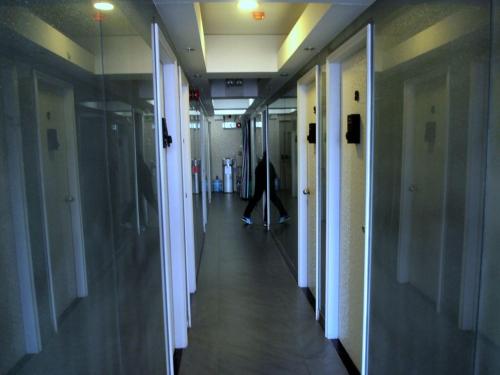

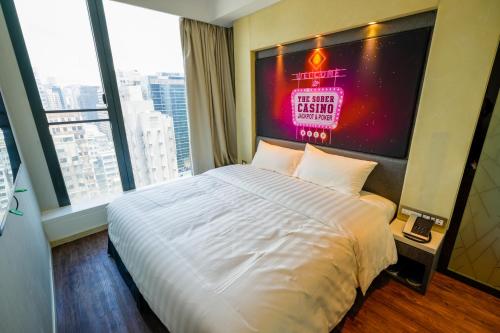
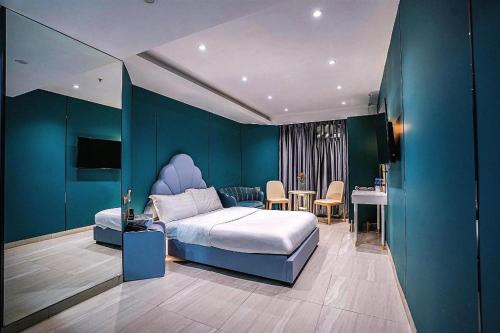


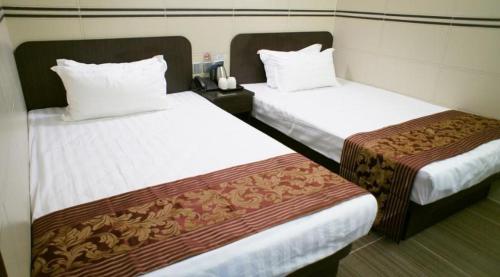
Live rates across our partner network (Booking.com, VRBO, Expedia, Hotels.com) via Stay22. Makutet may earn a commission when you book — at no extra cost to you. Prices update in real time and may vary before booking.
Experience

Guided hiking
Start from Dragon’s Back for a half-day guided walk along the ridge, with coastal views and a descent towards the shoreline. Allow roughly four to five hours; cooler, drier months are generally more comfortable. Reserve a guide ahead, especially for weekends, and check conditions before setting out in hot or wet weather.
active travellers · landscape photographers

Cruise
Join a pre-booked evening sailing from the Central District or Tsim Sha Tsui for a circuit on Victoria Harbour, with Hong Kong Island and Kowloon viewed from the water. Allow around one to two hours including boarding; sailings operate through the year, weather permitting. Reserve a departure time ahead, particularly during busy holiday periods.
first-time visitors · couples

Guided cultural walk
Explore Tai O Fishing Village on Lantau Island with a local guide, walking its waterside lanes and learning how the stilt-house settlement faces the surrounding waterways. Plan a half-day or longer, including the journey to and from the village. It is possible year-round, but reserve any guided visit and boat outing ahead; weather can affect water activities.
culture-minded travellers · families

Guided coastal day
Take a guided day on the Sai Kung Peninsula, combining a coastal walk with time on the water where conditions and the chosen route allow. This is a full-day outing, best planned for cooler, drier weather; summer heat and unsettled conditions can make exposed sections harder. Arrange the guide and any boat component in advance, and confirm the meeting point and return transport.
outdoor travellers · small groups
Things to do
What Makutet's Hong Kong research recommends, and where the tours that cover it can actually be booked.
Editorial recommendations from Makutet's Hong Kong research. Tickets and tours are searched on Klook.
Dragon’s Back guided hike
Start from Dragon’s Back for a half-day guided walk along the ridge, with coastal views and a descent towards the shoreline. Allow roughly four to five hours; cooler, drier months are generally more comfortable. Reserve a guide ahead, especially for weekends, and check conditions before setting out in hot or wet weather.
Victoria Harbour evening cruise
Join a pre-booked evening sailing from the Central District or Tsim Sha Tsui for a circuit on Victoria Harbour, with Hong Kong Island and Kowloon viewed from the water. Allow around one to two hours including boarding; sailings operate through the year, weather permitting. Reserve a departure time ahead, particularly during busy holiday periods.
Tai O village and waterways guided visit
Explore Tai O Fishing Village on Lantau Island with a local guide, walking its waterside lanes and learning how the stilt-house settlement faces the surrounding waterways. Plan a half-day or longer, including the journey to and from the village. It is possible year-round, but reserve any guided visit and boat outing ahead; weather can affect water activities.
Sai Kung Peninsula guided coastal day
Take a guided day on the Sai Kung Peninsula, combining a coastal walk with time on the water where conditions and the chosen route allow. This is a full-day outing, best planned for cooler, drier weather; summer heat and unsettled conditions can make exposed sections harder. Arrange the guide and any boat component in advance, and confirm the meeting point and return transport.
Dragon's Back
A popular hiking trail located in Shek O Country Park offering views of the surrounding coastline and islands.
Sai Kung Peninsula
A large area in the northeastern New Territories known for its rugged coastlines, beaches, and geological sites.
Activity cards are editorial — Makutet is not selling these specific experiences. The partner search opens Klook for Hong Kong, where availability and price are theirs.
Understand
The context that turns a visit into an understanding.

macro_region
This main island serves as the primary center for finance and government operations, featuring a dense urban skyline along its northern coast.

macro_region
Situated north of Hong Kong Island, this area is densely populated and functions as a major commercial and residential hub for the territory.

macro_region
Comprising the northern landmass and numerous outlying islands, this region features a blend of suburban developments and expansive rural landscapes.

sub_region
The administrative and financial heart of Hong Kong located on the northern shore of Hong Kong Island.

sub_region
A prominent urban area at the southern tip of the Kowloon Peninsula known for high-density retail and tourism activity.

sub_region
The largest outlying island in the territory containing the international airport and various protected nature reserves.

Food culture
Dim sum is a defining Hong Kong meal: small savoury and sweet dishes are shared over tea, often at a leisurely table rather than treated as a quick single plate. In Central District and Kowloon, arrive outside peak meal times if you want a calmer table; popular rooms can require a wait.

Drink
Hong Kong-style milk tea is strongly brewed and combined with evaporated milk, served hot or cold. Local cafés offer a distinctly everyday counterpoint to the harbour-facing dining scene; ordering a drink is a simple way to pause between Central District and Tsim Sha Tsui visits.

Neighbourhood character
Tai O Fishing Village is known for its waterside stilt houses and close relationship with the waterways of Lantau Island. Visit on foot with consideration for residents’ narrow lanes; the village is a living community, not simply a backdrop for photographs.

Traditions
Chinese New Year brings family visits, seasonal customs and a marked change in opening hours and city rhythms across Hong Kong. Travellers should check transport and business schedules in advance, and book accommodation early if their visit overlaps the holiday period.

Urban geography
Victoria Harbour is a working divide as well as a defining view: Central District and Kowloon face one another across the water. Plan cross-harbour movement as part of the day rather than assuming the two waterfronts are one continuous neighbourhood.
When to go
October–December
Autumn
Mild, comparatively dry conditions
January–February
Winter
Generally cool and dry
March–April
Spring
Mild but changeable
May–September
Summer
Hot, humid and wetter
Practical
Money, transport, connectivity and the details that matter on the ground.
Budget
The currency is the Hong Kong dollar. Cards are widely accepted in hotels and larger businesses, but carry cash for smaller eateries, market purchases and other cash-only transactions; check payment options before ordering. Accommodation and dining in Central District and Tsim Sha Tsui can take a larger share of spending than a stay farther out, while holiday periods can tighten availability. No single budget suits every itinerary, so allow for cross-harbour and island journeys as well as meals.
Transport
Hong Kong’s dense urban transport connects the Central District, Kowloon Peninsula and Tsim Sha Tsui, while trips to Lantau Island, Tai O Fishing Village and Sai Kung Peninsula need more deliberate route planning. Leave extra time for transfers between the harbour core and rural or coastal areas. Vehicles drive on the left; car hire is rarely the simplest choice for a city-centred visit.
Safety
Hong Kong is a major, compact city, but take ordinary care with valuables in crowded streets and keep clear of exposed hiking routes in heavy rain or extreme heat. The emergency number is 999. Tap water is generally treated, though some travellers prefer bottled or filtered water according to taste and building plumbing. Tipping is not expected in the same way as in some destinations; check whether a service charge is already included.
Connectivity
Mobile coverage is strong across the urban core, including Central District and Kowloon, but check the terms and coverage of a roaming plan or eSIM before travelling. An eSIM can simplify arrival connectivity; confirm device compatibility and set it up before departure. Keep offline directions for Dragon’s Back, Sai Kung Peninsula and other outdoor routes, where attention to the route matters more than constant screen use.
Seasonal weather
Hong Kong has a humid subtropical climate: summer, broadly May to September, is hot, humid and rainy, with typhoon risk; winter, from December to February, is generally cooler and drier. March and April can feel mild but damp and misty, while October and November are often among the more comfortable months for walking and harbour visits. In summer, plan exposed routes such as Dragon’s Back early, monitor weather warnings and keep an indoor alternative; cooler months suit longer days on Sai Kung Peninsula and Lantau Island.
Accessibility and mobility
Hong Kong’s central districts have extensive public transport, but steep slopes, stairs, dense pavements and uneven access can make some street journeys difficult for wheelchair users, pushchairs and older travellers. The terrain around Victoria Peak, Dragon’s Back and parts of Lantau Island is a particular obstacle; do not assume a rural route or village lane is step-free. Check lift and step-free access for each journey and accommodation directly, and allow extra time for transfers, crowds and kerbs. Accessible rooms and transport options should be confirmed before booking rather than presumed.
Getting around
Airport transfers, rail, buses, ferries and car hire for Hong Kong — arranged before you fly, priced by the supplier.
Stay connected
Install an eSIM before you fly and you are online the moment you land in Hong Kong — no roaming charges, no shop queue at the airport.
Moments
Hong Kong is best understood through its edges and crossings: the mainland peninsula facing Hong Kong Island, the harbour between them, and the islands opening towards the South China Sea. Its identity is neither only metropolitan nor only maritime. The places that define it make those two conditions visible at once.
The signature moment
Stand at Victoria Peak as the light begins to soften over Victoria Harbour. Below, the water draws a clean divide between Hong Kong Island and Kowloon Peninsula, yet the two shores seem to answer one another through their dense built-up edges. The air feels cooler and more open than the city streets; a breeze touches the face, and the harbour carries the low, continuous sound of a working waterfront. Look past the immediate sweep of towers and shoreline towards the wider geography: the mainland peninsula, the islands and the hills that press close to urban life. There is no single taste that defines this view, but the scene invites a pause before returning to the city’s food and street life. From this height, Hong Kong’s defining quality becomes legible—not a skyline alone, but a territory held together by water, movement and sharp changes of scale. The same place can feel metropolitan, maritime and steeply green without contradiction.
The story behind it
Hong Kong’s heritage is shaped by its position on the southeastern coast of China, at the meeting of mainland routes and maritime approaches. Its present form as a Special Administrative Region includes a mainland peninsula and more than 200 islands, a geography that has made connection across water central to life here. The territory’s history should not be reduced to a single founding episode or a seamless story of growth: its relationship with the mainland, its island geography and its changing urban form are all part of a layered inheritance. Today, the contrast between the dense districts around Victoria Harbour, the settlements of the New Territories and places such as Tai O Fishing Village gives that inheritance a visible, varied shape.
Before you go
Leave room in the itinerary for a change of scale. After the urban concentration of Central and Western, the harbour and a journey towards Lantau Island or Tai O Fishing Village can alter the sense of distance without leaving Hong Kong. The most lasting impression may be the way the territory keeps its contrasts close: a city facing open water, a mainland edge beside islands, and hills that remain part of the view. Let those transitions set the pace of the visit.
More than islands
Hong Kong is a Special Administrative Region made up of a mainland peninsula and over 200 islands in the South China Sea, not a single continuous urban area.
A close mainland edge
Hong Kong borders Guangdong province to the north. Its territory therefore connects a mainland frontier with island and harbour landscapes.
October–December
Clearer, milder days
Autumn is generally one of Hong Kong’s most comfortable periods for combining Central District, Victoria Peak and outdoor routes such as Dragon's Back. Conditions are typically less humid than in summer.
March–April
Spring, with changeable skies
Spring can bring mild temperatures but also humidity, cloud and occasional rain. Keep plans flexible: pair time around Victoria Harbour with indoor options if the weather turns.
June–September
Summer heat and storms
Summer is hot, humid and wetter, with a greater risk of tropical cyclones. Leave flexibility for island and coastal outings, and check local conditions before setting out for Sai Kung Peninsula or Lantau Island.
FAQ
October and November are often comfortable for walking. Summer is hotter, more humid and wetter; winter is generally cooler and drier.
Victoria Harbour separates the two; include cross-harbour travel time rather than treating Central District and Tsim Sha Tsui as one walkable area.
Yes. Plan the journey to Lantau Island and allow time for local connections; reserve a guided visit or boat activity ahead if you want one.
Hong Kong uses the Hong Kong dollar. Cards are common, but cash remains useful at smaller eateries and for some market purchases.
Some urban transport is accessible, but steep slopes, stairs, crowded pavements and uneven village or hiking routes are genuine obstacles. Confirm step-free access in advance.
Heat, humidity and heavy rain can make exposed routes such as Dragon’s Back challenging. Check weather warnings, start early and reconsider plans in poor conditions.
Before you go
The last thing most travellers forget — and the disclosure that applies to every partner link on this page.
Booking and rate checks run on the partner's own site; prices and availability are theirs and can change. Some links are affiliate links and Makutet may earn a commission at no extra cost to you. See our affiliate disclosure.
Makutet builds a day-by-day itinerary around the places above — then keeps it updated as you travel.
Country guide: /country/hong-kong
Your assessment works without optional tracking. Necessary storage keeps your trip and privacy choice. Embedded flight search includes TravelPayouts tracking; ordinary partner links remain available if you decline.
Cookie policy · Privacy policy. Reopen Cookie settings to change your choice. Supplier-site cookies are controlled by that supplier.