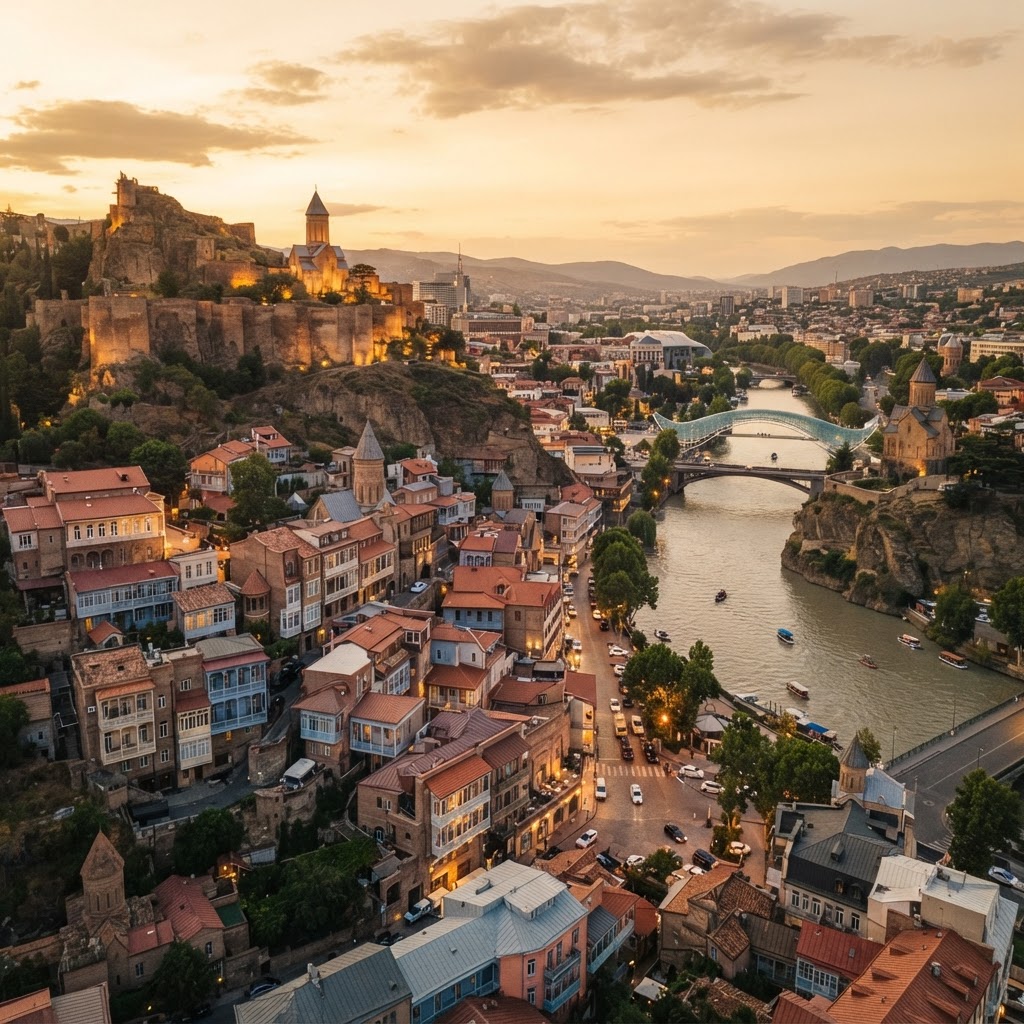
urban
Tbilisi
The capital and largest city of Georgia, situated on the banks of the Kura River, featuring a mix of diverse architectural styles.

asia
Georgia stands where the Black Sea meets the Caucasus, with Tbilisi, high mountain settlements and regions shaped by distinct landscapes. Its character is best understood through the contrasts between coast, interior and mountain country.
The country
The country
At the intersection of Eastern Europe and Western Asia, Georgia is framed by the Black Sea and the Greater and Lesser Caucasus. Its predominantly mountainous terrain gives the country a strong regional character, from East and West Georgia to Kakheti and Adjara.
Why visit
Georgia rewards a traveller who is interested in how geography shapes everyday experience. The Black Sea forms its western edge, while the Greater and Lesser Caucasus organise much of the country’s mountainous interior. This is not a landscape to absorb from a single viewpoint: the movement between Tbilisi, Kakheti, Adjara and the high country of Svaneti reveals markedly different settings within the same national frame. The named places offer distinct ways into that variety. Tbilisi gives the journey an urban point of orientation; Gergeti Trinity Church places architecture against the scale of the Greater Caucasus; Vardzia introduces a different kind of encounter with the country’s historical inheritance. In the west, Batumi and Adjara bring the Black Sea coast into view, while Prometheus Cave and the mountain settlements of Svaneti and Ushguli extend the journey beyond the city and shore. These are not interchangeable stops, and a satisfying itinerary makes room for the transitions between them rather than treating the country as a checklist. Georgia also suits travel planned around season and terrain. May–June and September–October are recorded as favourable periods, while July–August are mixed and December–February carry a red seasonal assessment. Those distinctions matter when combining coastal, urban and mountain settings. Georgia’s appeal lies in that change of scale: from a city to a church set against high mountains, from a Black Sea edge to an interior shaped by the Caucasus. The traveller who takes time to notice those shifts will find a country whose identity is inseparable from its varied land.
What it feels like
The country’s atmosphere is one of sharp changes in scale. Tbilisi offers an urban counterpoint to the open, mountainous horizons of the Greater and Lesser Caucasus; Adjara and Batumi bring the Black Sea into the picture. Across East and West Georgia, Kakheti and the high country, landscape is not background but a constant presence in the way a journey feels.
Who it suits
Georgia suits travellers who enjoy combining a city stay with mountain scenery, regional exploration and historical places. It is especially rewarding for those willing to plan around seasonal conditions and to give the transitions between Tbilisi, the Black Sea coast, Kakheti and Svaneti time rather than rushing through them.
How to get here
Live fares into Georgia across hundreds of airlines, compared in one search. Book directly with the airline or agent — Makutet never adds a fee.
Live fares to Georgia across hundreds of airlines. Book directly with the airline or agent — no extra cost to you.
Embedded flight search uses TravelPayouts cookies and tracking. Enable partner search to load it here, or continue directly on the partner site.
The external partner link includes Makutet's affiliate marker; confirm your route, dates and passengers there. No booking is made on Makutet.
Live search and booking run on the TravelPayouts partner engine. Fares update in real time and may vary before booking. Any prices shown elsewhere on Makutet are monitored observations, not live quotes.
Identity
The places that define the country rather than merely sit inside it.
urban
The capital and largest city of Georgia, situated on the banks of the Kura River, featuring a mix of diverse architectural styles.

religious site
A 14th-century monument located near Stepantsminda, positioned at an elevation of 2,170 meters under Mount Kazbek.

mountains
A major mountain range running along the northern border, containing the highest peaks and glaciers within the country.

historical site
A cave monastery complex excavated into the slopes of the Erusheti Mountain in southern Georgia during the 12th century.
Imagery


Discover

cultural landscape
A high-mountain historic province in northwestern Georgia known for its medieval defensive towers and distinct cultural heritage.

heritage village
A community of four villages situated in the Svaneti region, recognized for its high altitude and preserved architectural ensemble.

coastal city
A major port city on the Black Sea coast, serving as a primary maritime hub and a center for tourism in the western region.

natural wonder
A karst cave system located in the Imereti region, featuring stalactites, stalagmites, and underground rivers.
Stay
The bases that actually change the trip.

Guesthouse
Choose Tbilisi as a practical base for city days and onward arrangements into Georgia. A guesthouse keeps you within the capital rather than a remote mountain setting; May–June and September–October are comfortable periods for walking. Confirm stairs, lift access and luggage arrangements before booking, as access varies by property.
independent travellers · culture-focused visitors

Regional guesthouse
Staying in Kakheti puts you in Georgia’s east and makes an arranged wine-country day easier than travelling out and back from Tbilisi. Plan around May–June or September–October, and confirm transfers and meal arrangements with the host before arrival; regional access can require more advance coordination than a city stay.
food and wine travellers · slow travellers

Mountain guesthouse
A guesthouse in Svaneti suits travellers whose priority is mountain scenery and guided walking, but requires more planning than a Tbilisi stay. July–August are the clearest fit in the seasonal guidance. Arrange the journey and confirm the accommodation’s access, facilities and walking support before setting out.
hikers · mountain scenery travellers

Coastal stay
Choose accommodation in Batumi for direct access to Georgia’s Black Sea coast and a settled base for coastal days. Summer, particularly July–August, suits a seaside stay. If combining Batumi with inland regions, plan the transfer separately and allow for the additional journey rather than treating the coast as an immediate extension of Tbilisi.
coastal travellers · summer visitors
Where to stay
Live rates across Booking.com, Agoda, VRBO and Expedia for Georgia. Compare the areas above, then check what a night actually costs.
Popular destinations
Live rates across Booking.com, Agoda, VRBO and Expedia for Georgia — no extra cost to you.

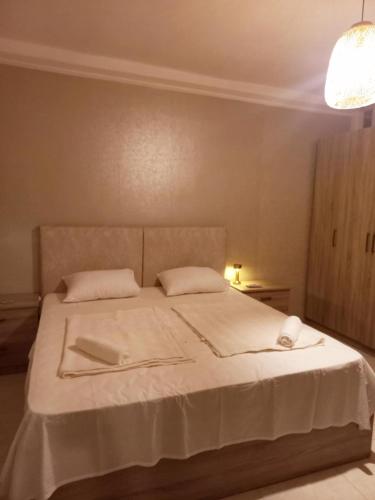
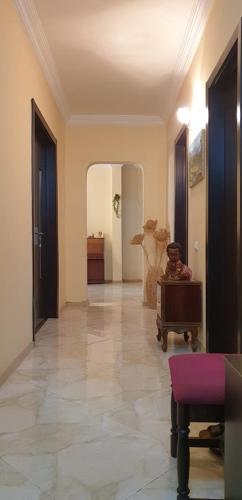
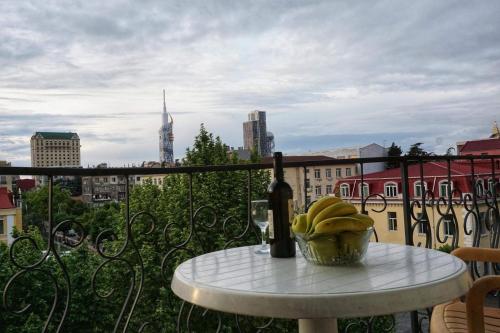

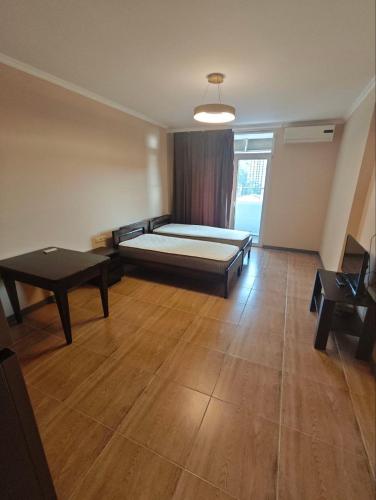


Live rates across our partner network (Booking.com, VRBO, Expedia, Hotels.com) via Stay22. Makutet may earn a commission when you book — at no extra cost to you. Prices update in real time and may vary before booking.
Experience

Guided city day
Arrange a locally guided walking day beginning in Tbilisi, allowing a full day to explore the capital’s streets and historic character at a measured pace. It is most comfortable in May–June or September–October; reserve a guide and agree the route and meeting point before arrival.
culture-focused travellers · first-time visitors

Food and drink
Book a full-day guided drive from Tbilisi into Kakheti, with time for a winery visit and a meal arranged in advance. May–June and September–October suit a day on the road; reserve the driver, tasting and any meal before travelling, as this is not a walk-up activity.
food and wine travellers · couples

Guided mountain walk
Use a locally guided day based in Svaneti for a planned mountain walk, rather than setting out independently on unfamiliar terrain. July–August are the most suitable months in the supplied seasonal guidance; book a guide and confirm the route and conditions before arriving.
active travellers · landscape photographers

Coastal guided day
Plan a full day in Batumi around the Black Sea waterfront, with a locally guided walk and time to pause at the coast. July–August bring the warmer summer season; reserve a guide ahead if you want a fixed itinerary, and allow extra time if travelling from inland Georgia.
coastal travellers · relaxed explorers
Things to do
What Makutet's Georgia research recommends, and where the tours that cover it can actually be booked.
Editorial recommendations from Makutet's Georgia research. Tickets and tours are searched on Klook.
Guided day in Tbilisi
Arrange a locally guided walking day beginning in Tbilisi, allowing a full day to explore the capital’s streets and historic character at a measured pace. It is most comfortable in May–June or September–October; reserve a guide and agree the route and meeting point before arrival.
Kakheti wine-country drive
Book a full-day guided drive from Tbilisi into Kakheti, with time for a winery visit and a meal arranged in advance. May–June and September–October suit a day on the road; reserve the driver, tasting and any meal before travelling, as this is not a walk-up activity.
Svaneti mountain-guiding day
Use a locally guided day based in Svaneti for a planned mountain walk, rather than setting out independently on unfamiliar terrain. July–August are the most suitable months in the supplied seasonal guidance; book a guide and confirm the route and conditions before arriving.
Black Sea day in Batumi
Plan a full day in Batumi around the Black Sea waterfront, with a locally guided walk and time to pause at the coast. July–August bring the warmer summer season; reserve a guide ahead if you want a fixed itinerary, and allow extra time if travelling from inland Georgia.
Svaneti
A high-mountain historic province in northwestern Georgia known for its medieval defensive towers and distinct cultural heritage.
Ushguli
A community of four villages situated in the Svaneti region, recognized for its high altitude and preserved architectural ensemble.
Activity cards are editorial — Makutet is not selling these specific experiences. The partner search opens Klook for Georgia, where availability and price are theirs.
Understand
The context that turns a visit into an understanding.

macro_region
This region encompasses the interior plains and river valleys, characterized by a more continental climate suitable for viticulture.

macro_region
This coastal region stretches along the Black Sea and features a subtropical climate with high annual precipitation levels.

sub_region
A region in eastern Georgia known for its expansive river valleys and historical significance as a primary winemaking area.

sub_region
An autonomous republic located in the southwest, bordering the Black Sea and characterized by lush mountain terrain.

Wine culture
Kakheti is Georgia’s named eastern wine region. Make a tasting a planned visit: arrange the host and transport in advance, particularly if travelling from Tbilisi, rather than assuming a winery visit can be added spontaneously.

Hospitality customs
Hospitality is an important part of Georgian social life. When invited to share a meal, treat it as time with hosts rather than a quick restaurant stop; in Kakheti, arranging a visit and meal ahead helps make the regional connection practical.

City character
Tbilisi is the capital and a useful starting point for understanding Georgia’s position between Eastern Europe and Western Asia. Allow time to explore the city on foot, while checking the route in advance for slopes, steps and uneven surfaces.

Mountain culture
The Greater and Lesser Caucasus define much of Georgia’s mountainous character. In Svaneti and around Ushguli, mountain travel is shaped by terrain and season; walking plans should be matched to local conditions and arranged with suitable guidance.

Coastal life
Batumi gives Georgia a distinctly coastal point of reference against the country’s mountainous interior. A stay here is best planned as a separate coastal leg, with the journey from inland Georgia arranged rather than assumed to be a short local transfer.
When to go
May–June
Favourable
A green window for varied regions
July–August
Mixed
Allow room to adapt
September–October
Favourable
A second green window
December–February
Less favourable
Winter conditions require caution
Practical
Money, transport, connectivity and the details that matter on the ground.
Budget
Georgia’s currency is the lari. Cards are useful in Tbilisi and larger businesses, but carry cash for smaller purchases and services in regional areas such as Svaneti and Kakheti. Spending is shaped by accommodation, intercity transport, guided mountain days and arranged wine visits; coastal and mountain travel in July–August can require more advance booking than shoulder-season trips.
Transport
Georgia’s mountainous terrain makes journey times and road access important parts of planning, especially for Svaneti, Ushguli and other Caucasus travel. The country drives on the right. Arrange regional transfers or a suitable hire car in advance, and do not assume that a city-to-coast journey is a short local ride.
Safety
Keep plans flexible in the Greater and Lesser Caucasus: mountain conditions and access can change the character of a walk or drive. Use local guidance for remote routes, confirm conditions before departure and keep the emergency number, 112, available. For a planned mountain day in Svaneti, agree the route and check-in arrangements with your guide.
Connectivity
A local eSIM or SIM can help with navigation and contacting drivers in Georgia, but do not rely on continuous coverage on mountain journeys. Georgia uses plug types C and F. Tap water is generally considered safe to drink; carry a refillable bottle and check locally if you have a particular health concern.
Seasonal weather
Georgia has a marked seasonal contrast: summers are warm, while winters are cold, with mountain conditions especially consequential for travel. May–June and September–October are the green windows for a broad trip; July–August are amber, suited to summer plans but requiring care with heat and mountain access. December–February are red for general travel planning, when winter weather can constrain routes.
Accessibility and mobility
Travellers with reduced mobility, wheelchair users, pushchair users and older companions should plan carefully: Georgia’s predominantly mountainous landscape, steep or uneven streets and variable steps make independent access difficult, especially beyond Tbilisi. Intercity and regional transport may not provide step-free boarding, and accommodation access varies. Confirm entrances, lifts, bathrooms, vehicle access and walking surfaces directly with each provider before booking; Batumi’s coastal setting does not remove the need to check routes and facilities.
Getting around
Airport transfers, rail, buses, ferries and car hire for Georgia — arranged before you fly, priced by the supplier.
Stay connected
Install an eSIM before you fly and you are online the moment you land in Georgia — no roaming charges, no shop queue at the airport.
Moments
Georgia is most clearly read through its geography. The Black Sea marks its western boundary, and the Greater and Lesser Caucasus shape a predominantly mountainous landscape. Between them lie regions with different bearings and identities: East Georgia, West Georgia, Kakheti and Adjara. The country’s defining story is one of movement between these settings.
The signature moment
In the mountain air near Gergeti Trinity Church, the eye is drawn first to the scale of the Greater Caucasus. The church gives that immense landscape a human point of focus: stone and mountain occupy the same view, but neither diminishes the other. Pause long enough for the scene to settle. The air feels cooler against the skin than the idea of a journey centred on Tbilisi might suggest; the sound of wind and the quiet of a high setting replace the texture of the city. There is no need to turn the moment into a sequence of stops. Look outward, then back towards the church, and notice how the built landmark belongs to a landscape that exceeds it. This is Georgia in miniature, not because it represents every region, but because it makes the country’s defining relationship visible: human history held within formidable terrain. Elsewhere, the Black Sea, Adjara, Kakheti and the caves and settlements of the interior offer different encounters. Yet this pause at Gergeti Trinity Church explains why a journey here is shaped by contrasts between place and scale, city and mountain, coast and Caucasus.
The story behind it
Georgia’s heritage is encountered in places that carry different kinds of historical meaning. Tbilisi is an urban centre; Gergeti Trinity Church is a named landmark set within the mountain geography of the Greater Caucasus; Vardzia offers another point of entry into the country’s past. These places do not reduce a complex history to a single origin story. Georgia’s position at the intersection of Eastern Europe and Western Asia has made its wider setting important, while the evidence available here does not support a detailed chronology or a simplified account of its difficult periods. A respectful visit treats heritage as layered: the landscape, built places and regional distinctions all matter, and no single site can stand for the whole country.
Before you go
A journey through Georgia need not try to cover every region. Let Tbilisi establish an urban point of reference, then choose whether the next chapter belongs to the Black Sea, Kakheti or the mountains of Svaneti. Each change of landscape gives the country another register. The strongest memories may come from the pauses between named places: a view opening towards the Greater Caucasus, the coast appearing in Adjara, or the sense of arrival at Vardzia. Leave room for those transitions. They are part of the country, not merely the way through it.
A meeting point
Georgia lies at the intersection of Eastern Europe and Western Asia, in the Caucasus region, with the Black Sea forming its western boundary.
Two great ranges
The Greater and Lesser Caucasus define Georgia’s predominantly mountainous landscape, giving the country a strong geographical contrast with its Black Sea coast.
May–June
Favourable season
May and June are recorded as a green window. They suit an itinerary that links Tbilisi with the Caucasus, Kakheti or Adjara, while leaving flexibility for the differences between coast and mountain.
July–August
Mixed conditions
These months carry an amber assessment rather than a uniform recommendation. Build a route with room to adjust between the Black Sea coast, Tbilisi and mountain destinations such as Svaneti.
December–February
Winter caution
December through February is marked red in the seasonal evidence. Treat mountain travel in particular with care, check conditions locally and avoid relying on a tightly packed route across regions.
FAQ
May–June and September–October are the green seasonal windows. July–August are warmer summer months; winter from December to February can constrain mountain travel.
Georgia uses the lari. Cards are useful in larger businesses, while cash remains helpful for smaller purchases and regional services.
Tbilisi is a practical city base; Kakheti offers an eastern regional focus, Svaneti a mountain setting and Batumi access to the Black Sea coast.
Yes. Georgia’s landscape is predominantly mountainous and defined by the Greater and Lesser Caucasus ranges, which affect regional journeys and walking plans.
Arrange the journey and accommodation ahead, check seasonal access and conditions, and book local guidance for mountain walking rather than relying on an improvised route.
Access varies, and steep or uneven streets, steps, mountain terrain and transport can be challenging. Confirm step-free access and vehicle arrangements with providers before booking.
The emergency number is 112. Keep it available, particularly when travelling beyond Tbilisi into mountain regions.
Before you go
The last thing most travellers forget — and the disclosure that applies to every partner link on this page.
Booking and rate checks run on the partner's own site; prices and availability are theirs and can change. Some links are affiliate links and Makutet may earn a commission at no extra cost to you. See our affiliate disclosure.
Makutet builds a day-by-day itinerary around the places above — then keeps it updated as you travel.
Country guide: /country/georgia
Your assessment works without optional tracking. Necessary storage keeps your trip and privacy choice. Embedded flight search includes TravelPayouts tracking; ordinary partner links remain available if you decline.
Cookie policy · Privacy policy. Reopen Cookie settings to change your choice. Supplier-site cookies are controlled by that supplier.