
urban
Helsinki
The capital city located on the shore of the Gulf of Finland, serving as the central hub for national administration and culture.

europe
Finland is shaped by forest, lake and a northern light that changes sharply with the seasons. Helsinki, the inland Lakeland and Lapland offer distinct ways to read the country, joined by a mainland geography that opens towards an island coast.
The country
The country
Finland is a Northern European nation in the Fennoscandian region, with land borders shared with Norway, Sweden and Russia. Across its mainland, extensive coniferous forests and tens of thousands of inland lakes set the scale; the country’s character also turns on the contrasts between Helsinki and the south, the archipelagos, and the northern reaches of Lapland.
Why visit
Finland rewards a journey that follows its geography rather than trying to compress it into a single impression. Helsinki gives the traveller a clear urban point of entry, while Southern Finland and Uusimaa lead towards forests, lakes and a more dispersed landscape. Inland, Finnish Lakeland makes water a constant presence: routes and views are shaped by the relationship between shore, island and forest, rather than by a single city centre. To the south-west, the Turku Archipelago extends that experience into a seascape of islands, where the mainland and the coast meet through a network of crossings. Suomenlinna offers a different threshold, placing a historic island setting within reach of Helsinki. Farther north, Northern Finland and Eastern Lapland bring a greater sense of distance and seasonal change; Lapland’s forests and open northern landscapes are not simply an extension of the south, but a distinct part of the country’s identity. These places make Finland legible in several registers at once: as a northern nation, as a land of water and trees, and as a culture attentive to the conditions of its climate. A rewarding itinerary allows time for transitions. Pairing Helsinki with Nuuksio National Park, for instance, gives a visitor both city and woodland; continuing towards Finnish Lakeland or Oulanka National Park shifts the emphasis from urban life to inland nature. The appeal lies in these changes of pace and scale, and in seeing how the same country can feel close-knit around a city yet expansive beyond it.
What it feels like
The atmosphere is often quiet and spacious, with forests and water close to daily life. In summer, long light opens the day; in winter, snow and darkness give the northern landscape a more inward quality. Helsinki’s urban rhythm sits alongside the slower, weather-conscious routines of the lake country and Lapland.
Who it suits
Finland suits travellers who value nature, cultural context and unhurried movement between regions. It is especially rewarding for those prepared to plan around seasonal conditions and to balance a city stay in Helsinki with time in Finnish Lakeland, the Turku Archipelago or Lapland.
How to get here
Live fares into Finland across hundreds of airlines, compared in one search. Book directly with the airline or agent — Makutet never adds a fee.
Live fares to Finland across hundreds of airlines. Book directly with the airline or agent — no extra cost to you.
Embedded flight search uses TravelPayouts cookies and tracking. Enable partner search to load it here, or continue directly on the partner site.
The external partner link includes Makutet's affiliate marker; confirm your route, dates and passengers there. No booking is made on Makutet.
Live search and booking run on the TravelPayouts partner engine. Fares update in real time and may vary before booking. Any prices shown elsewhere on Makutet are monitored observations, not live quotes.
Identity
The places that define the country rather than merely sit inside it.
urban
The capital city located on the shore of the Gulf of Finland, serving as the central hub for national administration and culture.

nature
A vast region in the interior featuring a complex network of thousands of interconnected lakes and glacial landforms.

historical site
A maritime fortress built across a group of islands off the coast of Helsinki, recognized for its historical military architecture.

wilderness
The northernmost province of the country, defined by its arctic climate, tundra regions, and significant Sami cultural influence.
Imagery


Discover

coastal
An expansive group of thousands of islands located off the southwest coast, connected by various ferry routes and bridges.

national park
A protected wilderness area in northeastern Finland, famous for its deep river valleys and marked long-distance hiking trails.

urban
A city located on an isthmus between two large lakes, historically developed as a major industrial center for the region.

national park
A large forested area near the capital region featuring rugged cliffs, small lakes, and traditional boreal forest ecosystems.
Stay
The bases that actually change the trip.

City hotel or apartment
Choose a central Helsinki base for rail, local transport and the ferry connection to Suomenlinna. It works year-round and reduces the need for a car; in summer, book rooms ahead and allow time for ferry queues and island walking.
city visitors · culture seekers

Cottage
A cottage stay in Finnish Lakeland means planning around the shore, nearby services and whether a car is needed; it is best suited to the brighter, warmer part of the year for swimming and time outdoors. Reserve early for summer and expect fewer services and longer journeys than in Helsinki.
families · self-catering travellers

Wilderness lodge
A lodge in Eastern Lapland offers a quieter base amid forest landscapes, but reaching it can require a long onward journey and local transport may be limited. Winter suits snow-season activities, while summer brings long outdoor days; arrange transfers and meals ahead where they are not on site.
nature travellers · winter visitors

Guesthouse
Stay near Oulanka National Park to reach walking routes without making every visit a long day trip. The choice is most practical in the hiking season; check how the property connects to trail access and arrange transport and meals in advance, as services can be spread out.
hikers · small-group travellers
Where to stay
Live rates across Booking.com, Agoda, VRBO and Expedia for Finland. Compare the areas above, then check what a night actually costs.
Popular destinations
Live rates across Booking.com, Agoda, VRBO and Expedia for Finland — no extra cost to you.
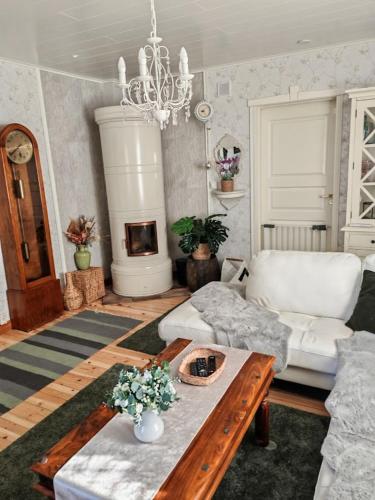


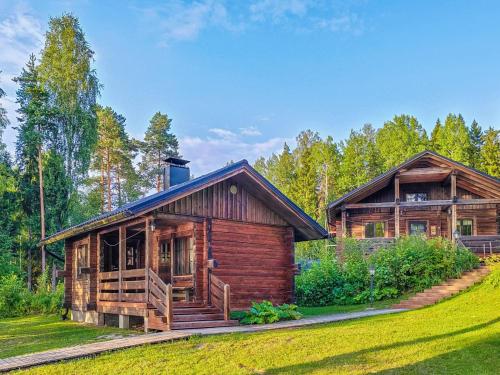

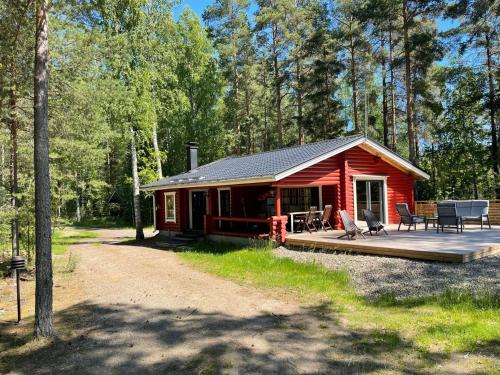
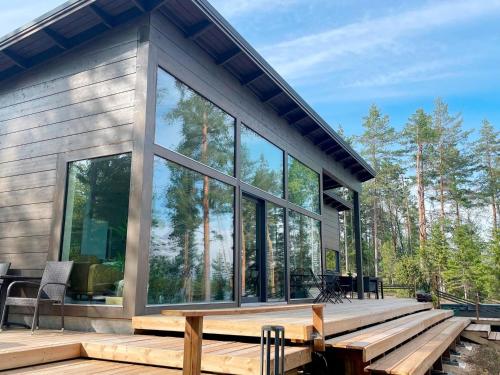
Live rates across our partner network (Booking.com, VRBO, Expedia, Hotels.com) via Stay22. Makutet may earn a commission when you book — at no extra cost to you. Prices update in real time and may vary before booking.
Experience

Ferry and cultural visit
Begin in Helsinki and take the public ferry to Suomenlinna for a self-guided visit; allow several hours for the crossing and walking between the island’s historic areas. Check ferry times and reserve any guided tour ahead, particularly in summer.
culture seekers · independent travellers

Outdoor activity
Use Finnish Lakeland as a base for a guided paddling or lake-boat outing, with time on the water and shoreline trails. These trips are principally a warm-season activity; reserve the boat, guide and any required equipment ahead, as access and schedules vary by lake.
active travellers · nature lovers

Guided hiking
Join a guided walking day in Oulanka National Park, following forest and river scenery at a pace suited to the group. Plan a full day for travel and walking; summer and early autumn are the practical hiking seasons, and guided places and transport should be arranged ahead.
hikers · landscape photographers

Scenic drive and ferry
Explore the Turku Archipelago by combining road travel with scheduled island ferry crossings; the journey is a route rather than a single attraction. Allow a full day or longer, check ferry timetables before setting out, and reserve vehicle space and overnight stays ahead in the busy summer season.
road-trippers · island explorers
Things to do
What Makutet's Finland research recommends, and where the tours that cover it can actually be booked.
Editorial recommendations from Makutet's Finland research. Tickets and tours are searched on GetYourGuide.
Helsinki and Suomenlinna by ferry
Begin in Helsinki and take the public ferry to Suomenlinna for a self-guided visit; allow several hours for the crossing and walking between the island’s historic areas. Check ferry times and reserve any guided tour ahead, particularly in summer.
Finnish Lakeland lake-and-forest outing
Use Finnish Lakeland as a base for a guided paddling or lake-boat outing, with time on the water and shoreline trails. These trips are principally a warm-season activity; reserve the boat, guide and any required equipment ahead, as access and schedules vary by lake.
Guided wilderness day in Oulanka National Park
Join a guided walking day in Oulanka National Park, following forest and river scenery at a pace suited to the group. Plan a full day for travel and walking; summer and early autumn are the practical hiking seasons, and guided places and transport should be arranged ahead.
Turku Archipelago island-hopping drive
Explore the Turku Archipelago by combining road travel with scheduled island ferry crossings; the journey is a route rather than a single attraction. Allow a full day or longer, check ferry timetables before setting out, and reserve vehicle space and overnight stays ahead in the busy summer season.
Turku Archipelago
An expansive group of thousands of islands located off the southwest coast, connected by various ferry routes and bridges.
Oulanka National Park
A protected wilderness area in northeastern Finland, famous for its deep river valleys and marked long-distance hiking trails.
Activity cards are editorial — Makutet is not selling these specific experiences. The partner search opens GetYourGuide for Finland, where availability and price are theirs.
Understand
The context that turns a visit into an understanding.

macro_region
This macro region contains the nation's capital and holds the highest population density along the coast of the Gulf of Finland.

macro_region
Known as Lapland, this macro region features vast subarctic wilderness, hilly terrain, and significant seasonal variations in daylight.

sub_region
The administrative region surrounding Helsinki, serving as the primary economic and political center of the country.

sub_region
An area characterized by remote forest landscapes and proximity to the Russian border, known for its specific climatic conditions.

Food
Rye bread is a staple of Finnish meals, while Karelian pasties are a familiar savoury bake often topped with egg butter. Look for them in bakeries and cafés in Helsinki and regional towns for an everyday food introduction.

Drink and café culture
Coffee is woven into ordinary Finnish routines: cafés offer a practical place to pause between Helsinki sights or before travelling onward. Expect coffee to be part of daily life rather than only a formal after-dinner ritual.

Custom
Sauna is a widely established part of Finnish life, not simply a spa treatment. Follow the host’s guidance on washing, changing and whether the sauna is mixed or separated; ask before taking photographs, and leave time to cool down between sessions.

Urban character
Helsinki’s character is shaped by its harbour and island connections. The ferry to Suomenlinna makes the city’s relationship with the sea tangible; allow time for the crossing and uneven walking surfaces on the island rather than treating it as a quick neighbourhood stroll.
When to go
June–August
Summer
Long days for lakes, islands and trails
September–October
Autumn
Cooler, quieter travel
November–March
Winter
A distinctly northern season
April–May
Spring transition
Conditions vary by region
Practical
Money, transport, connectivity and the details that matter on the ground.
Budget
Finland uses the euro, and payment cards are accepted widely, so most travellers can handle ordinary spending without carrying much cash; keep a small amount for occasional cash-only situations. Budget for accommodation, meals and transport, with summer demand around Helsinki, Finnish Lakeland and the Turku Archipelago putting pressure on availability and costs compared with quieter periods.
Transport
Rail and bus links connect major centres, while reaching Finnish Lakeland, Oulanka National Park and parts of Lapland often takes more planning and may favour a hire car. Finland drives on the right; in winter allow extra time for snow and ice, and check ferry timetables when travelling through the Turku Archipelago or to Suomenlinna.
Safety
Finland is generally straightforward to navigate, but outdoor plans still require preparation: check weather and route conditions before heading into Oulanka National Park or remote parts of Lapland. The emergency number is 112, tap water is safe to drink, and tipping is not generally expected; follow local advice around changing winter conditions.
Connectivity
Mobile coverage is generally useful in towns and along main routes, but can be less dependable in remote forest and northern areas. Arrange roaming or an eSIM before leaving Helsinki for longer rural journeys, and bring a Type C or F plug adapter if your devices use a different plug system.
Seasonal weather
Finland has cold, snowy winters and a short, bright summer; the main travel contrast is between winter conditions from roughly December to March and milder outdoor weather from June to August. Spring and autumn can be changeable, with lingering snow or early frost in the north; pack layers and check local conditions before hiking or driving.
Accessibility and mobility
Helsinki’s public transport and central services offer the most practical starting point for travellers with reduced mobility, but step-free access is not universal and older streets can have uneven surfaces. Suomenlinna and national-park trails such as those in Oulanka include rough or uneven terrain; cottages and rural accommodation may have steps, narrow doors or limited accessible facilities, so confirm access and transfers directly before booking.
Getting around
Airport transfers, rail, buses, ferries and car hire for Finland — arranged before you fly, priced by the supplier.
Stay connected
Install an eSIM before you fly and you are online the moment you land in Finland — no roaming charges, no shop queue at the airport.
Moments
Finland is best understood through changes of scale: from Helsinki’s streets to nearby woodland, from the mainland to island waters, and from southern lakes to northern Lapland. Its geography is not a backdrop to the story; it is the structure through which daily life, travel and heritage come into focus.
The signature moment
At Oulanka National Park, let the first hour of the day set the pace. The air is cool against the face, and the forest gathers close around the path; beyond it, water moves through a landscape cut by rock and trees. Listen for the shifting texture of the place: water underfoot or nearby, the wind working through conifers, and the brief calls of birds in the quiet. The taste is simple and practical—a warm drink carried for the walk, its steam welcome in the cold—and the ground changes under each step from firm trail to damp earth. In summer the light can linger over the trees; in winter the cold sharpens every sound and makes the walk feel more contained. Nothing here needs to be hurried. The experience is not a single dramatic view but the gradual attention that the northern landscape asks of you: to notice water, weather and the distance between clearings. That one walk holds a larger Finland in miniature. The forest is not separate from the country’s daily geography, and water is not confined to its famous lakes; both shape how the land is seen and crossed. Oulanka also gives a visitor a sense of the breadth that lies between Helsinki and Lapland, and of why Finland is best encountered by allowing each region its own time.
The story behind it
Finland’s heritage has been shaped by its position in Fennoscandia and by the relationships between settled communities, forest, lake and coast. Its borders with Norway, Sweden and Russia place it within a northern landscape of movement and exchange, while the island setting of Suomenlinna speaks to the strategic importance of the approaches to Helsinki. A neutral account of Finnish history must hold together the country’s distinct national identity and the wider forces that have influenced the region; neither can be reduced to a single founding episode. Today, the places that carry this inheritance range from Helsinki and Suomenlinna to the regional landscapes of Southern Finland, Finnish Lakeland and Lapland. Their differences are part of the national story: Finland is at once a northern mainland, a country of inland waters and forests, and a place whose coastal and island geographies have long mattered.
Before you go
Begin in Helsinki, then let the map widen: towards Nuuksio National Park, the waters of Finnish Lakeland or the island reaches of the Turku Archipelago. Each change of setting alters the pace without losing the thread of forest and water. Further north, Lapland asks for more attention to season and distance. Leave room in the journey for weather, quiet and the ordinary details of moving through a northern country; they are part of the experience, not interruptions to it.
Water shapes the map
Finland’s mainland is characterised by tens of thousands of inland lakes. Finnish Lakeland makes that national geography visible as a lived landscape of water, shore and forest.
An island threshold
Suomenlinna is among Finland’s signature identity places, giving Helsinki an island dimension and showing how the capital’s story is connected to its maritime setting.
June–August
Long summer days
The warmest, brightest part of the year is generally the easiest window for combining Helsinki with Finnish Lakeland, the Turku Archipelago and outdoor time in Nuuksio National Park. Expect changeable weather and plan layers for evenings.
September–October
Autumn transition
Autumn brings cooler air and shorter days, particularly as a journey heads north towards Lapland. It can suit travellers seeking a quieter pace, but check local conditions and daylight before committing to long outdoor days.
November–March
Deep winter
Winter conditions can bring snow, low temperatures and limited daylight, with the strongest seasonal character in Northern Finland and Lapland. Choose accommodation and transport with winter access in mind, and leave flexibility for weather.
FAQ
Finland uses the euro. Cards are widely accepted, though a little cash can help in occasional cash-only situations.
June to August suits lake and island travel, while December to March brings winter conditions. Spring and autumn are changeable, especially in the north.
Yes. Take the ferry from Helsinki and allow several hours for the crossing and walking around the island; check current ferry times before travelling.
Not always: Helsinki and major centres have public transport, but a car can make Finnish Lakeland and rural areas near Oulanka National Park easier to reach.
Yes. Tap water is safe to drink in Finland.
Roads may be snowy or icy in winter. Use a suitable vehicle, check local conditions and allow extra time, particularly for journeys outside Helsinki.
Before you go
The last thing most travellers forget — and the disclosure that applies to every partner link on this page.
Booking and rate checks run on the partner's own site; prices and availability are theirs and can change. Some links are affiliate links and Makutet may earn a commission at no extra cost to you. See our affiliate disclosure.
Makutet builds a day-by-day itinerary around the places above — then keeps it updated as you travel.
Country guide: /country/finland
Your assessment works without optional tracking. Necessary storage keeps your trip and privacy choice. Embedded flight search includes TravelPayouts tracking; ordinary partner links remain available if you decline.
Cookie policy · Privacy policy. Reopen Cookie settings to change your choice. Supplier-site cookies are controlled by that supplier.