
urban
Copenhagen
The capital and most populous city of Denmark, located on the coastal islands of Zealand and Amager.

europe
Denmark is shaped by the meeting of the North Sea, the Baltic and an archipelago threaded around the Jutland peninsula. Its character comes into focus through the contrast between open coasts, island crossings and the measured urban life of Copenhagen.
The country
The country
Denmark occupies the Jutland peninsula and an archipelago of named islands between the North Sea and the Baltic. Its geography makes the coast a constant presence: mainland journeys meet island crossings, while Copenhagen, Zealand and the wider regions offer distinct ways to understand a compact Nordic country.
Why visit
Denmark is worth approaching as a country of edges and connections. On Jutland, the land narrows between the North Sea and the Baltic, and the long coastline gives a journey a recurring sense of exposure to wind, water and changing light. Inland, the peninsula leads towards the Danish Archipelago, where travel becomes a sequence of crossings rather than a simple continuation of the road. The country’s geography is not a backdrop to be left behind; it is the organising principle of the experience. Copenhagen offers a more concentrated encounter. The Little Mermaid gives the capital a familiar point of reference, while Tivoli Gardens brings a different register of public life, combining the city’s everyday movement with an enduring place for entertainment. Beyond the capital, Zealand, North Jutland and Jutland each help frame the country at a different scale. Skagen points towards the meeting of seas; Bornholm and the islands suggest how varied an archipelago can feel; Wadden Sea National Park and the open western coast make the tidal landscape part of the itinerary. Legoland Billund adds a family-oriented destination to a trip otherwise shaped by towns, shorelines and regional movement. The strongest reason to come is this balance between accessible culture and a landscape that repeatedly turns attention back to the sea. Denmark suits travellers who want to move deliberately, notice the differences between mainland and island, and allow a capital city visit to sit alongside quieter regional days. Rather than treating the country as a checklist, plan around its connections: Copenhagen and Zealand, a stretch of Jutland, or an island reached as part of the journey itself. That approach makes the geography legible and gives the trip its own clear rhythm.
What it feels like
Light, wind and water set the tone. In Copenhagen, city life gathers around recognisable public places; elsewhere, the coast and island geography bring a more open, weather-shaped mood. The atmosphere is Nordic in its restraint, with cultural visits and outdoor time often sitting naturally in the same day.
Who it suits
Denmark suits travellers who enjoy cities but want the coast and regional landscape within the same itinerary. It is particularly rewarding for those willing to plan around island crossings, for families considering Legoland Billund, and for visitors who prefer a measured mix of Copenhagen, Jutland, Zealand and the archipelago over a rapid list of stops.
How to get here
Live fares into Denmark across hundreds of airlines, compared in one search. Book directly with the airline or agent — Makutet never adds a fee.
Live fares to Denmark across hundreds of airlines. Book directly with the airline or agent — no extra cost to you.
Embedded flight search uses TravelPayouts cookies and tracking. Enable partner search to load it here, or continue directly on the partner site.
The external partner link includes Makutet's affiliate marker; confirm your route, dates and passengers there. No booking is made on Makutet.
Live search and booking run on the TravelPayouts partner engine. Fares update in real time and may vary before booking. Any prices shown elsewhere on Makutet are monitored observations, not live quotes.
Identity
The places that define the country rather than merely sit inside it.
urban
The capital and most populous city of Denmark, located on the coastal islands of Zealand and Amager.

sculpture
A bronze statue depicting a mermaid, located on a rock by the waterside at the Langelinie promenade in Copenhagen.

attraction
An amusement park and pleasure garden in Copenhagen that opened in 1843, serving as a historic cultural landmark.

island
The largest and most populous island of Denmark, containing the capital city and serving as the primary hub of the archipelago.
Imagery


Discover

coastal
A town located at the northernmost point of Denmark where the Skagerrak and Kattegat seas meet at a sand spit.

attraction
The original Legoland park located in the town of Billund, central to the identity of Danish toy manufacturing history.

island
A Danish island located in the Baltic Sea, known for its distinctive geography, rocky cliffs, and medieval round churches.

national park
A protected wetland area on the southwestern coast of Jutland, recognized for its unique tidal ecosystem and biodiversity.
Stay
The bases that actually change the trip.

Hotel
Choose a Copenhagen hotel when you want urban services and a practical base for exploring the Copenhagen Metropolitan Area. Arrive by public transport from your entry point and walk or cycle locally; summer brings longer days but also stronger demand, so reserve early. This base adds little access to remote coasts without a separate journey.
city explorers · short-stay travellers

Guesthouse
A guesthouse in Skagen puts the coast within reach on foot or by local transport, but reaching the northern end of Jutland takes planning from Copenhagen and other regions. It suits late spring and summer for longer coastal days; book ahead for that period and allow time for the journey rather than treating Skagen as a quick city excursion.
coastal travellers · walkers

Holiday cottage
A self-catering cottage on Bornholm gives you room to settle into island life, but requires planning the island leg as well as the onward journey to your accommodation. Summer is suited to outdoor days and brings greater booking pressure; reserve well ahead and check how far the cottage is from the services and coast you intend to use.
families · independent travellers

Inn
A countryside inn in Jutland trades immediate city access for a quieter base from which to explore the mainland. A car can make dispersed rural stops easier, while public-transport connections vary by location; confirm the last leg before booking. Spring through early autumn is comfortable for combining the stay with outdoor plans.
road travellers · slow travellers
Where to stay
Live rates across Booking.com, Agoda, VRBO and Expedia for Denmark. Compare the areas above, then check what a night actually costs.
Popular destinations
Live rates across Booking.com, Agoda, VRBO and Expedia for Denmark — no extra cost to you.
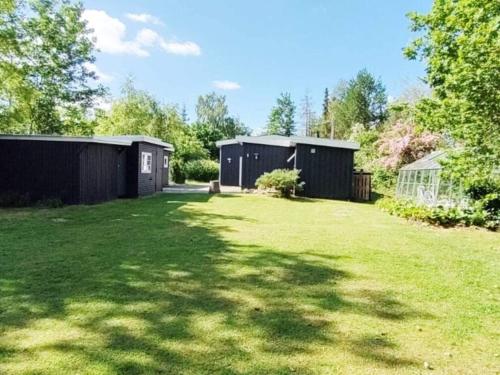


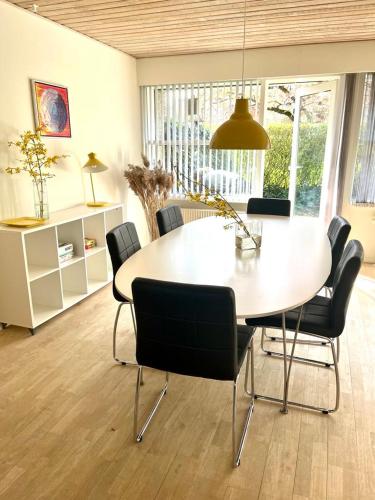
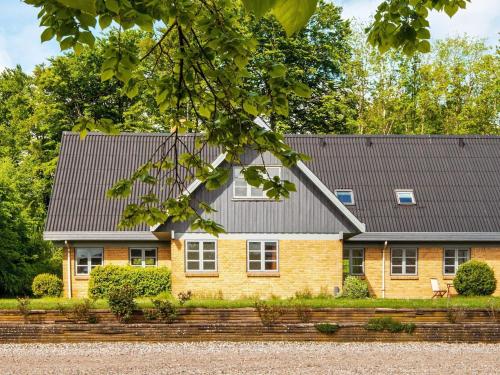

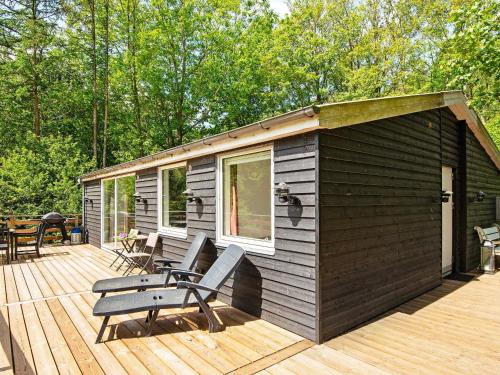

Live rates across our partner network (Booking.com, VRBO, Expedia, Hotels.com) via Stay22. Makutet may earn a commission when you book — at no extra cost to you. Prices update in real time and may vary before booking.
Experience

Guided cycling
Take a guided half-day ride starting in Copenhagen, using the city’s cycle routes to connect its harbour, streets and everyday neighbourhood life. Reserve a bicycle and guide ahead, especially for summer visits; allow several hours and dress for wind or rain.
active travellers · first-time visitors

Sailing
Join a small-boat sailing outing from the Danish Archipelago to experience the close-set islands and changing coastal weather from the water. These trips are most practical in the warmer months; book a place and check the operator’s weather policy before travelling to the departure point.
coastal travellers · couples

Guided coastal walk
Spend a guided day exploring Skagen on foot, with time for the meeting of the North Sea and Baltic Sea and the town’s distinctive coastal setting. Longer daylight and milder conditions suit late spring and summer; reserve a guide in advance and allow a full day for the outing.
walkers · photographers

Nature walk
Take a locally guided walk in Wadden Sea National Park, where the coast and tidal conditions shape the route and timing. Spring and autumn offer cooler walking conditions; reserve ahead and follow the guide’s tide and weather instructions, as access is not simply a matter of arriving at any hour.
nature travellers · birdwatchers
Things to do
What Makutet's Denmark research recommends, and where the tours that cover it can actually be booked.
Editorial recommendations from Makutet's Denmark research. Tickets and tours are searched on GetYourGuide.
Copenhagen by bicycle
Take a guided half-day ride starting in Copenhagen, using the city’s cycle routes to connect its harbour, streets and everyday neighbourhood life. Reserve a bicycle and guide ahead, especially for summer visits; allow several hours and dress for wind or rain.
Sailing among the Danish Archipelago
Join a small-boat sailing outing from the Danish Archipelago to experience the close-set islands and changing coastal weather from the water. These trips are most practical in the warmer months; book a place and check the operator’s weather policy before travelling to the departure point.
Skagen coast and landscape day
Spend a guided day exploring Skagen on foot, with time for the meeting of the North Sea and Baltic Sea and the town’s distinctive coastal setting. Longer daylight and milder conditions suit late spring and summer; reserve a guide in advance and allow a full day for the outing.
Wadden Sea National Park nature outing
Take a locally guided walk in Wadden Sea National Park, where the coast and tidal conditions shape the route and timing. Spring and autumn offer cooler walking conditions; reserve ahead and follow the guide’s tide and weather instructions, as access is not simply a matter of arriving at any hour.
Skagen
A town located at the northernmost point of Denmark where the Skagerrak and Kattegat seas meet at a sand spit.
Legoland Billund
The original Legoland park located in the town of Billund, central to the identity of Danish toy manufacturing history.
Activity cards are editorial — Makutet is not selling these specific experiences. The partner search opens GetYourGuide for Denmark, where availability and price are theirs.
Understand
The context that turns a visit into an understanding.

macro_region
The mainland portion of Denmark that extends northwards from Germany, forming the western part of the country's landmass.

macro_region
A collection of hundreds of islands including Zealand, Funen, and Lolland, which constitute the eastern part of the nation.

sub_region
The northernmost part of the Jutland peninsula, separated from the mainland by the Limfjord, characterized by its sandy coastlines.

sub_region
The capital region situated on the eastern coast of the island of Zealand, serving as the primary urban center of the country.

Food
Smørrebrød is an open-faced rye-bread meal, often served with carefully arranged savoury toppings. In Copenhagen, make lunch part of the day rather than assuming every meal is a late dinner; popular dining rooms may require advance reservations.

Bakery culture
A bakery stop for Danish pastries and coffee is a simple way to pace a day in Copenhagen or elsewhere in Denmark. Pastries are a bakery tradition rather than a uniquely named attraction: go earlier for the broadest choice and expect cafés to be a useful pause when coastal weather turns unsettled.

Culture
Hygge describes a Danish preference for ease, warmth and convivial company, often expressed through a relaxed meal, candlelight or a café pause. It is a social habit, not a scheduled performance; Copenhagen cafés offer an easy place to observe its everyday scale.

Urban custom
In Copenhagen, cycling is part of ordinary city movement, not only a visitor activity. Keep to the cycle space, look before crossing it and avoid stopping in the flow to take photographs; the same practical awareness matters when walking with a pushchair or travelling alongside cyclists.

Food tradition
Rugbrød, the dense rye bread associated with Danish meals, is a useful point of reference when choosing a simple lunch or provisions for a day out from Copenhagen. It is filling and travels more readily than a plated meal, making it practical for an itinerary that includes time on the coast.
When to go
June–August
Summer
Longer daylight and milder conditions favour coast and island travel.
April–May
Spring
A fresh shoulder season for city and regional journeys.
September–October
Autumn
A quieter period with increasingly changeable weather.
November–March
Winter
Cold, windy conditions and limited daylight shape travel.
Practical
Money, transport, connectivity and the details that matter on the ground.
Budget
Denmark uses the Danish krone. Cards are widely accepted, so a traveller can usually handle everyday spending electronically; keep a little cash for occasional small or cash-only transactions rather than relying on it. Accommodation, dining and city activities in Copenhagen are major calls on a budget, while reaching island and coastal areas can add transport costs. Summer demand can make popular stays and travel dates more expensive than quieter periods.
Transport
Rail and public transport connect major urban areas, while the Jutland peninsula gives road travellers a direct mainland route from Copenhagen’s wider region and onward journeys to Germany. Island itineraries need an additional connection, so plan the crossing and local onward transport before booking accommodation on Bornholm or elsewhere in the Danish Archipelago. Denmark drives on the right; a car is useful for dispersed rural stops but not essential for a Copenhagen stay.
Safety
Denmark is generally straightforward to navigate, but normal city awareness still matters in busy Copenhagen and around cycle lanes: look both ways before crossing and keep belongings in view. The emergency number is 112. Tap water is safe to drink, and tipping is not obligatory; rounding up or leaving a modest amount for notably good service is a personal choice.
Connectivity
Mobile coverage and Wi-Fi are practical in Copenhagen and larger towns; check your roaming terms or arrange an eSIM before travelling if your plan does not cover Denmark. Danish sockets use Type C and Type K plugs, so visitors whose devices use other plugs should bring a compatible adaptor. Download offline directions before heading into rural parts of Jutland or island areas where reception may be less consistent.
Seasonal weather
Denmark has a temperate maritime climate: expect changeable conditions, wind and rain rather than reliably dry weather. May to September generally brings the mildest conditions and longest days; summer is the most comfortable period for cycling, island visits and coastal walks, though showers remain possible. Winter days are short, cold and often damp, so Copenhagen suits a city-focused visit better than an itinerary built around long outdoor days. Pack layers and waterproof outerwear in every season.
Accessibility and mobility
Copenhagen’s flatter streets and public transport can make central urban travel manageable, but older paving, kerbs, busy cycle lanes and crowded spaces can obstruct wheelchair and pushchair movement. Beyond the city, coastal paths, sand and uneven ground around Skagen and Wadden Sea National Park are genuine barriers to some visitors. Access varies across trains, local transport and accommodation stock; check step-free access, lifts, room layout and the final route to the entrance directly before booking, especially on Bornholm or in rural Jutland.
Getting around
Airport transfers, rail, buses, ferries and car hire for Denmark — arranged before you fly, priced by the supplier.
Stay connected
Install an eSIM before you fly and you are online the moment you land in Denmark — no roaming charges, no shop queue at the airport.
Moments
Denmark is best read through the relationship between its land and water. Jutland reaches between the North Sea and the Baltic, while the Danish Archipelago turns distance into a succession of island passages. Copenhagen, Zealand and the named regional places provide human scale to this geography, each offering a different point from which to understand the country.
The signature moment
At Skagen, let the hour be late enough for the light to soften, but not so late that the coast disappears into dusk. The first impression is space: a low horizon, open water, and wind moving across the northern edge of Jutland. Listen for the restless hiss of the sea and the gusts passing over the shore; feel the air cool against the face and the sand give slightly underfoot. There is no city noise to compete with the water. Taste belongs to the ordinary pause of a day spent outside—a warm drink or a simple meal taken after the walk—rather than to spectacle. Stay long enough to notice how the light changes the colour of the coast, then turn back towards the land. Skagen contains Denmark in miniature not because it stands for every region, but because it makes the country’s defining condition visible: land shaped by the meeting of seas, and a journey whose sense of place comes from moving between coast, interior and island. From this northern edge, the wider map of Jutland and the archipelago feels less like a collection of separate stops than one continuous conversation with water.
The story behind it
Denmark’s heritage is inseparable from its position between the North Sea and the Baltic and from the many islands that shape movement through the country. The Jutland peninsula connects it by land to Germany, while maritime routes and island communities have long made water a medium of contact as well as a boundary. That setting has supported exchange and political reach, but it also invites an honest account of power, conflict and changing borders rather than a simple story of national continuity. Today, Copenhagen and the regions of Jutland, Zealand and the archipelago hold different layers of that inheritance. Places such as The Little Mermaid and Tivoli Gardens belong to the country’s public cultural identity; they sit within a larger history formed by geography, settlement and the shifting relationship between mainland and islands.
Before you go
Give Denmark enough time to become more than Copenhagen. A day among the capital’s familiar places can establish the cultural frame; a later journey through Jutland, Zealand or the islands reveals how strongly coast and crossing shape the country beyond it. The best close is not a final checklist, but a remembered change of light on water and the practical knowledge of how mainland and island fit together. Leave room for weather to set the pace, and Denmark’s geography will do the rest.
Island geography
Denmark’s archipelago is made up of 443 named islands, so the country’s relationship with water is structural rather than merely coastal.
Two-sea setting
Jutland is bounded by the North Sea to the west and the Baltic Sea to the east, while Germany shares Denmark’s land border to the south.
June–August
Long, open days
Summer brings the most reliable combination of longer daylight and milder conditions for exploring Skagen, Jutland and the islands. Keep an eye on wind and rain, and allow flexibility for coast-facing days.
April–May; September–October
Shoulder-season balance
These months can work well for Copenhagen and regional journeys, with changeable temperatures and weather. Build the itinerary around accessible bases and check crossing arrangements before committing to island connections.
November–March
Short, unsettled days
Winter brings shorter daylight, colder temperatures and a greater chance of wind and rain, especially along exposed coasts. Prioritise Copenhagen and indoor visits, and avoid relying on long outdoor days or tightly timed coastal plans.
FAQ
Denmark uses the Danish krone. Cards are widely accepted, though a little cash can help with occasional small transactions.
May to September usually brings milder weather and longer days, making it easier to combine Copenhagen with coastal and island visits.
Not for a Copenhagen stay; public transport works well for city travel. A car can help with dispersed rural stops in Jutland.
Treat Bornholm as a separate island leg: organise the connection and local onward transport before choosing accommodation, especially in summer.
Yes. Tap water is safe to drink, so you can refill a reusable bottle during your visit.
Bring layers and a waterproof outer layer. Wind and showers can occur even during the milder months from May to September.
Access varies. Copenhagen’s flatter areas can help, but kerbs, older paving, cycle lanes and sandy coastal paths can present obstacles; confirm step-free routes and accommodation details ahead.
Before you go
The last thing most travellers forget — and the disclosure that applies to every partner link on this page.
Booking and rate checks run on the partner's own site; prices and availability are theirs and can change. Some links are affiliate links and Makutet may earn a commission at no extra cost to you. See our affiliate disclosure.
Makutet builds a day-by-day itinerary around the places above — then keeps it updated as you travel.
Country guide: /country/denmark
Your assessment works without optional tracking. Necessary storage keeps your trip and privacy choice. Embedded flight search includes TravelPayouts tracking; ordinary partner links remain available if you decline.
Cookie policy · Privacy policy. Reopen Cookie settings to change your choice. Supplier-site cookies are controlled by that supplier.