
Historic urban center
Dubrovnik
A coastal city famous for its well-preserved medieval limestone walls and historic Old Town designated as a world heritage site.

europe
Croatia sits where Central Europe meets the Mediterranean, its crescent of mainland opening onto the Adriatic. Inland regions, historic cities and a long island coast make the country legible through contrasts rather than a single landscape.
The country
The country
At the meeting of Central and Southeast Europe and the Mediterranean, Croatia turns from the Pannonian Basin towards the Adriatic. Its crescent-shaped mainland and more than one thousand islands create a country of distinct regions: Central Croatia, Slavonia, Istria and Dalmatia, each part of a wider passage between inland and coast.
Why visit
Croatia rewards a journey that follows its geography rather than treating the coast as the whole story. The mainland bends between Central Europe and the Mediterranean, while the Adriatic edge opens into a far-reaching island world. That change of orientation is visible in the country’s named regions: Central Croatia and Slavonia belong to the inland frame; Istria and Dalmatia turn towards the sea. Travelling between them gives a sense of how a small map can hold different landscapes and histories without making them interchangeable. The places recorded in Croatia’s identity make that variety tangible. Zagreb offers an urban point of departure; Dubrovnik and Diocletian’s Palace bring the layered history of the coast into focus. At Plitvice Lakes National Park and Krka National Park, water shapes the experience in an entirely different register, while Kornati National Park and Hvar point towards the islands. Pula Arena adds another kind of historical presence. These are not a checklist to hurry through, but anchors for choosing a route: combine an inland stop with a coastal base, or let one stretch of the Adriatic set the pace. April–May and September–October are the clearest seasonal windows; June–August remains workable, though more mixed, and November–March is the period to approach with greater care. Croatia suits travellers willing to notice the transition from mainland to island, and to give each region time to feel distinct.
What it feels like
The atmosphere shifts with the terrain: the Adriatic gives the coast and islands their open, maritime character, while inland routes lead through a different Central European setting. Dubrovnik, Diocletian’s Palace and Pula Arena place history directly in the built environment; Plitvice Lakes National Park, Krka National Park and Kornati National Park make landscape central to the day. It is a country best experienced by moving between these registers rather than expecting one mood throughout.
Who it suits
Croatia suits travellers who enjoy combining historic places, national parks and time by the Adriatic, and who are content to plan connections between the mainland and islands. It is especially rewarding for those willing to balance the coast with Central Croatia or Slavonia, rather than making every day an island or beach day.
How to get here
Live fares into Croatia across hundreds of airlines, compared in one search. Book directly with the airline or agent — Makutet never adds a fee.
Live fares to Croatia across hundreds of airlines. Book directly with the airline or agent — no extra cost to you.
Embedded flight search uses TravelPayouts cookies and tracking. Enable partner search to load it here, or continue directly on the partner site.
The external partner link includes Makutet's affiliate marker; confirm your route, dates and passengers there. No booking is made on Makutet.
Live search and booking run on the TravelPayouts partner engine. Fares update in real time and may vary before booking. Any prices shown elsewhere on Makutet are monitored observations, not live quotes.
Identity
The places that define the country rather than merely sit inside it.
Historic urban center
A coastal city famous for its well-preserved medieval limestone walls and historic Old Town designated as a world heritage site.

National park
A protected forest reserve containing a system of sixteen terraced lakes joined by waterfalls that extend into a limestone canyon.

Archaeological site
An ancient palace built by the Roman Emperor Diocletian in the 4th century, which forms the historic core of the city of Split.

Island
A long island in the Adriatic Sea known for its historic town, Venetian-era architecture, and Mediterranean climate.
Imagery


Discover

Capital city
The capital and largest city of Croatia, situated in the northwestern part of the country, featuring Austro-Hungarian architecture.

National park
A protected area along the Krka River featuring a series of large travertine waterfalls and historic watermills.

Ancient landmark
A well-preserved Roman amphitheater located on the Istrian peninsula, originally constructed during the 1st century AD.

National park
An archipelago consisting of 89 islands, islets, and reefs located in the central part of the Croatian Adriatic coast.
Stay
The bases that actually change the trip.

Guesthouse or apartment
Staying in Dubrovnik puts historic streets close at hand, but arrival may involve steps, slopes and a walk from vehicle access to the door. It suits spring and autumn city breaks as well as summer stays; reserve early for the warm season and confirm luggage access, stairs and air conditioning directly with the host.
city-break travellers · independent visitors

Island apartment
An apartment in Hvar makes the island the base rather than a brief stop: reach it by sea, then plan around boat schedules and the time needed to travel to and from the mainland. Summer is the most natural fit for island life, but book accommodation and crossings ahead and check how far the property is from the arrival point.
island stay travellers · couples

Rural guesthouse
A rural guesthouse in Istria gives a quieter base for exploring the region, but reaching dispersed stops is easier with a car than by relying on local transfers. Spring and early autumn suit unhurried days out. Check the distance to services and arrange transport before booking, particularly if you do not plan to drive.
slow travellers · self-drive visitors

City hotel
A hotel in Zagreb suits an interior-focused stay and makes a practical starting point before travelling towards the coast. It is less suited to a trip centred on island time, which requires onward travel and sea connections. Spring and autumn are comfortable for city walking; check step-free access and transport links when choosing a property.
culture-focused travellers · mainland starters
Where to stay
Live rates across Booking.com, Agoda, VRBO and Expedia for Croatia. Compare the areas above, then check what a night actually costs.
Popular destinations
Live rates across Booking.com, Agoda, VRBO and Expedia for Croatia — no extra cost to you.


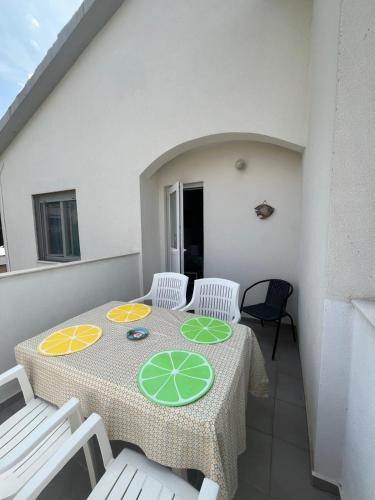

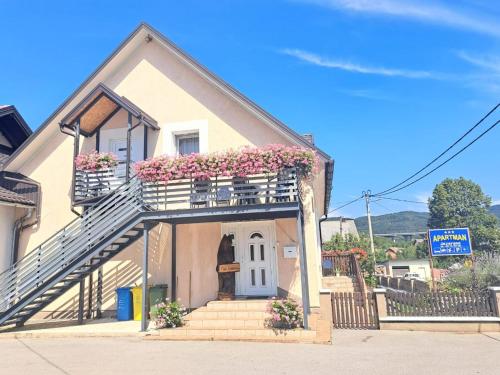
Live rates across our partner network (Booking.com, VRBO, Expedia, Hotels.com) via Stay22. Makutet may earn a commission when you book — at no extra cost to you. Prices update in real time and may vary before booking.
Experience

Guided cultural walk
Start in Dubrovnik for a guided town walk of around two to three hours, with time for the old streets and historic setting. Walking tours are most comfortable in spring and early autumn; reserve a guide ahead in summer and confirm the route’s steps and walking distance.
history-minded travellers · city walkers

Guided nature walk
Use Plitvice Lakes National Park as the starting point for a full-day guided walk through its lakes and waterfalls. Allow most of the day for park paths and transfers; spring and early autumn offer milder walking conditions. Arrange park entry and any guided transport ahead, especially for summer visits.
nature lovers · active travellers

Sailing and boat trip
Join a reserved sailing or small-boat day based in Hvar, spending several hours on the water and returning to the island the same day. This is chiefly a warm-season activity; book the boat and check departure arrangements ahead, as the crossing and return depend on sea conditions and the day’s service.
island explorers · sea lovers

Self-drive regional day
Make Istria the base for a full-day self-drive between its coastal and inland landscapes, allowing time for stops rather than treating the region as a quick transfer. Spring and early autumn suit a longer day out. Reserve a hire car ahead in busy summer periods and check parking and return arrangements at your overnight base.
independent travellers · road-trip planners
Things to do
What Makutet's Croatia research recommends, and where the tours that cover it can actually be booked.
Editorial recommendations from Makutet's Croatia research. Tickets and tours are searched on GetYourGuide.
Guided walk through Dubrovnik
Start in Dubrovnik for a guided town walk of around two to three hours, with time for the old streets and historic setting. Walking tours are most comfortable in spring and early autumn; reserve a guide ahead in summer and confirm the route’s steps and walking distance.
Plitvice Lakes National Park walking day
Use Plitvice Lakes National Park as the starting point for a full-day guided walk through its lakes and waterfalls. Allow most of the day for park paths and transfers; spring and early autumn offer milder walking conditions. Arrange park entry and any guided transport ahead, especially for summer visits.
Dalmatian island sailing day from Hvar
Join a reserved sailing or small-boat day based in Hvar, spending several hours on the water and returning to the island the same day. This is chiefly a warm-season activity; book the boat and check departure arrangements ahead, as the crossing and return depend on sea conditions and the day’s service.
Istria coastal and inland driving day
Make Istria the base for a full-day self-drive between its coastal and inland landscapes, allowing time for stops rather than treating the region as a quick transfer. Spring and early autumn suit a longer day out. Reserve a hire car ahead in busy summer periods and check parking and return arrangements at your overnight base.
Zagreb
The capital and largest city of Croatia, situated in the northwestern part of the country, featuring Austro-Hungarian architecture.
Krka National Park
A protected area along the Krka River featuring a series of large travertine waterfalls and historic watermills.
Activity cards are editorial — Makutet is not selling these specific experiences. The partner search opens GetYourGuide for Croatia, where availability and price are theirs.
Understand
The context that turns a visit into an understanding.

macro_region
This interior region contains the capital city of Zagreb and is characterized by low-lying plains and rolling hills leading toward the Pannonian Basin.

macro_region
A coastal region stretching along the Adriatic Sea, defined by its rugged karst topography, narrow coastal plains, and numerous offshore islands.

sub_region
A triangular peninsula in the northern Adriatic known for its diverse geology, hilltop settlements, and coastal resorts.

sub_region
A fertile lowland region located in the eastern part of the country, bordered by the Drava, Danube, and Sava rivers.

Food
Along the Dalmatian coast, seafood and olive oil are central to the local table. Treat a meal as part of the coastal experience, and expect menus and availability to reflect the season and the day’s catch rather than a single fixed national dish.

Regional cuisine
Istria is associated with truffles and a distinct regional food culture. Look for truffle-led dishes alongside local olive oil, and allow time for a meal away from the coast if exploring the region’s inland character.

Wine
Wine is part of Croatia’s regional food culture, with coastal and inland settings shaping what appears on local tables. Ask for a regional glass with a meal in Dalmatia or Istria rather than assuming one style represents the whole country.

Culture and travel rhythm
Croatia’s crescent-shaped mainland and Adriatic islands create different daily rhythms: on Hvar and other islands, plans must account for sea crossings, while Zagreb and Central Croatia operate as mainland bases. Build travel time into the day instead of treating island connections as a minor detail.

Urban character
Dubrovnik’s historic setting rewards a slower walk through its streets, but its built environment also means steps and slopes are part of the visit. Early or later walking in the day can make a longer visit more comfortable in the warmer months.
When to go
April–May
Spring
A favourable window for inland and coast
June–August
Summer
Coastal travel, with a mixed outlook
September–October
Early autumn
A favourable window for varied routes
November–March
Winter
A less suitable window for a broad itinerary
Practical
Money, transport, connectivity and the details that matter on the ground.
Budget
Croatia uses the euro. Cards are useful in many established businesses, but keep some cash for small purchases or places that do not take cards, and check payment options before relying on one method. Accommodation, meals and transport weigh heavily on a trip budget; island logistics add time and cost, while the Adriatic coast and summer demand tend to be costlier than an off-season stay in Central Croatia or Slavonia.
Transport
Road travel links Central Croatia, Slavonia, Istria and Dalmatia, while reaching Hvar and other islands requires planning around sea connections. Driving is on the right; a car gives flexibility for regional stops but is not a substitute for checking island schedules. Allow extra time when changing between mainland travel and a boat departure.
Safety
Use ordinary urban and coastal precautions in Dubrovnik, Zagreb and busy visitor areas, and take care on uneven stone streets and exposed walking routes. The emergency number is 112. Tap water is generally safe to drink, and tipping is customary for good service rather than a fixed obligation.
Connectivity
Mobile coverage is generally practical in populated parts of Croatia, but service can be less dependable on the water or in remote areas of national parks. Arrange an eSIM or roaming before departure if you need maps and booking details in transit, and download essential information before a day at Plitvice Lakes National Park or on an island crossing.
Seasonal weather
Croatia has hot, dry summers along the Adriatic and colder, more continental winters inland. June to August bring the strongest heat and busiest coastal and island travel, so plan walking for cooler parts of the day and reserve ahead. April–May and September–October are milder shoulder seasons well suited to city and regional touring; November–March is cooler, with reduced island activity and more changeable conditions.
Accessibility and mobility
Expect varied access rather than a consistently step-free journey. Dubrovnik and other historic settings include slopes, steps and uneven paving; island travel adds boarding and schedule constraints, and national-park paths may not suit every wheelchair or pushchair. Older companions and travellers with reduced mobility should check the exact route, ferry boarding arrangements, accommodation entrance and lift access before booking, and consider Zagreb or a well-connected mainland base to reduce transfers.
Getting around
Airport transfers, rail, buses, ferries and car hire for Croatia — arranged before you fly, priced by the supplier.
Stay connected
Install an eSIM before you fly and you are online the moment you land in Croatia — no roaming charges, no shop queue at the airport.
Moments
Croatia is best understood as a meeting place: Central and Southeast Europe opening towards the Mediterranean, and a mainland route giving way to an island coast. Its regions and landmarks tell different parts of that story. Follow them with attention to the transitions, and the country becomes more than a succession of celebrated names.
The signature moment
At Plitvice Lakes National Park, let the first stretch of the day be about water. The lake surfaces hold the light in shifting patches; beneath and around them, the sound of moving water keeps changing as the path carries you onwards. The air feels cool and damp beside the water, while the ground and vegetation make the route seem close and immediate. Pause long enough to hear the place before moving on; taste a simple drink or a small piece of food you have brought, rather than letting the visit become only a sequence of photographs. Nothing here needs a grand explanation. Water, light and the steady passage between one view and the next are enough. Then the setting widens into the country’s larger pattern. Plitvice belongs to the interior, not the Adriatic coast, yet it sits within the same journey as Dalmatia, Dubrovnik and the islands. Croatia’s defining experience is this change of scale and setting: from a landscape formed around lakes to a mainland that opens towards the sea, from national park to historic city, from road to island connection. The country is not one continuous coastal scene. It is a route between different ways of inhabiting the same geographical crossroads.
The story behind it
Croatia’s position at the crossroads of the Pannonian Basin and the Mediterranean has shaped a heritage visible in both inland and coastal places. Pula Arena, Diocletian’s Palace and Dubrovnik preserve distinct architectural and historical settings; Zagreb provides a further urban point of reference. These places testify to long layers of settlement and power, not to a single, seamless national story. The country’s modern character is also shaped by difficult histories and political change. A responsible visit recognises that heritage sites are not detached scenery: they belong to communities whose pasts include conflict as well as cultural exchange. Read together, the places offer a grounded account of Croatia’s varied regional inheritance without reducing it to one origin or a simple chronology.
Before you go
A Croatian journey need not cover every region to feel complete. Choose a centre of gravity—Zagreb, the Adriatic, or an inland landscape such as Plitvice Lakes National Park—and let one considered change of setting give the trip its shape. When the coast calls, remember that the mainland and islands are parts of a connected geography, not interchangeable backdrops. Leave room for the passage between them; that transition is one of the country’s most revealing experiences.
A crescent of land
Croatia’s mainland is crescent-shaped, positioned between the Pannonian Basin and the Mediterranean, with more than one thousand islands along its Adriatic coastline.
Four regional lenses
Central Croatia, Dalmatia, Istria and Slavonia offer four useful regional frames for understanding a country whose inland and Adriatic settings differ markedly.
April–May
Spring clarity
This is one of Croatia’s green seasonal windows. It suits an itinerary combining an inland place such as Plitvice Lakes National Park with a coastal stay, before the mixed high-summer period.
June–August
Summer coast
Summer remains a viable time to travel, particularly if the Adriatic and islands are central to the plan. Treat it as a mixed window and organise mainland-to-island connections and key visits in advance.
November–March
Winter limits
This is the red seasonal window in the available guidance. A trip can still be shaped around Zagreb or particular cultural interests, but do not assume the full coastal and island itinerary will be equally suitable.
FAQ
April–May and September–October are milder periods for regional touring. June–August are hotter and busier on the coast and islands; November–March is cooler and less suited to island-focused plans.
Hvar is an island, so plan a sea connection and allow time for the crossing and onward travel. Check the current sailing schedule and reserve ahead during the busy summer period.
Driving is on the right and can help explore Istria, Central Croatia and Slavonia. A car does not replace sea connections to islands, so plan parking and transfers around any boat departure.
Croatia uses the euro. Cards are accepted in many established businesses, but carrying some cash is prudent for smaller purchases and places without card payment.
Tap water is generally safe to drink. Carry water on longer walks, particularly in the warmer months on the coast or at Plitvice Lakes National Park.
Historic streets in Dubrovnik can be steep and uneven, and island boarding and park paths may present obstacles. Confirm step-free access, route surfaces and accommodation arrangements before booking.
Before you go
The last thing most travellers forget — and the disclosure that applies to every partner link on this page.
Booking and rate checks run on the partner's own site; prices and availability are theirs and can change. Some links are affiliate links and Makutet may earn a commission at no extra cost to you. See our affiliate disclosure.
Makutet builds a day-by-day itinerary around the places above — then keeps it updated as you travel.
Country guide: /country/croatia
Your assessment works without optional tracking. Necessary storage keeps your trip and privacy choice. Embedded flight search includes TravelPayouts tracking; ordinary partner links remain available if you decline.
Cookie policy · Privacy policy. Reopen Cookie settings to change your choice. Supplier-site cookies are controlled by that supplier.