
National Park
Torres del Paine National Park
A protected area in Chilean Patagonia featuring granite peaks, glaciers, and large lakes that attract significant international tourism.

americas
Chile is shaped by distance: the Andes stand to the east, the Pacific to the west, and climates shift across a long reach of the continent. Its deserts, central cities, southern islands and Patagonia reward a journey planned around transitions rather than a single region.
The country
The country
Chile runs for a great distance along South America's western edge, held between the Andes and the Pacific. Northern Chile, Central Chile and Southern Chile are not interchangeable stages: the Atacama Desert, Patagonia and island landscapes each bring a distinct scale, climate and way of travelling.
Why visit
Chile is best understood through its changes of scale. In the north, the Atacama Desert and Atacama Salt Flat make the dry interior a defining presence; farther south, the country's geography opens into the regions of Central Chile and Southern Chile, before reaching Patagonia and island-studded southern waters. The Andes form the eastern boundary while the Pacific marks the west, so a journey is continually oriented between mountain and coast, interior and shore. That long, narrow form is not merely a feature on a map: it shapes the practical rhythm of travel, making regional choices more meaningful than trying to cover the country as one continuous itinerary. The named places offer different ways into that geography. Santiago gives the journey a city anchor; Valparaíso brings the Pacific-facing coast into view. Torres del Paine National Park stands for Patagonia's expansive southern landscape, while the Marble Caves and Chiloé Island point towards the character of the south and its archipelagos. Easter Island adds an island setting far removed in feel from the mainland's long north–south axis. Together these places show a country whose identity is made from contrasts, not a single prevailing landscape. A visit suits travellers willing to give distance its due: to select a region, allow time for transfers, and accept that the experience changes with latitude and season. The reward is a journey in which desert, city, coast, mountains and islands belong to one national story, yet ask to be encountered at their own pace. Chile is not a destination to reduce to a checklist; it is a country to read in sections, noticing how each landscape alters the meaning of the next.
What it feels like
The atmosphere shifts with the terrain: dry openness in the Atacama Desert, urban focus in Santiago, Pacific-facing character around Valparaíso, and a more island-shaped sense of place in Southern Chile. Across the country, the Andes and ocean remain constant points of orientation, even as the weather and landscape change.
Who it suits
Chile suits independent travellers who enjoy landscape-led journeys, can plan around long distances and changing conditions, and would rather explore one or two regions properly than hurry through the whole country. It also appeals to travellers interested in how cities, coast, desert and southern islands fit within one long geography.
How to get here
Live fares into Chile across hundreds of airlines, compared in one search. Book directly with the airline or agent — Makutet never adds a fee.
Live fares to Chile across hundreds of airlines. Book directly with the airline or agent — no extra cost to you.
Embedded flight search uses TravelPayouts cookies and tracking. Enable partner search to load it here, or continue directly on the partner site.
The external partner link includes Makutet's affiliate marker; confirm your route, dates and passengers there. No booking is made on Makutet.
Live search and booking run on the TravelPayouts partner engine. Fares update in real time and may vary before booking. Any prices shown elsewhere on Makutet are monitored observations, not live quotes.
Identity
The places that define the country rather than merely sit inside it.
National Park
A protected area in Chilean Patagonia featuring granite peaks, glaciers, and large lakes that attract significant international tourism.

Capital City
The capital and largest city of Chile, situated in a valley surrounded by the Andes and the Chilean Coast Range.

Island
A remote volcanic island in Polynesia known for its monumental monolithic human statues called moai created by the Rapa Nui people.

Salt Flat
The largest salt flat in Chile, located within the Antofagasta region and serving as a major habitat for various flamingo species.
Imagery


Discover

Coastal City
A major port city known for its historic funicular elevators, colorful clifftop homes, and bohemian artistic culture.

Cave System
A geological formation located in General Carrera Lake, consisting of swirling patterns carved into marble rock by glacial water erosion.

Archipelago
A large island archipelago characterized by unique wooden churches, stilt houses known as palafitos, and distinct folklore traditions.

Valley
A region known for its clear night skies, astronomical observatories, and the production of pisco, a local grape spirit.
Stay
The bases that actually change the trip.

City stay
Choose Santiago for the broadest base for an urban stay and onward travel across Central Chile. It is reached by air or overland routes; winter can bring colder, wetter city days, while summer is generally drier. Staying here makes day planning easier, but does not remove the long distances to northern or southern regions.
first-time visitors · culture seekers

Desert stay
A stay in the Atacama Desert suits travellers planning early starts, outdoor days and clear-sky evenings. Reach the desert by arranging onward transport from a regional arrival point; reserve accommodation and excursions together ahead, and allow time to adjust to altitude and the dry conditions. Winter nights can be cold even when days are bright.
nature travellers · stargazers

Rural stay
Staying in Patagonia puts walking and landscape outings within reach, but access depends on advance transport planning and weather. The southern summer is the practical choice for longer outdoor days; book beds and transfers early, and expect limited flexibility if a route or connection is disrupted.
walkers · landscape photographers

Island stay
A guesthouse on Chiloé Island makes the island itself the focus rather than a quick mainland detour. Getting there involves coordinating overland travel with a crossing; allow connection time and reserve accommodation ahead, particularly for summer travel. Island distances and transport options make a car or planned local transfers useful.
slow travellers · culture seekers
Where to stay
Live rates across Booking.com, Agoda, VRBO and Expedia for Chile. Compare the areas above, then check what a night actually costs.
Popular destinations
Live rates across Booking.com, Agoda, VRBO and Expedia for Chile — no extra cost to you.


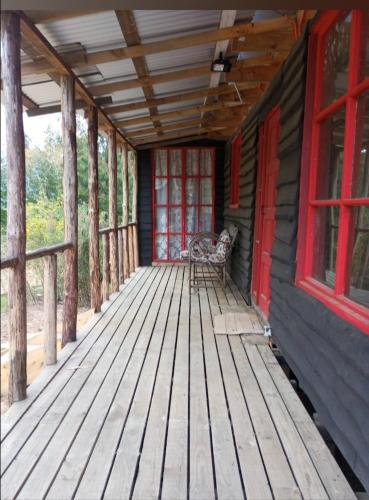
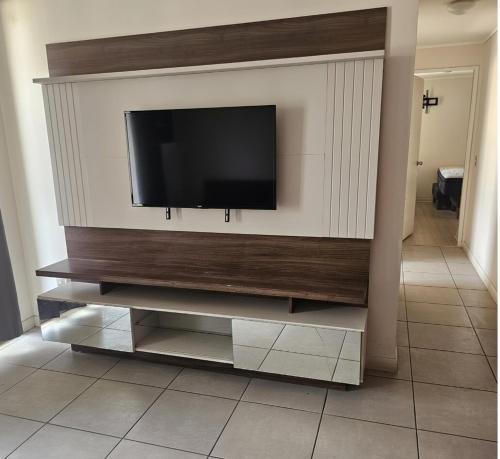
Live rates across our partner network (Booking.com, VRBO, Expedia, Hotels.com) via Stay22. Makutet may earn a commission when you book — at no extra cost to you. Prices update in real time and may vary before booking.
Experience

Guided evening
Begin in the Atacama Desert and allow an evening for a guided astronomy session; the dry, high desert setting makes clear skies a defining part of the experience. Arrange transport and a place on the tour ahead, and check conditions before travelling, particularly in winter.
stargazers · photographers

Guided outdoors
Use Patagonia as a base for a guided day walk, with the route and duration agreed to match conditions and fitness. Summer brings the more workable walking season; reserve guiding and onward transport ahead, as distances between services can shape the day.
active travellers · walkers

City walk
Spend a half-day with a local guide exploring Valparaíso on foot, using its steep streets and hillside lifts to understand how the city connects its upper neighbourhoods with the coast. Wear shoes suited to uneven slopes and arrange a guide in advance, especially in the busier summer period.
culture-focused travellers · walkers

Food and culture
Take a guided half-day walk in Santiago focused on Chilean food, markets and everyday urban life. The city is a practical starting point in any season; book a small-group or private guide ahead and confirm the meeting point and any dietary requirements.
food lovers · city explorers
Things to do
What Makutet's Chile research recommends, and where the tours that cover it can actually be booked.
Editorial recommendations from Makutet's Chile research. Tickets and tours are searched on GetYourGuide.
Atacama Desert sky-watching
Begin in the Atacama Desert and allow an evening for a guided astronomy session; the dry, high desert setting makes clear skies a defining part of the experience. Arrange transport and a place on the tour ahead, and check conditions before travelling, particularly in winter.
Patagonia walking day
Use Patagonia as a base for a guided day walk, with the route and duration agreed to match conditions and fitness. Summer brings the more workable walking season; reserve guiding and onward transport ahead, as distances between services can shape the day.
Valparaíso walking and hillside lifts
Spend a half-day with a local guide exploring Valparaíso on foot, using its steep streets and hillside lifts to understand how the city connects its upper neighbourhoods with the coast. Wear shoes suited to uneven slopes and arrange a guide in advance, especially in the busier summer period.
Santiago food and market walk
Take a guided half-day walk in Santiago focused on Chilean food, markets and everyday urban life. The city is a practical starting point in any season; book a small-group or private guide ahead and confirm the meeting point and any dietary requirements.
Valparaíso
A major port city known for its historic funicular elevators, colorful clifftop homes, and bohemian artistic culture.
Marble Caves
A geological formation located in General Carrera Lake, consisting of swirling patterns carved into marble rock by glacial water erosion.
Activity cards are editorial — Makutet is not selling these specific experiences. The partner search opens GetYourGuide for Chile, where availability and price are theirs.
Understand
The context that turns a visit into an understanding.

macro_region
An arid region characterized by the Atacama Desert, which is known for its high altitude salt flats, volcanic landscapes, and minimal annual precipitation.

macro_region
A Mediterranean-climate region containing the country's main urban centers and fertile valleys suitable for agriculture and viticulture.

macro_region
A landscape dominated by alpine conditions, featuring numerous glaciers, fjords, dense temperate rainforests, and complex coastal archipelagos.

sub_region
The driest non-polar desert in the world, spanning the northern territory and rich in mineral deposits such as copper and lithium.

sub_region
A vast geographical area encompassing the southern portion of the Andes, known for its rugged mountain peaks and extensive glacial ice fields.

Food
Empanadas are a familiar Chilean food, often eaten as a substantial snack or part of a casual meal. They are useful travel food between outings in Santiago or on long regional journeys; ask what filling is available rather than assuming one standard version.

Drink
Pisco is a defining Chilean spirit, and the Elqui Valley is a useful place to connect the drink with its regional setting. Tasting visits require transport planning if alcohol is involved; arrange a guided outing or a sober driver rather than relying on an unplanned return journey.

Culture
Chiloé Island has a distinct island character shaped by its separation from the mainland and the practicalities of crossings and local travel. Plan meals, transport and overnight stays around the island rather than treating it as a short stop on a mainland itinerary.

Neighbourhood character
Valparaíso is experienced through steep hillsides, narrow streets and links between the upper city and the coast. Walking reveals the city’s changing levels, but the gradients matter: choose routes with lifts or local guidance if steep climbs are difficult.
When to go
December–February
Southern summer
Favourable for Patagonia
March–May
Autumn transition
A regional choice
June–August
Winter
Colder southern travel
September–November
Spring transition
Plan by latitude
Practical
Money, transport, connectivity and the details that matter on the ground.
Budget
Chile uses the Chilean peso. Cards are commonly useful in cities such as Santiago, but carry cash for smaller purchases and services in rural areas, on islands and during long overland journeys. Budget pressure often comes from transport across the country’s great length, guided access in the Atacama Desert or Patagonia, and peak summer demand in southern regions; winter travel can reduce some seasonal pressure but brings different weather constraints.
Transport
Chile’s long north–south shape makes domestic flights and long-distance buses practical for different legs; do not treat a journey from Santiago to Patagonia as a short transfer. The Andes border the east and the Pacific the west, while travel to Chiloé Island requires coordinating mainland transport with a crossing. In cities, use local public transport or pre-arranged transfers; driving is on the right.
Safety
Keep valuables secure in busy urban areas, including Santiago and Valparaíso, and use reputable transport after dark. In the Atacama Desert and Patagonia, distance, exposure and changing conditions make a planned route and suitable clothing essential; tell someone your plans before remote outings. Chile’s emergency number is 133 for police, 131 for medical emergencies and 132 for fire services.
Connectivity
Mobile coverage is strongest in larger urban areas and can be patchy across Patagonia, the Atacama Desert and island routes, so download maps and essential details before leaving Santiago or another city. An eSIM or local SIM can help with navigation, but should not be treated as reliable remote-area coverage. Chile uses Type C and L plugs; bring an adaptor suited to your devices.
Seasonal weather
Chile’s seasons are reversed from the Northern Hemisphere: summer runs from December to February and winter from June to August. Central Chile, including Santiago and Valparaíso, has dry summers and wetter winters; the Atacama Desert is notably arid, while Patagonia and Southern Chile are cooler, wetter and more changeable. For longer outdoor days in Patagonia, plan for the southern summer; winter travel requires warmer layers and flexibility, especially in the south.
Accessibility and mobility
Travellers with reduced mobility, wheelchair users, pushchairs or older companions should expect uneven pavements, steep gradients and variable step-free access, particularly in Valparaíso and rural or island settings such as Chiloé Island. Santiago offers more urban transport and accommodation choice, but access varies by station, vehicle and building. The Atacama Desert and Patagonia involve rough ground, long transfers and limited accessible facilities; confirm room access, vehicle arrangements and step-free routes directly before booking.
Getting around
Airport transfers, rail, buses, ferries and car hire for Chile — arranged before you fly, priced by the supplier.
Stay connected
Install an eSIM before you fly and you are online the moment you land in Chile — no roaming charges, no shop queue at the airport.
Moments
Chile's story begins with its extraordinary length and the boundaries that define it: the Andes to the east, the Pacific to the west, and a changing sequence of regions between them. To travel here is to encounter not one settled image, but a country repeatedly reshaped by latitude, terrain and the pull of the coast.
The signature moment
At the Atacama Salt Flat, let the day begin before the brightness has taken hold. The pale ground opens around you, and the air feels dry against the face; the horizon seems to offer more space than a person can readily measure. Listen for the small sounds that remain when there is little traffic or city noise to cover them: footsteps on firm ground, a voice carried across the open, the quiet movement of your own clothing. The taste is the clean, dry feel of the morning rather than anything elaborate; water becomes a practical companion. As the light strengthens, the salt surface and distant landscape sharpen into separate planes. Stand still long enough to feel the contrast between exposed ground and the enclosing sense of the Andes beyond the wider northern landscape. This is not all of Chile, and that is precisely why the scene matters. The country is long enough to contain very different climates and forms of life, yet the same meeting of land, distance and Pacific-facing geography gives each region its place. From this northern stillness, Santiago, Valparaíso, Chiloé Island and Patagonia belong to a connected country whose character lies in the journey between unlike worlds.
The story behind it
Chile's heritage is best approached as a layered national story rather than a single founding narrative. Its long territory brings together distinct regions and island communities, while its position between the Andes and the Pacific has shaped movement, settlement and connection. Santiago and Valparaíso offer different urban and coastal perspectives; Chiloé Island and Easter Island remind visitors that Chile's identity also extends across islands and archipelagos. The country's history includes difficult chapters as well as enduring regional identities. A respectful account does not smooth those tensions into a simple tale of progress: it recognises that national life has been shaped by geography, cultural difference and contested experience.
Before you go
A good Chilean journey leaves room for its geography to register. Choose the north for the Atacama Desert and the salt flat; look to Central Chile for Santiago and the coast at Valparaíso; give Southern Chile and Patagonia the time their distances require. Then let the route end without pretending it has explained everything. The islands, mountains and Pacific edge keep the country's story open, inviting a return by a different stretch of the same long land.
A Pacific country
Chile is bordered by the Pacific Ocean to the west and the Andes Mountains to the east, a pairing that frames its long north–south geography.
Mainland and islands
Chile's territory includes islands and archipelagos, especially in the south; Easter Island is among the country's signature identity places.
December–February
Southern summer
Summer in the Southern Hemisphere generally brings the most favourable conditions for exploring Patagonia and southern landscapes. Plan transport and stays around the long distances between regions.
March–May; September–November
Shoulder seasons
Autumn and spring can work well for a regional itinerary, but conditions vary markedly between the Atacama Desert, Central Chile and Southern Chile. Check local forecasts before fixing transfers.
June–August
Winter conditions
Winter brings colder, wetter conditions to much of the south and can complicate journeys in Patagonia. The northern desert may offer a different experience, but build flexibility into onward connections.
FAQ
The southern summer, from December to February, usually offers the most workable conditions for longer outdoor days, though weather remains changeable.
Chile uses the Chilean peso. Cards are useful in cities, while cash is prudent for smaller or more remote services.
Plan an overland journey and a crossing; allow time for connections and arrange onward transport and accommodation on the island.
The country is exceptionally long, so overland travel takes substantial time. Domestic flights or long-distance buses can suit different parts of an itinerary.
Winter falls from June to August. Central Chile is generally wetter then, while Patagonia and Southern Chile are colder and more changeable.
No. Coverage can be patchy in remote areas, so download maps and essential booking details before leaving larger towns.
Before you go
The last thing most travellers forget — and the disclosure that applies to every partner link on this page.
Booking and rate checks run on the partner's own site; prices and availability are theirs and can change. Some links are affiliate links and Makutet may earn a commission at no extra cost to you. See our affiliate disclosure.
Makutet builds a day-by-day itinerary around the places above — then keeps it updated as you travel.
Country guide: /country/chile
Your assessment works without optional tracking. Necessary storage keeps your trip and privacy choice. Embedded flight search includes TravelPayouts tracking; ordinary partner links remain available if you decline.
Cookie policy · Privacy policy. Reopen Cookie settings to change your choice. Supplier-site cookies are controlled by that supplier.