
Culture
Ganvié
A stilt village constructed on Lake Nokoué, known for its unique architecture and dependence on water-based transportation.

africa
Benin’s coastal towns, lagoon settlements and northern savannahs form a compact study in West African geography and cultural inheritance. From Ganvié and Ouidah to the Atakora Mountains, journeys move between distinct landscapes and histories.
The country
The country
On the Bight of Benin, this West African nation stretches from a low, lagoon-lined coast towards northern savannah and the Atakora Mountains. Its geography gives a journey a clear northward shape, linking the coastal south and Ouémé Valley with places whose histories and landscapes are markedly different.
Why visit
Benin rewards attention to the way landscape and history meet. The coast opens onto the Bight of Benin, while the country narrows northwards into savannah and the Atakora Mountains; between them, the Ouémé Valley gives the journey another register, shaped by water and settlement. Travelling from Cotonou towards Porto-Novo, Ganvié and Ouidah brings the coastal south into focus: a region where lagoon life, urban movement and difficult historical memory sit close together. Ouidah is not simply a point on an itinerary but a place through which to consider the legacies of the Atlantic slave trade without reducing the country to that history. Abomey adds another dimension, carrying the weight of a kingdom’s heritage and the complexities of power and remembrance. Further north, Pendjari National Park and W National Park point towards a very different encounter, where savannah and wildlife replace the coastal and lagoon settings. The appeal lies in that change of scale and texture rather than in a single monument or resort. Benin suits travellers willing to make the overland journey part of the experience, to leave time for transitions between regions, and to approach cultural sites with care. Its identity is legible in the connections between water, coast, inland communities and northern landscapes: a country best understood through movement, context and attentive observation.
What it feels like
The coastal south is close to water: the Bight of Benin, lagoons and the Ouémé Valley lend the landscape a humid, shifting character. Cotonou brings a more urban pace; Ganvié makes the relationship between settlement and water unmistakable. Inland, the surroundings open towards savannah and the Atakora Mountains. Across these settings, cultural heritage is present not as a single story but as a subject of encounter and reflection, particularly in Ouidah and Abomey.
Who it suits
Benin suits culturally curious travellers who are comfortable with overland transfers and changing conditions, and who prefer to give places time rather than rush between them. It is a strong fit for those interested in coastal and lagoon life, historical interpretation in Ouidah and Abomey, or northern savannah and wildlife around Pendjari National Park and W National Park.
How to get here
Live fares into Benin across hundreds of airlines, compared in one search. Book directly with the airline or agent — Makutet never adds a fee.
Live fares to Benin across hundreds of airlines. Book directly with the airline or agent — no extra cost to you.
Embedded flight search uses TravelPayouts cookies and tracking. Enable partner search to load it here, or continue directly on the partner site.
The external partner link includes Makutet's affiliate marker; confirm your route, dates and passengers there. No booking is made on Makutet.
Live search and booking run on the TravelPayouts partner engine. Fares update in real time and may vary before booking. Any prices shown elsewhere on Makutet are monitored observations, not live quotes.
Identity
The places that define the country rather than merely sit inside it.
Culture
A stilt village constructed on Lake Nokoué, known for its unique architecture and dependence on water-based transportation.

History
A historic coastal town that served as a major port during the transatlantic slave trade and a center for voodoo practice.

History
The capital of the former Kingdom of Dahomey, featuring a complex of earthen palaces designated as a UNESCO World Heritage site.

Wildlife
A large wildlife sanctuary in the northwest, forming part of the W-Arly-Pendjari complex for regional biodiversity.
Imagery


Discover

Urban
The largest city and economic center of Benin, located on the Atlantic coast and home to the country's main international airport.

Culture
The official capital city of Benin, noted for its colonial-era architecture and historical significance as a former French port.

Nature
A coastal town located between the Atlantic Ocean and the Mono River, known for its beaches and artisanal fishing activities.

Wildlife
A transboundary protected area shared with Niger and Burkina Faso, characterized by its distinct W-shaped river meanders.
Stay
The bases that actually change the trip.

City accommodation
Choose Cotonou for the broadest practical base in the Coastal South, with onward road travel towards Ouidah and Grand-Popo. It suits visits in either season, though wet-season journeys can take longer; expect an urban stay rather than a quiet beach retreat and arrange transfers for excursions.
first-time visitors · independent travellers

Park-area lodge
Staying near Pendjari reduces the overland approach required for wildlife drives and early park departures. This is most practical in the dry season; reserve accommodation, park arrangements and transport ahead, as the northern location makes spontaneous changes harder than from Cotonou.
wildlife travellers · nature-focused visitors

Guesthouse
Use Porto-Novo as a quieter urban base for the south and Ouémé Valley, reached by road from the coastal corridor. It works across the year, but allow extra travel time in wet conditions and organise transport in advance for trips beyond the city.
culture-focused travellers · slower-paced visitors

Coastal guesthouse
A stay in Grand-Popo prioritises the coast and a slower pace over quick access to northern parks. Reach it by road from the southern urban centres; the wet season can complicate travel, so confirm transfers and local access before booking activities or onward journeys.
coastal travellers · relaxed itineraries
Where to stay
Live rates across Booking.com, Agoda, VRBO and Expedia for Benin. Compare the areas above, then check what a night actually costs.
Popular destinations
Live rates across Booking.com, Agoda, VRBO and Expedia for Benin — no extra cost to you.


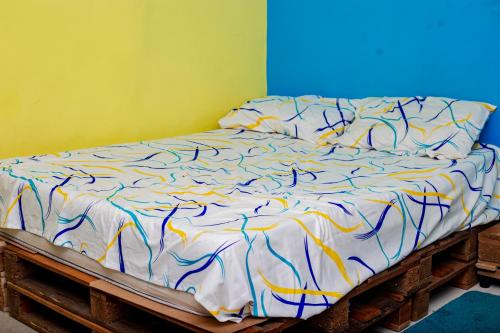
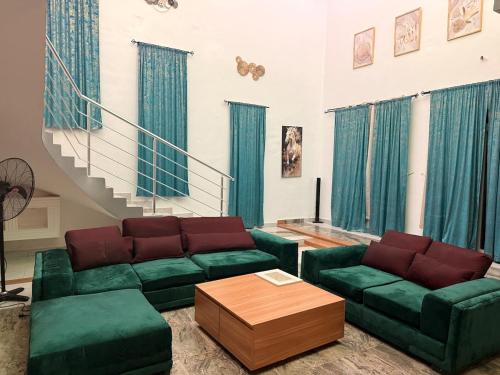
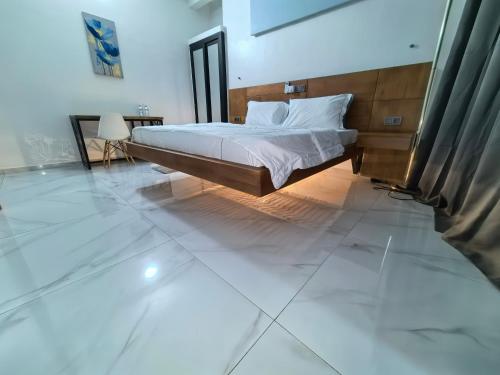
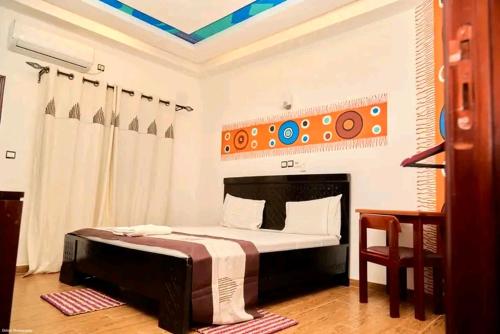


Live rates across our partner network (Booking.com, VRBO, Expedia, Hotels.com) via Stay22. Makutet may earn a commission when you book — at no extra cost to you. Prices update in real time and may vary before booking.
Experience

Boat excursion
Start at Ganvié for a guided boat outing through the waterside settlement and its channels. Allow half a day; arrange the boat and guide ahead, particularly in the drier travel season, and confirm the return arrangements before setting out.
culture-focused travellers · photographers

Guided cultural day
Use Ouidah as the base for a guided day exploring the town’s recorded heritage and cultural traditions. Plan a full day from the coastal south; reserve a knowledgeable local guide ahead, and check seasonal access and transport before fixing the itinerary.
history-minded travellers · cultural travellers

Wildlife drive
Arrange a guided vehicle outing in Pendjari National Park, allowing at least a full day for travel within the park and wildlife viewing. The dry season is the practical period for this kind of visit; book park access, a vehicle and a guide ahead, and confirm current conditions before departure.
wildlife enthusiasts · photographers

Guided walk
Take a guided walking day in the Atakora Mountains, with the route and duration agreed locally to match conditions and ability. The drier months are generally more suitable for walking; arrange a local guide and transport ahead, as access is less straightforward than in the coastal south.
active travellers · landscape lovers
Things to do
What Makutet's Benin research recommends, and where the tours that cover it can actually be booked.
Editorial recommendations from Makutet's Benin research. Tickets and tours are searched on GetYourGuide.
Ganvié lagoon day by boat
Start at Ganvié for a guided boat outing through the waterside settlement and its channels. Allow half a day; arrange the boat and guide ahead, particularly in the drier travel season, and confirm the return arrangements before setting out.
Ouidah heritage day
Use Ouidah as the base for a guided day exploring the town’s recorded heritage and cultural traditions. Plan a full day from the coastal south; reserve a knowledgeable local guide ahead, and check seasonal access and transport before fixing the itinerary.
Pendjari wildlife drive
Arrange a guided vehicle outing in Pendjari National Park, allowing at least a full day for travel within the park and wildlife viewing. The dry season is the practical period for this kind of visit; book park access, a vehicle and a guide ahead, and confirm current conditions before departure.
Atakora Mountains guided walk
Take a guided walking day in the Atakora Mountains, with the route and duration agreed locally to match conditions and ability. The drier months are generally more suitable for walking; arrange a local guide and transport ahead, as access is less straightforward than in the coastal south.
Cotonou
The largest city and economic center of Benin, located on the Atlantic coast and home to the country's main international airport.
Porto-Novo
The official capital city of Benin, noted for its colonial-era architecture and historical significance as a former French port.
Activity cards are editorial — Makutet is not selling these specific experiences. The partner search opens GetYourGuide for Benin, where availability and price are theirs.
Understand
The context that turns a visit into an understanding.

macro_region
This region consists of a low-lying sandy coast with lagoons and marshes, characterized by a tropical climate with high humidity.

macro_region
This region features elevated plains and dry savannah landscapes, experiencing a distinct wet and dry season cycle.

sub_region
A fertile lowland region located in the southeast, associated with the Ouémé River basin and extensive wetlands.

sub_region
A range of hills in the northwest reaching altitudes of up to 658 meters, representing the highest elevation point in the country.

Food
Pâte, a staple served with sauce, is a useful introduction to everyday Beninese meals. Ask what sauce is being served and how it is eaten locally; dishes and ingredients vary by region, so a meal in the Coastal South need not resemble one in the Northern Savannah.

Drink
Akpan is a fermented corn-based drink encountered in Benin. Its tangy character and local preparation make it distinct from bottled refreshments; ask vendors how it is made and served rather than assuming one recipe or presentation across the country.

Living culture
In Ganvié, daily movement and settlement are closely connected to the lagoon. A boat visit is not simply a scenic ride: keep clear of working routes, follow a guide’s lead around residents’ homes and ask before photographing people.

Tradition
Ouidah is one of Benin’s signature identity places and an important setting for understanding Vodun traditions. Approach religious practice respectfully: use a local guide for context, follow requests around sacred spaces and do not assume that ceremonies are performances for visitors.

History
Abomey anchors a different strand of Benin’s cultural story: the history associated with its former royal centre. Allow time for interpretation rather than treating a visit as a brief photo stop, and check local opening and guiding arrangements before travelling there.
When to go
November–February
Dry season
Generally the most comfortable period for overland travel
March–May
Hot season
Possible, but increasingly hot
June–October
Rainy season
Wet conditions may slow journeys
Practical
Money, transport, connectivity and the details that matter on the ground.
Budget
Benin uses the West African CFA franc. Cash remains important for everyday purchases, local transport and smaller businesses; card acceptance is more dependable at larger urban establishments than in rural areas. Carry cash for Ganvié and northern travel, and budget more time and transport cost for remote Pendjari or Atakora itineraries than for a Cotonou-based stay.
Transport
Road travel links Cotonou and Porto-Novo with Ouidah and Grand-Popo in the south, while reaching Pendjari National Park or the Atakora Mountains involves a longer journey inland. Confirm a driver and vehicle ahead for northern routes; Ganvié requires boat transport, which should be arranged locally rather than treated as a road-access visit.
Safety
Use locally informed advice for travel in the Northern Savannah and around Pendjari, and check current conditions before setting out. On the lagoon at Ganvié, follow the boat operator’s safety instructions; in towns, keep valuables discreet and agree transport arrangements before a journey. Emergency number: 112.
Connectivity
Mobile coverage and data are most useful in urban centres such as Cotonou and Porto-Novo; do not rely on continuous connectivity during travel into the Atakora Mountains or around Pendjari. Buy an eSIM or local service before leaving the urban corridor if possible, and keep offline directions and accommodation details. Tap water should be treated or replaced with sealed drinking water.
Seasonal weather
Benin has a tropical climate with a wetter season broadly from April to October and a drier season from November to March; the south can have a shorter mid-year lull in rainfall. Wet months mean heavier showers, humid conditions and slower road journeys, especially for trips inland. The dry season is generally more practical for Pendjari wildlife drives and Atakora walking; check local conditions before departure.
Accessibility and mobility
Travellers using a wheelchair, pushchair or walking aid should expect uneven pavements, steps and limited accessible transport and accommodation, especially beyond Cotonou and Porto-Novo. Ganvié’s boat access and the terrain around Pendjari and the Atakora Mountains can be substantial obstacles. Confirm step-free rooms, vehicle access and assistance directly before booking; an older companion may need extra time and support on transfers.
Getting around
Airport transfers, rail, buses, ferries and car hire for Benin — arranged before you fly, priced by the supplier.
Stay connected
Install an eSIM before you fly and you are online the moment you land in Benin — no roaming charges, no shop queue at the airport.
Moments
Benin is a country of transitions: from the coastal south towards the northern savannah, from lagoon settlements to mountain country, and from present-day movement to histories that demand careful attention. Its places are most meaningful when read in relation to one another, rather than treated as isolated stops.
The signature moment
At Ganvié, let the day begin with the water rather than with a checklist. From a boat, the settlement comes into view at its own pace: houses and daily activity arranged above the lagoon, their reflections shifting as the surface moves. Listen for the small sounds of life carrying across the water and the rhythm of boats passing nearby. The air is damp and close; the boat’s movement is felt underfoot, and the taste of the morning is salt and freshness rather than a meal to be prescribed. Stay long enough to notice that this is not a scene arranged for an observer but a lived settlement, where water is route, setting and practical fact. The view holds a particular part of Benin together: the coastal south’s dependence on waterways, the intimacy of lagoon life, and the difference between this landscape and the savannah to the north. Ganvié is not the whole country, but in the quiet work of crossing the lagoon it offers a way to understand how geography shapes daily life, and why travelling through Benin means attending to the ground—or water—beneath each journey.
The story behind it
Benin’s heritage includes the history of the Kingdom of Dahomey, with Abomey central to understanding its political and cultural legacy. That history must be approached alongside the country’s role in the Atlantic slave trade, for which Ouidah is an important place of remembrance. These histories are neither interchangeable nor simple: royal power, commerce, violence and the forced movement of people have left different kinds of inheritance. Contemporary Benin is not defined by a single past. Its coastal cities, lagoon communities and northern regions reflect a broader national life, while sites such as Abomey and Ouidah invite careful interpretation rather than a tidy, celebratory account.
Before you go
Leave room in the itinerary for the distance between places to matter. A passage from Cotonou towards Ouidah, or onward from the coastal south towards the Atakora Mountains, changes the setting as surely as it changes the subject of the journey. Benin is best approached without asking one place to stand for all the others. Give Ganvié, Abomey and the northern parks their own context, and let the country’s contrasts remain visible at the end of the trip.
A country of contrasts
Benin’s recorded regions range from the Coastal South and Ouémé Valley to the Northern Savannah and Atakora Mountains, placing lagoon, coast and upland landscapes within one national journey.
Water shapes settlement
Ganvié is a signature place in Benin’s coastal south, where the lagoon setting makes the relationship between settlement and waterways part of the traveller’s direct experience.
November–February
Drier travel window
The dry season usually brings more manageable conditions for overland journeys from Cotonou towards Ouidah and the northern regions. Heat can still be pronounced, so plan transfers for comfort and allow time between destinations.
March–May
Hot transition
Conditions become hotter ahead of the main rains. Coastal and inland travel remains possible, but build in flexibility and avoid treating long transfers as effortless, particularly when heading north from the coast.
June–October
Rainier months
The main rainy season can make travel slower and wetter, especially on overland routes connecting the coastal south with savannah regions. Keep plans flexible and check local conditions before setting out for northern parks.
FAQ
November to March is generally drier and more practical for inland travel and Pendjari wildlife drives; April to October brings wetter conditions and slower roads.
Ganvié is reached by boat. Arrange a local boat and guide, confirm the return plan and allow at least half a day for the outing.
It is a long journey from the coastal south. Plan an overnight stay near the park and book transport, park arrangements and a guide ahead.
Benin uses the West African CFA franc. Carry cash for local transport and smaller businesses, as card acceptance is not universal.
Treat tap water or choose sealed drinking water. Carry water for longer road journeys and excursions away from urban centres.
Access can be difficult: pavements are often uneven, accessible transport and rooms are limited, and Ganvié and rural terrain pose particular obstacles. Confirm arrangements in advance.
Before you go
The last thing most travellers forget — and the disclosure that applies to every partner link on this page.
Booking and rate checks run on the partner's own site; prices and availability are theirs and can change. Some links are affiliate links and Makutet may earn a commission at no extra cost to you. See our affiliate disclosure.
Makutet builds a day-by-day itinerary around the places above — then keeps it updated as you travel.
Country guide: /country/benin
Your assessment works without optional tracking. Necessary storage keeps your trip and privacy choice. Embedded flight search includes TravelPayouts tracking; ordinary partner links remain available if you decline.
Cookie policy · Privacy policy. Reopen Cookie settings to change your choice. Supplier-site cookies are controlled by that supplier.