
Architecture
Grand Place
A central square in Brussels surrounded by ornate guildhalls and the historic Town Hall, recognized as a UNESCO World Heritage site.

europe
Belgium’s character is shaped by the North Sea edge, the inland plains and the wooded Ardennes. Flanders and Wallonia meet in a compact country where historic centres, working cities and varied landscapes sit close together.
The country
The country
Set in Western Europe on the North Sea, Belgium borders France, Germany, Luxembourg and the Netherlands. Its small scale brings distinct landscapes and urban histories into close relation: Flanders and Wallonia, the coast and the Ardennes, and places such as Brussels, Bruges and Ghent form a country best understood through its contrasts rather than a single image.
Why visit
Belgium rewards travellers who like to read a country through the way its regions and cities differ. The North Sea gives the northwest an open, maritime edge; inland, Flanders and Wallonia lead towards the wooded Ardennes, while the country’s position between France, Germany, Luxembourg and the Netherlands has long made it a meeting ground of languages, trade and political influence. That geography is not a backdrop but a practical invitation: a journey can move from the formal civic scale of Brussels’ Grand Place to the historic centre of Bruges, then on to Ghent or Antwerp, before turning towards the High Fens or Dinant. Each change of setting alters the pace and texture of the visit. The built heritage is especially legible in its named places. Bruges Historic Centre and Grand Place offer different ways to encounter historic urban space, while the Atomium gives Brussels a distinctly modern emblem. Further north, Antwerp and Ghent bring a more lived-in city rhythm; southward, Dinant and the Ardennes suggest a landscape shaped by river valley and upland terrain. Belgium also suits a measured itinerary. The compact geography makes it possible to build a visit around several contrasting places without treating every stop as a separate expedition. Rather than racing to collect landmarks, take time to notice how regional identity, architecture and landscape shift across short distances. Belgium’s appeal lies in that close-grained variety: a country whose scale is manageable, yet whose character changes perceptibly from coast-facing Flanders to the wooded south.
What it feels like
In Belgium, the atmosphere changes with the terrain: the North Sea brings a broad, exposed horizon, while the Ardennes feel wooded and inward. Historic centres such as Bruges and Ghent invite slow looking; Brussels and Antwerp add the cadence of working cities. The sensory register is equally grounded in daily life—street conversations in more than one language, church bells, café tables and the rich, savoury traditions of Belgian cooking.
Who it suits
Belgium suits travellers who enjoy historic city centres, regional contrasts and practical journeys between different landscapes. It is a strong choice for a short, thoughtfully paced itinerary linking Brussels, Bruges, Ghent or Antwerp with time in the Ardennes, the High Fens or Dinant.
How to get here
Live fares into Belgium across hundreds of airlines, compared in one search. Book directly with the airline or agent — Makutet never adds a fee.
Live fares to Belgium across hundreds of airlines. Book directly with the airline or agent — no extra cost to you.
Embedded flight search uses TravelPayouts cookies and tracking. Enable partner search to load it here, or continue directly on the partner site.
The external partner link includes Makutet's affiliate marker; confirm your route, dates and passengers there. No booking is made on Makutet.
Live search and booking run on the TravelPayouts partner engine. Fares update in real time and may vary before booking. Any prices shown elsewhere on Makutet are monitored observations, not live quotes.
Identity
The places that define the country rather than merely sit inside it.
Architecture
A central square in Brussels surrounded by ornate guildhalls and the historic Town Hall, recognized as a UNESCO World Heritage site.

Heritage
A medieval city center featuring a network of canals and preserved Gothic brick buildings, often referred to as the Venice of the North.

Modern Architecture
A landmark building originally constructed for the 1958 Brussels World's Fair, representing an iron crystal magnified 165 billion times.

Urban
The capital city of Belgium serving as the administrative center for the European Union and headquarters for NATO.
Imagery


Discover

Culture
A port city in northwest Belgium known for its medieval architecture, specifically the 12th-century Gravensteen castle and harbor front.

Commercial
A major port city on the Scheldt River with a historical center and a global significance in the diamond trade and fashion industry.

Geography
A plateau area in the east of Belgium characterized by heathland, peat bogs, and dense forests within a protected nature reserve.

Landscape
A town situated on the Meuse River in Wallonia, known for its dramatic cliffside citadel and the distinctive collegiate church.
Stay
The bases that actually change the trip.

Guesthouse
Staying in Bruges Historic Centre puts much of the old centre within walking reach, but narrow streets and historic buildings can mean stairs, limited lift access and restricted vehicle access. Arrive by rail and continue on foot or by local transport; spring and summer bring the busiest demand, so reserve early.
couples · culture-focused travellers

City hotel
A Brussels base suits travellers who want rail connections and city services close at hand, with onward journeys to the Grand Place and Atomium made by public transport or taxi. It works in every season; choosing a central address reduces daily transfers, while checking lift access and step-free entry before booking is important.
city-break travellers · rail explorers

Rural inn
An inn in the Ardennes offers a countryside base for walking, but access is more practical with a car or a confirmed local transfer than by assuming frequent public transport. Late spring to early autumn suits outdoor days; check the route from the nearest transport point, meal arrangements and room access before reserving.
walkers · slow-travel visitors

Bed and breakfast
A small bed and breakfast in Flanders gives a quieter base between regional towns, with cycling or a car useful for reaching rural routes and local services. Late spring and summer favour outdoor plans; confirm transport connections and whether the property has stairs or accessible facilities before booking.
cyclists · independent travellers
Where to stay
Live rates across Booking.com, Agoda, VRBO and Expedia for Belgium. Compare the areas above, then check what a night actually costs.
Popular destinations
Live rates across Booking.com, Agoda, VRBO and Expedia for Belgium — no extra cost to you.

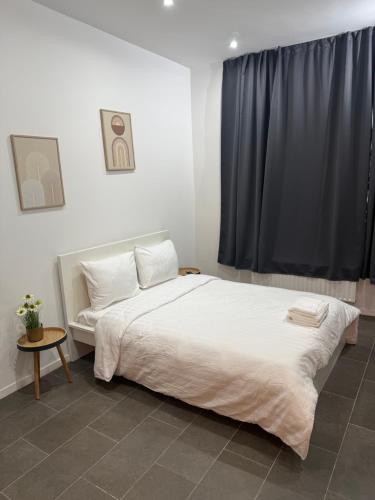
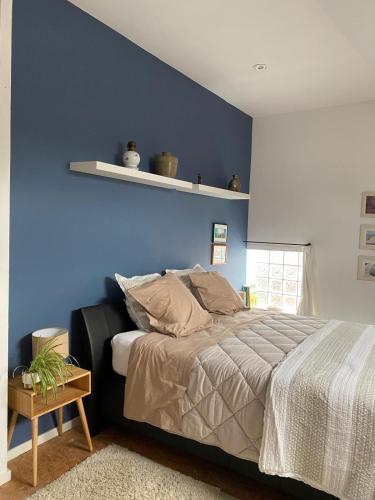

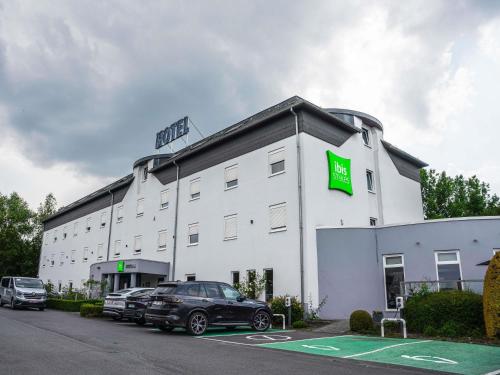
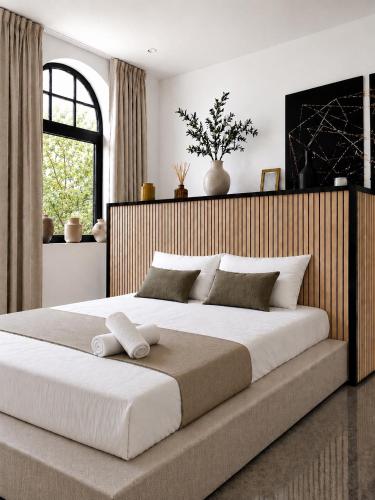
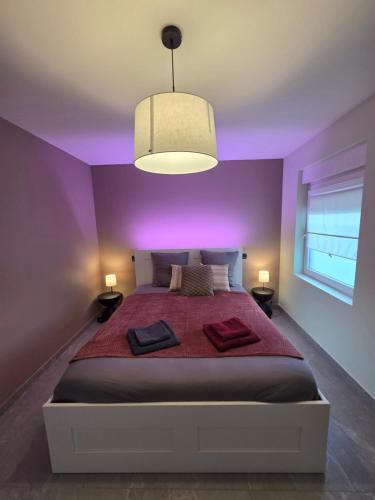
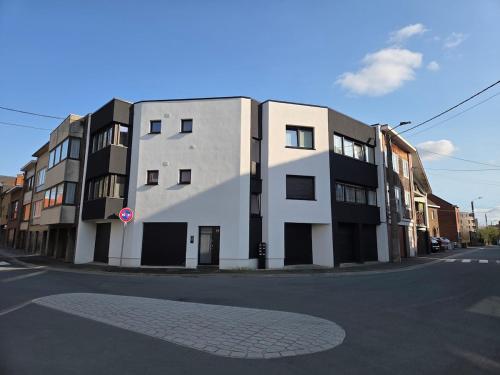
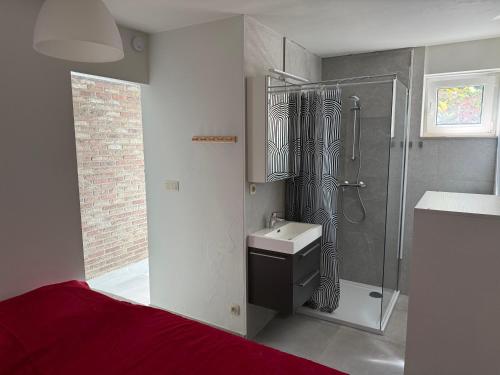
Live rates across our partner network (Booking.com, VRBO, Expedia, Hotels.com) via Stay22. Makutet may earn a commission when you book — at no extra cost to you. Prices update in real time and may vary before booking.
Experience

Guided cultural walk
Start in Bruges Historic Centre for a two-to-three-hour guided walk through its historic streets and public spaces. Walks can run throughout the year; reserve a guide ahead, especially for a particular language or a peak-season visit.
history enthusiasts · first-time visitors

Cycling
Set out from Flanders on a guided half- or full-day cycling outing, using the region’s relatively low-lying landscape for a ride between towns and countryside. Spring to early autumn is the most comfortable period; reserve a bike and guide ahead, and confirm the route distance and surface before booking.
active travellers · countryside explorers

Guided hiking
Book a guided half- or full-day walk in the Ardennes, where wooded uplands and uneven trails make route choice important. Late spring through early autumn generally offers the most straightforward walking conditions; arrange a guide in advance and check the day’s terrain and transport arrangements.
hikers · nature-focused travellers

City walking tour
Join a two-to-three-hour guided walk starting in Brussels, combining the city’s historic setting with a visit to the Atomium area if the booked route includes it. City walks operate year-round; reserve ahead for a tailored guide or a visit tied to a specific site opening.
architecture followers · culture seekers
Things to do
What Makutet's Belgium research recommends, and where the tours that cover it can actually be booked.
Editorial recommendations from Makutet's Belgium research. Tickets and tours are searched on GetYourGuide.
Guided walk through Bruges Historic Centre
Start in Bruges Historic Centre for a two-to-three-hour guided walk through its historic streets and public spaces. Walks can run throughout the year; reserve a guide ahead, especially for a particular language or a peak-season visit.
Flanders cycling day
Set out from Flanders on a guided half- or full-day cycling outing, using the region’s relatively low-lying landscape for a ride between towns and countryside. Spring to early autumn is the most comfortable period; reserve a bike and guide ahead, and confirm the route distance and surface before booking.
Ardennes guided walking day
Book a guided half- or full-day walk in the Ardennes, where wooded uplands and uneven trails make route choice important. Late spring through early autumn generally offers the most straightforward walking conditions; arrange a guide in advance and check the day’s terrain and transport arrangements.
Brussels architecture and city-history walk
Join a two-to-three-hour guided walk starting in Brussels, combining the city’s historic setting with a visit to the Atomium area if the booked route includes it. City walks operate year-round; reserve ahead for a tailored guide or a visit tied to a specific site opening.
Ghent
A port city in northwest Belgium known for its medieval architecture, specifically the 12th-century Gravensteen castle and harbor front.
Antwerp
A major port city on the Scheldt River with a historical center and a global significance in the diamond trade and fashion industry.
Activity cards are editorial — Makutet is not selling these specific experiences. The partner search opens GetYourGuide for Belgium, where availability and price are theirs.
Understand
The context that turns a visit into an understanding.

macro_region
The northern region of Belgium characterized by flat coastal plains and low-lying polders that extend toward the North Sea.

macro_region
The southern region of Belgium featuring the rolling hills and forested plateaus of the Ardennes mountain range.

sub_region
A coastal province in the northwest known for its proximity to the North Sea and historical significance in trade.

sub_region
A region of extensive forests, rough terrain, and rolling hills situated primarily in the southeastern part of the country.

Food culture
Chocolate shops are part of everyday food culture in Belgium, with pralines and filled chocolates commonly bought as gifts or enjoyed with coffee. Look for small assortments when you want to compare fillings rather than choosing only by packaging.

Dish
Moules-frites—mussels served with chips—is a familiar Belgian meal, especially associated with the warmer part of the year when mussels feature prominently on menus. Ask whether the kitchen serves them in a classic pot or with a particular sauce.

Drink
Belgium has a distinctive beer culture, with varied brewing traditions and beer served in styles of glass chosen for the drink. In a café, ask for a local recommendation and take time over the menu rather than expecting one standard lager list.

Neighbourhood character
In Bruges Historic Centre, the character of a visit comes from moving on foot through closely spaced historic streets and squares. Early or late in the day is a calmer time to explore the lanes, while the busiest central routes can feel crowded in peak travel periods.

Culture
Belgium’s regional identity is visible in the distinction between Flanders and Wallonia, as well as in the languages used in public life. Travellers crossing between regions should pay attention to local signage and use a polite greeting appropriate to the setting.
When to go
April–June
Spring
Milder days and lengthening light
July–August
Summer
Warmest weather, still changeable
September–October
Early autumn
A measured shoulder season
November–February
Winter
Cool, damp and darker
Practical
Money, transport, connectivity and the details that matter on the ground.
Budget
Belgium uses the euro. Bank cards are widely used, though carrying some cash is sensible for small purchases or places that do not accept cards; check card fees with your provider. Spending commonly goes towards city accommodation, meals and intercity or local transport, while peak-season stays in Bruges Historic Centre and Brussels can command more than quieter periods or rural bases in the Ardennes.
Transport
Belgium’s rail network is useful for linking major cities and regions; local buses and trams help with urban journeys, while rural parts of the Ardennes can require more planning or a car. Drive on the right. For a coast-to-interior itinerary, check each rail and onward connection rather than assuming a single direct service reaches every rural stop.
Safety
Belgium is generally straightforward to navigate, but use ordinary city awareness around busy transport hubs and crowded streets. The emergency number is 112. Tap water is generally safe to drink, and tipping is not obligatory; round up or leave a small amount for notably good service if you wish.
Connectivity
Mobile coverage is reliable across cities such as Brussels and Antwerp, though reception can be less consistent in rural or wooded parts of the Ardennes. Belgium uses Type E electrical sockets; check that your plug is compatible or bring an adaptor. An eSIM or roaming plan is useful for checking transport connections while moving between regions.
Seasonal weather
Belgium has a temperate maritime climate: expect changeable conditions and rain in any season. March to May brings gradually milder spring weather; June to August is generally the warmest period and suits city walks and cycling, though showers remain possible. September to November turns cooler and wetter, while December to February is often chilly, damp and grey. Pack a waterproof layer year-round, and allow flexible time for outdoor plans in Flanders, Wallonia and the Ardennes.
Accessibility and mobility
Travellers using wheelchairs, pushchairs or walking aids should plan routes and accommodation carefully: historic centres such as Bruges Historic Centre can have uneven paving, narrow streets and steps, while the Ardennes has sloping, rugged terrain. Rail and urban transport access varies by station and vehicle, so verify step-free routes in advance and request assistance where available. Ask accommodation directly about entrance thresholds, lifts, accessible bathrooms and room layout; older buildings may not have them.
Getting around
Airport transfers, rail, buses, ferries and car hire for Belgium — arranged before you fly, priced by the supplier.
Stay connected
Install an eSIM before you fly and you are online the moment you land in Belgium — no roaming charges, no shop queue at the airport.
Moments
Belgium is best approached as a sequence of changes in scale and texture. A monumental square, a canal-lined historic centre, a contemporary city landmark and a wooded southern landscape each offer a different entry into a country whose regions and histories meet at close quarters.
The signature moment
At the Grand Place in Brussels, pause before moving on. The façades rise tightly around the square, their ornament catching the changing light; footsteps and conversation gather on the stone, then soften as people stop to look up. From a café table comes the warmth of a drink and the sweetness or savour of something local, while the air shifts against the face—cooler in the evening, bright and open after rain. Stay long enough for the square to change from a place to pass through into a room shared by the city. Here, civic life and historical display occupy the same ground: the buildings speak in formal detail, but the square is made present by people crossing it, meeting and lingering. That doubleness is a useful way into Belgium. Grand Place is unmistakably a singular setting, yet it also prepares the traveller for the country beyond Brussels: historic centres such as Bruges and Ghent, contemporary identity in the Atomium, and landscapes that eventually open towards the Ardennes and the High Fens. The scene contains no complete summary of Belgium; it offers something better—a precise first impression of a country where inherited forms remain part of everyday life.
The story behind it
Belgium’s heritage is visible in the places that anchor its public image: Grand Place, Bruges Historic Centre and the Atomium in Brussels. They represent different ways of telling the country’s story, from historic civic architecture to a modern emblem. Yet no single monument can stand for the whole. Flanders and Wallonia carry distinct regional identities, and Belgium’s position beside France, Germany, Luxembourg and the Netherlands has placed it within a wider history of exchange and political change. A neutral account should hold both continuity and complexity in view: inherited buildings and traditions are sources of identity, but they do not erase the difficult histories that have shaped the region. The country’s present character is therefore best read across places and regions, rather than reduced to a single founding tale.
Before you go
Let Belgium unfold through contrasts rather than a checklist. Begin with a city that holds your attention, then give the journey room to move from Flanders towards Wallonia, or from the North Sea-facing northwest into the wooded south. The most lasting impression may be the interval between landmarks: the shift from a busy square to a quiet historic street, or from an urban day to the open terrain of the Ardennes. In Belgium, those transitions are part of the story.
Four neighbours
Belgium shares land borders with France, Germany, Luxembourg and the Netherlands, a position that helps explain its close connections to several neighbouring regions.
Regions in view
Flanders, Wallonia, West Flanders and the Ardennes are all recorded as geographic regions of Belgium, offering a useful frame for looking beyond the capital.
April–June
Spring into early summer
Spring brings longer days and generally changeable conditions. Plan for rain as well as mild spells; this is a practical window for combining Brussels or Bruges with walks in the Ardennes.
July–August
High summer
Summer is the warmest part of the year, though Belgian weather can remain variable. Keep a flexible plan for outdoor time in the High Fens and allow indoor alternatives in the cities.
November–February
Winter months
Expect cool, often wet conditions and limited daylight. Historic centres remain rewarding, but build a city-led itinerary and check conditions before committing to longer outdoor days in the Ardennes.
FAQ
Belgium uses the euro. Cards are widely used, but some cash is useful for small purchases.
Traffic drives on the right in Belgium. Rural Ardennes routes may be easier to reach by car.
Tap water is generally safe to drink. Carry a refillable bottle for city and countryside days.
Conditions are changeable year-round. Summer is generally warmest; winter is often chilly and damp, so pack a waterproof layer.
Yes. It is practical to arrive by rail and explore the historic centre on foot, although paving and access can be uneven.
Book ahead for peak-season stays, particularly in Bruges Historic Centre and Brussels, and confirm accessibility needs directly with the property.
Connections vary by area. Check the full journey and any onward transfer before booking a rural stay or guided walk.
Before you go
The last thing most travellers forget — and the disclosure that applies to every partner link on this page.
Booking and rate checks run on the partner's own site; prices and availability are theirs and can change. Some links are affiliate links and Makutet may earn a commission at no extra cost to you. See our affiliate disclosure.
Makutet builds a day-by-day itinerary around the places above — then keeps it updated as you travel.
Country guide: /country/belgium
Your assessment works without optional tracking. Necessary storage keeps your trip and privacy choice. Embedded flight search includes TravelPayouts tracking; ordinary partner links remain available if you decline.
Cookie policy · Privacy policy. Reopen Cookie settings to change your choice. Supplier-site cookies are controlled by that supplier.