
urban
Yerevan
The capital and largest city of Armenia, serving as the administrative, cultural, and industrial center of the nation.

asia
Armenia is a landlocked country of mountain terrain, highland regions and the Ararat Plain. Its character comes into focus through the contrast between Yerevan, Lake Sevan and monasteries set within the landscape.
The country
The country
Landlocked in the South Caucasus between the Black Sea and the Caspian Sea, Armenia is a mountainous country bordered by Turkey, Georgia, Azerbaijan and Iran. Its landscape shifts from the Northern Highlands and Lori Province to the Ararat Plain and Armavir Province; Yerevan, Lake Sevan and ancient monasteries give that varied geography a human scale.
Why visit
Armenia rewards travel that pays attention to the relationship between landscape and settlement. In the Northern Highlands and Lori Province, mountain terrain shapes the view and the sense of distance; farther south, the Ararat Plain and Armavir Province offer a different, more open reading of the country. Yerevan provides an urban point of orientation, while Lake Sevan places water within an otherwise mountainous itinerary. These are not interchangeable backdrops: each helps explain why movement across Armenia feels like a sequence of changes in elevation, exposure and scale. The country’s named places also carry distinct kinds of presence. Geghard Monastery and Noravank Monastery bring religious and architectural heritage into direct contact with rugged terrain. Khor Virap is associated with the broad prospect of Mount Ararat, while Tatev Monastery and Dilijan National Park draw the eye towards the southern and northern landscapes respectively. A journey linking such places is less about collecting stops than noticing how built heritage belongs to its setting. Armenia suits travellers who value that patient reading: time to look outward from a monastery, to follow the contours of a plain, and to understand a capital not as the whole country but as one part of a compact, varied geography. The result is an experience grounded in a recognisable national character—mountainous, historically layered and shaped by the meeting of landscape, faith and everyday urban life.
What it feels like
The atmosphere changes with the terrain: a city’s close-grained rhythms in Yerevan give way to open views across the Ararat Plain, highland air in the Northern Highlands and the presence of Lake Sevan. Monasteries such as Geghard and Noravank feel closely bound to their rocky surroundings. The overall impression is one of strong contrasts held within a mountainous country.
Who it suits
Armenia suits travellers drawn to history, religious heritage and mountain landscapes, especially those happy to build a journey around named places rather than a single resort. It is a good fit for visitors who want a city base in Yerevan alongside time at Lake Sevan, Khor Virap, Geghard Monastery or Tatev Monastery, and who are comfortable with journeys through varied terrain.
How to get here
Live fares into Armenia across hundreds of airlines, compared in one search. Book directly with the airline or agent — Makutet never adds a fee.
Live fares to Armenia across hundreds of airlines. Book directly with the airline or agent — no extra cost to you.
Embedded flight search uses TravelPayouts cookies and tracking. Enable partner search to load it here, or continue directly on the partner site.
The external partner link includes Makutet's affiliate marker; confirm your route, dates and passengers there. No booking is made on Makutet.
Live search and booking run on the TravelPayouts partner engine. Fares update in real time and may vary before booking. Any prices shown elsewhere on Makutet are monitored observations, not live quotes.
Identity
The places that define the country rather than merely sit inside it.
urban
The capital and largest city of Armenia, serving as the administrative, cultural, and industrial center of the nation.

nature
The largest body of water in Armenia and the Caucasus region, located at an elevation of 1,900 meters above sea level.

cultural
A medieval monastery complex partially carved out of the adjacent mountain, recognized as a UNESCO World Heritage site.

nature
A dormant volcanic mountain located across the border in Turkey that dominates the skyline of the Ararat Plain.
Imagery


Discover

heritage
A 9th-century Armenian Apostolic monastery complex situated on the edge of a deep gorge in the Syunik Province.

park
A protected area in the Tavush Province known for its mountainous terrain, extensive forests, and diverse flora.

heritage
An ancient monastery situated near the border with Turkey, historically significant as the site of Gregory the Illuminator's imprisonment.

heritage
A 13th-century monastery located in a narrow gorge carved by the Amaghu River, noted for its red brick architectural details.
Stay
The bases that actually change the trip.

City accommodation
Yerevan is the practical base for urban meals, guided walks and onward transport. Choose a central stay to reduce local transfers; the city works year-round, though summer brings stronger demand. Check lift access and step-free entry directly before booking.
first-time visitors · city explorers

Lakeside accommodation
Staying near Lake Sevan makes an early shoreline start possible, but reaching the lake from Yerevan requires a planned road transfer. The warmer part of the year suits lake access best; outside it, expect quieter services and check heating and transport arrangements before committing.
slow travellers · landscape lovers

Rural guesthouse
A guesthouse in Lori Province offers access to a mountainous rural setting, but it trades city convenience for advance planning: arrange road transport and confirm meals and arrival details with the host. Spring to early autumn is the easiest season for walking and road-based exploration.
walkers · travellers seeking rural stays

Rural accommodation
Use accommodation in the Geghard area as a quieter base for an early visit, arranging road transport rather than relying on frequent local connections. Spring and autumn are comfortable for combining the visit with outdoor time; confirm road access and any mobility limitations with the host.
culture-focused travellers · independent visitors
Where to stay
Live rates across Booking.com, Agoda, VRBO and Expedia for Armenia. Compare the areas above, then check what a night actually costs.
Popular destinations
Live rates across Booking.com, Agoda, VRBO and Expedia for Armenia — no extra cost to you.

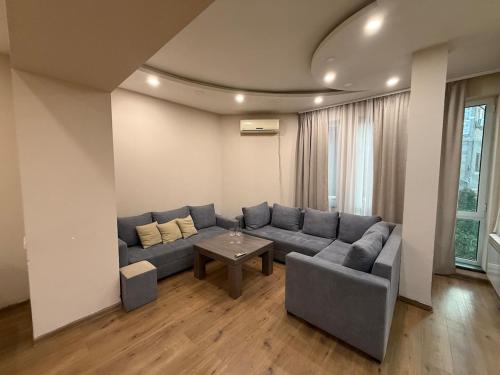


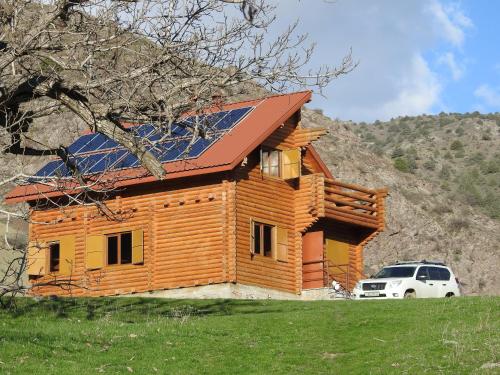

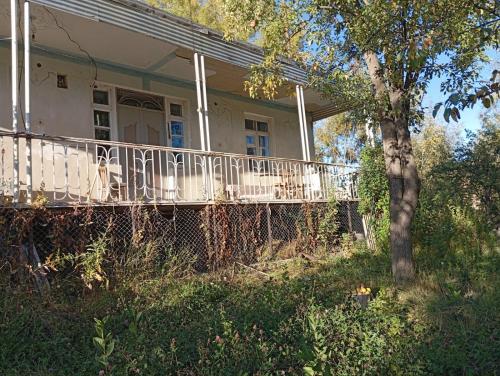
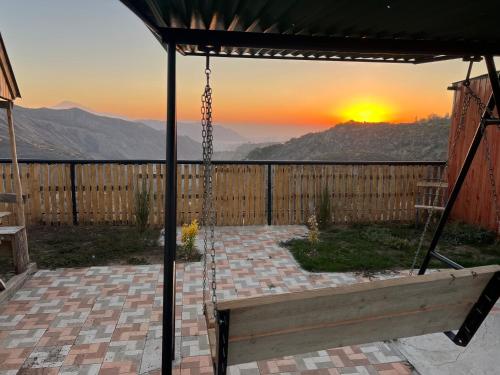
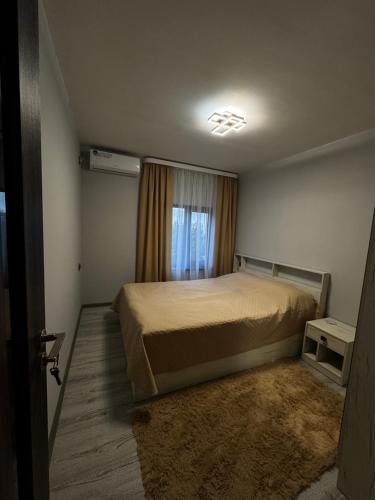
Live rates across our partner network (Booking.com, VRBO, Expedia, Hotels.com) via Stay22. Makutet may earn a commission when you book — at no extra cost to you. Prices update in real time and may vary before booking.
Experience

Food and walking tour
Start in Yerevan for a guided walk combining market browsing with tastings of Armenian breads, cheeses and seasonal produce. Allow half a day; arrange a guide and any tasting places ahead, especially in the busy summer period.
food-minded travellers · first-time visitors

Guided day trip
Use Lake Sevan as the base for a guided lake day, with time for shoreline walks and a drive between viewpoints. Plan a full day from Yerevan; reserve transport and a guide ahead in summer, when the highland lake is most comfortable to visit.
landscape lovers · relaxed explorers

Guided hiking
Take a guided walking day in Lori Province, choosing a route suited to the group and the season. Spring and early autumn are generally more comfortable than midsummer; agree the route, transport and guide in advance because terrain and access are mountainous.
active travellers · nature enthusiasts

Cultural driving tour
Arrange a private or small-group drive from Yerevan to Khor Virap and across the Ararat Plain, with time for the monastery and the surrounding landscape. Allow most of a day; book the vehicle and any guiding ahead, and check conditions in winter.
history-minded travellers · photographers
Things to do
What Makutet's Armenia research recommends, and where the tours that cover it can actually be booked.
Editorial recommendations from Makutet's Armenia research. Tickets and tours are searched on Klook.
Yerevan food and market walk
Start in Yerevan for a guided walk combining market browsing with tastings of Armenian breads, cheeses and seasonal produce. Allow half a day; arrange a guide and any tasting places ahead, especially in the busy summer period.
Lake Sevan shoreline day
Use Lake Sevan as the base for a guided lake day, with time for shoreline walks and a drive between viewpoints. Plan a full day from Yerevan; reserve transport and a guide ahead in summer, when the highland lake is most comfortable to visit.
Lori Highlands walking day
Take a guided walking day in Lori Province, choosing a route suited to the group and the season. Spring and early autumn are generally more comfortable than midsummer; agree the route, transport and guide in advance because terrain and access are mountainous.
Khor Virap and Ararat Plain cultural drive
Arrange a private or small-group drive from Yerevan to Khor Virap and across the Ararat Plain, with time for the monastery and the surrounding landscape. Allow most of a day; book the vehicle and any guiding ahead, and check conditions in winter.
Tatev Monastery
A 9th-century Armenian Apostolic monastery complex situated on the edge of a deep gorge in the Syunik Province.
Dilijan National Park
A protected area in the Tavush Province known for its mountainous terrain, extensive forests, and diverse flora.
Activity cards are editorial — Makutet is not selling these specific experiences. The partner search opens Klook for Armenia, where availability and price are theirs.
Understand
The context that turns a visit into an understanding.

macro_region
This region features high-altitude plateaus and volcanic ridges characteristic of the Lesser Caucasus mountain range.

macro_region
A low-lying fertile valley located in the southwestern part of the country, primarily defined by the Araks River basin.

sub_region
Located in the north, this area is known for deep river canyons and dense forests within the Debed River valley.

sub_region
Situated in the central-west, this province contains the fertile agricultural lands surrounding the Araks River.

Food tradition
Lavash, the thin Armenian flatbread, is commonly used to wrap food and is part of the shared-table rhythm. In Yerevan, look for it alongside cheeses, herbs and grilled dishes rather than treating bread as a separate course.

Cuisine
Khorovats is Armenian barbecue, often prepared over an open fire and served as a social meal. It is a useful dish to recognise when dining in Yerevan or travelling through the Ararat Plain; ask what cuts and accompaniments are available that day.

Coffee culture
Armenian coffee is prepared finely ground and served unfiltered in a small cup, making it a slow pause rather than a takeaway drink. It is readily encountered in Yerevan cafés; allow the grounds to settle before drinking the last mouthful.

Food and produce
Apricot is strongly associated with Armenian food culture, and fruit appears in preserves, dried forms and seasonal market produce. In Yerevan, compare what is available across the warmer months with preserved fruit outside the harvest season.

Cultural etiquette
At places such as Geghard Monastery and Khor Virap, visitors enter active religious settings as well as historic sites. Keep voices low, dress modestly and follow local instructions; photography may not be appropriate in every interior.
When to go
May–June
Late spring
Mild conditions for city and countryside
July–August
High summer
Warm lowlands; cooler high ground
September–October
Early autumn
A balanced season for varied routes
December–February
Winter
Cold, with more demanding mountain travel
Practical
Money, transport, connectivity and the details that matter on the ground.
Budget
The currency is the Armenian dram. Cards are useful in Yerevan hotels and larger businesses, but carry cash for smaller purchases, rural guesthouses and services around Lake Sevan or in Lori Province. The largest costs are usually accommodation, intercity transport and private guiding; summer lake stays and remote-area transfers can add time and expense. Confirm card acceptance before relying on it.
Transport
Armenia is mountainous and landlocked, so journeys between Yerevan, Lake Sevan, Lori Province and the monasteries are road trips rather than coastal or island connections. Public transport can serve major routes, but a hired car or pre-arranged driver gives more control for rural sites such as Geghard Monastery and Khor Virap. Traffic drives on the right; allow extra time for mountain roads.
Safety
Use normal city awareness in Yerevan and take extra care on mountain roads, where weather and road conditions can change. The emergency number is 112. Tap water is generally safe to drink; carry water on long rural outings. Tipping is customary for good restaurant service, but check whether a service charge is already included.
Connectivity
Mobile coverage is strongest in Yerevan and can be less dependable in mountainous areas such as Lori Province. Arrange an Armenian SIM or eSIM before leaving the city if you need reliable navigation, and download maps for rural drives. Armenia uses types C and F plugs; bring a compatible adaptor and confirm that accommodation has suitable charging access.
Seasonal weather
Armenia has hot, dry summers and cold winters, with spring and autumn often the most comfortable periods for city visits and road-based sightseeing. June to August brings heat to Yerevan and more appealing conditions around highland Lake Sevan, while winter can bring snow and difficult mountain access. Pack for sharp temperature changes between the Ararat Plain and higher terrain, and check road conditions before travelling in winter.
Accessibility and mobility
Expect significant limitations for wheelchair users and travellers with reduced mobility: Armenia's mountainous terrain, uneven pavements, steps at older buildings and monastery approaches can make independent access difficult. Yerevan offers the most services, but pavement conditions and building entrances vary; rural transport is not consistently adapted. Contact accommodation directly about step-free access, lifts, bathrooms and vehicle arrangements, and plan Geghard Monastery, Khor Virap and other rural visits around specific access information.
Getting around
Airport transfers, rail, buses, ferries and car hire for Armenia — arranged before you fly, priced by the supplier.
Stay connected
Install an eSIM before you fly and you are online the moment you land in Armenia — no roaming charges, no shop queue at the airport.
Moments
Armenia is best read through transitions: from Yerevan towards the open Ararat Plain, from a lake shore into mountain country, and from the scale of a monastery to the immense terrain around it. Its geography does not merely connect the places; it gives them their character and sets the pace of a journey.
The signature moment
At Khor Virap, pause while the light is still low enough for the contours of the Ararat Plain to remain clear. The monastery stands close to the ground beneath an immense horizon; beyond it, Mount Ararat commands the view. The air feels open after the close spaces of a city, and the silence is broken by small sounds around the monastery and the movement of visitors. Take time over a simple taste carried for the journey, then look again: the plain is not empty scenery but the broad setting against which this place is understood. Nothing needs to be hurried here. The view makes distance tangible, while the monastery gives that distance a human and historical focus. In one scene, Armenia’s defining contrasts meet: a landmark shaped by religious heritage, a powerful mountain presence, and the open geography of a country whose identity is closely read through place. That moment does not stand in for every region, but it offers a way to understand why landscape and heritage in Armenia are so difficult to separate.
The story behind it
Armenia’s heritage is inseparable from the long presence of Christianity and from the landscapes in which religious buildings were established. Monasteries including Geghard, Tatev and Noravank are not isolated markers of the past: their settings in mountainous terrain are part of how their histories are encountered. The country’s position in the South Caucasus, between the Black Sea and the Caspian Sea and beside Turkey, Georgia, Azerbaijan and Iran, has also placed it within a region of changing political and cultural relationships. A neutral account must acknowledge that Armenian history includes difficult and contested chapters, rather than presenting heritage as untouched or uncomplicated. Today, places such as Khor Virap and the view towards Mount Ararat carry historical and cultural resonance, while Yerevan offers a contemporary urban point of entry into that layered inheritance.
Before you go
Let Armenia unfold through its changes of scale: the city streets of Yerevan, the openness of the Ararat Plain, the waterside expanse of Lake Sevan and the mountain settings of its monasteries. A considered itinerary leaves room for the journey between them, not only the arrival. The lasting impression is often a view held in memory—the horizon from Khor Virap, or the terrain around Geghard and Noravank. Travel slowly enough to notice how the country’s places belong to their landscapes, and Armenia becomes more than a collection of landmarks: it becomes a geography with a deep cultural presence.
Between two seas
Armenia is landlocked in the South Caucasus, between the Black Sea and the Caspian Sea, with mountainous terrain and borders shared with four neighbours.
A landscape anchor
Mount Ararat is one of Armenia’s signature identity places; Khor Virap is among the named places from which the country’s landscape and heritage can be encountered.
May–June
Spring into early summer
Milder spring conditions generally make travel between Yerevan, the Ararat Plain and mountain sites more comfortable. Expect conditions to vary with elevation, and allow flexibility for highland visits.
September–October
Early autumn
Early autumn is a practical time to combine city and countryside, including Lake Sevan and monastery visits. Bring layers: temperatures can fall more quickly in elevated areas and after sunset.
December–February
Winter
Winter brings colder conditions, with snow and more demanding travel possible in mountainous regions. Keep plans adaptable and check local conditions before setting out for highland destinations.
FAQ
Spring and autumn are generally comfortable for Yerevan and road trips; summer is hotter in the Ararat Plain, while winter can disrupt mountain access.
Yes. Armenia is landlocked in the South Caucasus, between the Black Sea and the Caspian Sea, and has mountainous terrain.
The Armenian dram is the currency. Cards work in many Yerevan businesses, but cash is useful for smaller purchases and rural travel.
Tap water is generally safe to drink. Carry water when travelling for long periods outside Yerevan, particularly on rural or mountain outings.
Plan road transport. A hired car or pre-arranged driver is often more practical for places such as Lake Sevan, Geghard Monastery and Khor Virap.
Access can be difficult because of uneven pavements, steps, mountainous terrain and limited adapted transport. Confirm specific accommodation and site access before travelling.
Before you go
The last thing most travellers forget — and the disclosure that applies to every partner link on this page.
Booking and rate checks run on the partner's own site; prices and availability are theirs and can change. Some links are affiliate links and Makutet may earn a commission at no extra cost to you. See our affiliate disclosure.
Makutet builds a day-by-day itinerary around the places above — then keeps it updated as you travel.
Country guide: /country/armenia
Your assessment works without optional tracking. Necessary storage keeps your trip and privacy choice. Embedded flight search includes TravelPayouts tracking; ordinary partner links remain available if you decline.
Cookie policy · Privacy policy. Reopen Cookie settings to change your choice. Supplier-site cookies are controlled by that supplier.